
Christus discussieert met farizeeërs over het plukken van aren op sabbat — History & Facts
When did color learn to lie? In an unspoken moment thick with tension, silence reigns over an intense exchange, where the weight of the sabbath hangs heavily in the air. The figures in the painting stand poised, caught between their convictions and the challenge posed by their fellow man. Look to the left, where the gentle curvature of Christ's robes draws the eye, offering a stark contrast to the rigid demeanor of the Pharisees. Notice how the muted earth tones of the figures create a solemn backdrop, while the soft light illuminates the contours of their faces, capturing a spectrum of emotions — curiosity, defiance, and contemplation.
The careful arrangement of the figures suggests a tight-knit dialogue, each posture and gesture imbued with purpose, echoing the fervor of their discourse. Hidden tensions lie in the details: the outstretched hand of Christ, beckoning understanding, juxtaposed against the Pharisees’ frowns, signaling resistance. The contrast of light and shadow accentuates the moral complexity of the moment; it is not merely a debate about the law but a deeper examination of faith and humanity. The silence in the air speaks volumes, suggesting a ripple effect of consequences that extend beyond this singular encounter. In 1635, Jacques Callot created this work in France amidst a vibrant artistic milieu that wrestled with the tension between tradition and innovation.
The Baroque movement was gaining momentum, invoking emotional depth and elaborate compositions. Callot, known for his mastery of printmaking and capturing the human condition, sought to explore complex narratives through his art, blending moral inquiry with the essence of human experience.
More Artworks by Jacques Callot
Browse all →
Titelprent voor de prentreeks 'De kleine apostelen' (Het martelaarschap van de apostelen)
Jacques Callot
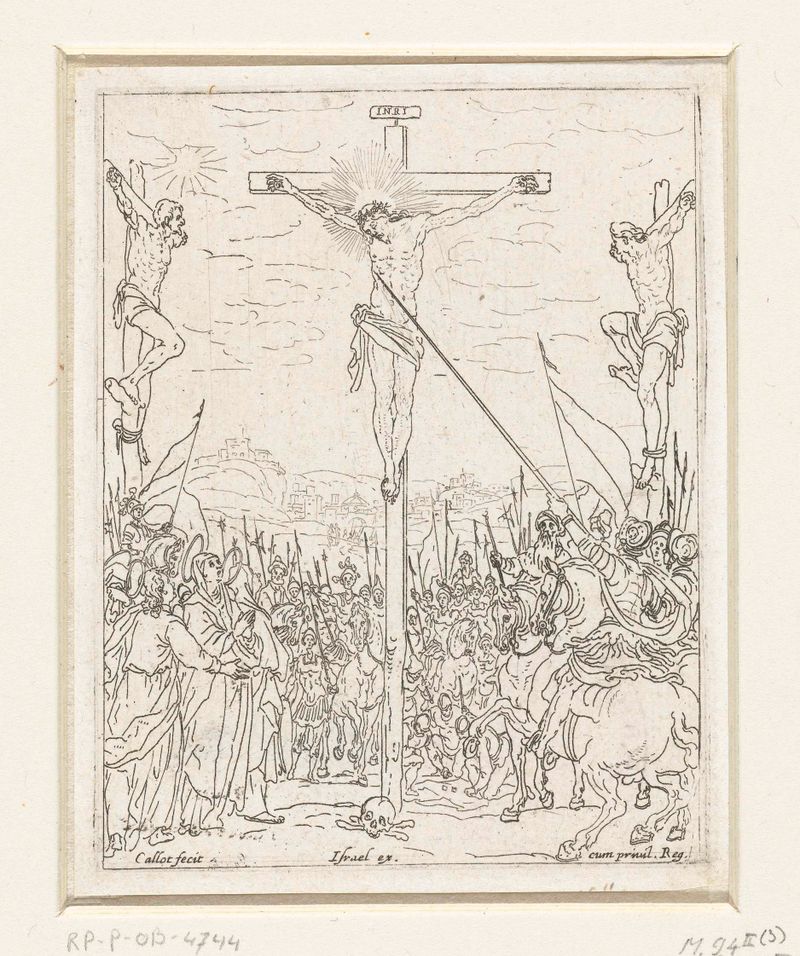
Kruisiging
Jacques Callot

De doortocht door de Rode Zee
Jacques Callot

De verloren zoon als zwijnenhoeder
Jacques Callot

Annunciatie
Jacques Callot
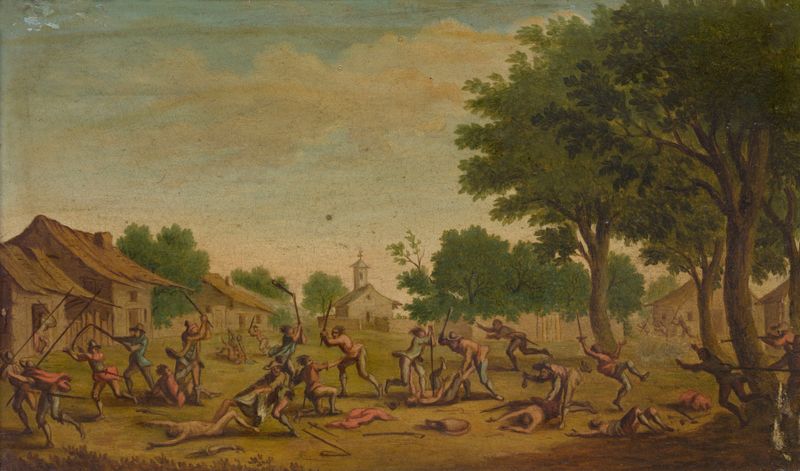
Village Fight
Jacques Callot

Titelprent voor prentreeks 'Het leven van Maria'
Jacques Callot
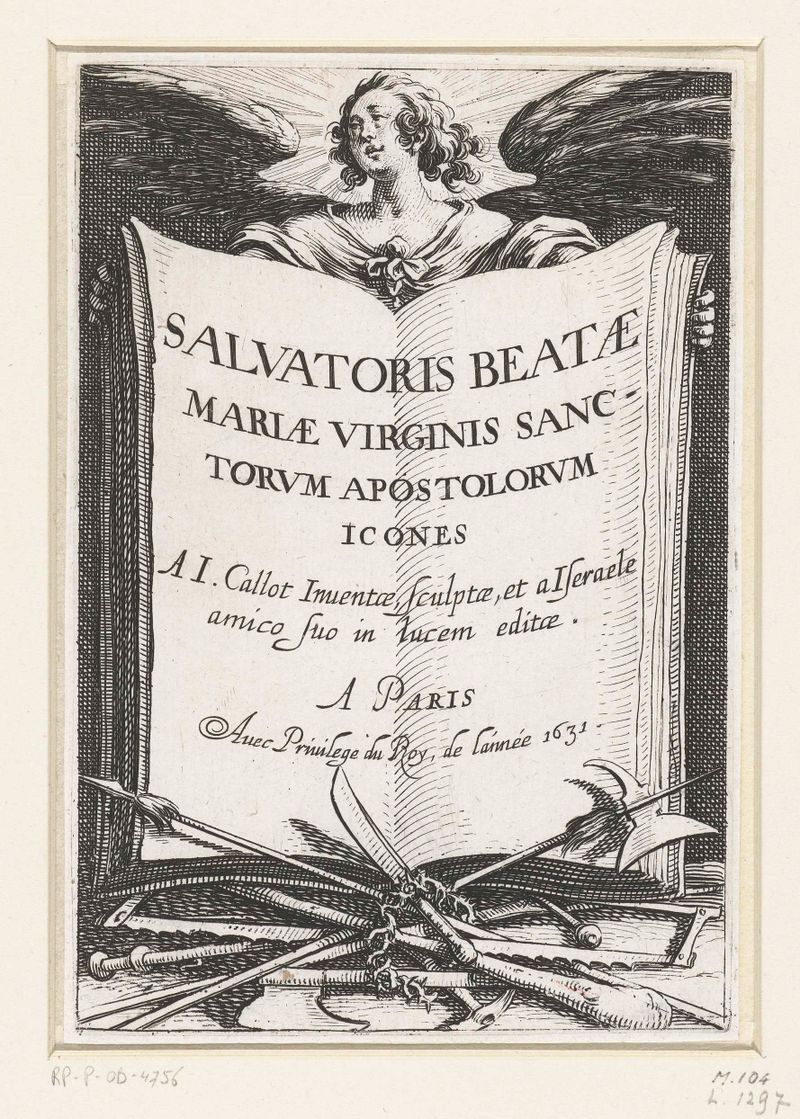
Titelprent voor de prentreeks 'De grote apostelen' (Christus, Maria en de apostelen)
Jacques Callot

Christus aan het volk getoond (Ecce homo)
Jacques Callot
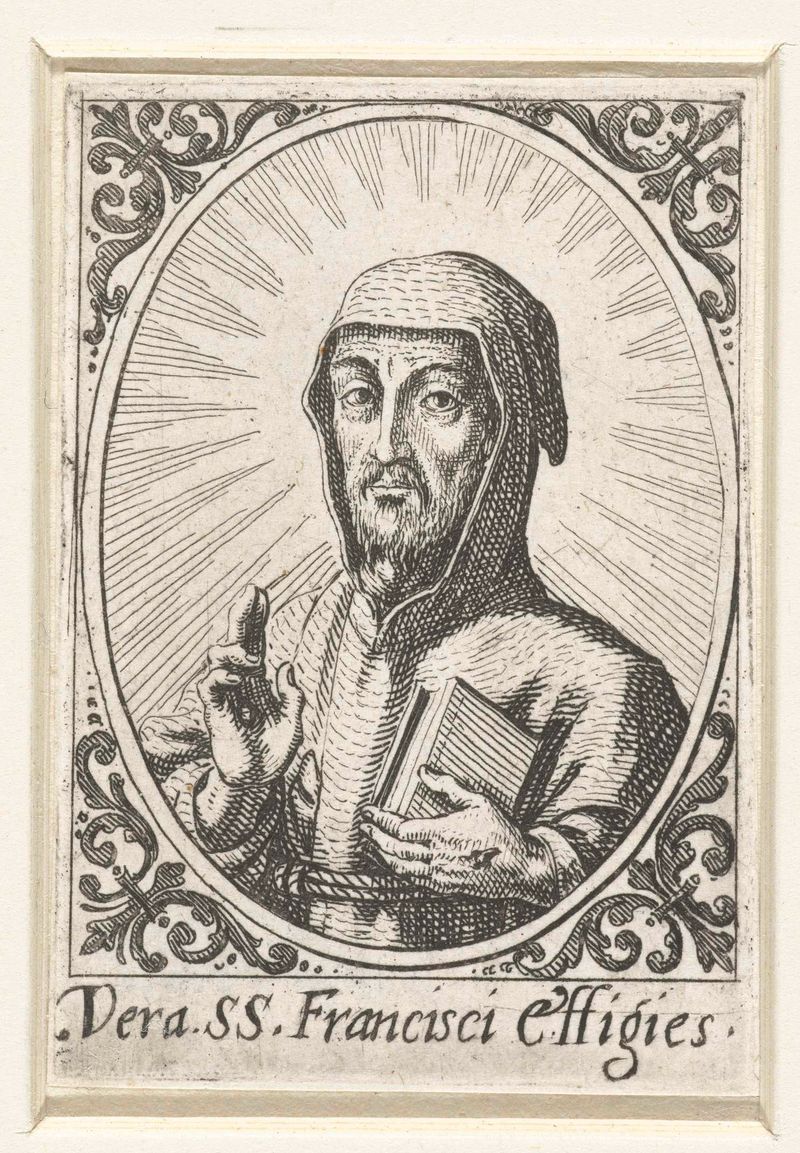
Portret van de Heilige Franciscus
Jacques Callot
More Religious Art
Browse all →
The Return of the Prodigal Son
Rembrandt van Rijn

The Garden of Earthly Delights
El Bosco

Count Orgaz’ funeral
El Greco

The Hundred Guilder Print: the central piece with Christ preaching, the plate arched
Rembrandt van Rijn

The Descent from the Cross
Rogier van der Weyden

The return of the prodigal son
Rembrandt van Rijn