
Christus en de overspelige vrouw — History & Facts
In the throes of ecstasy and despair, the artist captures a moment suspended between judgment and compassion—a silent dialogue of the soul. Look to the left, where the figure of Christ stands resolute, his expression a blend of grace and solemnity. Notice how the delicate play of light highlights the contours of his face, drawing your gaze to the penetrating gaze that seems to pierce through to the very heart of sin. The figures surrounding him, caught in a tapestry of emotion, create a vivid contrast against the ethereal backdrop, their expressions a cacophony of turmoil and yearning.
The use of shadow deepens the scene's intensity, making the moment palpable and immediate. The tension within the artwork lies in the juxtaposition of purity and guilt—each character reflects a different facet of human experience. The woman, exposed and vulnerable, embodies both shame and the desire for redemption, while Christ’s presence offers a glimmer of hope amid her despair. The intricate details, such as the delicate folds of fabric and the expressions carved into each figure, speak to the delicate balance between judgment and forgiveness, urging viewers to confront their own struggles with morality. Jacques Callot painted this work in 1635, during a time when the Baroque movement was gaining momentum in Europe.
He lived in Nancy, France, where he was influenced by the emerging interest in narrative and emotion within art. This piece reflects not only his mastery of etching but also the broader context of religious and social dynamics, as artists grappled with themes of sin and salvation amidst a tumultuous era.
More Artworks by Jacques Callot
Browse all →
Titelprent voor de prentreeks 'De kleine apostelen' (Het martelaarschap van de apostelen)
Jacques Callot
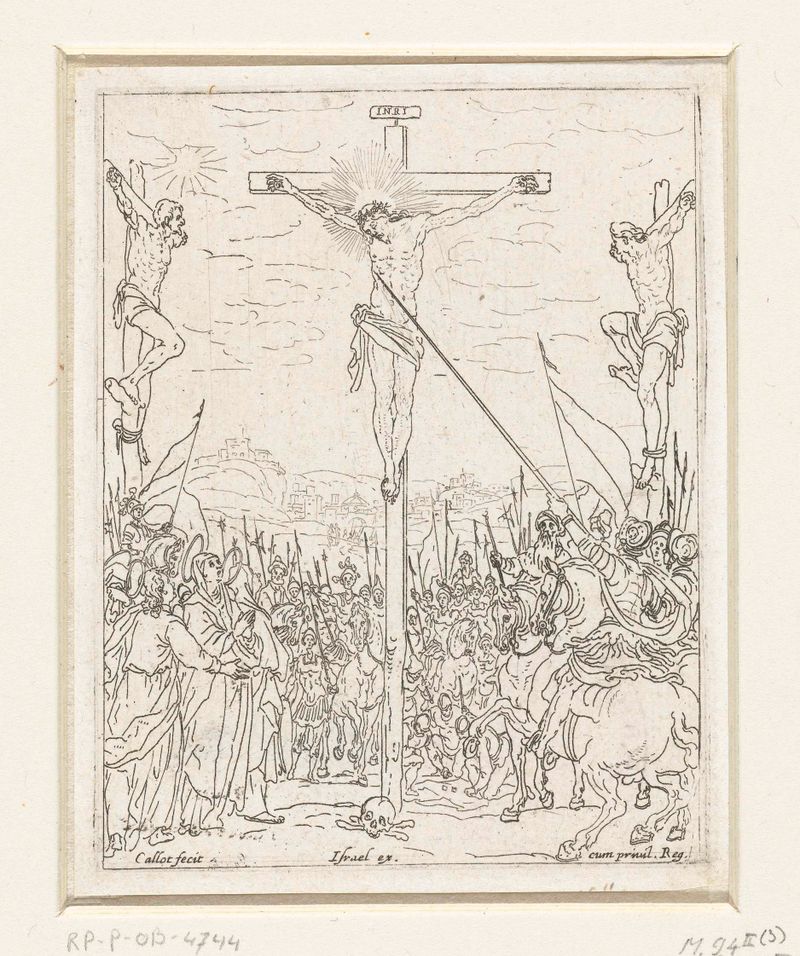
Kruisiging
Jacques Callot

De doortocht door de Rode Zee
Jacques Callot

De verloren zoon als zwijnenhoeder
Jacques Callot

Annunciatie
Jacques Callot
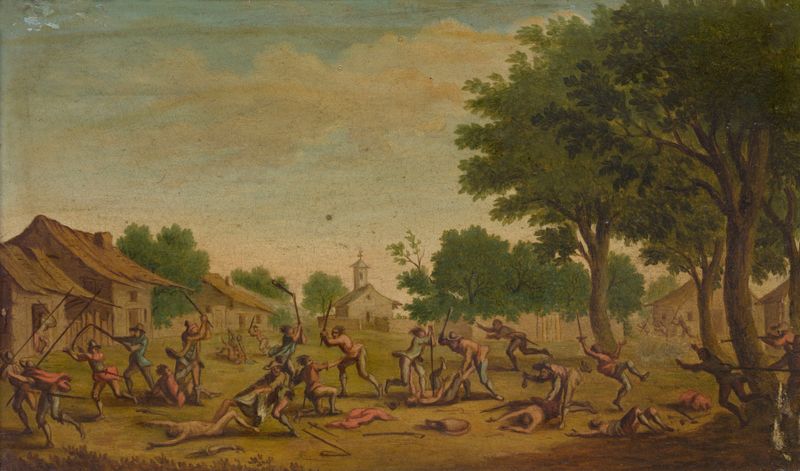
Village Fight
Jacques Callot

Titelprent voor prentreeks 'Het leven van Maria'
Jacques Callot
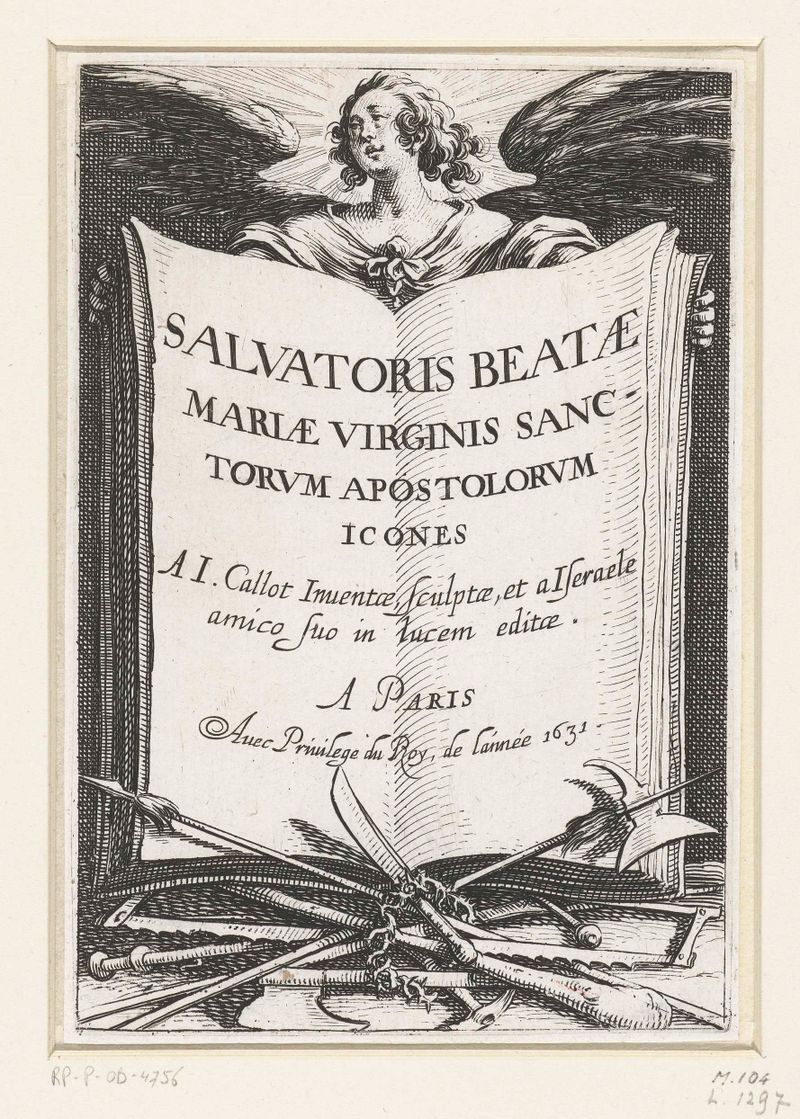
Titelprent voor de prentreeks 'De grote apostelen' (Christus, Maria en de apostelen)
Jacques Callot

Christus aan het volk getoond (Ecce homo)
Jacques Callot
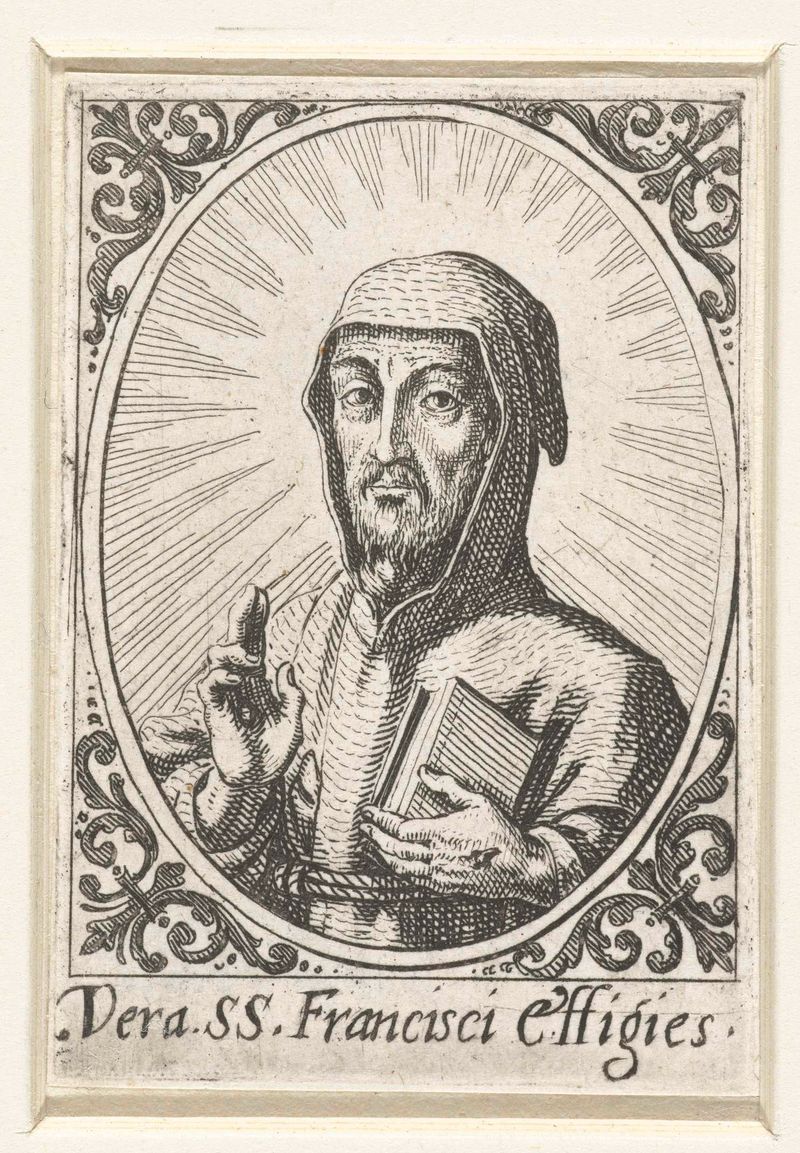
Portret van de Heilige Franciscus
Jacques Callot
More Religious Art
Browse all →
The Return of the Prodigal Son
Rembrandt van Rijn

The Garden of Earthly Delights
El Bosco

Count Orgaz’ funeral
El Greco

The Hundred Guilder Print: the central piece with Christ preaching, the plate arched
Rembrandt van Rijn

The Descent from the Cross
Rogier van der Weyden

The return of the prodigal son
Rembrandt van Rijn