
Christus en de Samaritaanse vrouw — History & Facts
Is this a mirror — or a memory? The ethereal exchange captured here speaks to the transient nature of existence, bridging the sacred and the human experience in a single, poignant moment. Focus on the figures in the center, where Christ engages the Samaritan woman with an expression of quiet authority. Notice the warm, earthy tones juxtaposed with the vibrant blues of their garments, evoking a sense of harmony amidst tension. The draped folds of their clothing draw the eye, leading us through the composition, while the delicate interplay of light and shadow on their faces captures the intimacy of their conversation.
Each detail, from the woman's hesitant posture to the serene countenance of Christ, deepens the narrative woven within the scene. Hidden meanings pulse beneath the surface: the water jug she carries symbolizes the thirst for spiritual fulfillment, while Christ's invitation reveals the promise of eternal life. The contrast between the stark backgrounds and the richness of their clothing mirrors the spiritual and societal boundaries being crossed, challenging conventions of their time. In the midst of this dialogue, one can almost feel the weight of mortality, as if each character grapples with their own fate. Dirck Vellert painted this work in 1523, during a time when the Reformation was reshaping the religious landscape of Europe.
Living in the Netherlands, he was influenced by the burgeoning humanist movement, which underscored the value of personal introspection and direct engagement with scripture. This period of transformation in both art and faith informed Vellert’s depiction of this biblical encounter, inviting viewers to contemplate their own beliefs and connections to humanity.
More Artworks by Dirck Vellert
Browse all →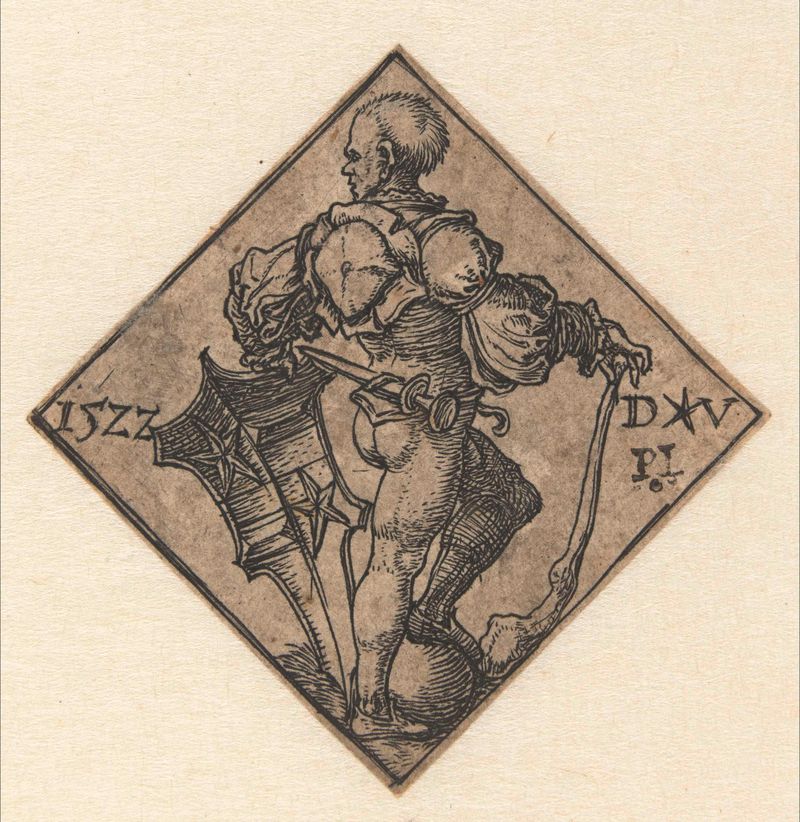
Soldaat met wapenschild
Dirck Vellert
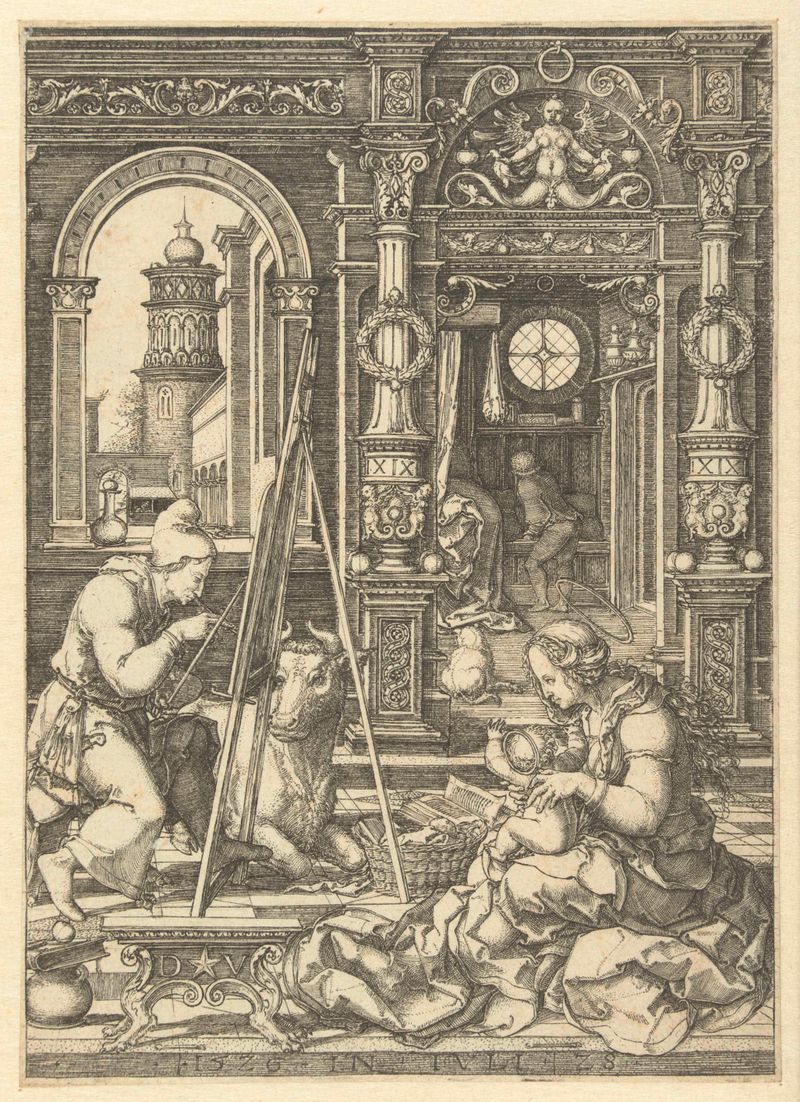
Heilige Lucas schildert Madonna met kind
Dirck Vellert

The Flight into Egypt
Dirck Vellert

Faun
Dirck Vellert
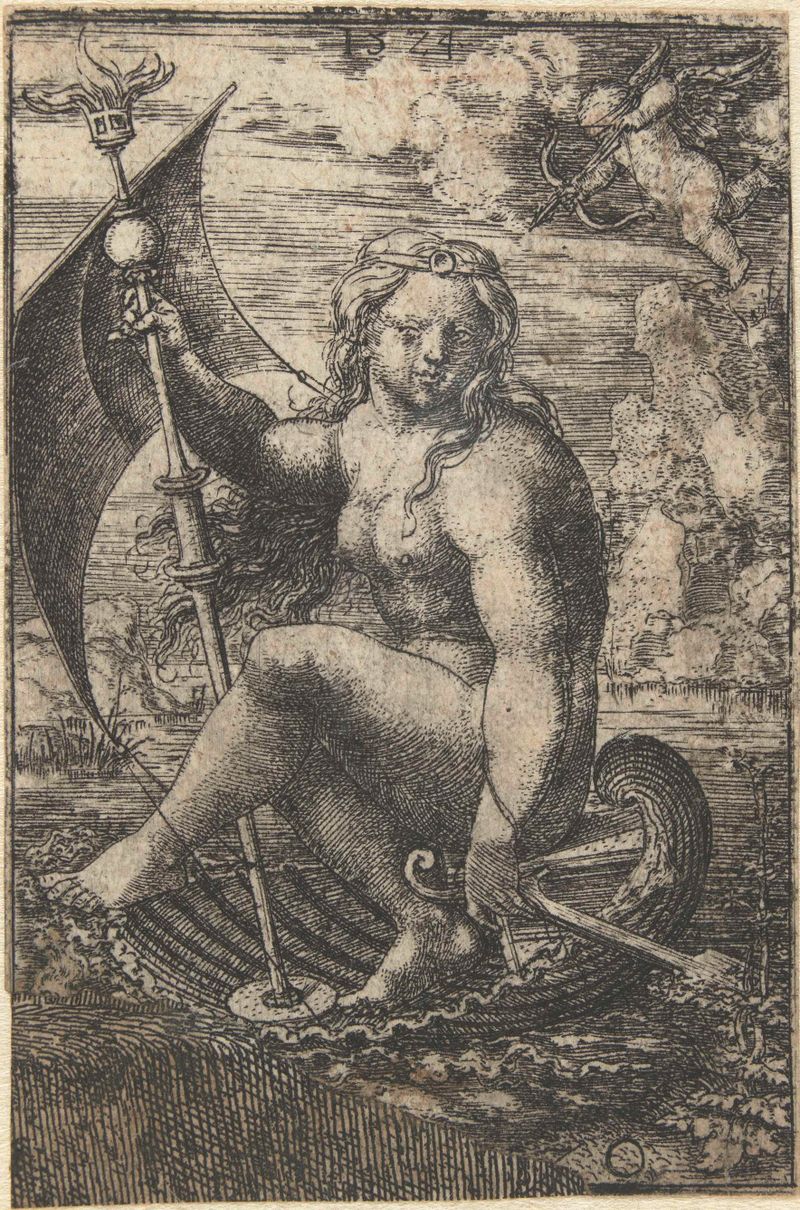
Venus zeilend in een schelp
Dirck Vellert
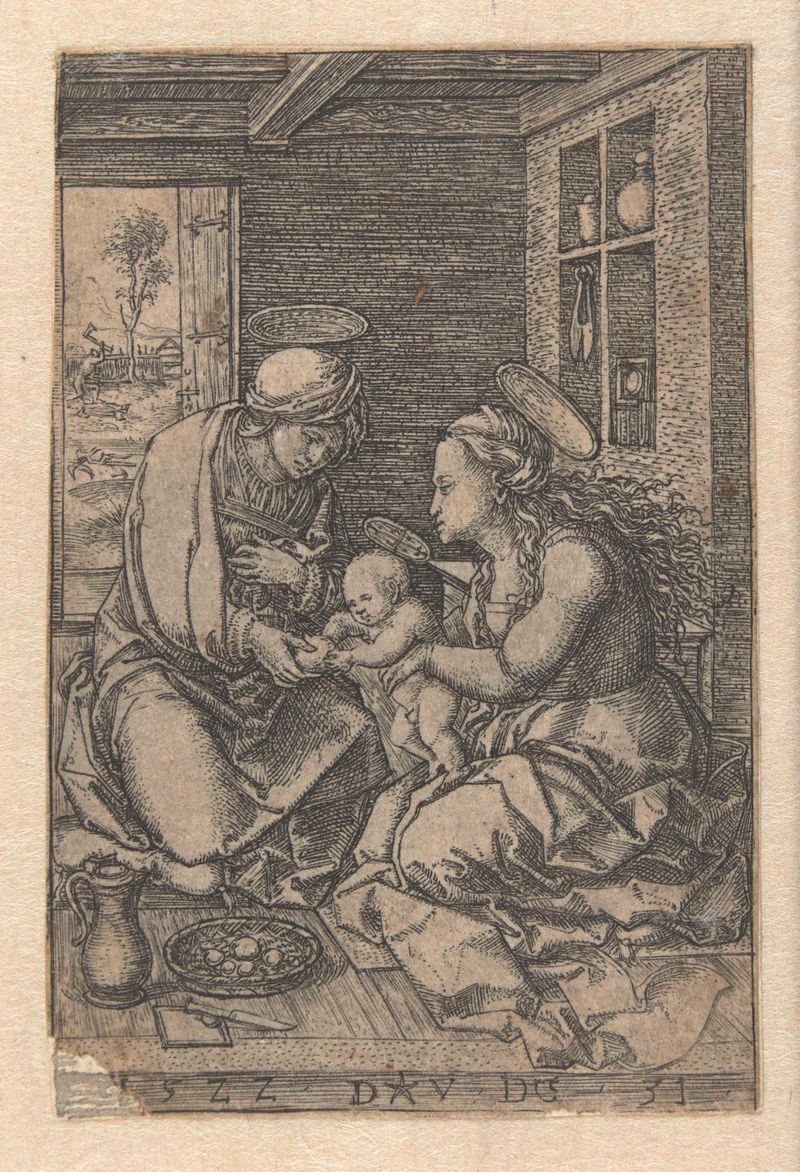
Maria met kind en heilige Anna
Dirck Vellert
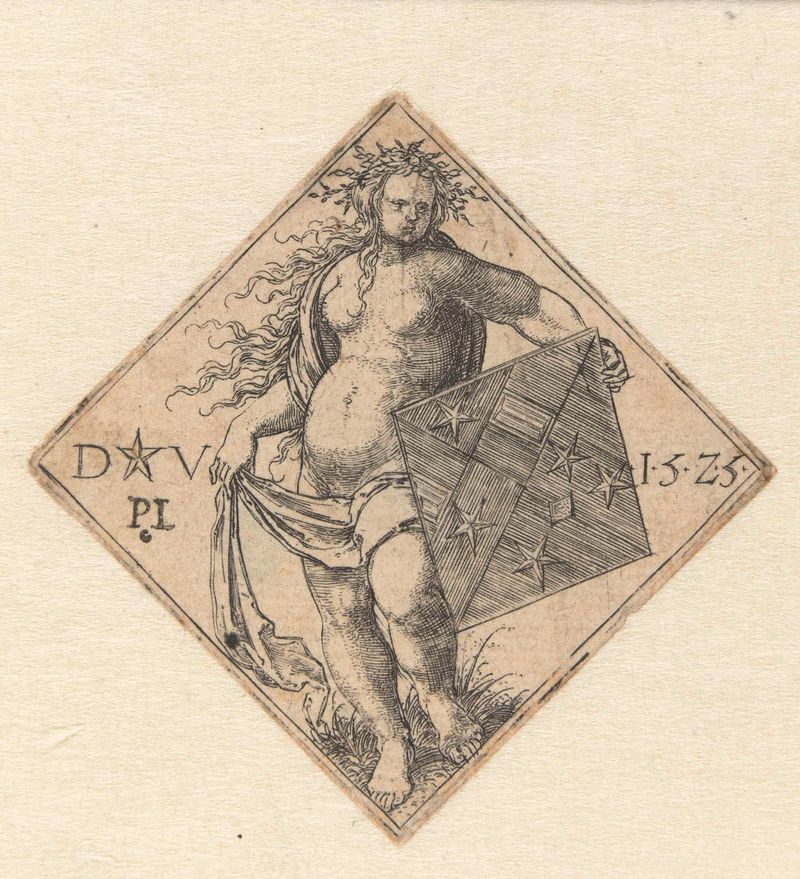
Naakte vrouw met wapenschild
Dirck Vellert
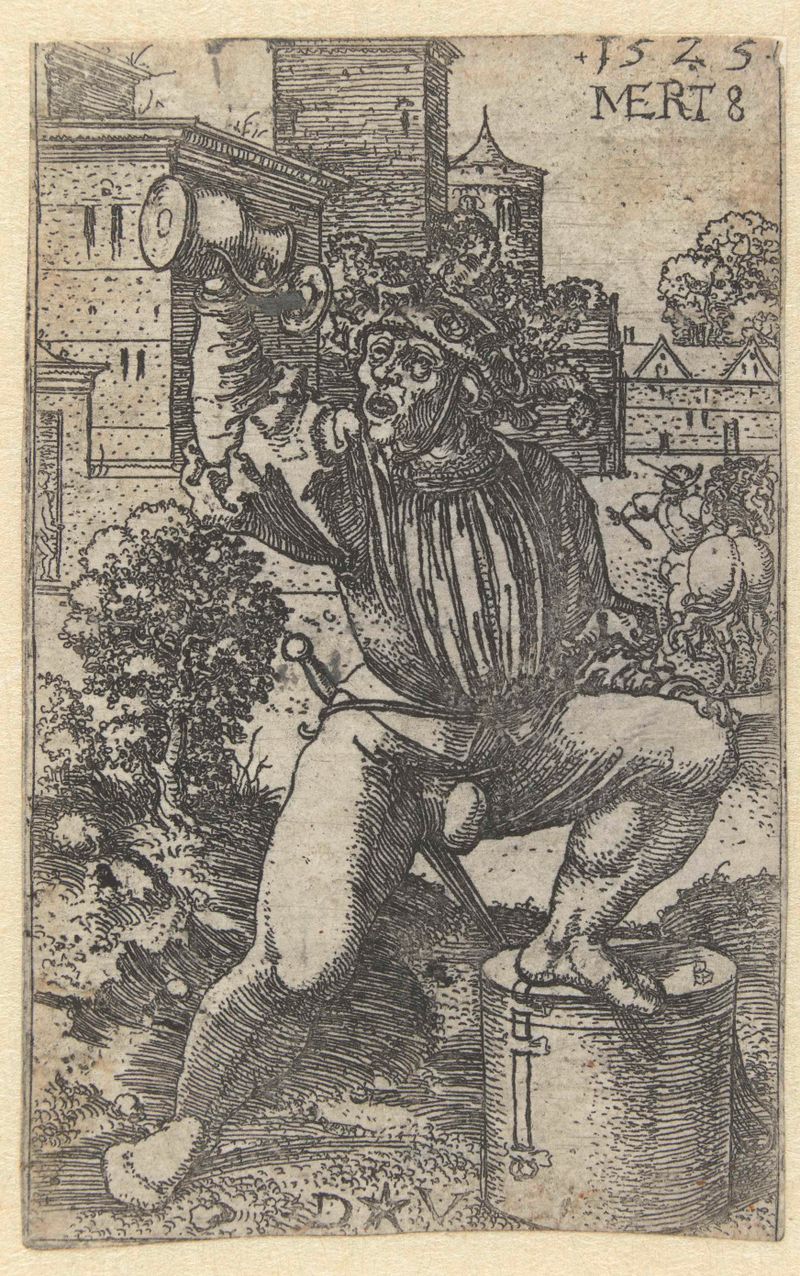
De dronken tamboer
Dirck Vellert

Eva en Kaïn
Dirck Vellert
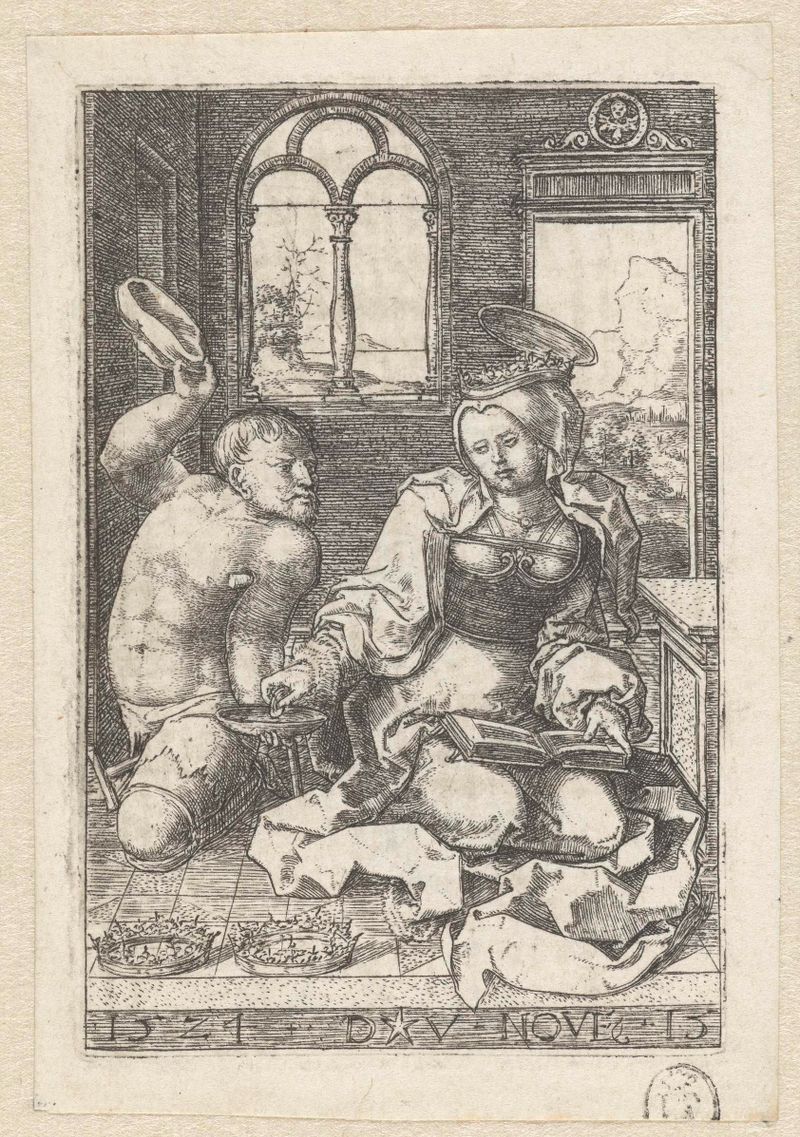
Heilige Elisabeth van Hongarije geeft een aalmoes aan een bedelaar op okselkrukken
Dirck Vellert
More Religious Art
Browse all →
The Return of the Prodigal Son
Rembrandt van Rijn

The Garden of Earthly Delights
El Bosco

Count Orgaz’ funeral
El Greco

The Hundred Guilder Print: the central piece with Christ preaching, the plate arched
Rembrandt van Rijn

The Descent from the Cross
Rogier van der Weyden

The return of the prodigal son
Rembrandt van Rijn