
The Flight into Egypt — History & Facts
In The Flight into Egypt, the weight of unspoken truths hangs in the air, inviting viewers to contemplate the layers of refuge and vulnerability. Look closely at the figures nestled beneath the enveloping trees. Notice how the gentle curves of Mary and the child are accentuated by the surrounding foliage, creating a protective cocoon against the chaos of the world. The soft interplay of light and shadow reveals their delicate expressions—an ethereal brightness contrasting with the darker tones of the landscape, evoking a sense of both serenity and foreboding. Delve into the details: the intricate folds of Mary’s garment, hinting at her status yet cloaked in humility, or the way the donkey, laden with their belongings, appears both steadfast and weary.
Every element echoes the tension between hope and despair, symbolizing the journey undertaken not just across a physical landscape, but through faith and uncertainty. The background, a distant view of an ancient city, serves as a reminder of both the past left behind and the dangers that lie ahead. Dirck Vellert painted this piece between 1532 and 1540, a time when religious tensions were rampant in Europe. Working in the Netherlands, Vellert was influenced by the emerging Protestant Reformation, which shifted personal piety into focus.
In this context, The Flight into Egypt reflects not only a biblical story but a resonance of contemporary struggles—capturing the fragility of faith amidst adversity and the need for sanctuary in a tumultuous world.
More Artworks by Dirck Vellert
Browse all →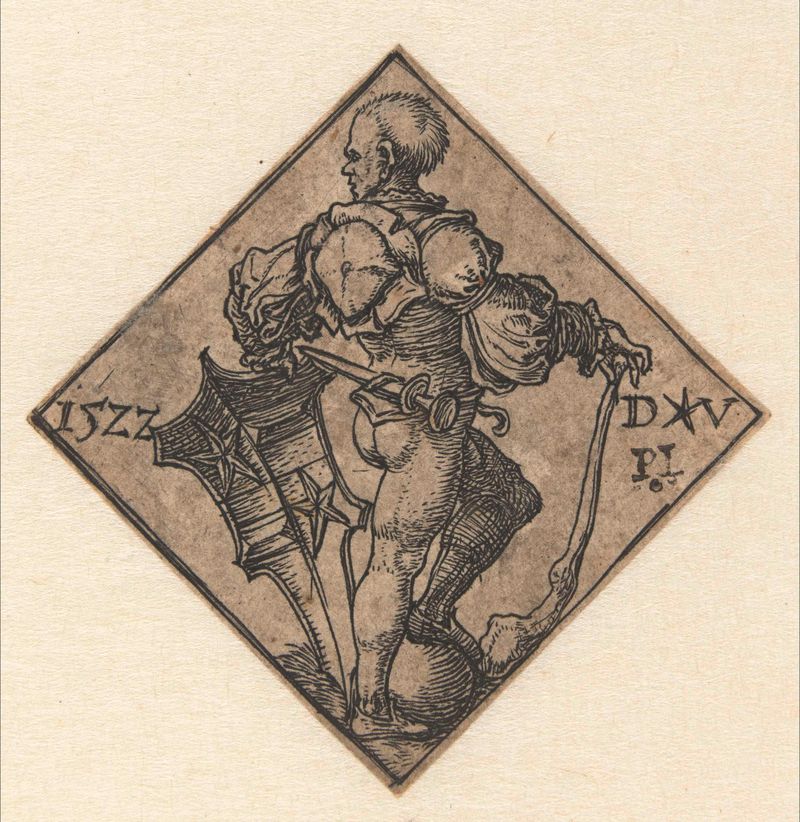
Soldaat met wapenschild
Dirck Vellert

Christus en de Samaritaanse vrouw
Dirck Vellert
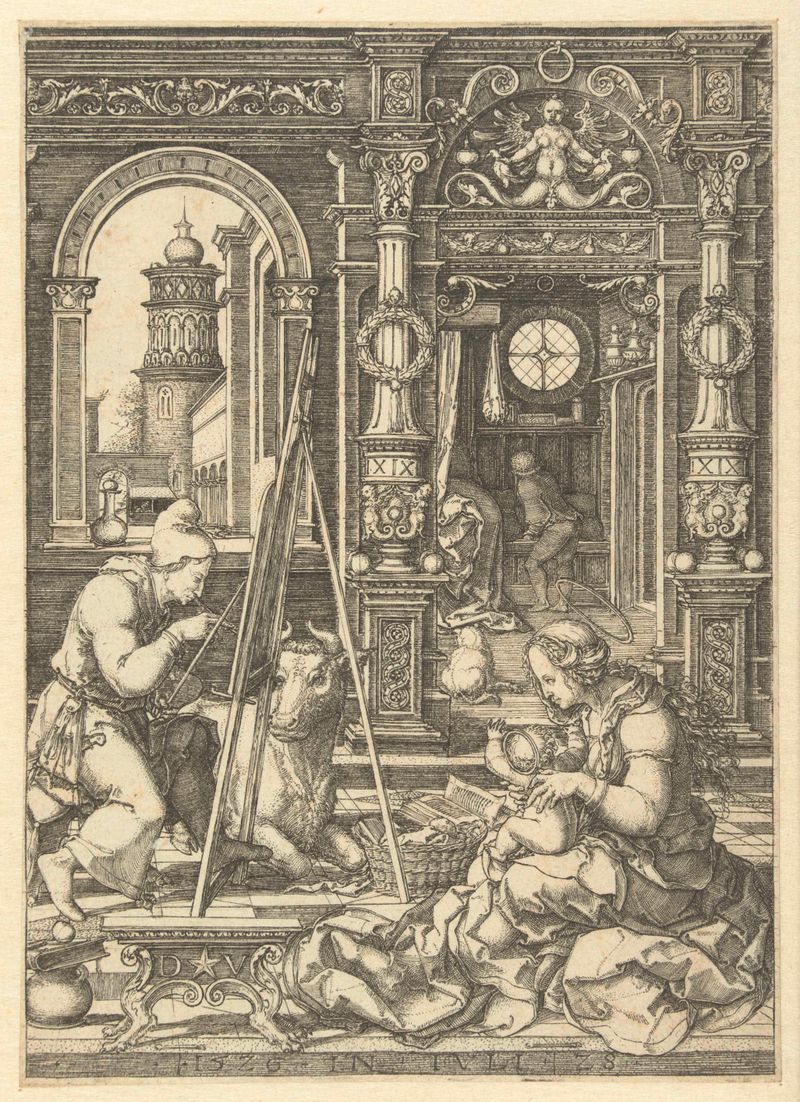
Heilige Lucas schildert Madonna met kind
Dirck Vellert

Faun
Dirck Vellert
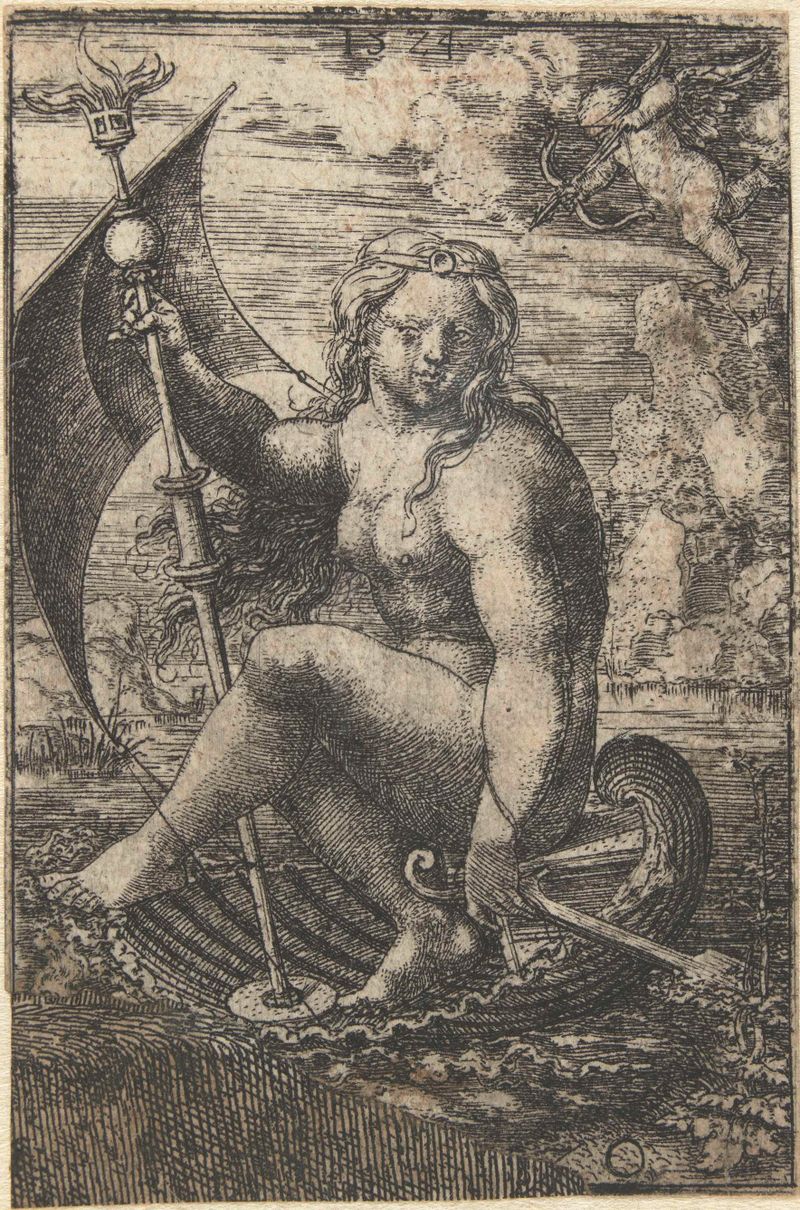
Venus zeilend in een schelp
Dirck Vellert
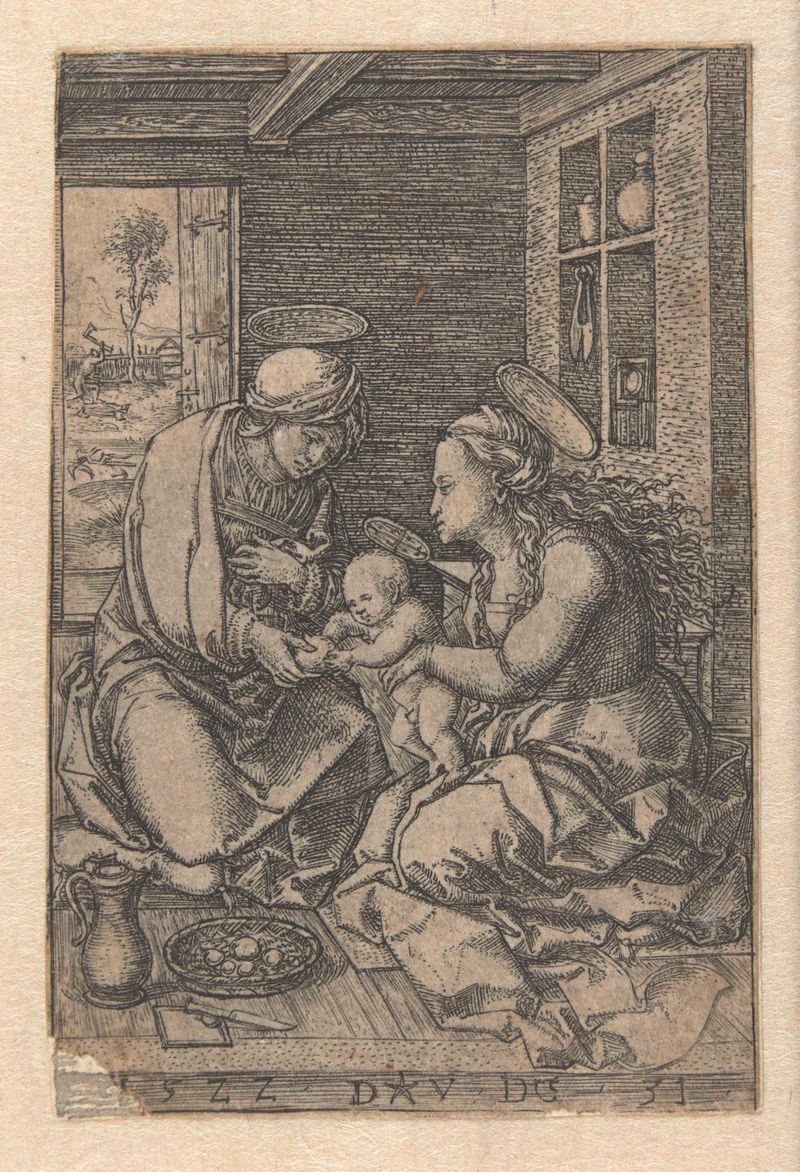
Maria met kind en heilige Anna
Dirck Vellert
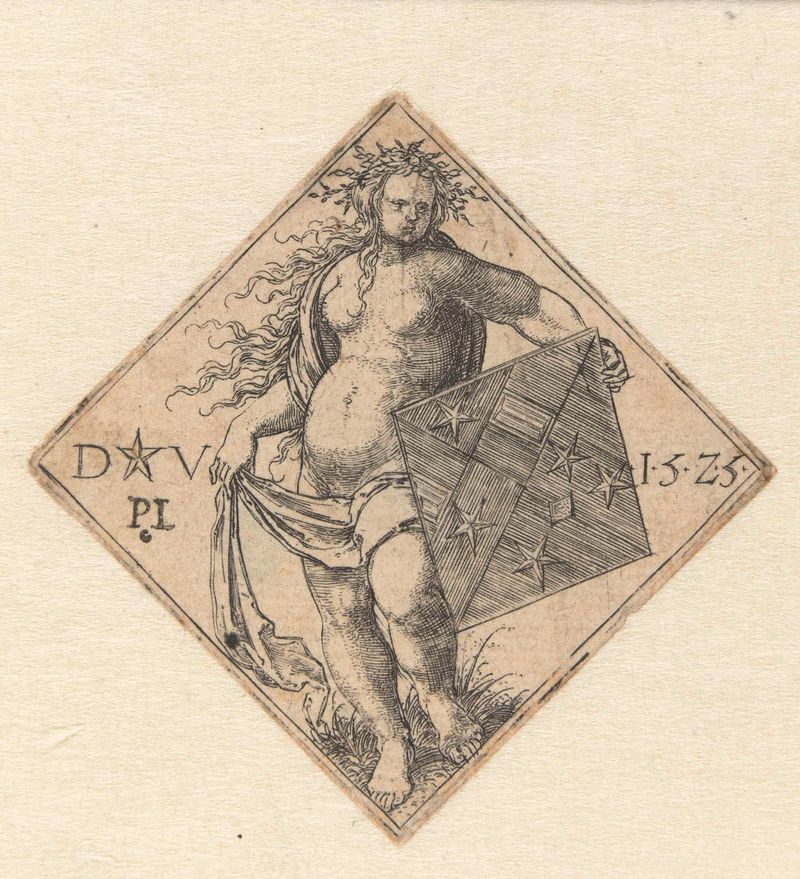
Naakte vrouw met wapenschild
Dirck Vellert
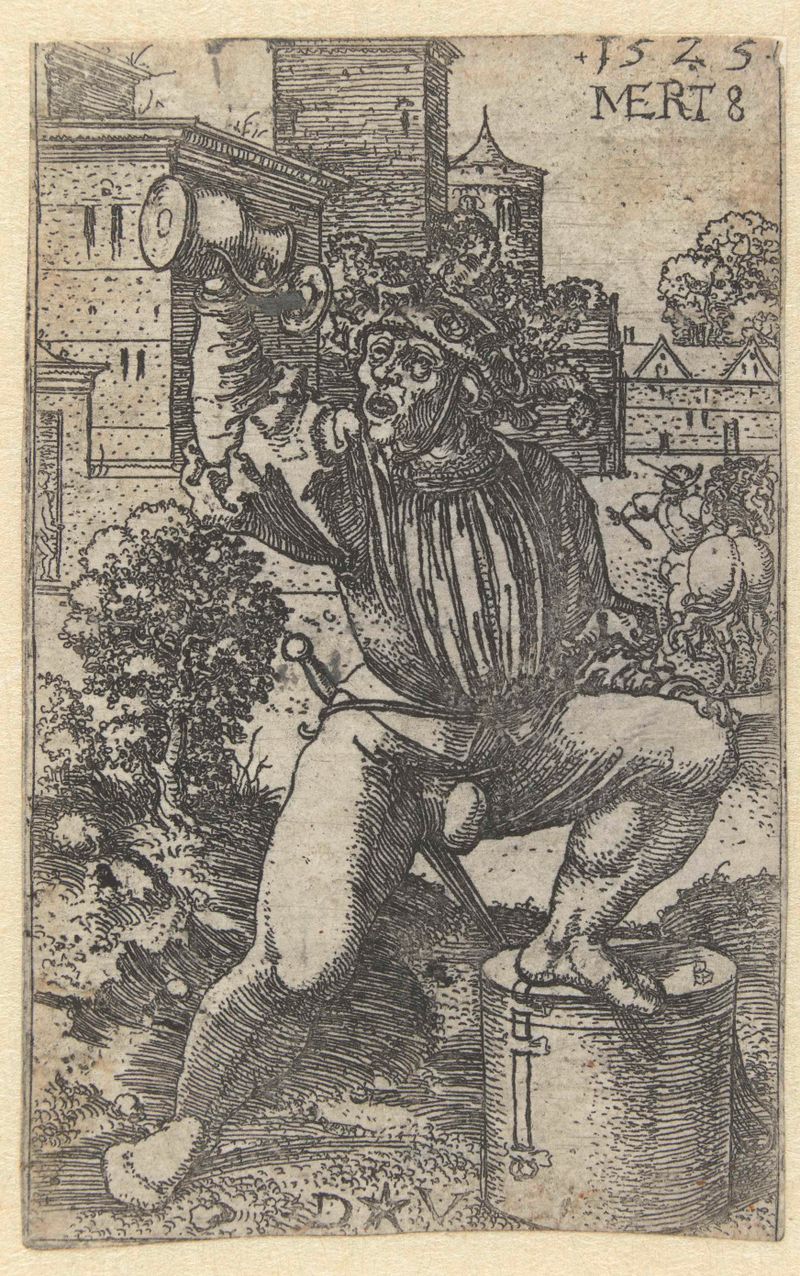
De dronken tamboer
Dirck Vellert

Eva en Kaïn
Dirck Vellert
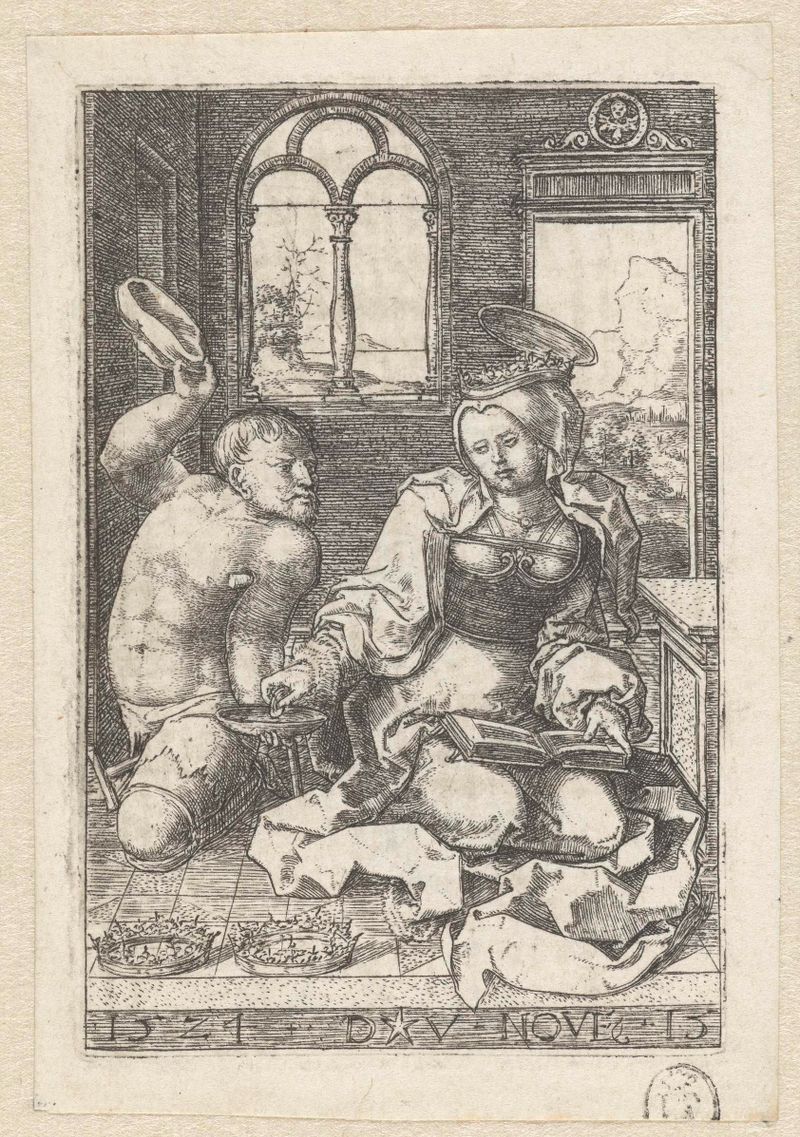
Heilige Elisabeth van Hongarije geeft een aalmoes aan een bedelaar op okselkrukken
Dirck Vellert
More Religious Art
Browse all →
The Return of the Prodigal Son
Rembrandt van Rijn

The Garden of Earthly Delights
El Bosco

Count Orgaz’ funeral
El Greco

The Hundred Guilder Print: the central piece with Christ preaching, the plate arched
Rembrandt van Rijn

The Descent from the Cross
Rogier van der Weyden

The return of the prodigal son
Rembrandt van Rijn