
Maria met kind en heilige Anna — History & Facts
The whispers of betrayal linger in the air, as the figures in this piece seem to silently confront their truths. In the world of art, moments of vulnerability reveal the deepest secrets, and this artwork encapsulates that sentiment beautifully. Look to the center where Mary cradles the child, their intimate connection radiating warmth amidst the cooler hues that surround them. Notice how the delicate folds of their garments, rendered with meticulous attention, create a sense of softness, contrasting against the stern gaze of Saint Anne to the right.
The use of rich colors—deep reds and vibrant golds—draw the eye, while the subtle interplay of light and shadow casts an almost ethereal glow, emphasizing the emotional weight of the scene. Yet beyond the serene surface, tension brews. The positioning of the figures creates a triangle of relationships; the child, an innocent symbol, stands between the maternal love and the stern authority of the elder. This placement hints at the complexities of motherhood, intentions, and the unavoidable shadows of betrayal that can rise even in sacred bonds.
The expressions, though calm, betray a myriad of untold stories—of love mingled with sacrifice, of trust tinged with fear. In 1522, Vellert crafted this piece during a time when the art world was transitioning, as humanism influenced both themes and techniques. Working in Flanders, his approach reflected the burgeoning Northern Renaissance, a movement that strived for emotional depth and realism. The era was marked by significant religious fervor and upheaval, which may have informed the artist’s exploration of faith, family, and the nuanced tensions that accompany them.
More Artworks by Dirck Vellert
Browse all →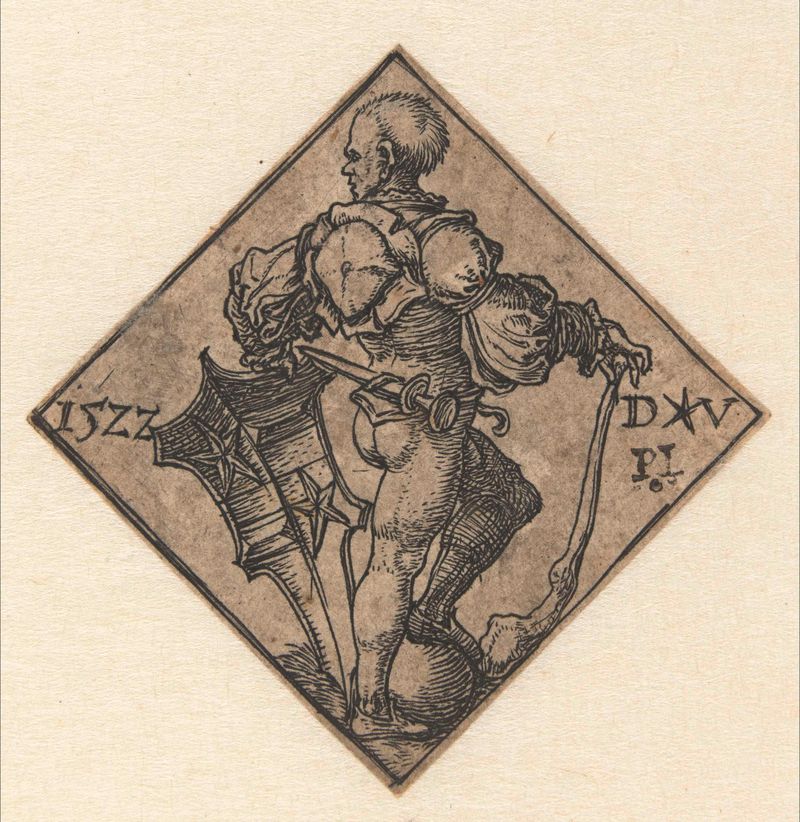
Soldaat met wapenschild
Dirck Vellert

Christus en de Samaritaanse vrouw
Dirck Vellert
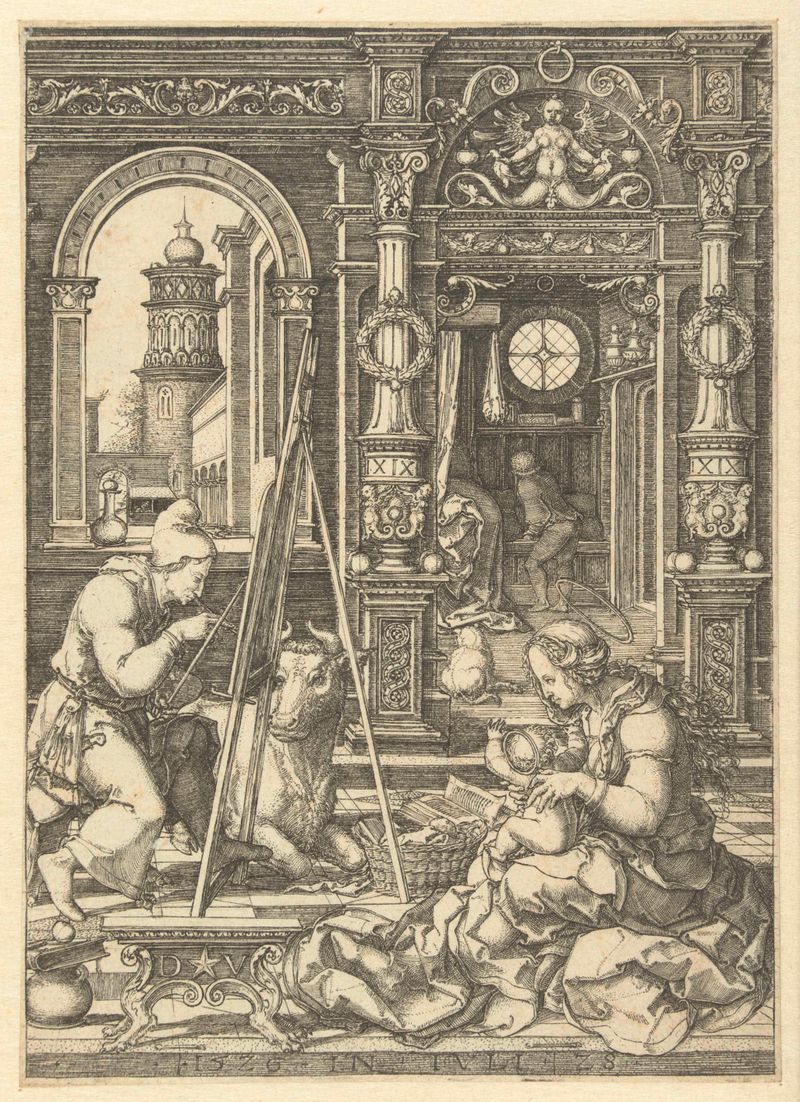
Heilige Lucas schildert Madonna met kind
Dirck Vellert

The Flight into Egypt
Dirck Vellert

Faun
Dirck Vellert
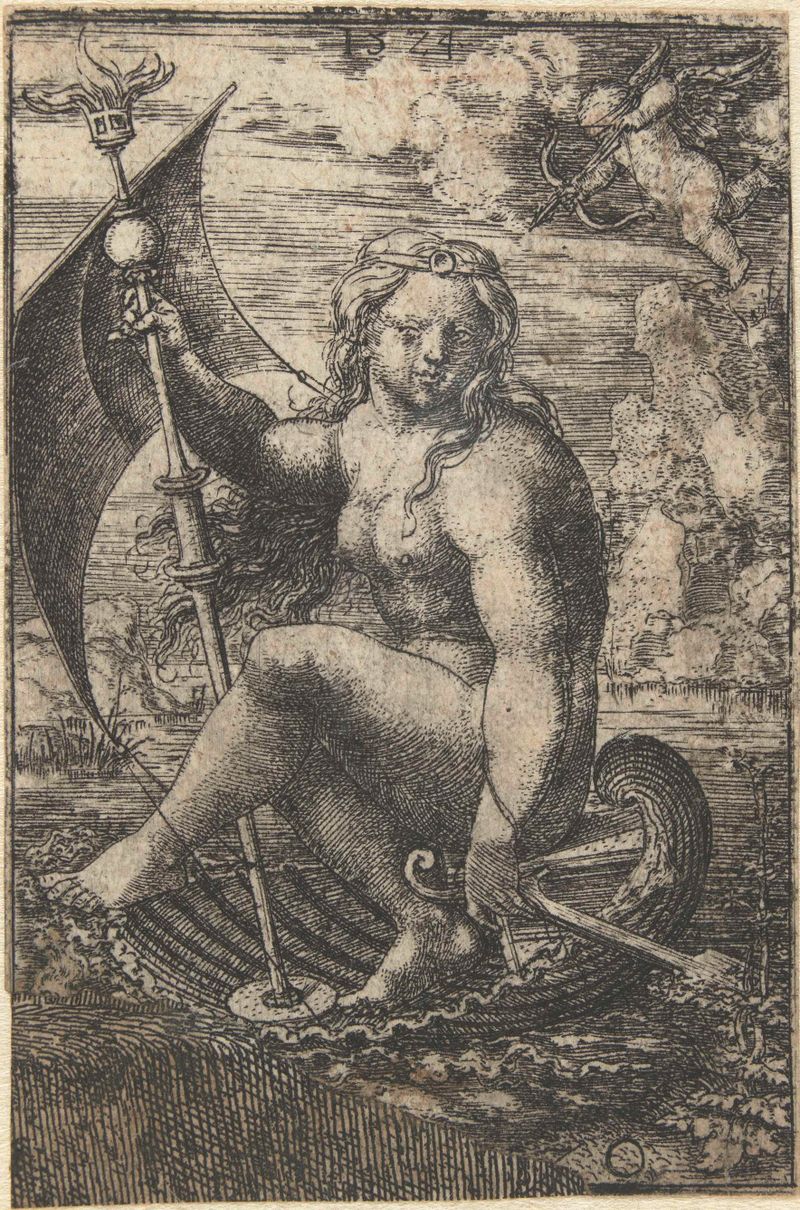
Venus zeilend in een schelp
Dirck Vellert
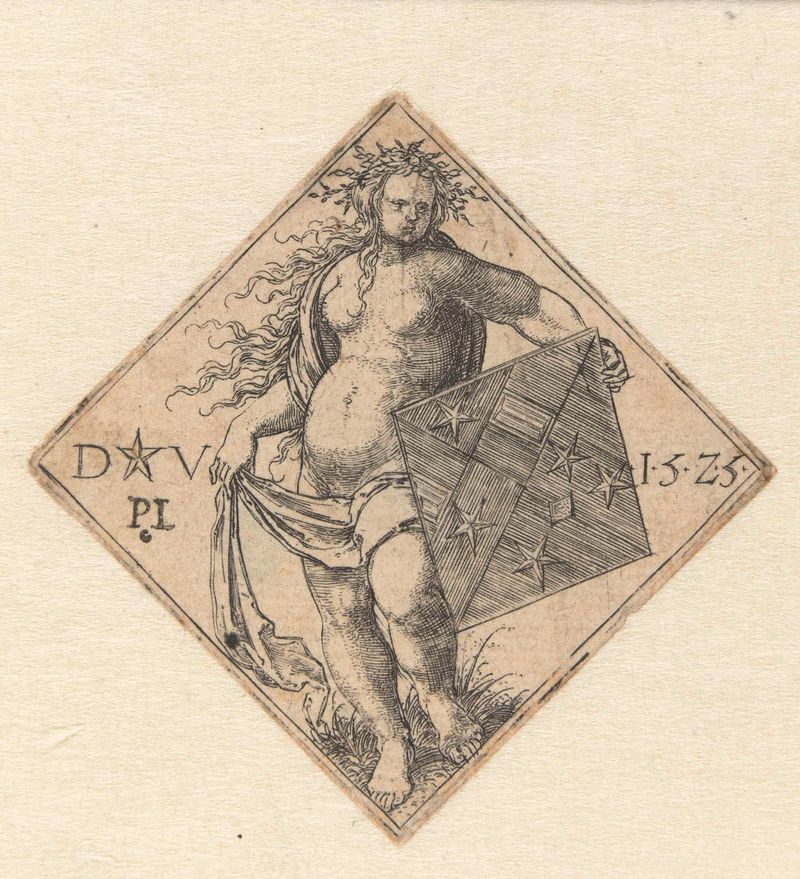
Naakte vrouw met wapenschild
Dirck Vellert
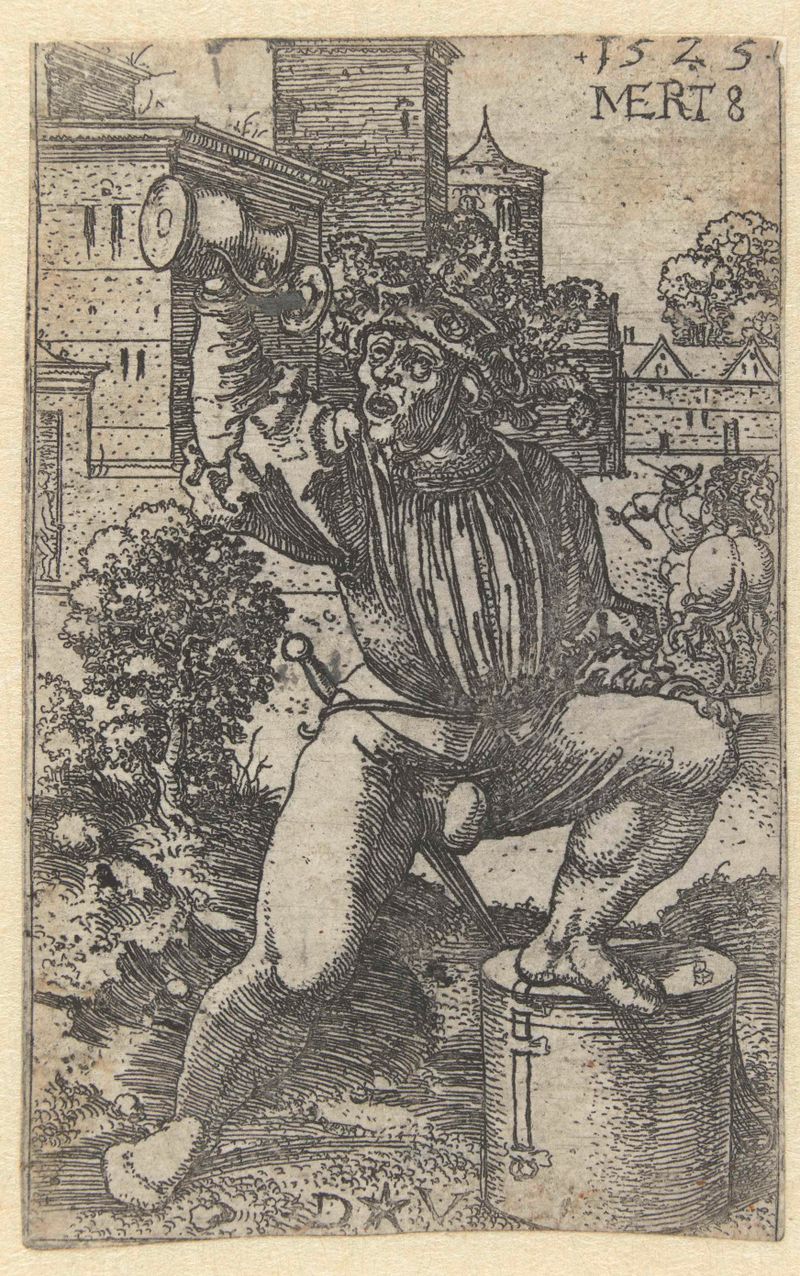
De dronken tamboer
Dirck Vellert

Eva en Kaïn
Dirck Vellert
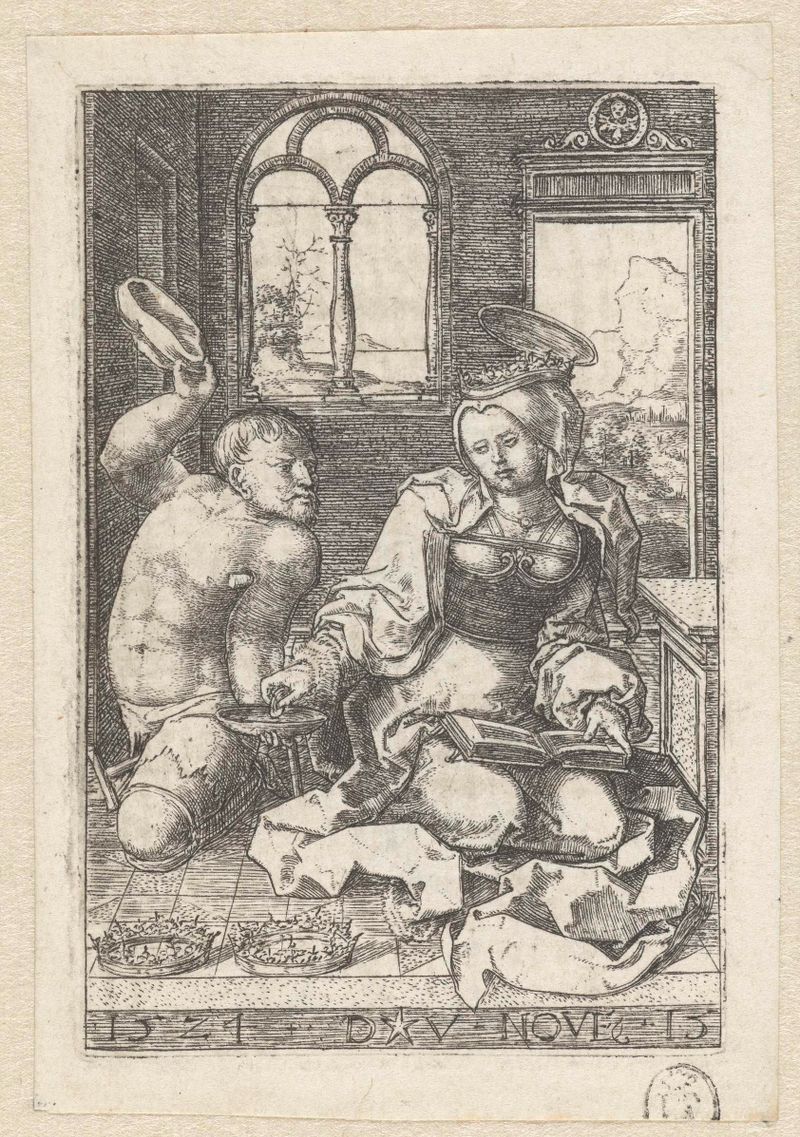
Heilige Elisabeth van Hongarije geeft een aalmoes aan een bedelaar op okselkrukken
Dirck Vellert
More Religious Art
Browse all →
The Return of the Prodigal Son
Rembrandt van Rijn

The Garden of Earthly Delights
El Bosco

Count Orgaz’ funeral
El Greco

The Hundred Guilder Print: the central piece with Christ preaching, the plate arched
Rembrandt van Rijn

The Descent from the Cross
Rogier van der Weyden

The return of the prodigal son
Rembrandt van Rijn