
Eva en Kaïn — History & Facts
In the stillness of a moment captured, betrayal hangs heavy in the air, a palpable tension between figures who seem to converse without words. The brush strokes whisper secrets, urging viewers to peer deeper into the layers of emotion that reside within the confines of the frame. Look to the left, where Eva’s figure stands poised in delicate attire, her gaze a lingering question suspended in time. The subtle play of light dances across her pale skin, illuminating the tension in her expression and drawing attention to the faint tremor in her outstretched hand.
Shift your focus to Kaïn, whose dark clothing contrasts starkly with the soft hues surrounding Eva, amplifying the sense of impending conflict. The rich, muted colors envelop the scene, enhancing the gravity of their interaction as shadows cling to the edges, hinting at darker undercurrents. Within this artwork lies a narrative of longing and betrayal intertwined. The contrast between light and dark serves as a metaphor for innocence lost and the choices that lead to irrevocable change.
Eva’s uncertain posture reflects inner turmoil, while Kaïn’s resolute stance hints at a man grappling with his darker impulses. The distance between them, both physical and emotional, underscores the rift that betrayal can create, leaving the viewer questioning what came before this moment and what will follow. In 1522, Vellert painted this work during a time when Northern Renaissance art was flourishing, marked by intricate detail and emotional depth. Living in the vibrant artistic hub of the Netherlands, he was influenced by the humanist ideas of the time, which emphasized individual emotion and moral complexity.
This piece, while steeped in biblical allegory, reveals the artist's exploration of human relationships and the frailty of trust amidst a rapidly changing world.
More Artworks by Dirck Vellert
Browse all →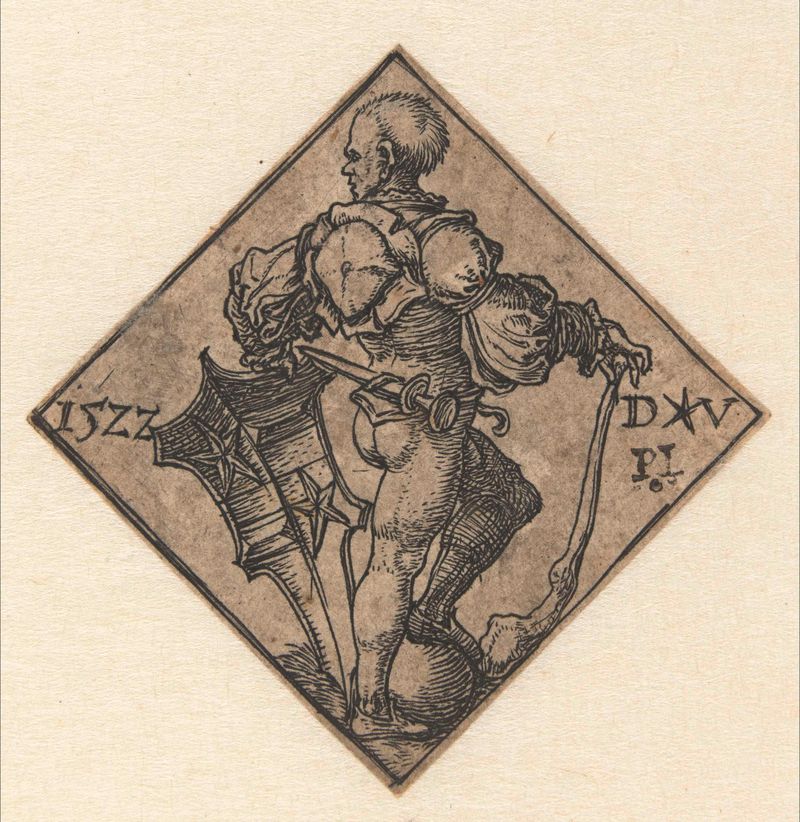
Soldaat met wapenschild
Dirck Vellert

Christus en de Samaritaanse vrouw
Dirck Vellert
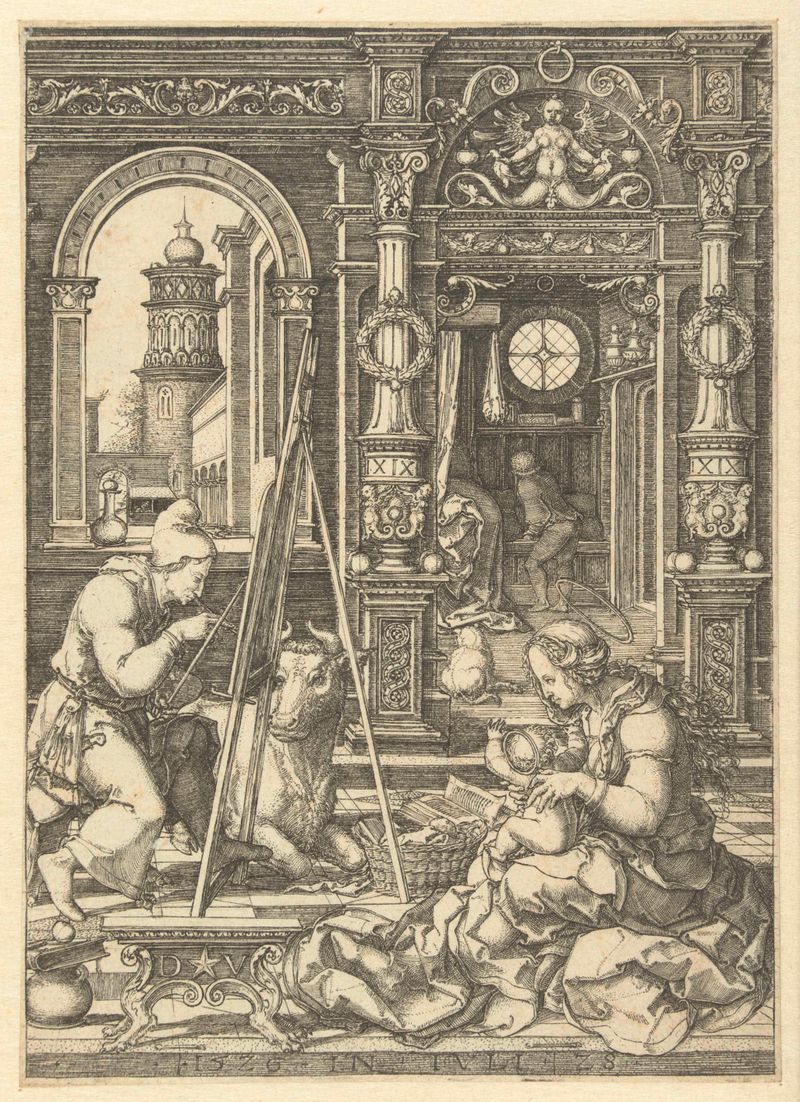
Heilige Lucas schildert Madonna met kind
Dirck Vellert

The Flight into Egypt
Dirck Vellert

Faun
Dirck Vellert
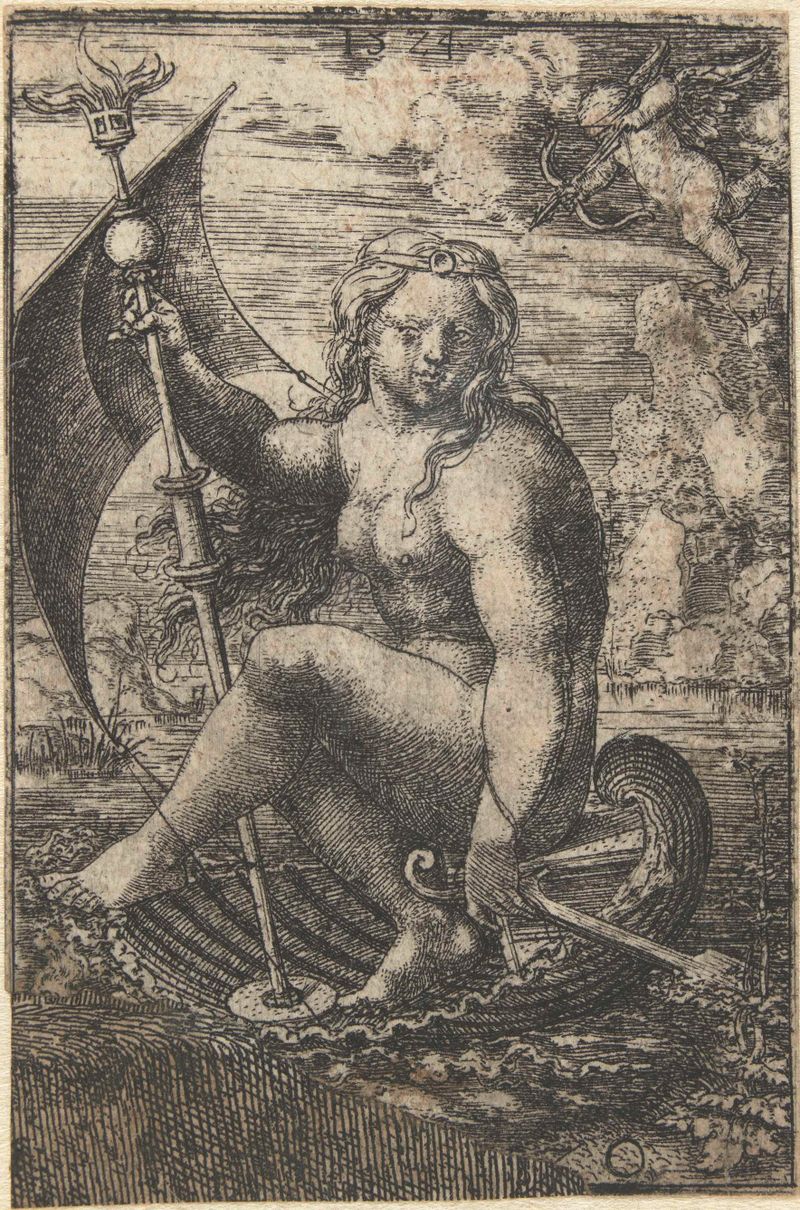
Venus zeilend in een schelp
Dirck Vellert
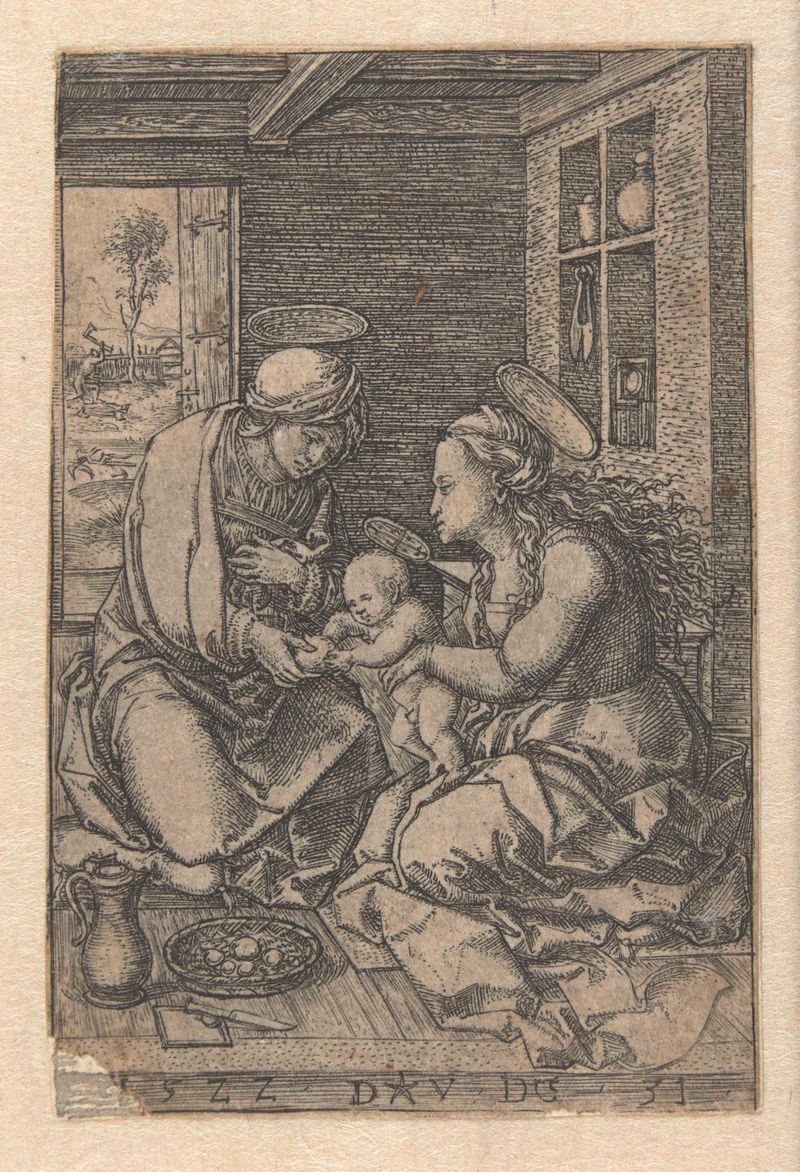
Maria met kind en heilige Anna
Dirck Vellert
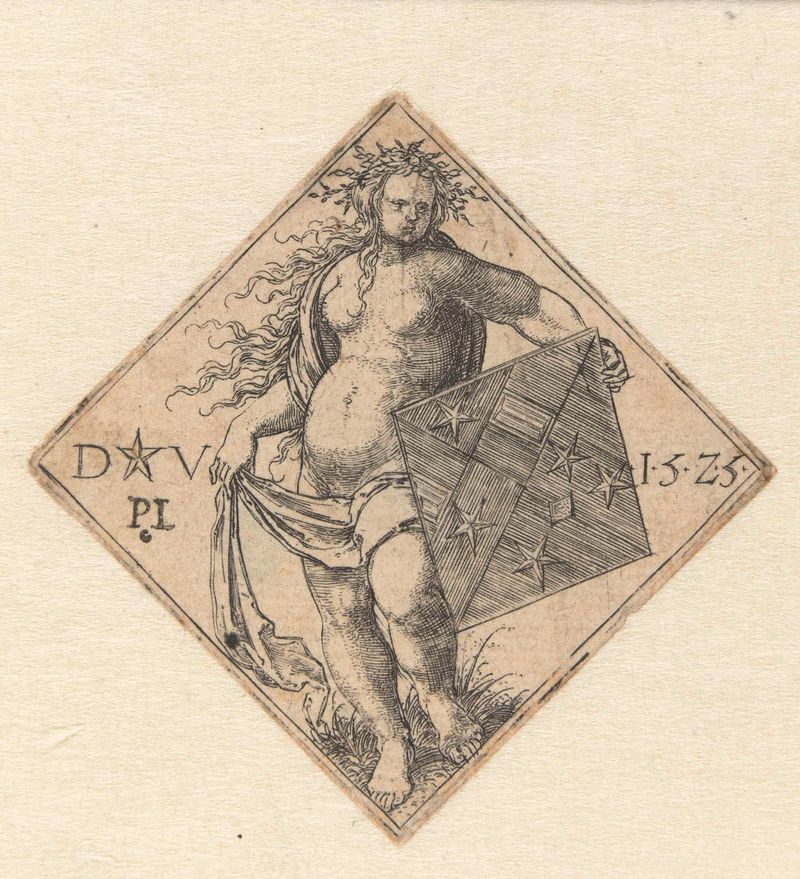
Naakte vrouw met wapenschild
Dirck Vellert
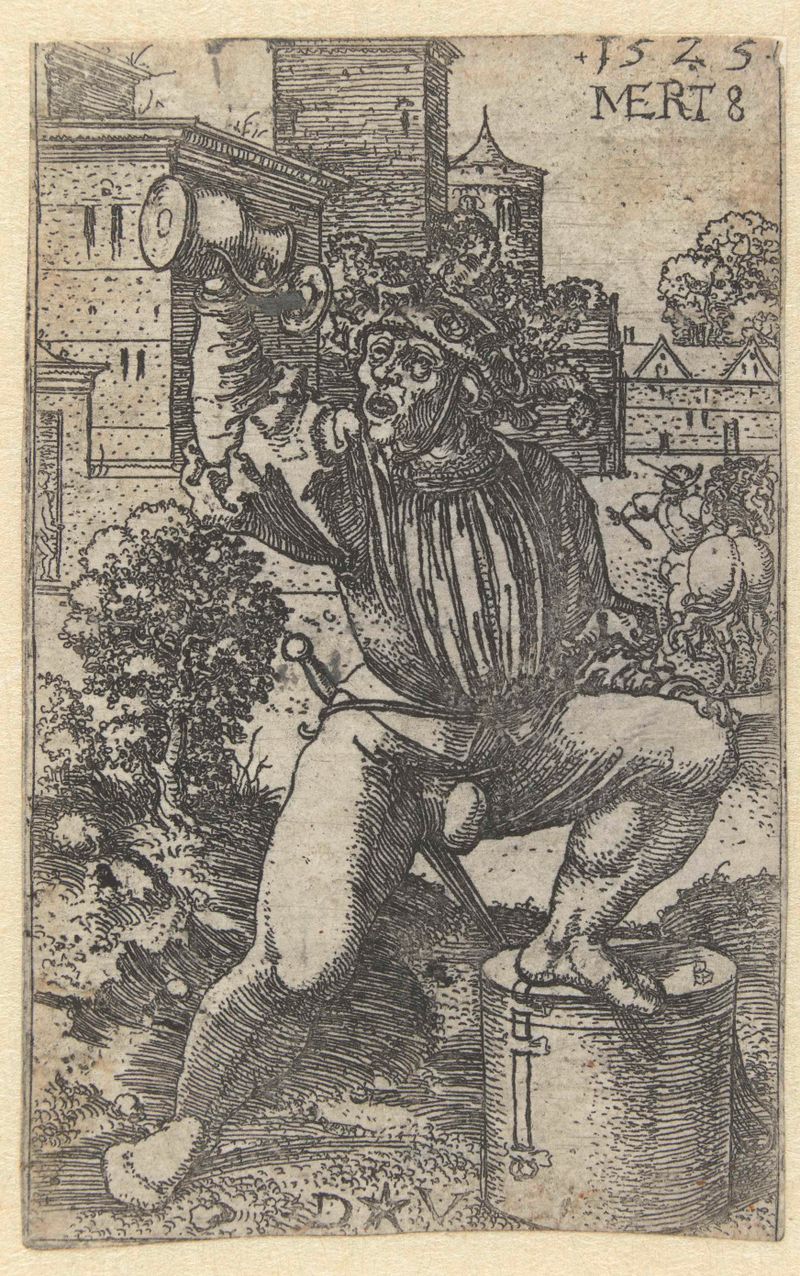
De dronken tamboer
Dirck Vellert
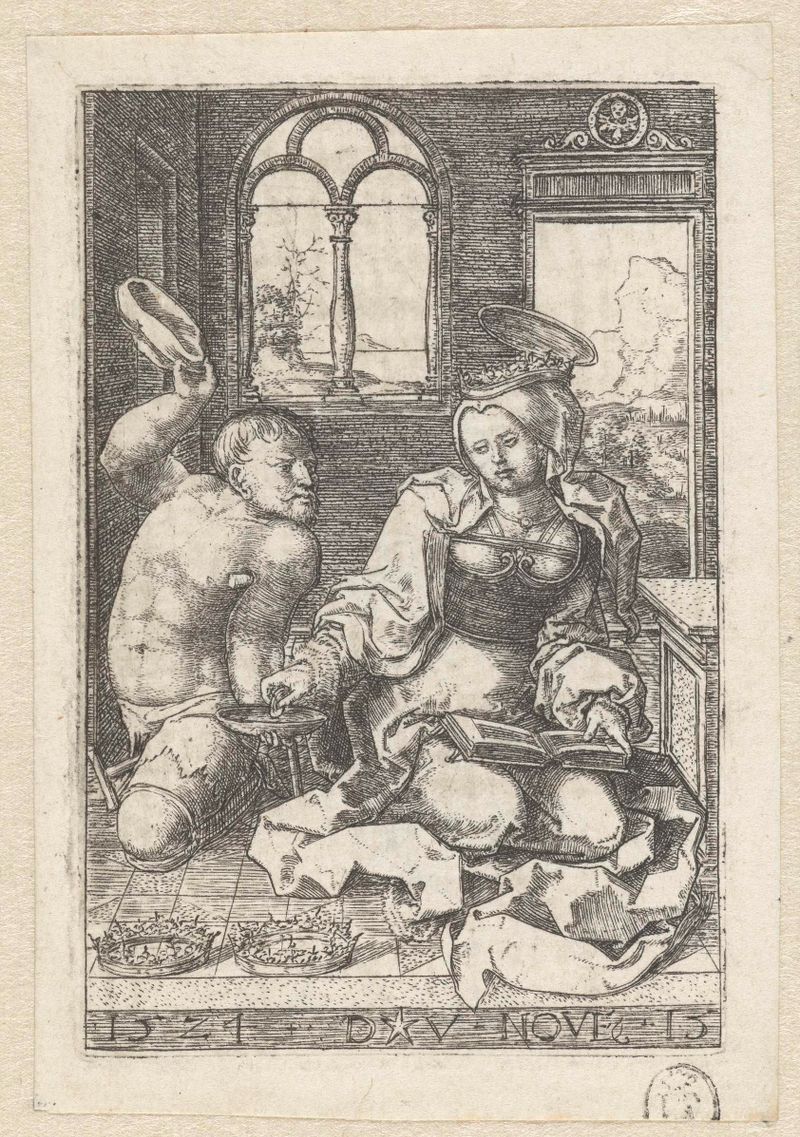
Heilige Elisabeth van Hongarije geeft een aalmoes aan een bedelaar op okselkrukken
Dirck Vellert





