
Soldaat met wapenschild — History & Facts
Where does light end, and longing begin? In Soldaat met wapenschild, the interplay between illumination and shadow evokes a deep sense of violence lurking beneath the surface of honor and duty. Look to the left at the soldier’s stern gaze, an unwavering testament to his resolve. His elaborate armor catches the light, reflecting hues of gold and silver that contrast starkly with the deep, muted greens of his surroundings. The carefully rendered details of the shield, emblazoned with a heraldic emblem, draw the eye, while the dimensionality of the figure suggests a looming presence.
Each brushstroke reveals the meticulous craftsmanship of the artist, whose deft technique captures not only the physicality of the soldier but also the psychological weight carried within the portrait. Within this striking composition lies an unsettling tension between valor and violence. The soldier's expression hints at a complex narrative—his commitment to duty perhaps masking a deeper inner turmoil. The shield, symbolic of protection, doubles as a façade, suggesting that beneath the surface of nobility lies the potential for conflict.
The juxtaposition between the ornate decoration of his armor and the rugged reality of warfare speaks volumes about the duality of man—the honor of the soldier intertwined with the brutality of his reality. Dirck Vellert painted this piece in 1522 during a time when Europe was rife with political and social upheaval. As the Renaissance flourished, artists began to explore themes of human experience and emotion, moving beyond purely religious motifs. Vellert, working in the Northern Renaissance style, captured not only the surface beauty of his subjects but also the profound psychological complexities of their lives, making this work a poignant reflection of his era.
More Artworks by Dirck Vellert
Browse all →
Christus en de Samaritaanse vrouw
Dirck Vellert
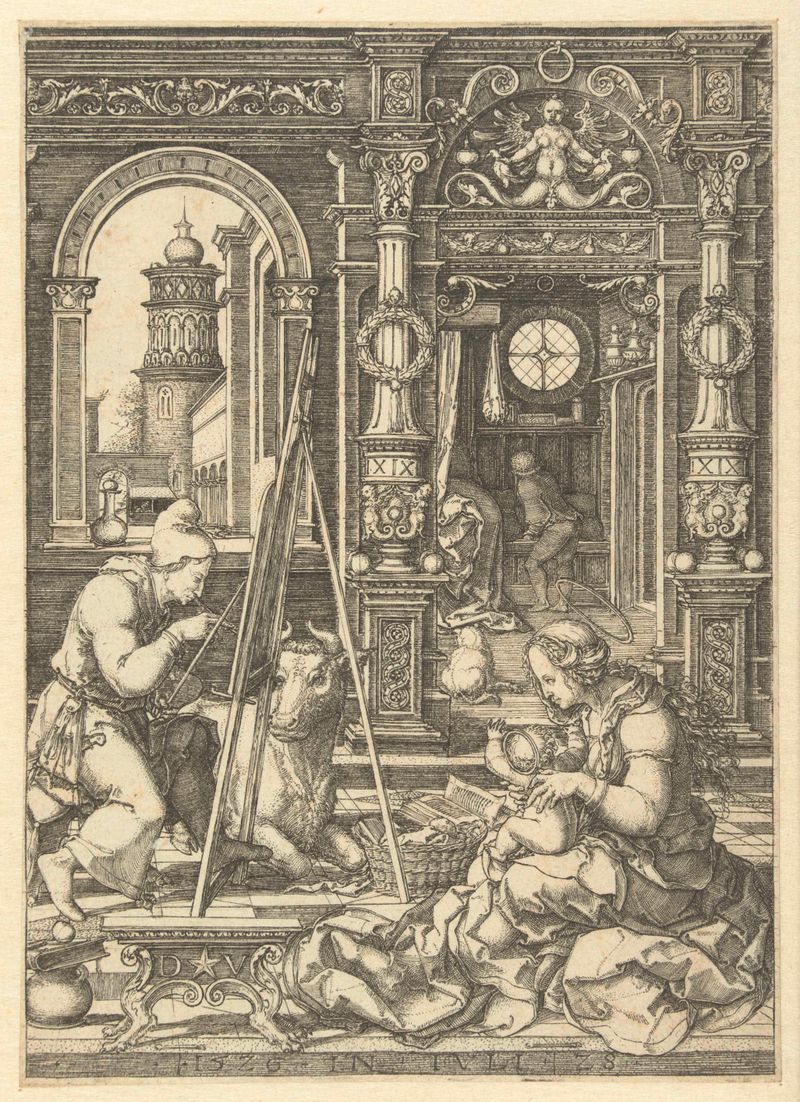
Heilige Lucas schildert Madonna met kind
Dirck Vellert

The Flight into Egypt
Dirck Vellert

Faun
Dirck Vellert
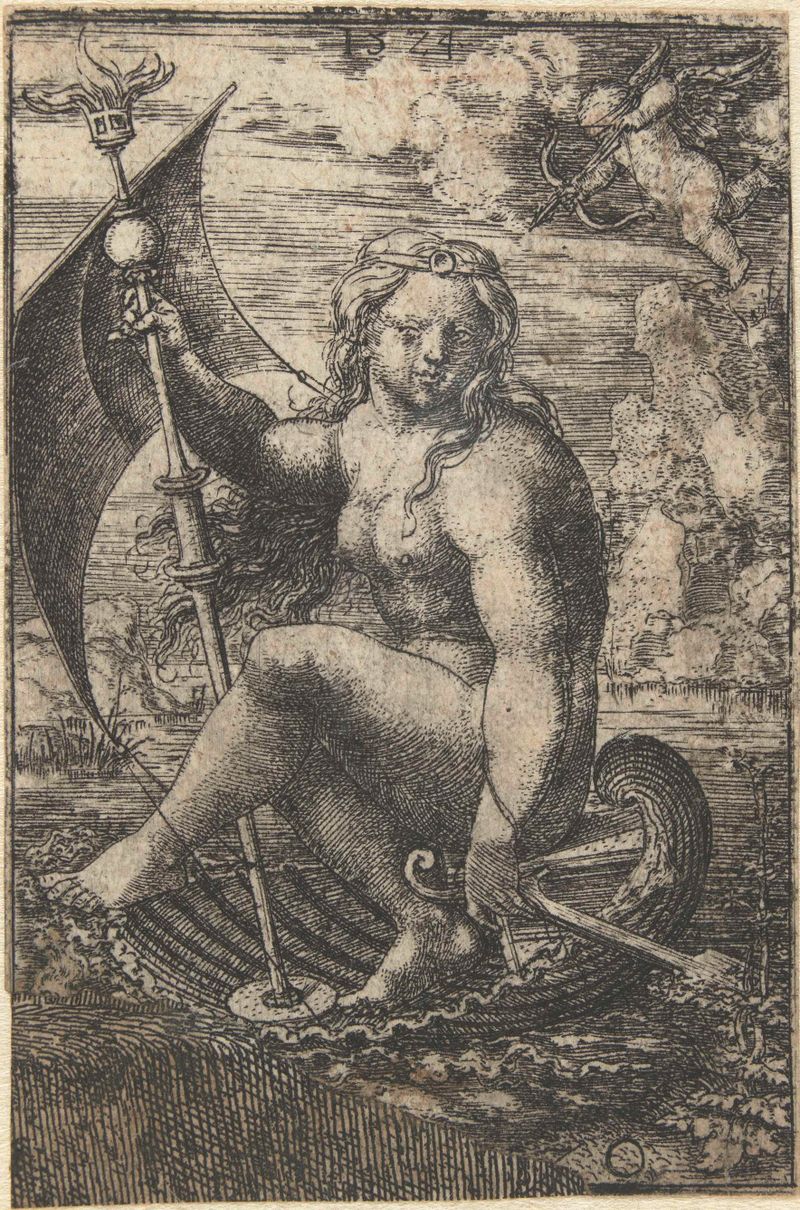
Venus zeilend in een schelp
Dirck Vellert
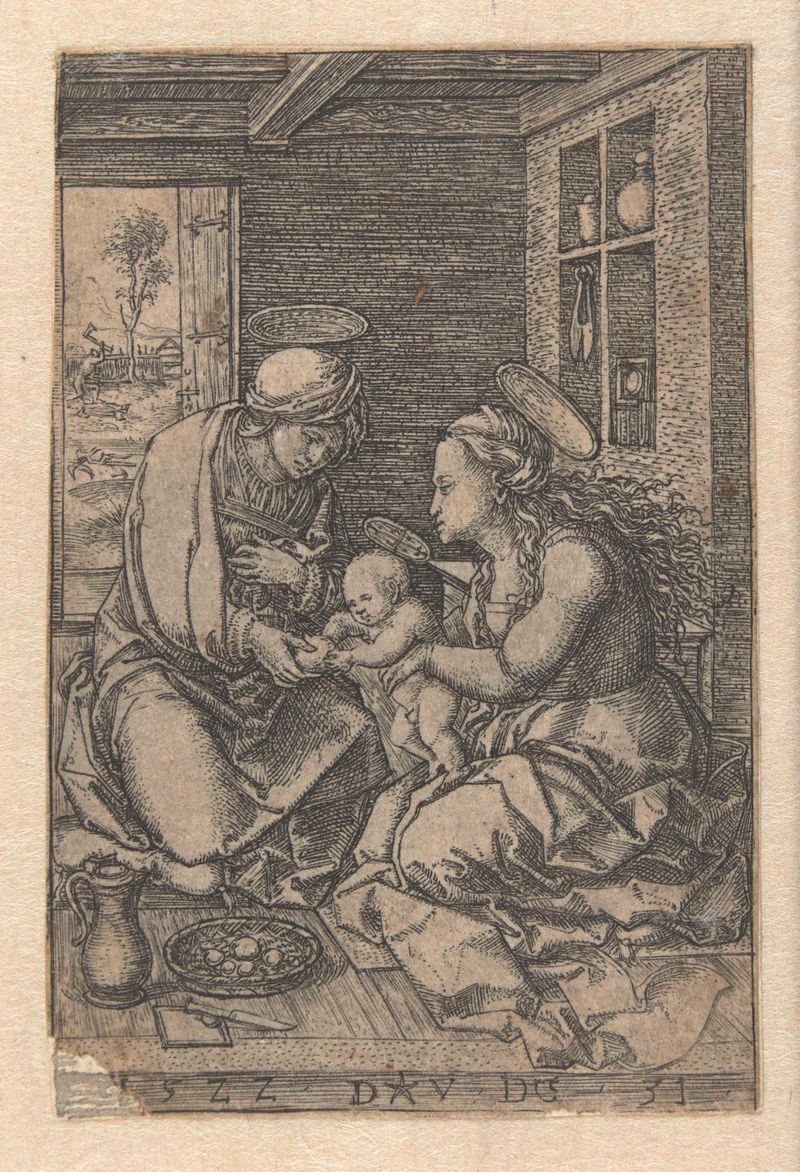
Maria met kind en heilige Anna
Dirck Vellert
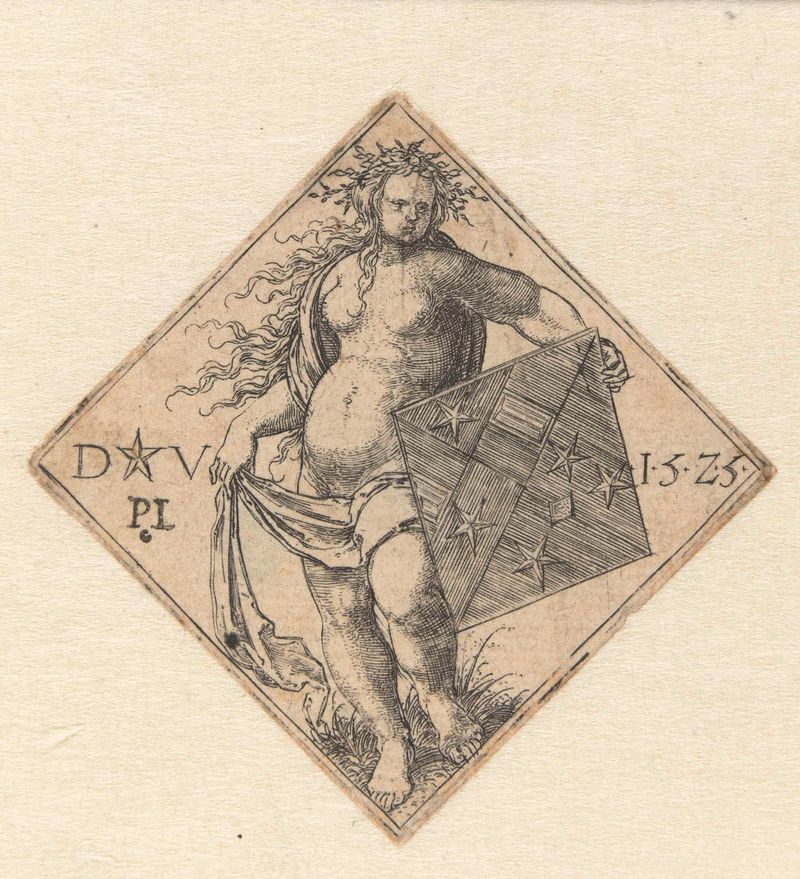
Naakte vrouw met wapenschild
Dirck Vellert
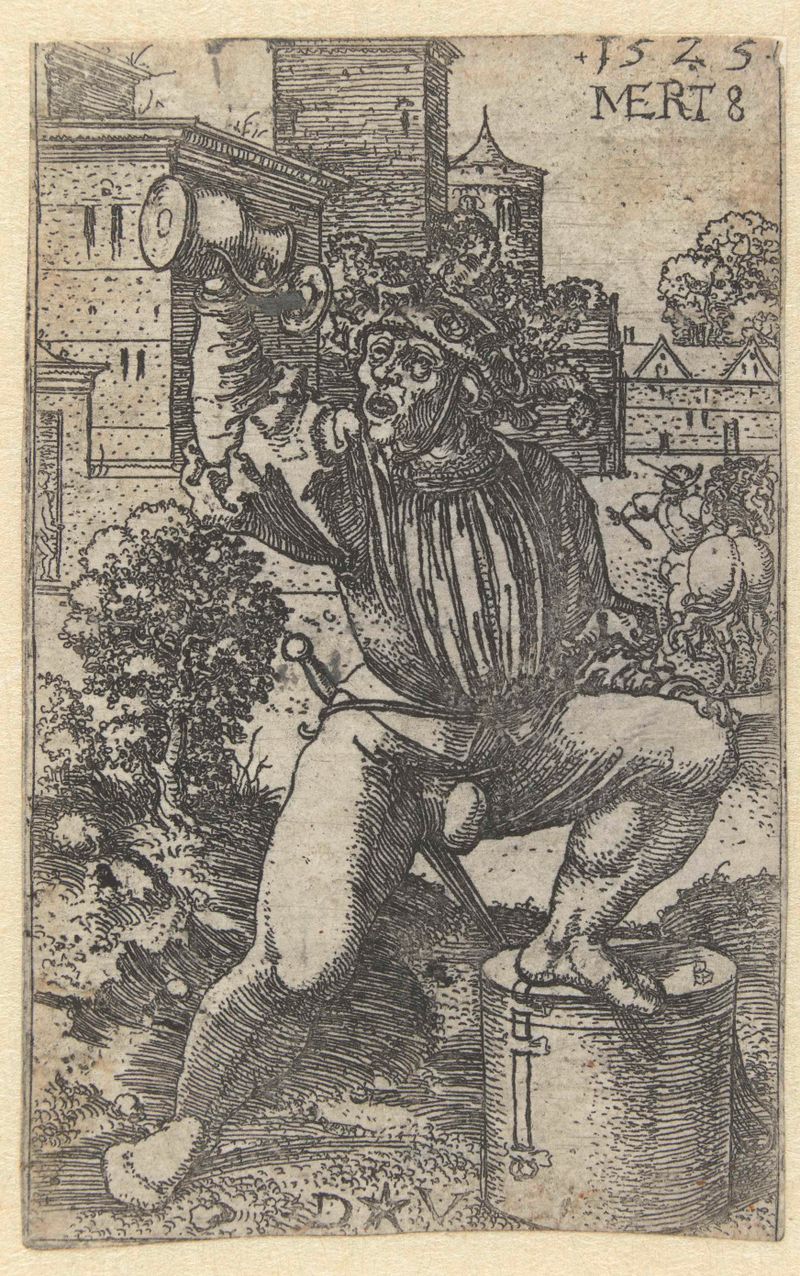
De dronken tamboer
Dirck Vellert

Eva en Kaïn
Dirck Vellert
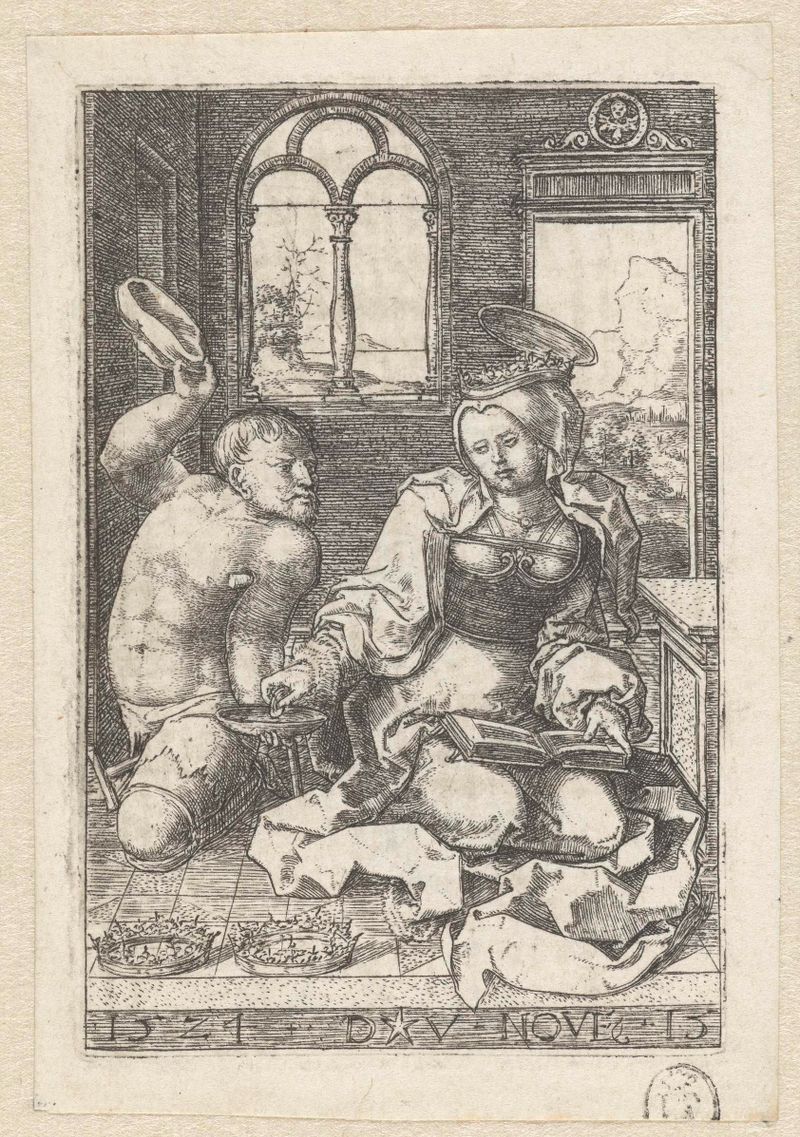
Heilige Elisabeth van Hongarije geeft een aalmoes aan een bedelaar op okselkrukken
Dirck Vellert
More Historical Art
Browse all →
The Night Watch Militia Company of District II under the Command of Captain Frans Banninck Cocq
Rembrandt van Rijn

Lincoln Memorial
Henry Bacon

The Third of May 1808
Francisco de Goya

Isaac and Rebecca, Known as ‘The Jewish Bride’
Rembrandt van Rijn

The Charge of the Mamelukes (1814)
Francisco de Goya

De vier ruiters van de apocalyps
Albrecht Dürer