
De dronken tamboer — History & Facts
In a world where raw emotion meets artistic precision, transformation unfolds before our very eyes. Focus on the bold figure at center stage, a tambourine player whose exaggerated posture evokes both humor and pathos. Notice how the vivid reds and deep greens of his garb leap from the canvas, creating a striking contrast against the more muted background. The artist’s careful brushwork brings texture to the tambourine, suggesting both its weight and the exuberance of sound.
Each stroke enhances his unsteady stance, illustrating the fine line between revelry and disarray. Peering closer, one can see the sly, knowing smiles exchanged among the onlookers, hinting at the camaraderie born from indulgence. There’s a juxtaposition between the carefree spirit of the celebration and the underlying tension of excess, hinting at the consequences that often accompany such revelry. The tambourine, a symbol of joy, becomes a vessel for contemplation—a reminder that transformation can lead to both ecstasy and imbalance. Dirck Vellert created this work in 1525, during a period when Northern Renaissance art was flourishing, embracing both realism and the exploration of human emotions.
Living in the Low Countries, he was influenced by the vibrant culture surrounding him, where societal shifts and moral messages were often woven into artworks. This painting reflects not only his technical skill but also an awareness of the complexities of human nature during a transformative era in art history.
More Artworks by Dirck Vellert
Browse all →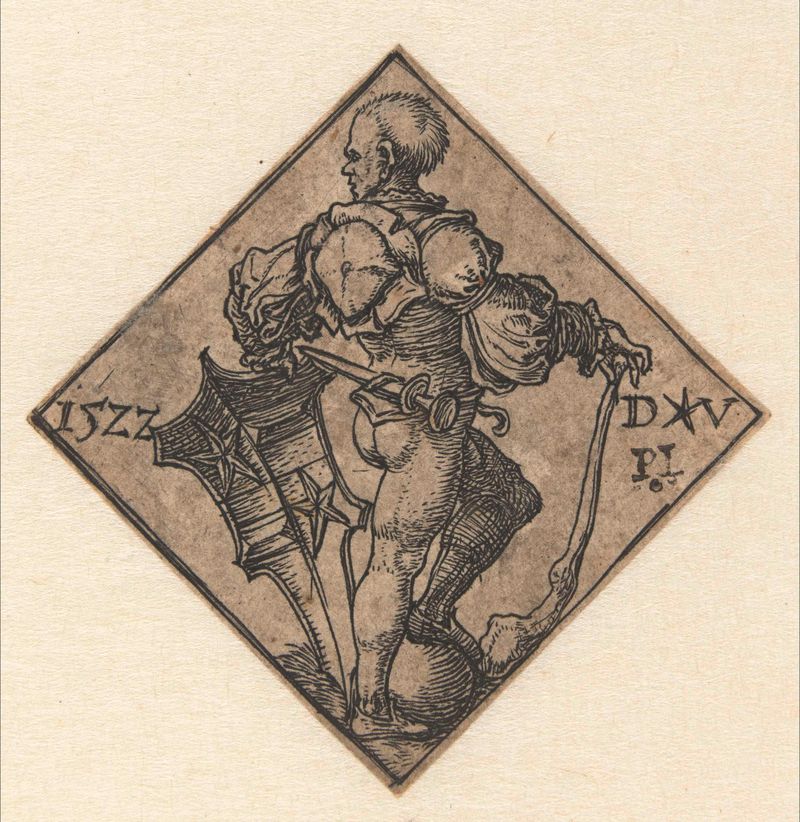
Soldaat met wapenschild
Dirck Vellert

Christus en de Samaritaanse vrouw
Dirck Vellert
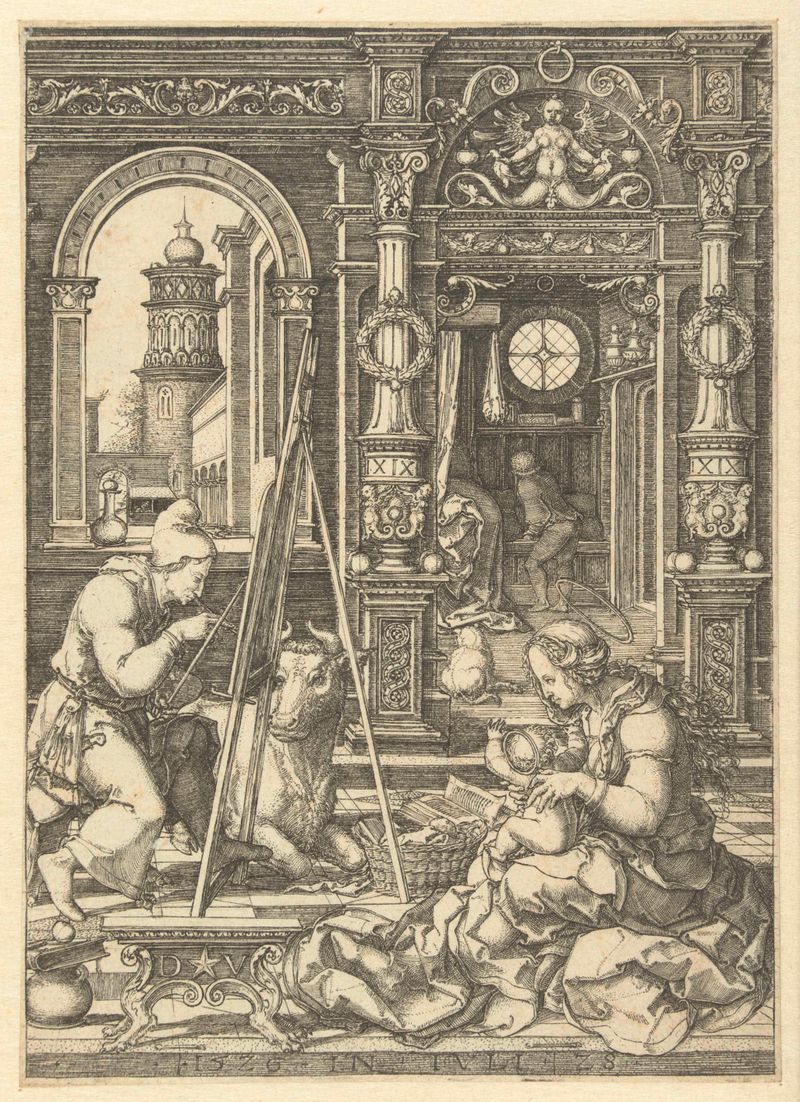
Heilige Lucas schildert Madonna met kind
Dirck Vellert

The Flight into Egypt
Dirck Vellert

Faun
Dirck Vellert
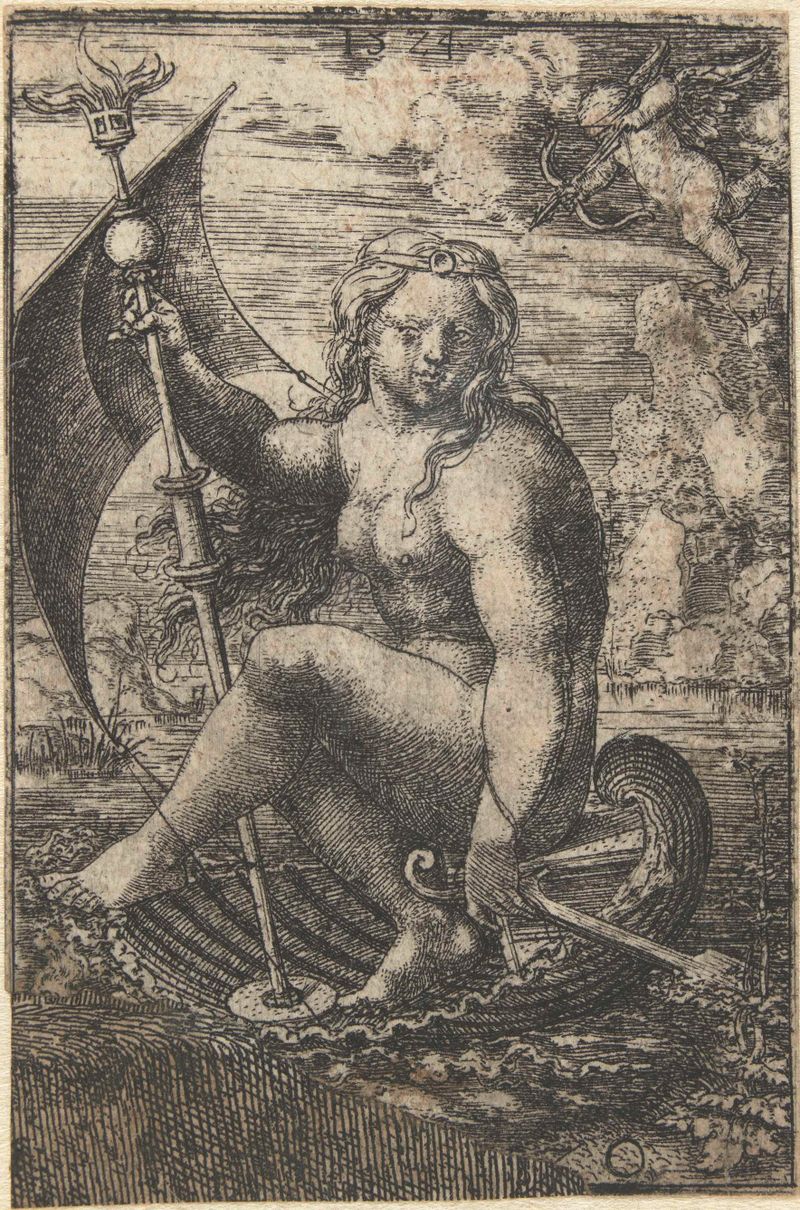
Venus zeilend in een schelp
Dirck Vellert
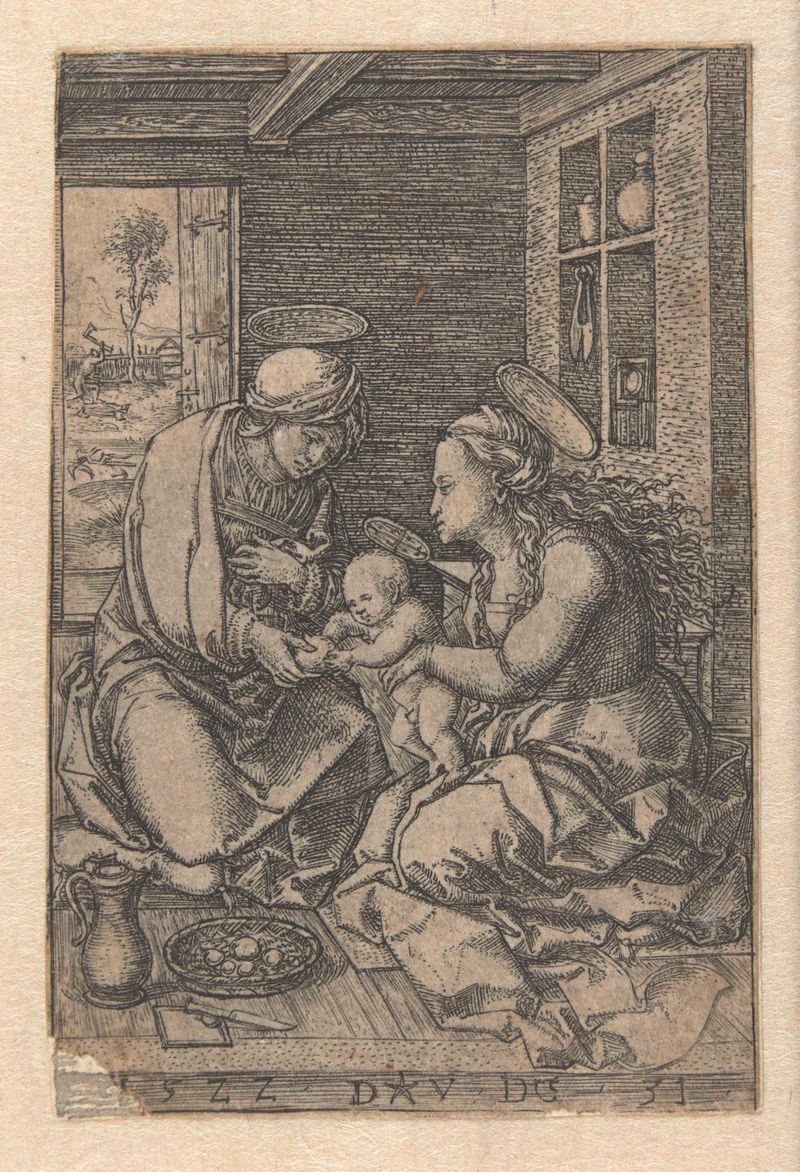
Maria met kind en heilige Anna
Dirck Vellert
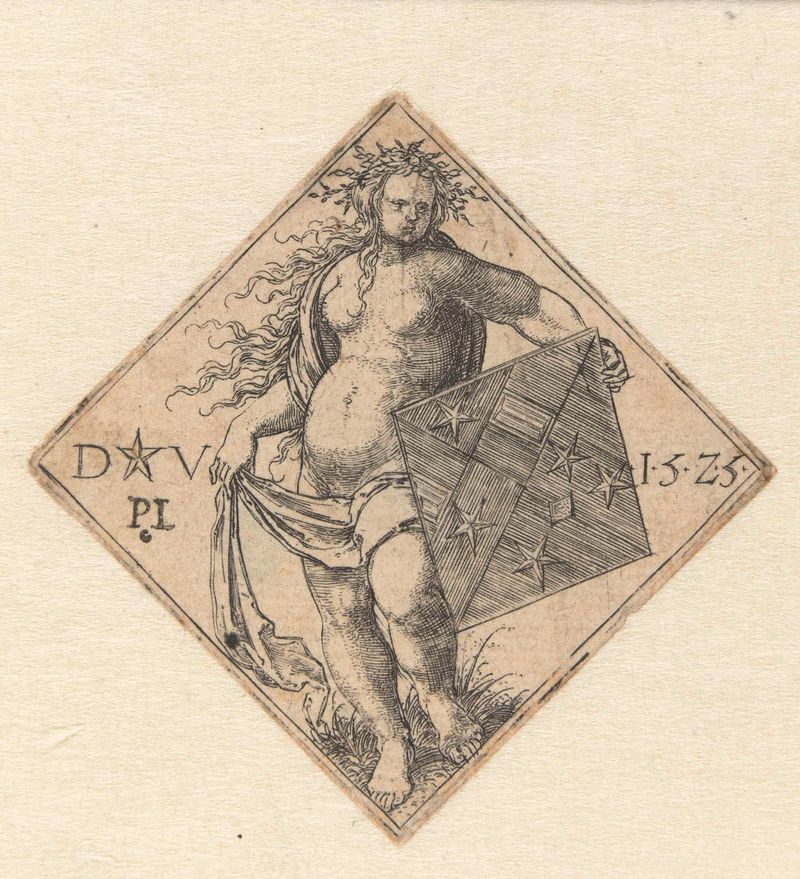
Naakte vrouw met wapenschild
Dirck Vellert

Eva en Kaïn
Dirck Vellert
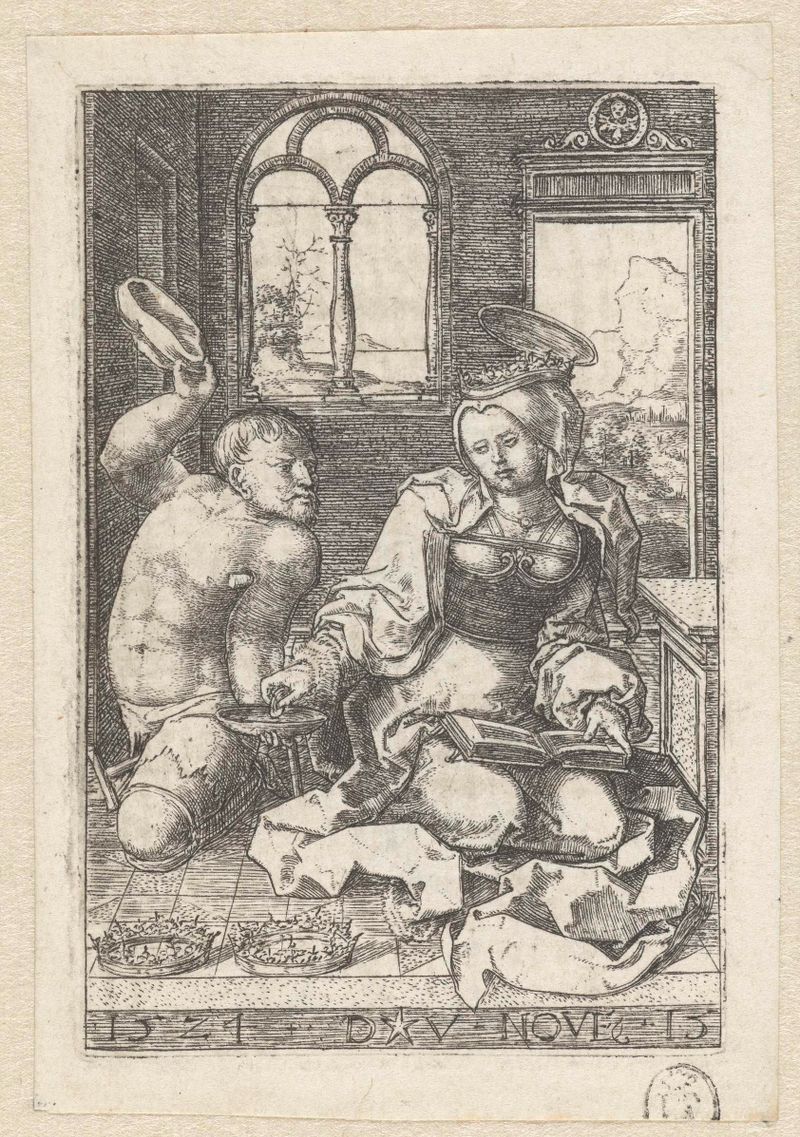
Heilige Elisabeth van Hongarije geeft een aalmoes aan een bedelaar op okselkrukken
Dirck Vellert





