Faun — History & Facts
In the realm of the ephemeral, ecstasy finds its form, capturing the fleeting spirit of joy and abandon. Look to the left of the canvas where the faun stands, exuding a magnetic energy that draws the eye. His body is a harmonious blend of earthy tones and intricate textures, from the roughness of his skin to the soft foliage enveloping him. The background, a cascade of verdant greens and dappled light, creates a palpable sense of life, while the playful interplay of light and shadow enhances the figure’s vitality and allure. Delve deeper into the details: the faun's expressive face suggests a moment caught between laughter and longing, evoking the primal instincts of humanity.
The juxtaposition of his wild, untamed nature against the structured vines and foliage hints at a tension between civilization and the wild, urging the viewer to explore the boundaries of freedom. Notably, the delicate flowers nestled in the background serve as a reminder of beauty's transience, elevating the sense of fleeting ecstasy that defines the scene. Created in 1522, this work emerged during the Northern Renaissance, a time when themes of mythology and nature began to flourish. Vellert was part of a burgeoning movement that sought to weave classical ideas with local traditions, reflecting the shifting cultural landscape of Europe.
His exploration of myth and humanity in Faun resonates with universal themes, inviting contemplation long after the viewer leaves the canvas.
More Artworks by Dirck Vellert
Browse all →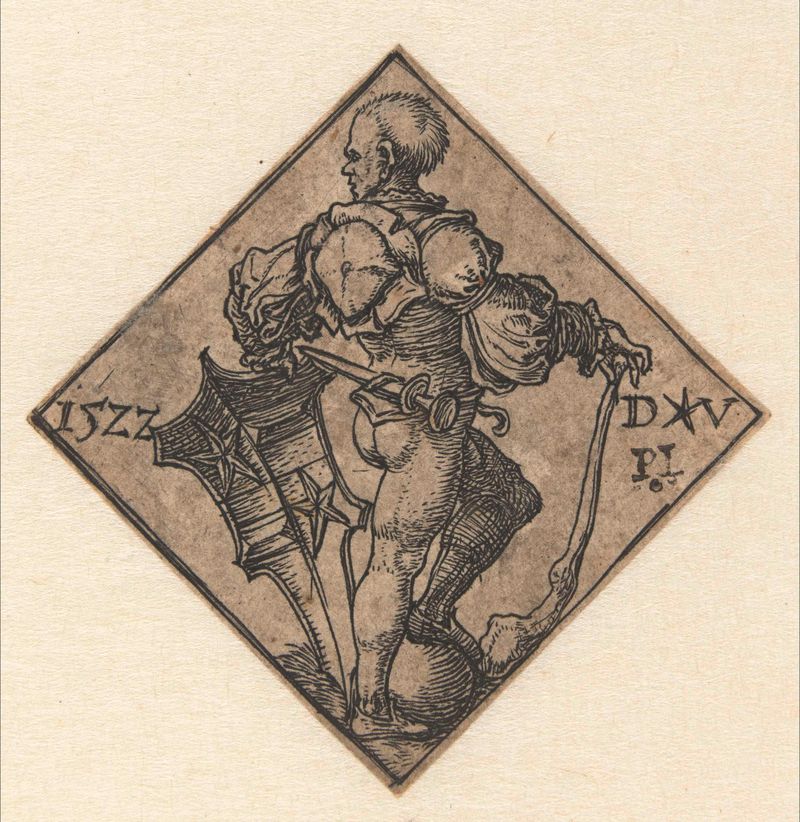
Soldaat met wapenschild
Dirck Vellert

Christus en de Samaritaanse vrouw
Dirck Vellert
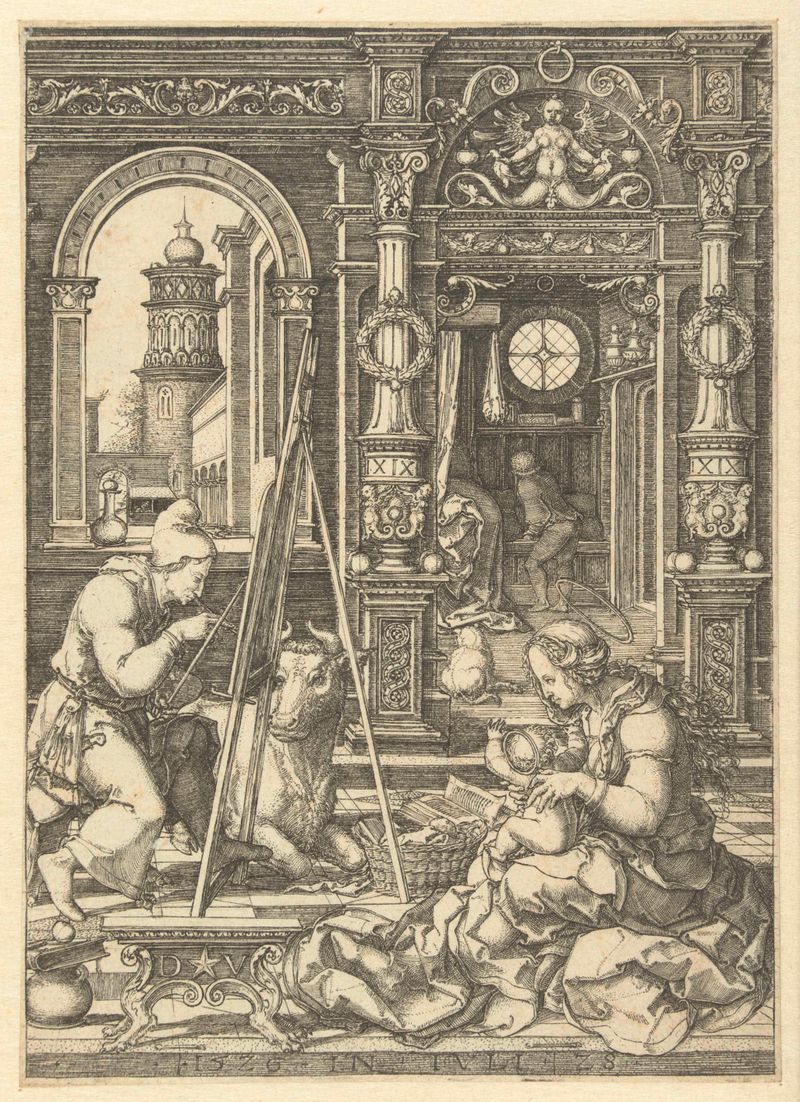
Heilige Lucas schildert Madonna met kind
Dirck Vellert

The Flight into Egypt
Dirck Vellert
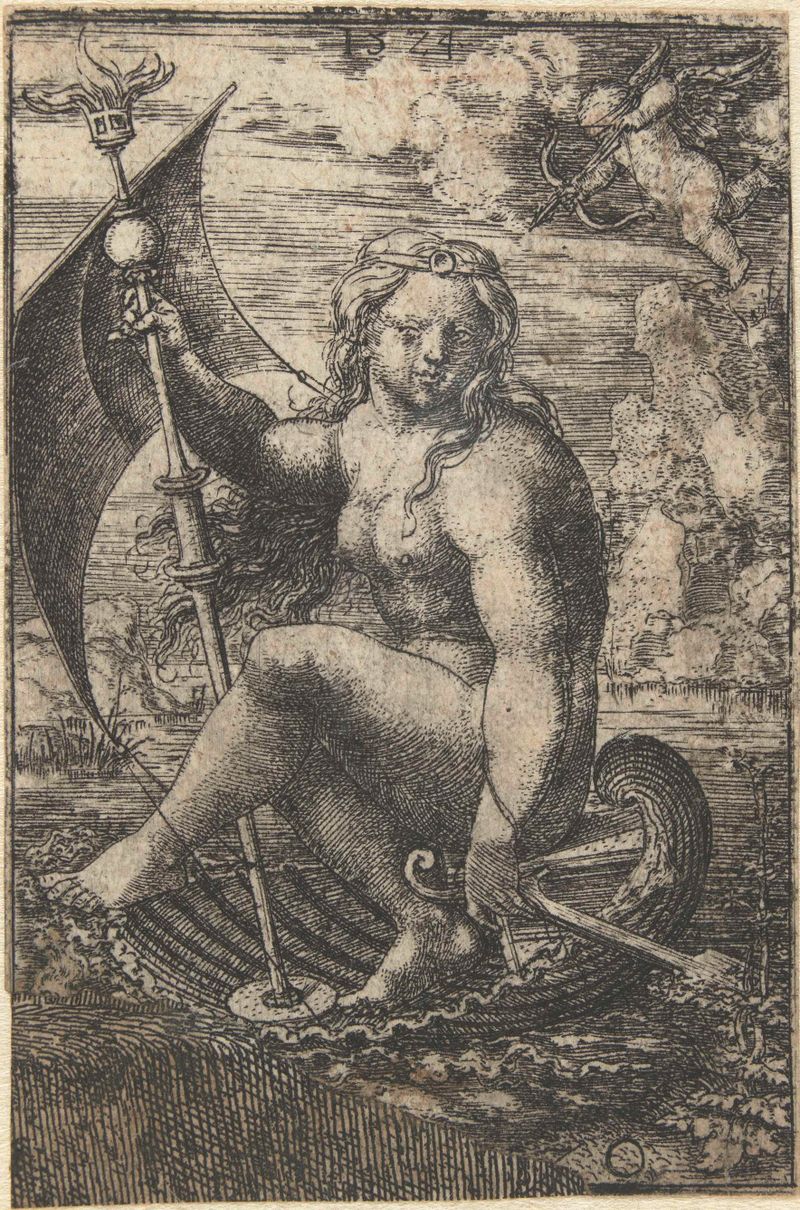
Venus zeilend in een schelp
Dirck Vellert
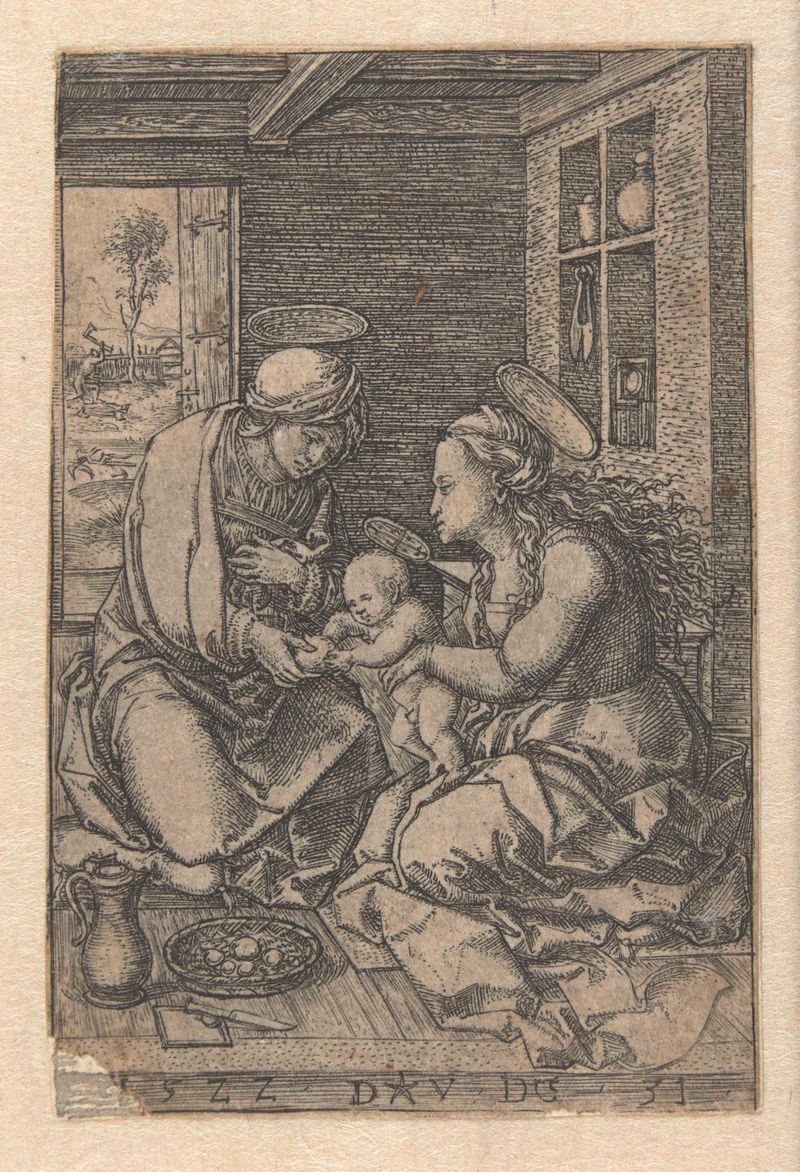
Maria met kind en heilige Anna
Dirck Vellert
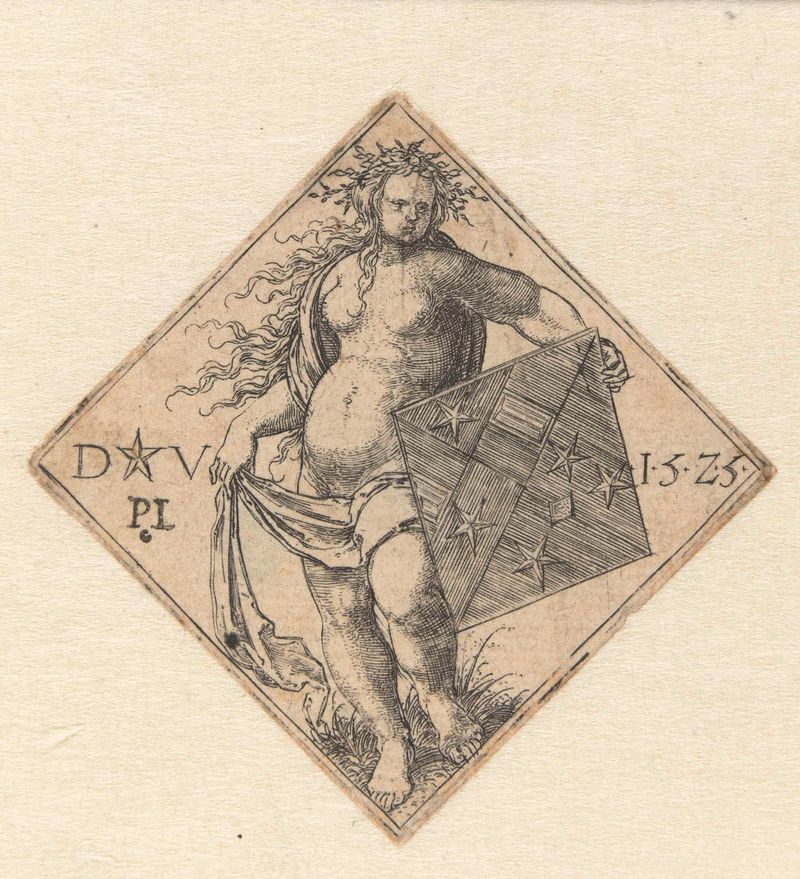
Naakte vrouw met wapenschild
Dirck Vellert
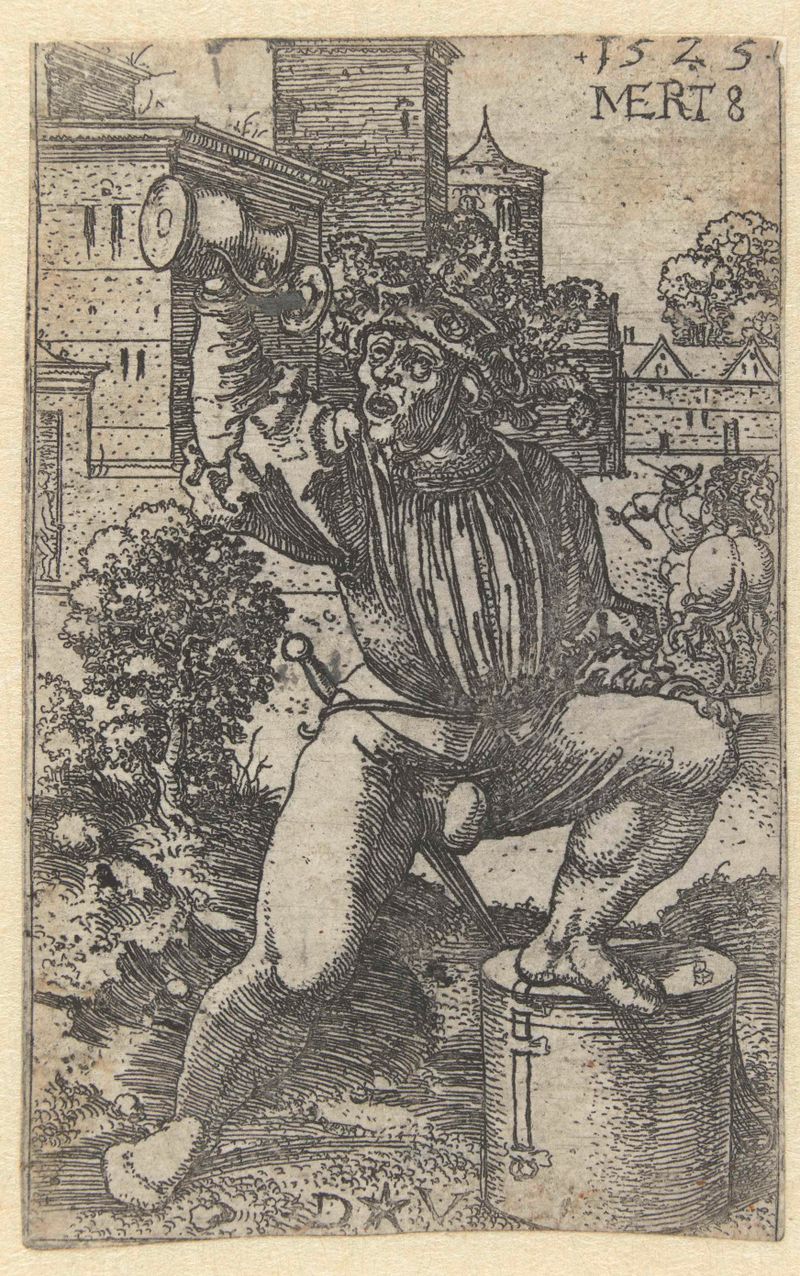
De dronken tamboer
Dirck Vellert

Eva en Kaïn
Dirck Vellert
Heilige Elisabeth van Hongarije geeft een aalmoes aan een bedelaar op okselkrukken
Dirck Vellert