
Heilige Elisabeth van Hongarije geeft een aalmoes aan een bedelaar op okselkrukken — History & Facts
This phrase resonates deeply in the act of giving, revealing the complexity of devotion and sacrifice. In Heilige Elisabeth van Hongarije geeft een aalmoes aan een bedelaar op okselkrukken, the artist encapsulates this sentiment through a poignant narrative of compassion and human connection. Focus first on the figures in the foreground: the saint, adorned in flowing robes, extends her hand towards the beggar, who stands supported yet vulnerable on crutches. The rich colors of her garments contrast with the muted tones of his tattered attire, highlighting the disparity between their worlds.
The light gently illuminates the saint’s face, evoking a glow of holiness that wraps around her, while shadows envelop the beggar, suggesting the weight of his struggles. Notice the delicately painted details—the folds in her robe, the pained expression on his face—where every brushstroke conveys devotion and empathy. Beyond the obvious act of charity lies a deeper commentary on social hierarchies and moral obligation. The saint’s grace, juxtaposed with the beggar's plight, speaks to the obsession with virtue that defines both figures; she strives for transcendence, while he embodies the rawness of earthly suffering.
Their connection in this moment transcends mere charity; it becomes a poignant reflection on humanity’s fragility and the shared burden of existence, inviting viewers to question their own roles in the continuum of giving and receiving. Dirck Vellert painted this work in 1524 at a time when Europe was grappling with religious reform and a reevaluation of societal values. Living in Antwerp, he was influenced by the rising Humanist thought that emphasized individual virtue and emotional depth in art. Amidst this transformative period, the creation of this piece illustrates not only a spiritual narrative but also reflects the artist's engagement with contemporary discussions about morality and human connection, cementing his place in the rich tapestry of Northern Renaissance art.
More Artworks by Dirck Vellert
Browse all →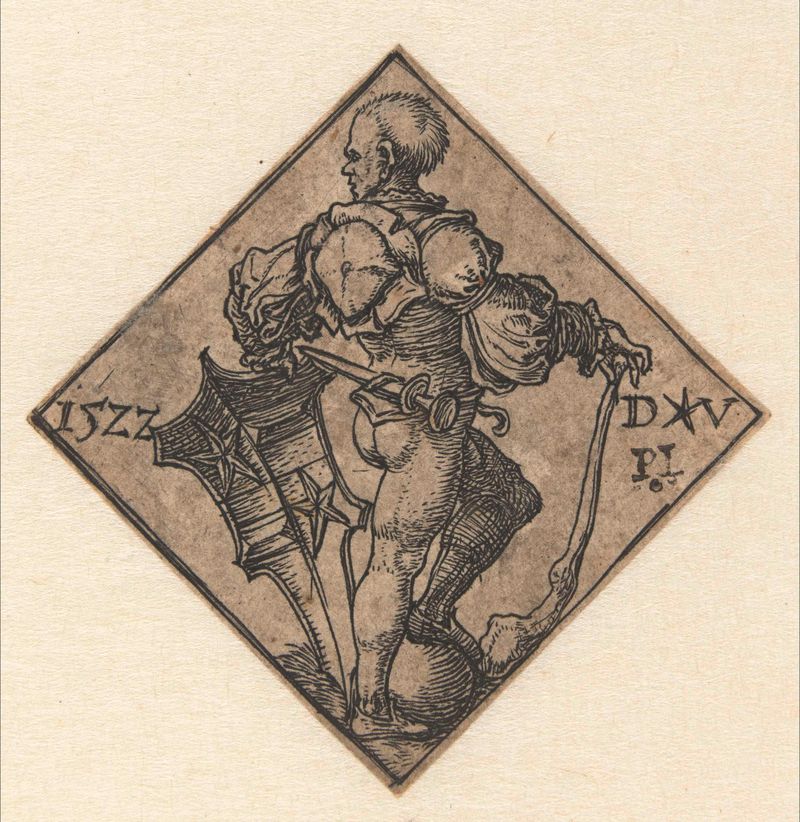
Soldaat met wapenschild
Dirck Vellert

Christus en de Samaritaanse vrouw
Dirck Vellert
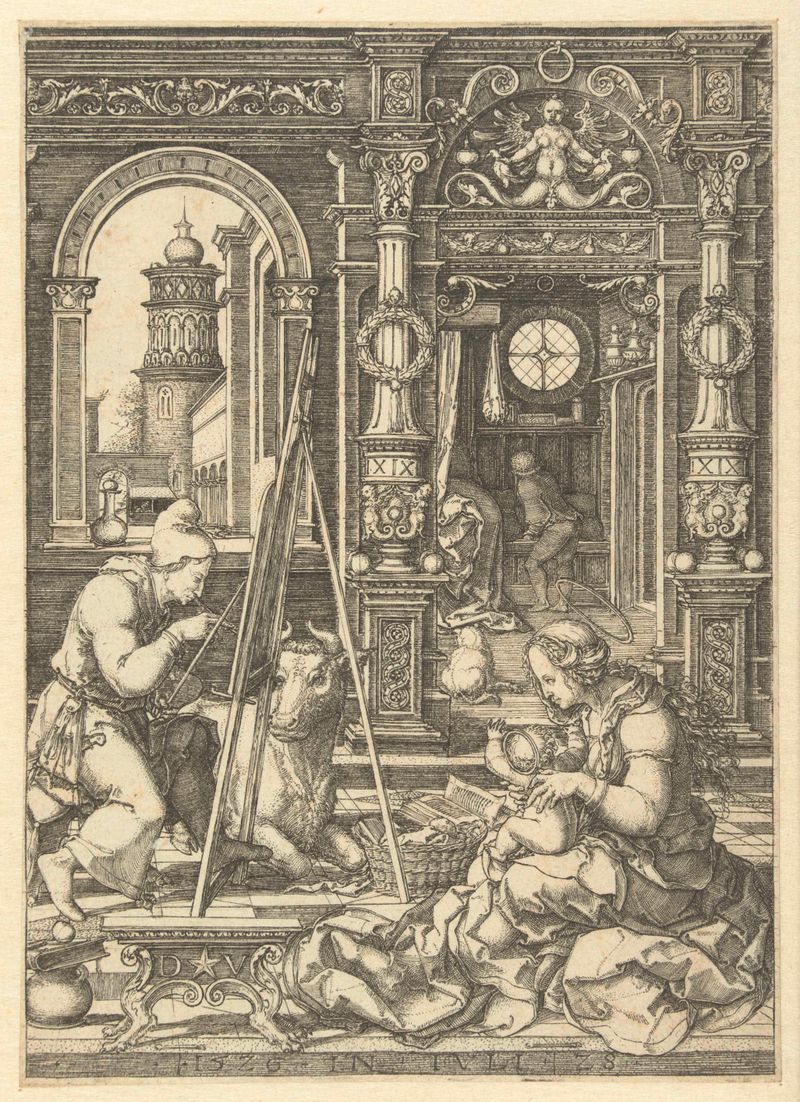
Heilige Lucas schildert Madonna met kind
Dirck Vellert

The Flight into Egypt
Dirck Vellert

Faun
Dirck Vellert
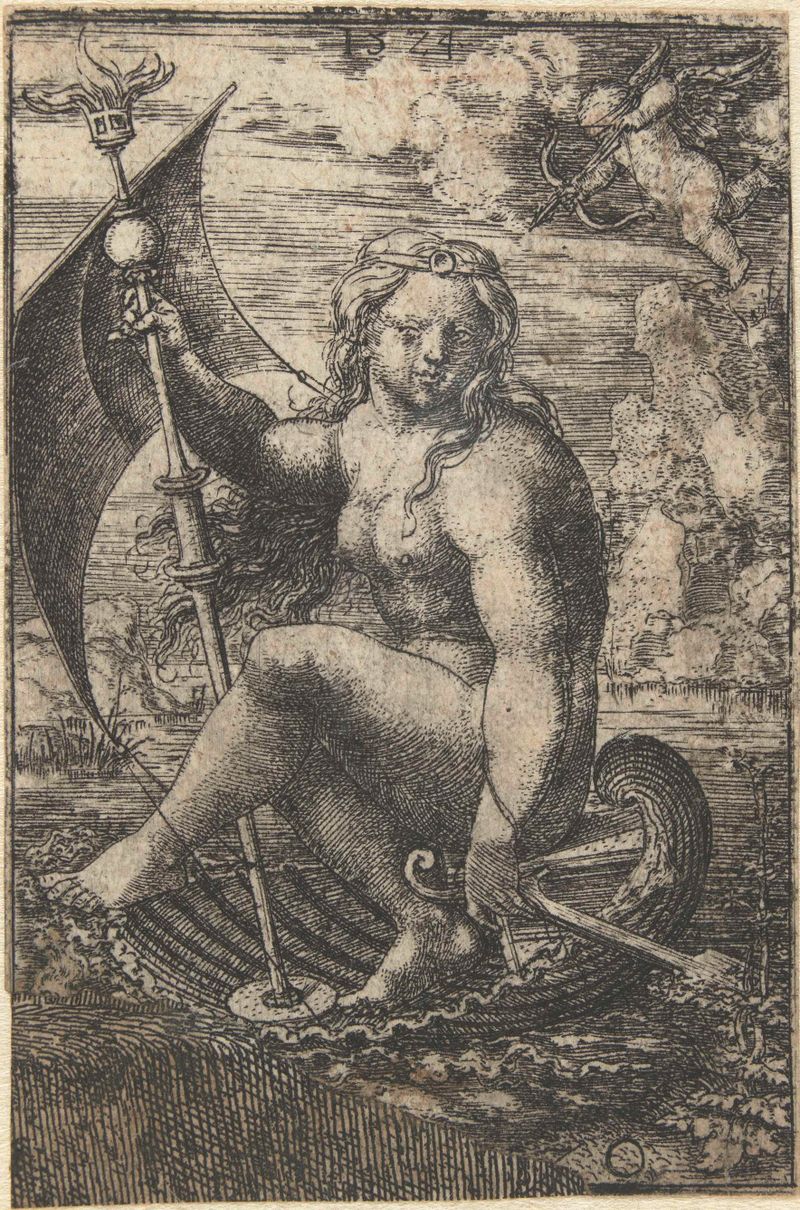
Venus zeilend in een schelp
Dirck Vellert
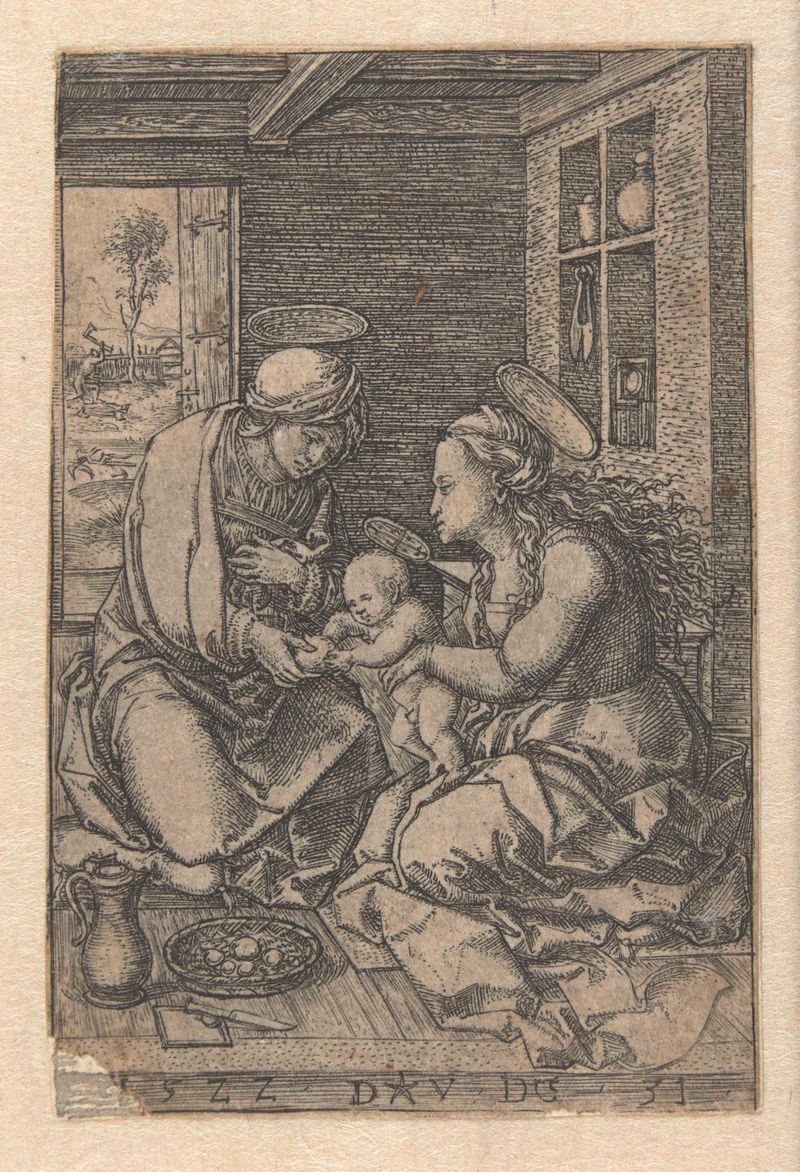
Maria met kind en heilige Anna
Dirck Vellert
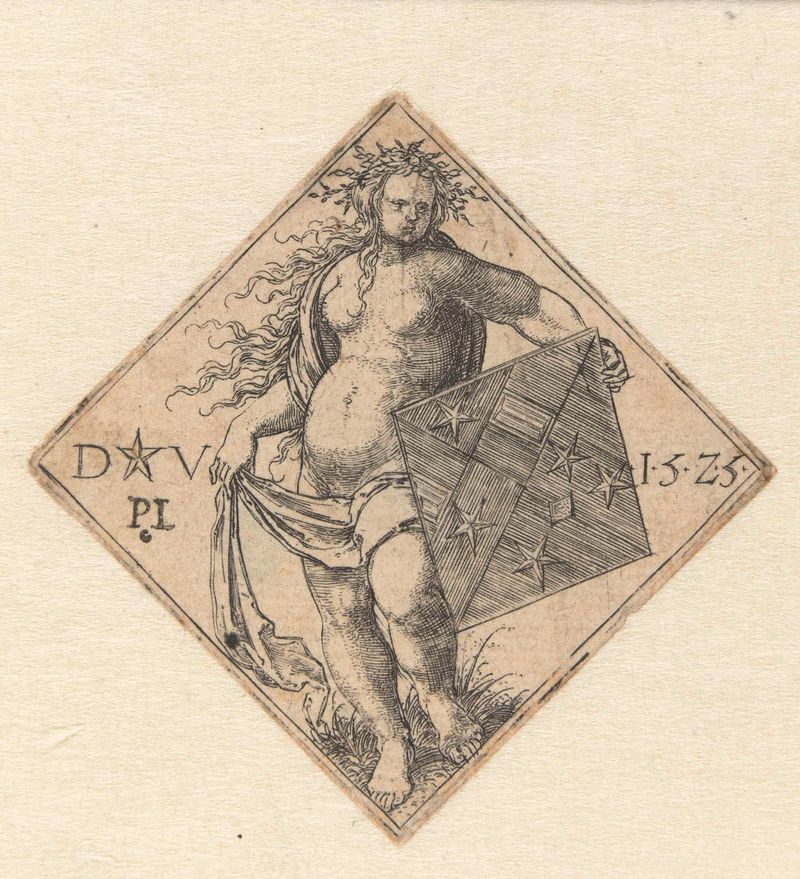
Naakte vrouw met wapenschild
Dirck Vellert
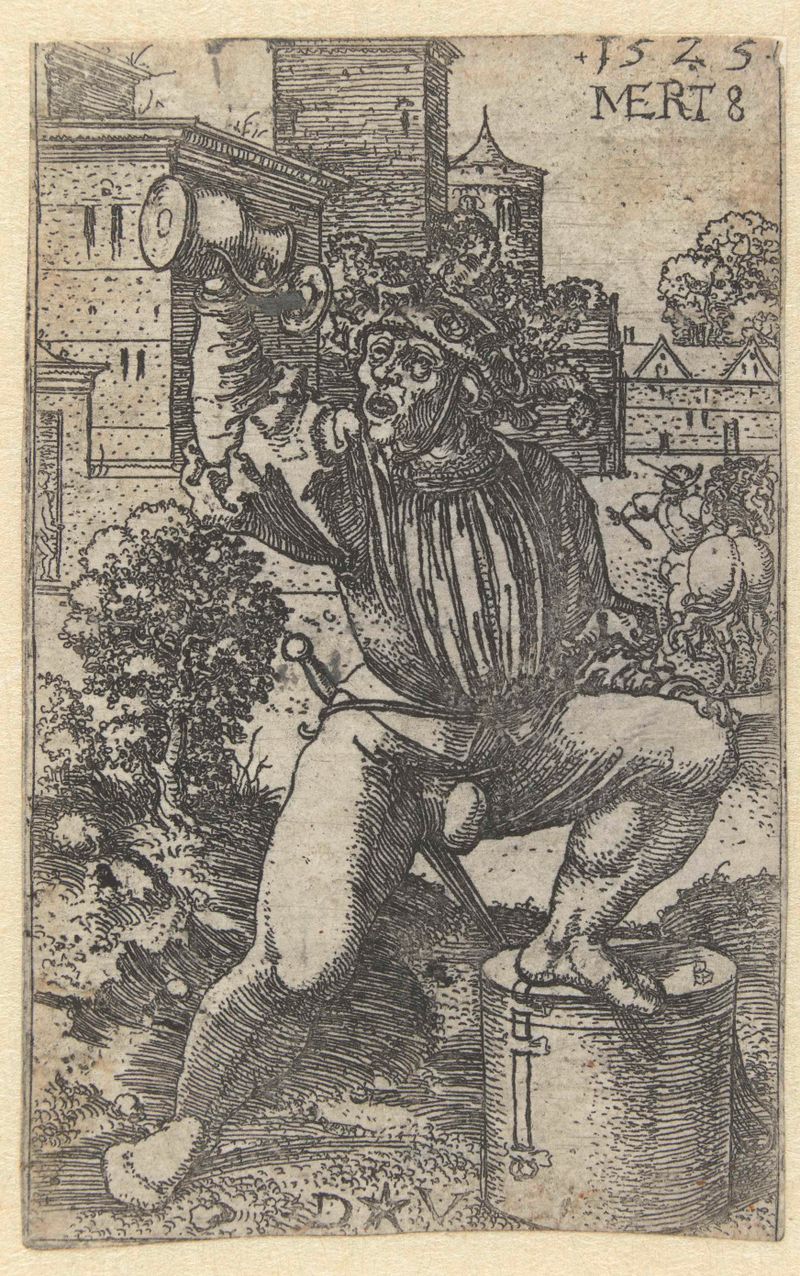
De dronken tamboer
Dirck Vellert

Eva en Kaïn
Dirck Vellert
More Religious Art
Browse all →
The Return of the Prodigal Son
Rembrandt van Rijn

The Garden of Earthly Delights
El Bosco

Count Orgaz’ funeral
El Greco

The Hundred Guilder Print: the central piece with Christ preaching, the plate arched
Rembrandt van Rijn

The Descent from the Cross
Rogier van der Weyden

The return of the prodigal son
Rembrandt van Rijn