
Christus loopt over het water — History & Facts
In a time when the mundane consumes our attention, one cannot help but dwell on the deeper obsessions that lie just below the surface of everyday life. Look closely at the central figure as you scan the composition. The delicate interplay of light and shadow highlights Christ’s serene expression, yet it’s the undulating waves that draw your eye first, swirling around his feet in a dance of faith and uncertainty. The contrasting dark hues of the surrounding water against Christ’s illuminated form create a striking tension, a visual nod to the tumultuous emotions that accompany belief and devotion.
The rich textures of the waves, crafted with meticulous detail, evoke a sense of both danger and sanctity, inviting the viewer into a moment suspended between fear and reverence. As you absorb this scene, consider the emotional undercurrents at play. The rippling water symbolizes the chaos and struggles of the human experience, while the calm presence of Christ offers solace and hope. This juxtaposition captures the obsession with faith that permeated the Baroque period, reflecting humanity's quest for meaning amid life's storms.
The artist’s choice to frame this divine moment within a turbulent landscape may suggest a deeper commentary on the struggle between spiritual and earthly desires, echoing a timeless narrative of aspiration and doubt. During the years 1608 to 1611, Jacques Callot painted this work in the context of early 17th-century France, a period marked by political unrest and spiritual fervor. Coming from a background of printmaking, Callot was deeply influenced by the visual culture of his time, which grappled with the complexities of faith and the human condition. His meticulous attention to detail and emotive compositions contributed to the evolving landscape of Baroque art, showcasing both technical mastery and profound insight into the human soul.
More Artworks by Jacques Callot
Browse all →
Titelprent voor de prentreeks 'De kleine apostelen' (Het martelaarschap van de apostelen)
Jacques Callot
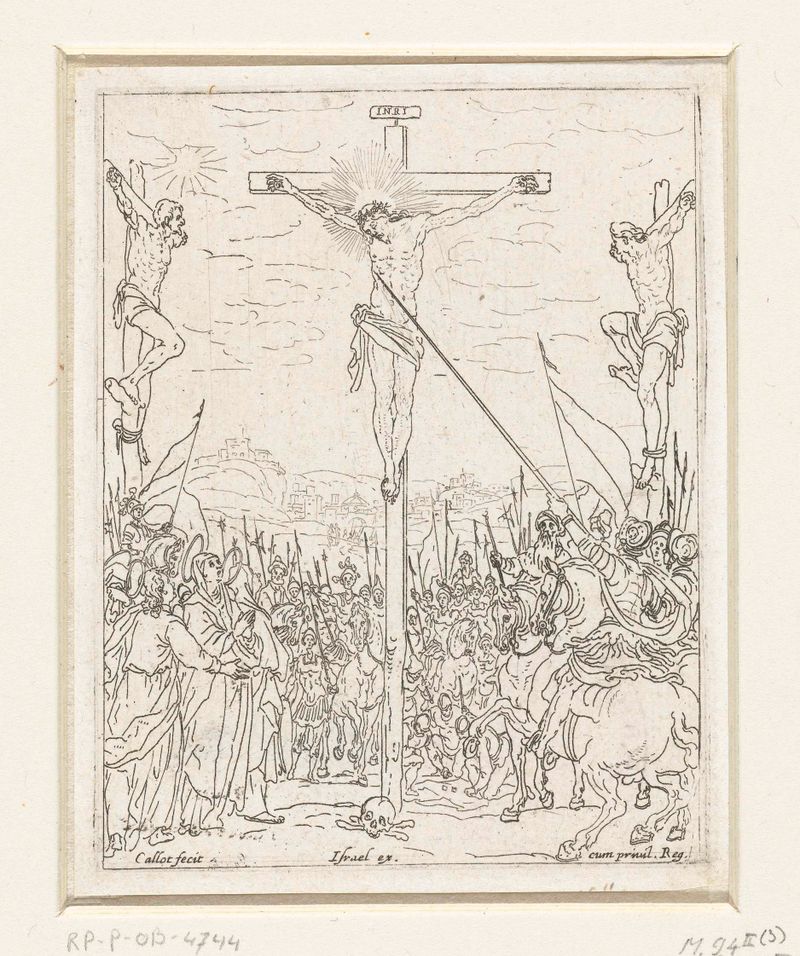
Kruisiging
Jacques Callot

De doortocht door de Rode Zee
Jacques Callot

De verloren zoon als zwijnenhoeder
Jacques Callot

Annunciatie
Jacques Callot
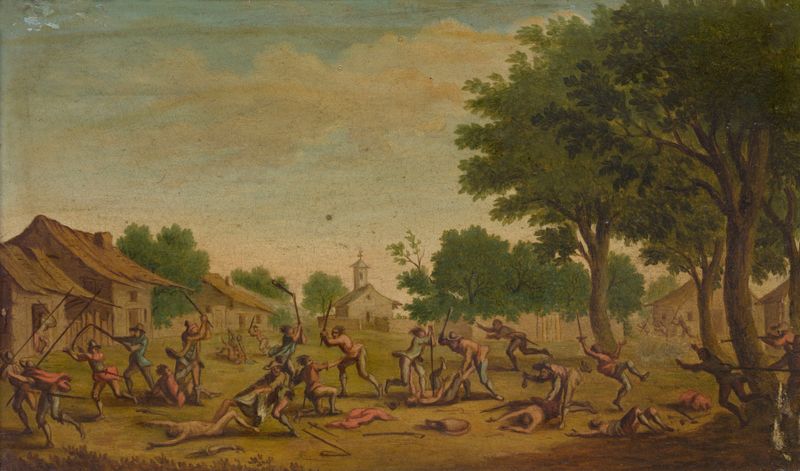
Village Fight
Jacques Callot

Titelprent voor prentreeks 'Het leven van Maria'
Jacques Callot
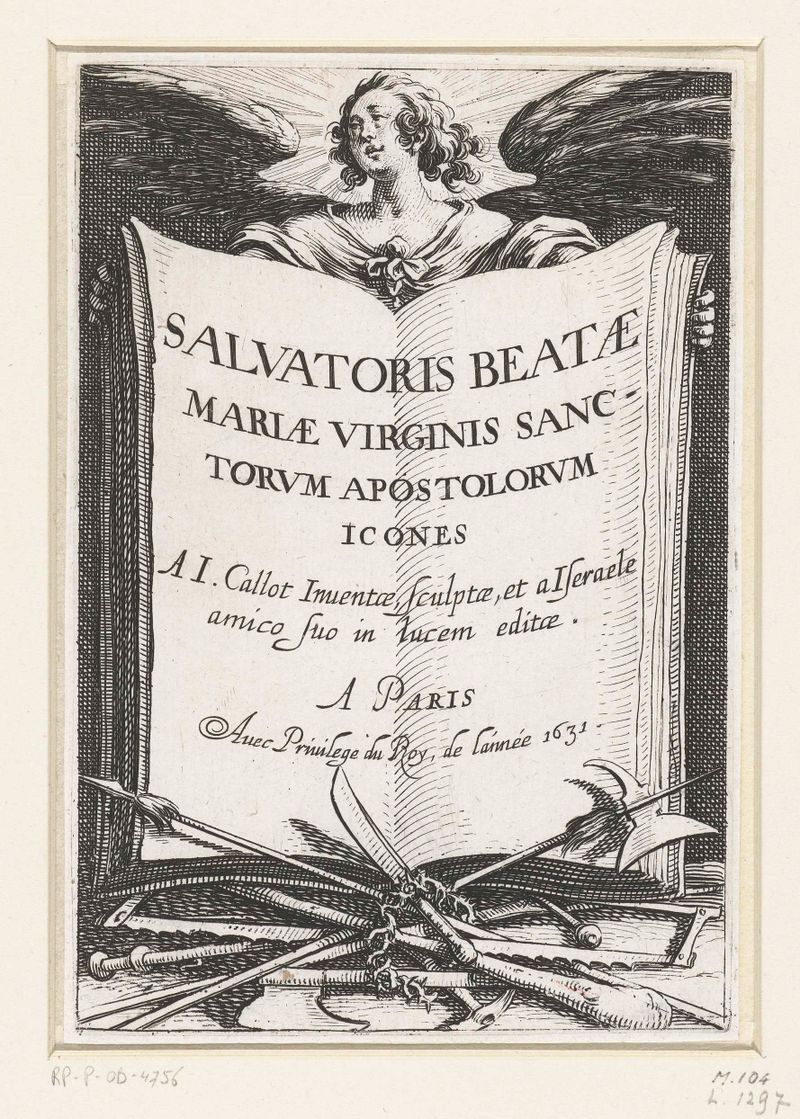
Titelprent voor de prentreeks 'De grote apostelen' (Christus, Maria en de apostelen)
Jacques Callot

Christus aan het volk getoond (Ecce homo)
Jacques Callot
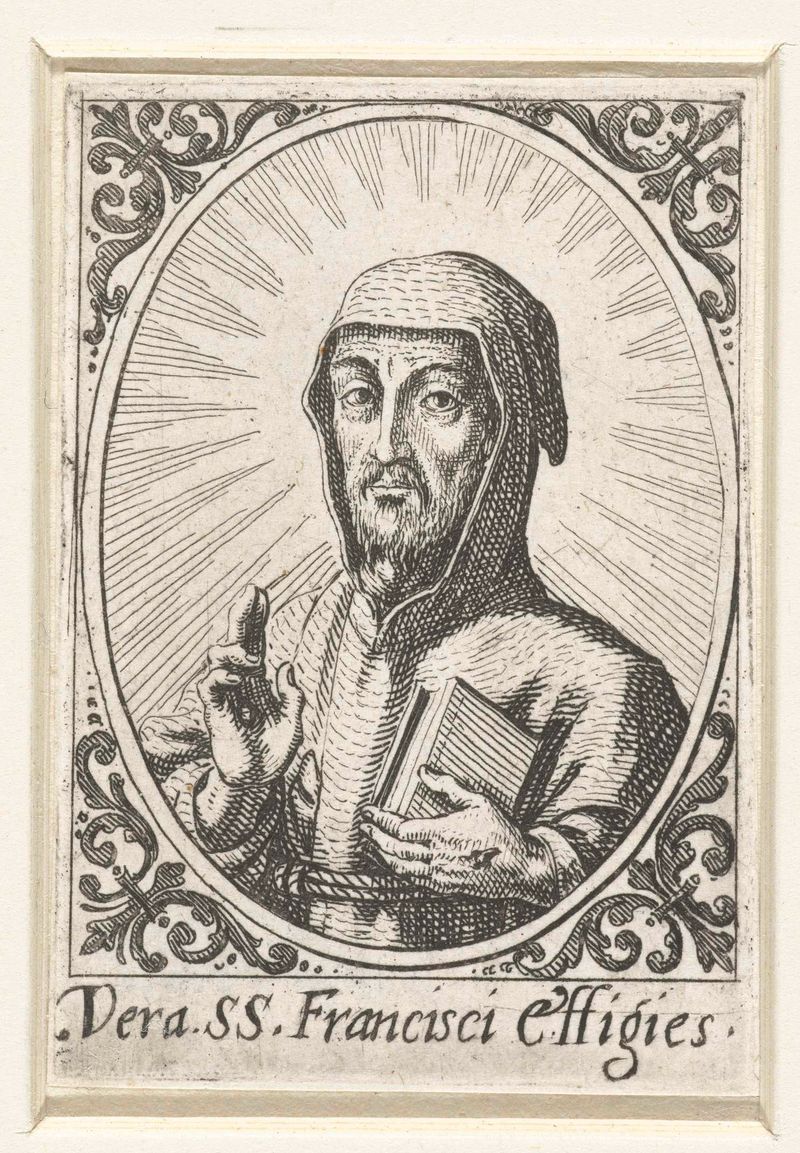
Portret van de Heilige Franciscus
Jacques Callot
More Religious Art
Browse all →
The Return of the Prodigal Son
Rembrandt van Rijn

The Garden of Earthly Delights
El Bosco

Count Orgaz’ funeral
El Greco

The Hundred Guilder Print: the central piece with Christ preaching, the plate arched
Rembrandt van Rijn

The Descent from the Cross
Rogier van der Weyden

The return of the prodigal son
Rembrandt van Rijn