
Christus op de Olijfberg — History & Facts
In moments of profound longing, we find echoes of our past that reverberate in the stillness of the present. Look to the center of Christus op de Olijfberg, where the figure of Christ kneels, the weight of the world pressing heavily upon His shoulders. Notice how the soft, muted palette of ochres and deep greens envelops the scene, creating an aura of somber reverence. The chiaroscuro technique enhances the play of light and shadow, drawing the viewer’s gaze to Christ’s anguished expression, illuminated by an unseen light source, while the dark background envelops His disciples, who linger in uncertainty. The emotional tension is palpable; each figure embodies a different response to divine foreboding—some appear lost in prayer, while others remain distant, reflecting humanity’s struggle between faith and despair.
The subtle contrast between Christ's serene vulnerability and the disciples' varying reactions speaks to a deeper existential conflict—one that resonates throughout time. The painting invites us to confront our own moments of crisis and the inherent longing for solace amid anguish. Jacques Callot created Christus op de Olijfberg between 1624 and 1625, during a period marked by personal transformations and burgeoning artistic exploration. Living in Nancy, France, he was influenced by the Baroque style that was sweeping across Europe.
This work reflects the intersection of his personal spiritual journey with the broader themes of conflict and redemption prevalent in the era, situating it within a transformative moment in art history.
More Artworks by Jacques Callot
Browse all →
Titelprent voor de prentreeks 'De kleine apostelen' (Het martelaarschap van de apostelen)
Jacques Callot
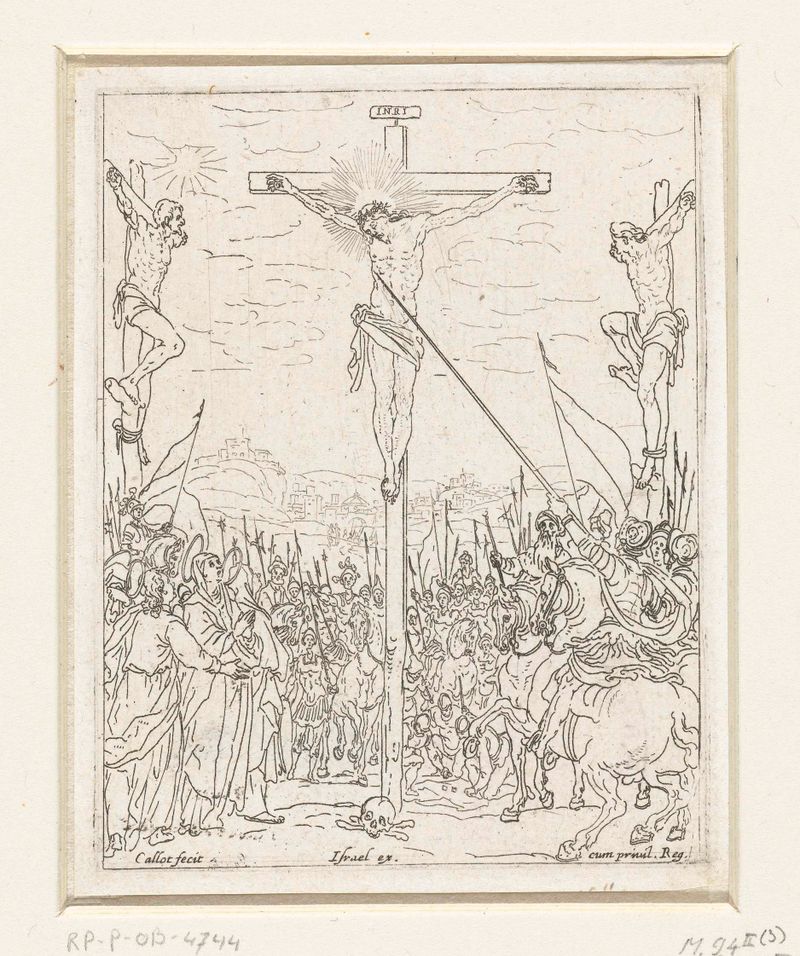
Kruisiging
Jacques Callot

De doortocht door de Rode Zee
Jacques Callot

De verloren zoon als zwijnenhoeder
Jacques Callot

Annunciatie
Jacques Callot
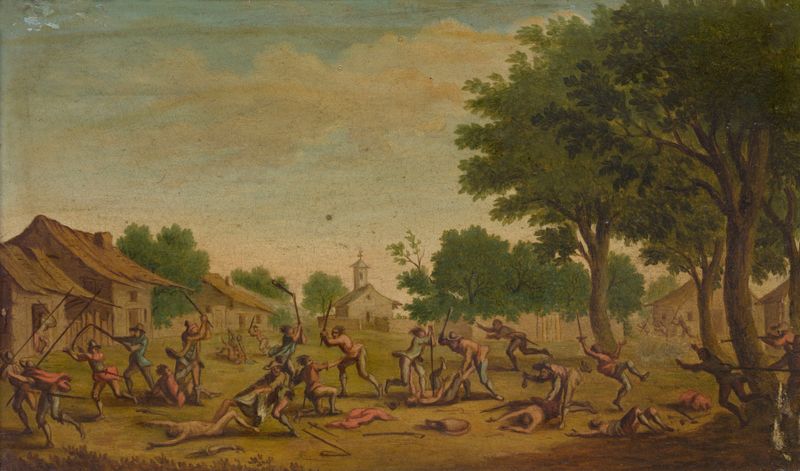
Village Fight
Jacques Callot

Titelprent voor prentreeks 'Het leven van Maria'
Jacques Callot
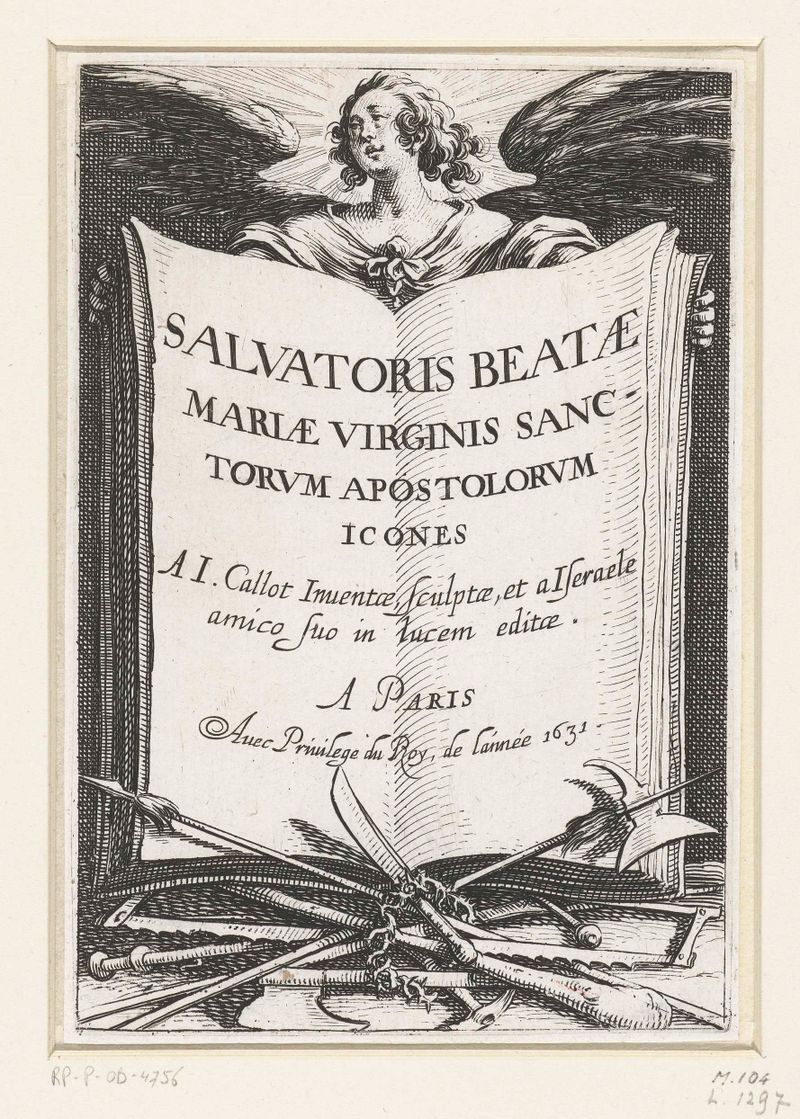
Titelprent voor de prentreeks 'De grote apostelen' (Christus, Maria en de apostelen)
Jacques Callot

Christus aan het volk getoond (Ecce homo)
Jacques Callot
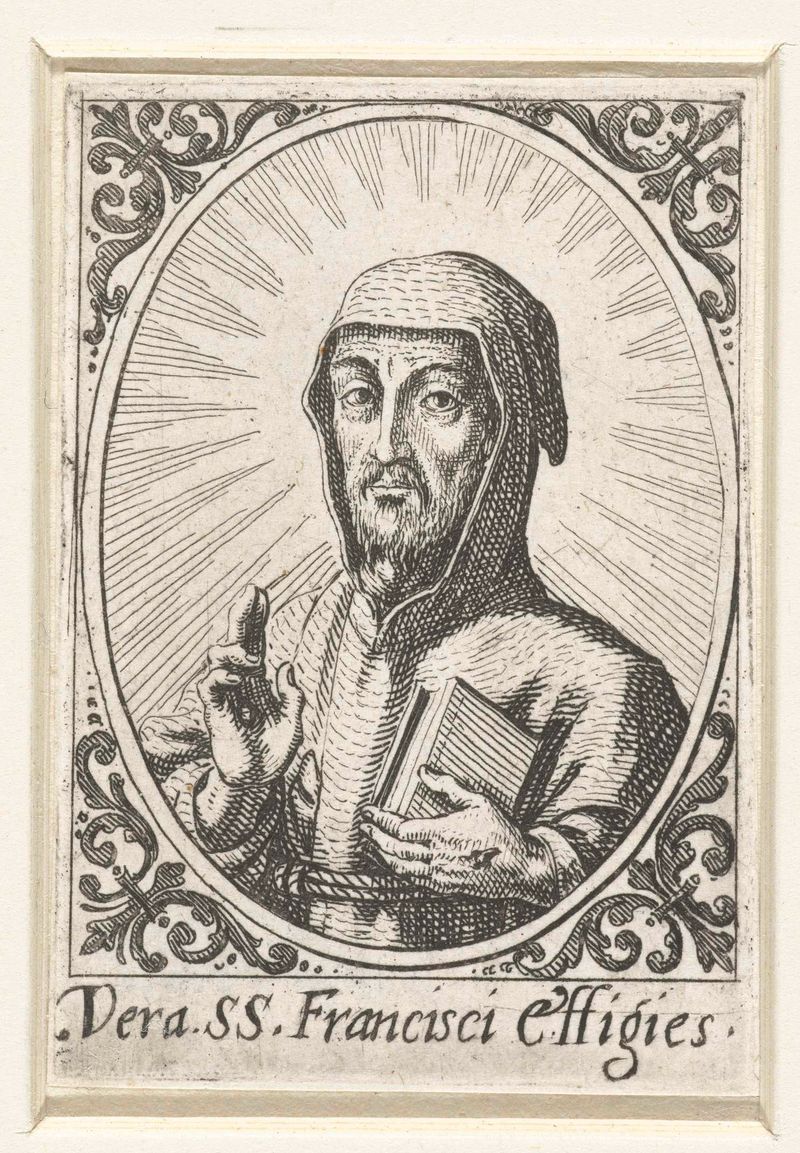
Portret van de Heilige Franciscus
Jacques Callot
More Religious Art
Browse all →
The Return of the Prodigal Son
Rembrandt van Rijn

The Garden of Earthly Delights
El Bosco

Count Orgaz’ funeral
El Greco

The Hundred Guilder Print: the central piece with Christ preaching, the plate arched
Rembrandt van Rijn

The Descent from the Cross
Rogier van der Weyden

The return of the prodigal son
Rembrandt van Rijn