
Christus tussen de graanwegers — History & Facts
Who listens when art speaks of silence? In Christus tussen de graanwegers, Jacques Callot encapsulates a moment of solemn reflection, where the weight of memory hangs heavily in the air. Look closely at the central figure, Christ, who stands amidst the grain weighers. Notice how the delicate lines of his robe echo the subtle curves of the surrounding figures, drawing your eye toward the gentle yet powerful posture of his presence. The muted palette of browns and golds evokes a sense of warmth and earthiness, contrasting sharply with the ethereal glow surrounding Christ, emphasizing his divine importance.
The careful play of light and shadow highlights the expressions of those gathered, inviting you to decipher their thoughts and emotions. Deeper meanings lie within the gestures of the grain weighers, who seem to embody a tension between duty and spiritual contemplation. Their furrowed brows suggest an internal struggle, perhaps a longing for redemption or understanding in the midst of their labor. The grain itself, rich in symbolism, represents sustenance and abundance but also the transience of life.
Callot captures this duality—a moment steeped in both earthly toil and the promise of spiritual nourishment. Painted between 1609 and 1611, this work emerged during a time of significant cultural upheaval in Europe. Callot was in Nancy, France, navigating the tensions of a society grappling with religious strife and the aftermath of the Thirty Years' War. The artist’s focus on everyday subjects and the emotional resonance of his figures reflect a broader movement within Baroque art, which sought to convey deeper truths through seemingly mundane moments, bridging the sacred and the ordinary.
More Artworks by Jacques Callot
Browse all →
Titelprent voor de prentreeks 'De kleine apostelen' (Het martelaarschap van de apostelen)
Jacques Callot
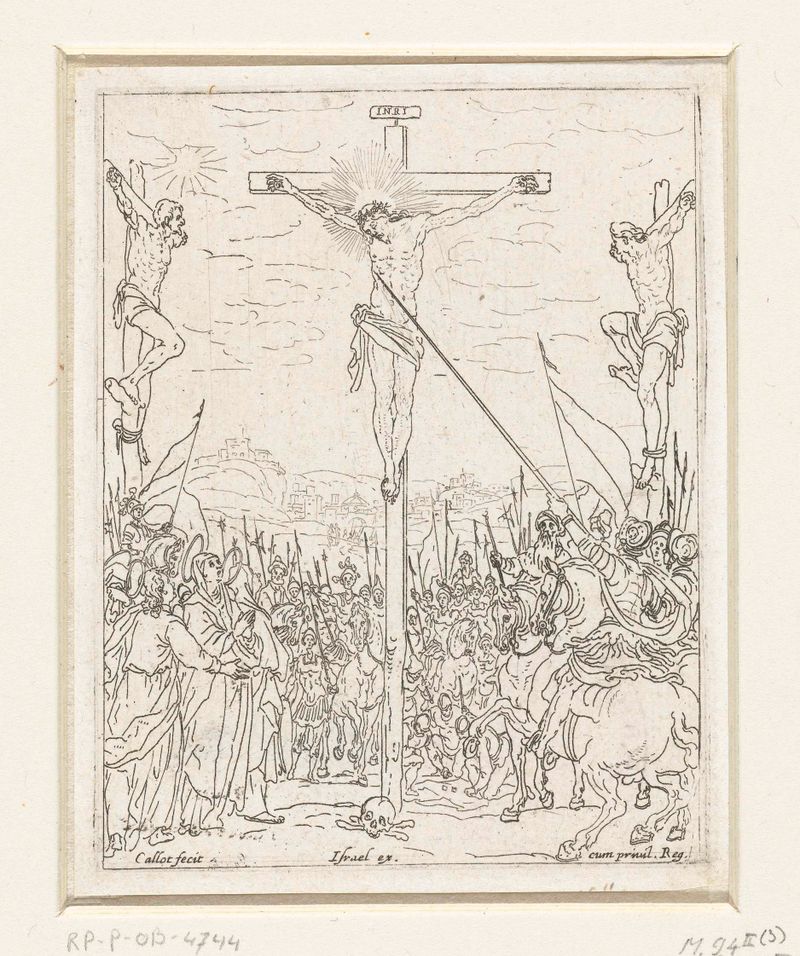
Kruisiging
Jacques Callot

De doortocht door de Rode Zee
Jacques Callot

De verloren zoon als zwijnenhoeder
Jacques Callot

Annunciatie
Jacques Callot
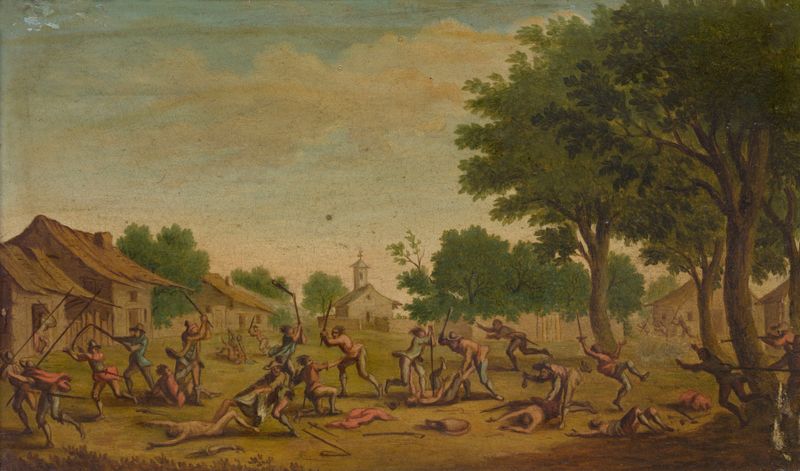
Village Fight
Jacques Callot

Titelprent voor prentreeks 'Het leven van Maria'
Jacques Callot
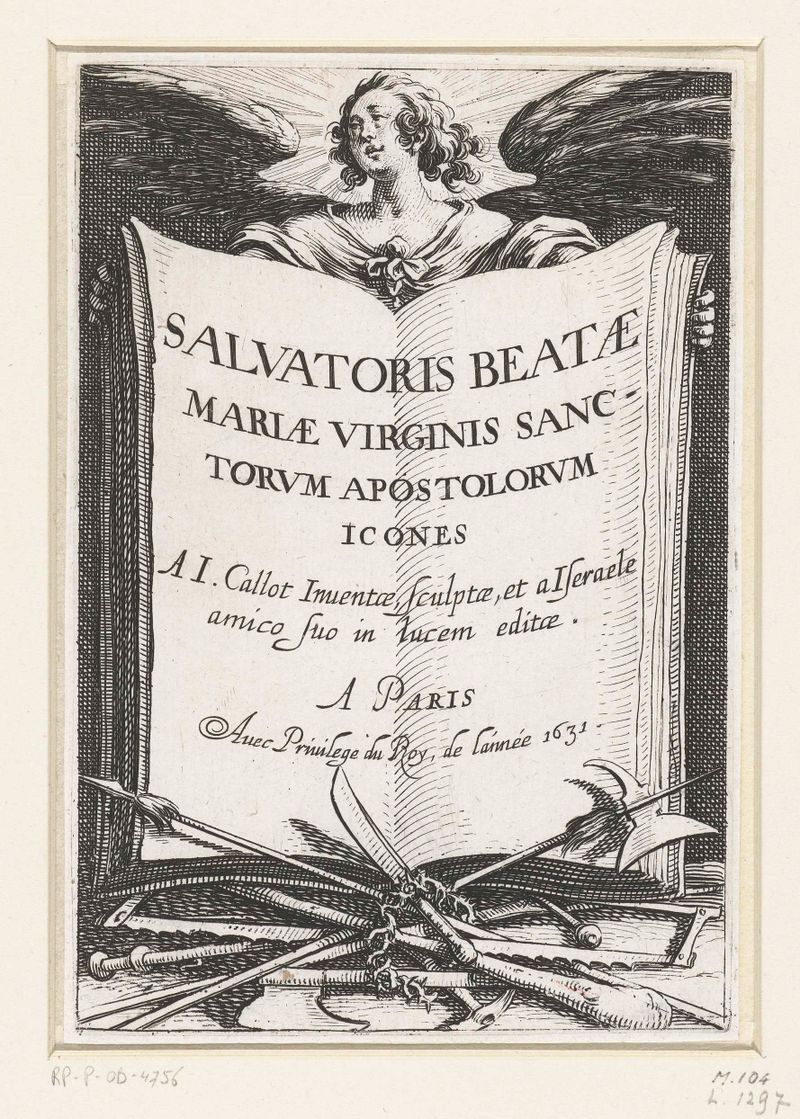
Titelprent voor de prentreeks 'De grote apostelen' (Christus, Maria en de apostelen)
Jacques Callot

Christus aan het volk getoond (Ecce homo)
Jacques Callot
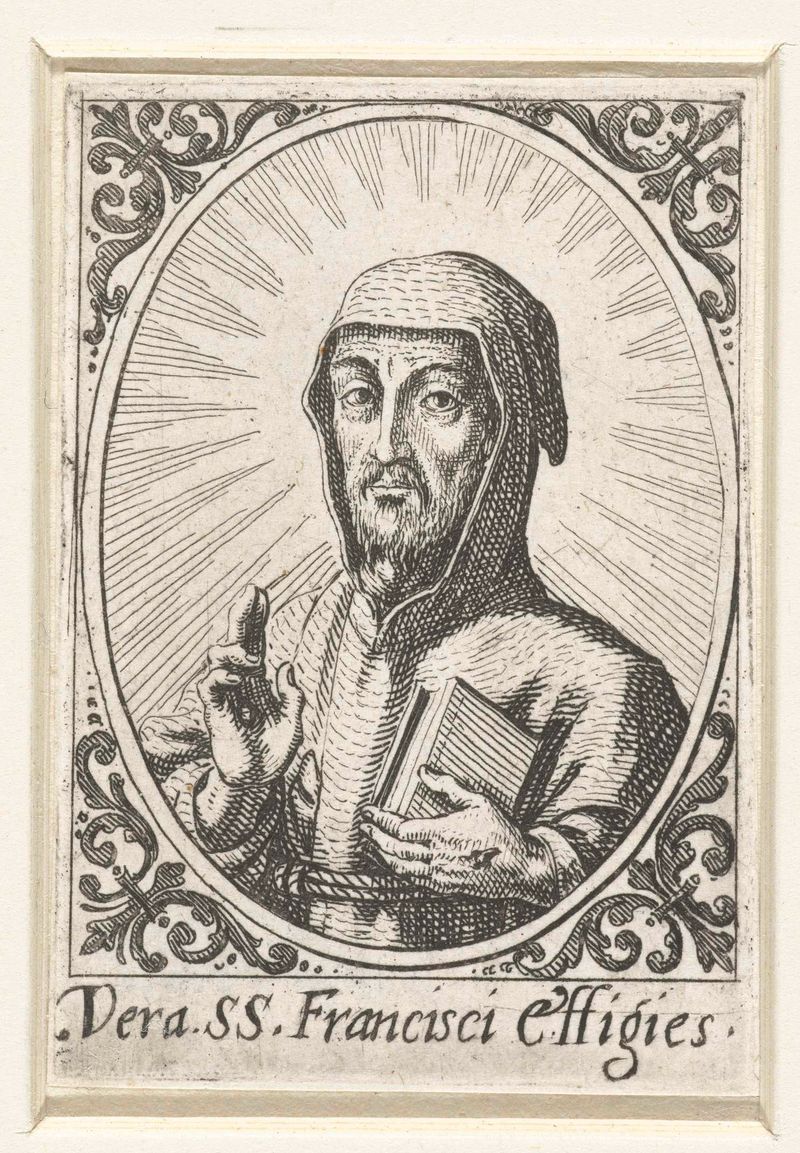
Portret van de Heilige Franciscus
Jacques Callot
More Religious Art
Browse all →
The Return of the Prodigal Son
Rembrandt van Rijn

The Garden of Earthly Delights
El Bosco

Count Orgaz’ funeral
El Greco

The Hundred Guilder Print: the central piece with Christ preaching, the plate arched
Rembrandt van Rijn

The Descent from the Cross
Rogier van der Weyden

The return of the prodigal son
Rembrandt van Rijn