
Christus voor Kajafas — History & Facts
Could a single brushstroke hold eternity? In the quiet, somber atmosphere of Christus voor Kajafas, the tension between power and vulnerability unfolds with each delicate line. Look to the center of the canvas, where the figure of Christ stands restrained, his expression a haunting blend of serenity and sorrow. The stark contrast of light and shadow emphasizes his divine aura, while the figures surrounding him—each face clenched with intent—hover like dark clouds, ready to unleash the storm of judgment. Notice how the meticulous detailing of the drapery enhances the emotional gravity, with every fold hinting at the weight of the moment and the impending fate. The poignant juxtaposition of Christ's calm demeanor against the fierce scrutiny of the onlookers speaks to the obsession with power and control embedded deep in human nature.
The subtle play of hands—some raised, others clenched—creates a visual dialogue, suggesting conflict between empathy and cruelty. Each gaze seems to dissect, each gesture a silent plea for dominance, capturing the timeless struggle between innocence and authority that resonates throughout history. Jacques Callot created this work during a pivotal time in his career, between 1624 and 1625, in a Europe rife with religious turmoil. At this moment, the Baroque movement was taking shape, characterized by emotionally charged art that emphasized dramatic lighting and dynamic compositions.
Callot, influenced by his surroundings and the spiritual upheavals of his time, sought to elevate narrative clarity and emotional resonance, establishing his unique voice within the evolving landscape of art.
More Artworks by Jacques Callot
Browse all →
Titelprent voor de prentreeks 'De kleine apostelen' (Het martelaarschap van de apostelen)
Jacques Callot
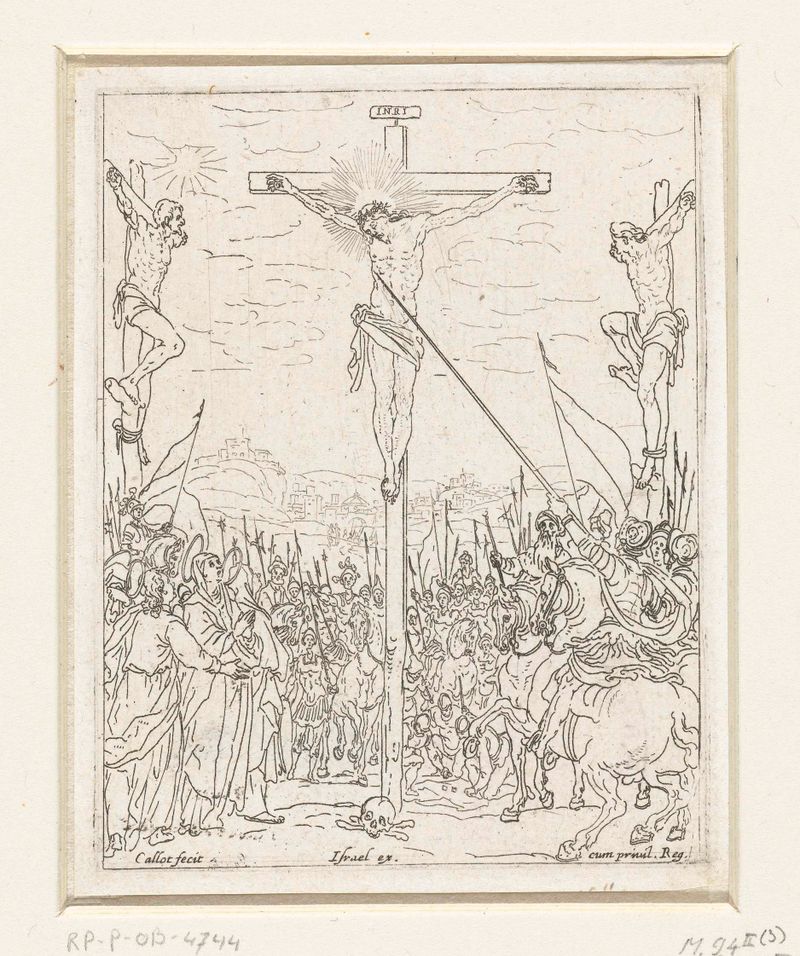
Kruisiging
Jacques Callot

De doortocht door de Rode Zee
Jacques Callot

De verloren zoon als zwijnenhoeder
Jacques Callot

Annunciatie
Jacques Callot
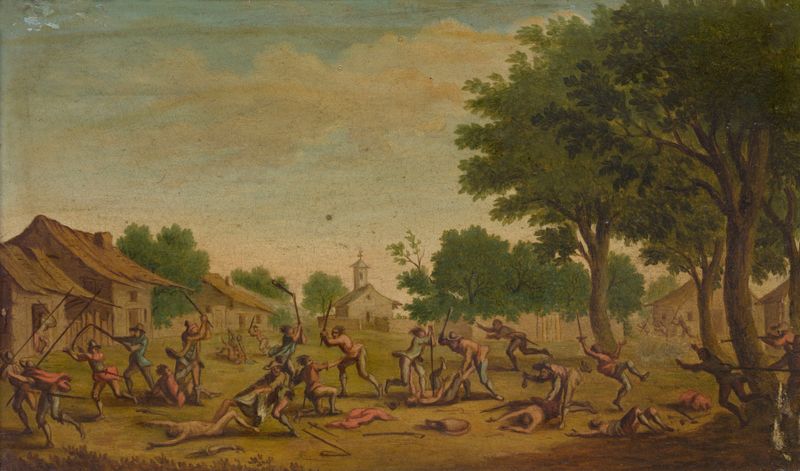
Village Fight
Jacques Callot

Titelprent voor prentreeks 'Het leven van Maria'
Jacques Callot
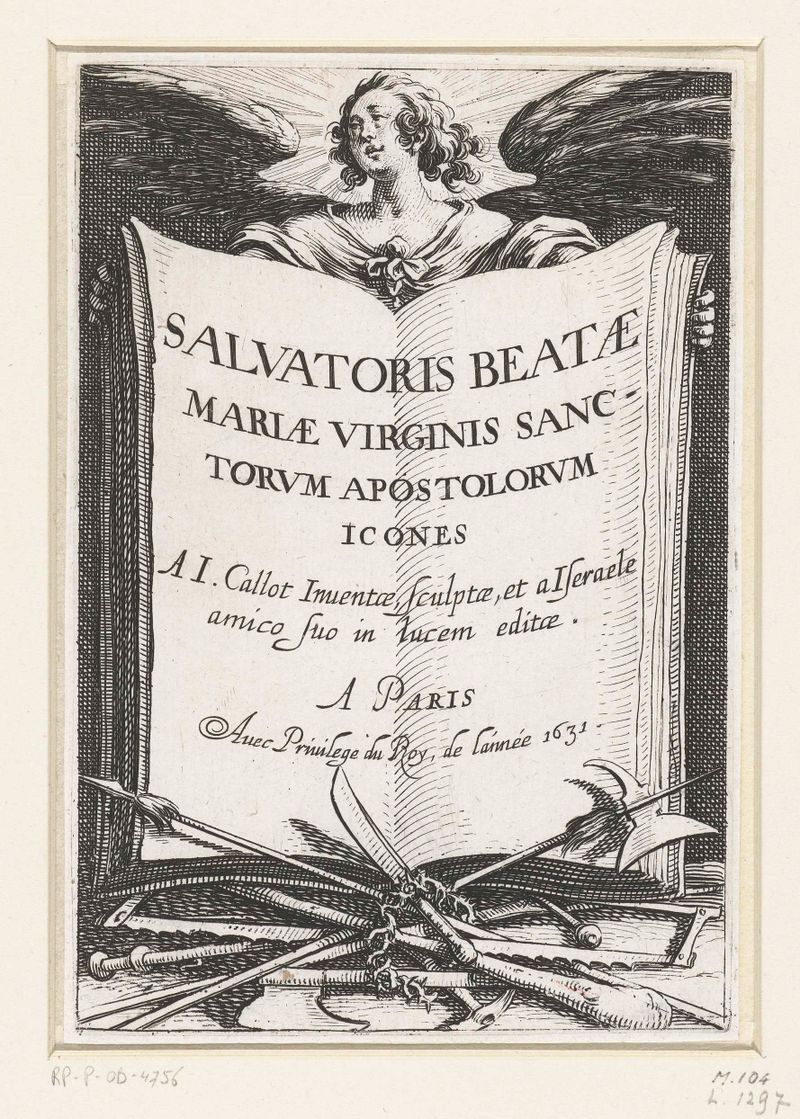
Titelprent voor de prentreeks 'De grote apostelen' (Christus, Maria en de apostelen)
Jacques Callot

Christus aan het volk getoond (Ecce homo)
Jacques Callot
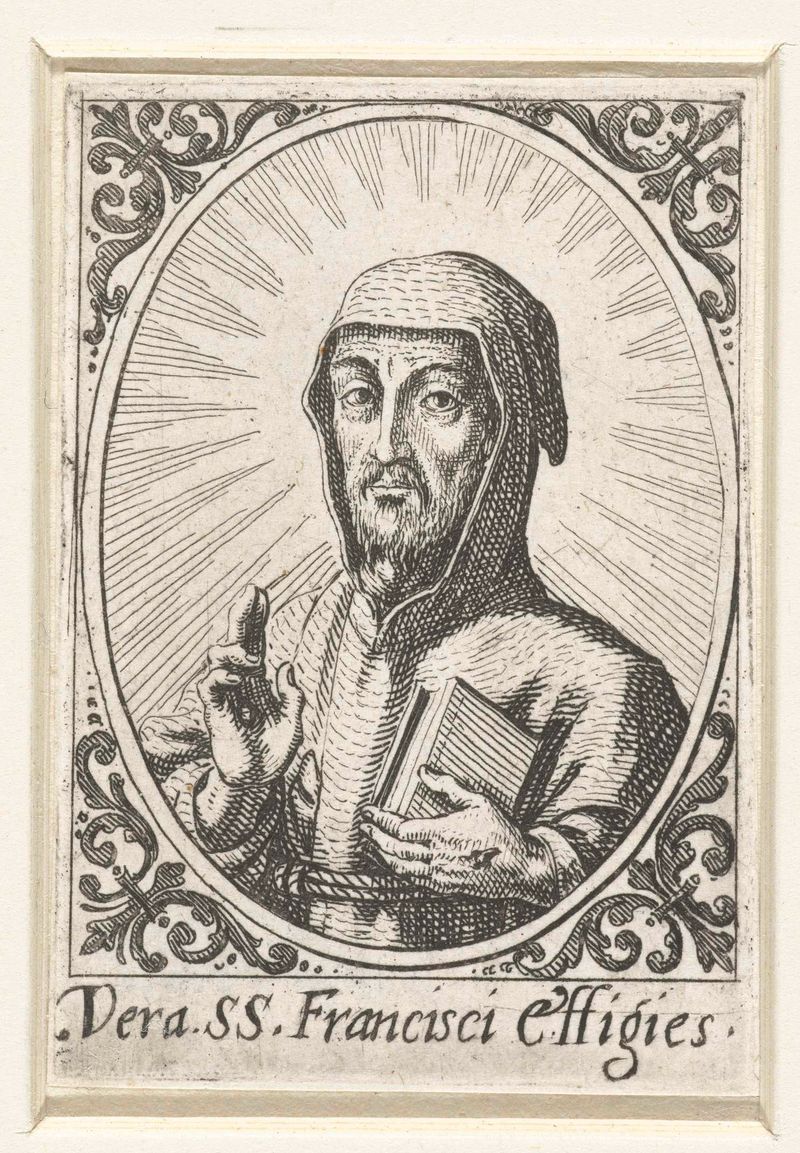
Portret van de Heilige Franciscus
Jacques Callot
More Religious Art
Browse all →
The Return of the Prodigal Son
Rembrandt van Rijn

The Garden of Earthly Delights
El Bosco

Count Orgaz’ funeral
El Greco

The Hundred Guilder Print: the central piece with Christ preaching, the plate arched
Rembrandt van Rijn

The Descent from the Cross
Rogier van der Weyden

The return of the prodigal son
Rembrandt van Rijn