
Church at Wola Radziszowska — History & Facts
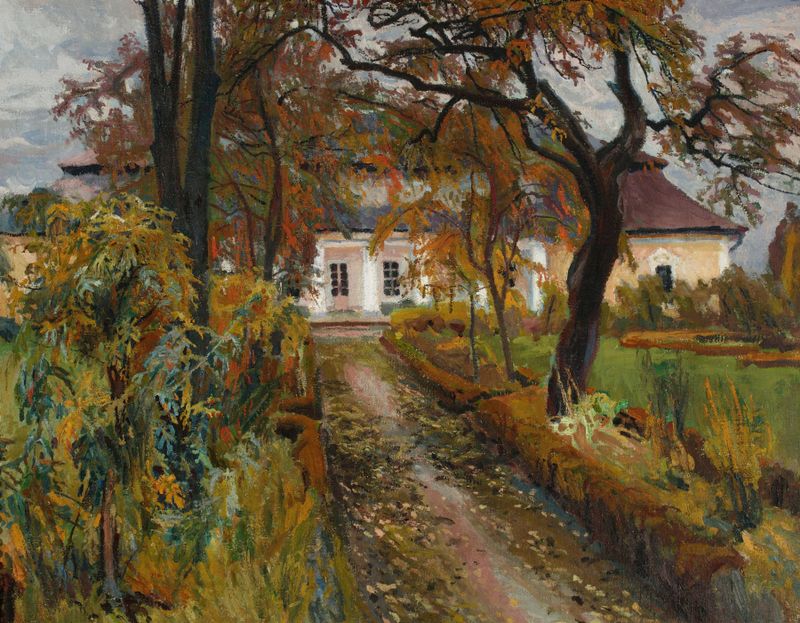
When did color learn to lie? In Church at Wola Radziszowska, hues dance on the canvas, weaving a narrative that teeters on the edge of reality and insanity. Look to the foreground where the church stands, its façade bathed in a warm glow that suggests serenity, yet hints at unease. Notice how the deep greens of the surrounding landscape create a stark contrast against the church's bright ochre, evoking a tension that pulls the viewer's gaze. The brushwork is both fluid and frantic, blurring the lines of architecture and nature—each stroke whispering secrets beneath layers of paint.
Shadows play tricks, inviting curiosity, and yet a creeping sense of madness looms over the tranquil scene. The juxtaposition of light and shadow hints at underlying emotional turmoil. The church, often a symbol of refuge, appears isolated, its vibrant colors almost mocking the quiet life around it. There’s a dissonance in the brushstrokes; the frantic energy clashes with the stillness expected from a sacred space, suggesting that the serenity we seek is often a facade hiding deeper psychological unrest.
The verdant landscape encroaches, as if nature itself is reclaiming its dominion, leaving us to ponder the fragility of human constructs. In 1907, Stanisław Kamocki created this piece during a time of significant cultural shifts in Poland. He was part of the growing movement of artists seeking to capture the essence of their homeland through vibrant landscapes and local scenes. This positioning within the context of national identity, combined with personal experiences of turmoil and transformation in a rapidly changing world, influenced his approach to portraying the church as both a sanctuary and a source of unease.
More Artworks by Stanisław Kamocki
Browse all →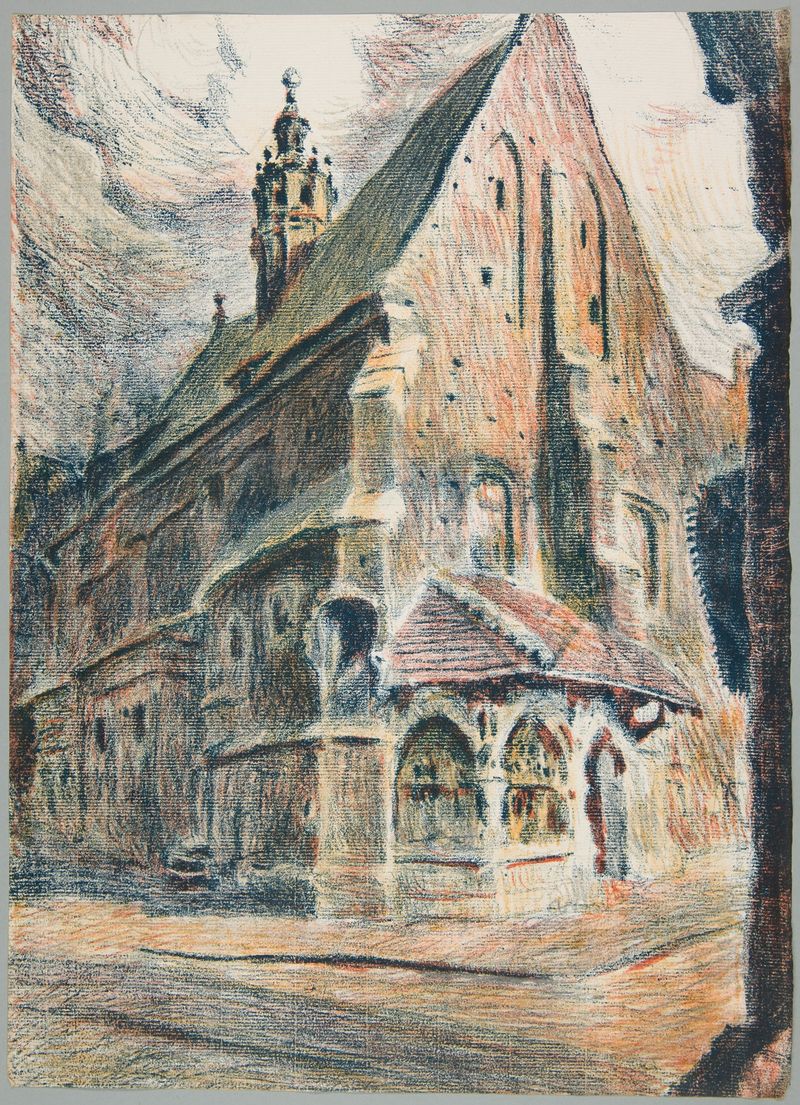
Church of St. Barbara
Stanisław Kamocki
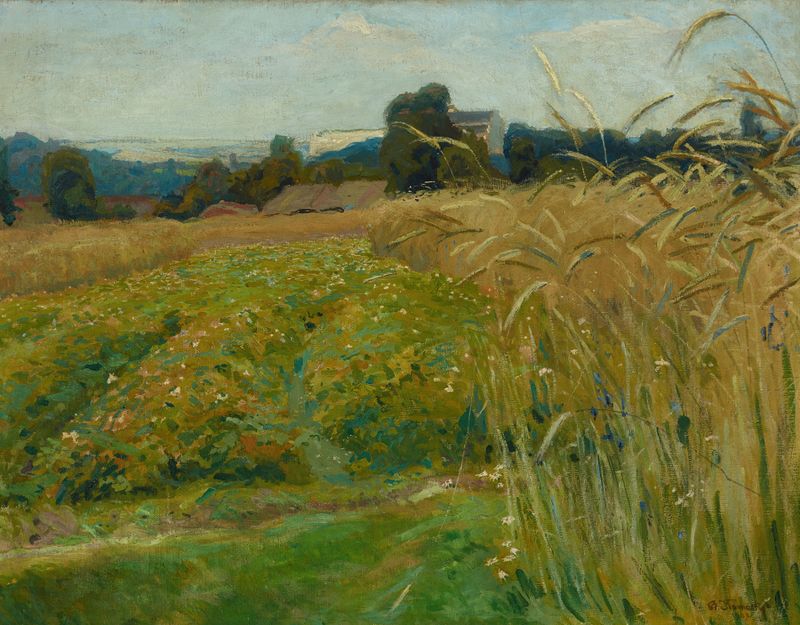
Landscape from the Vincity of Krakow
Stanisław Kamocki
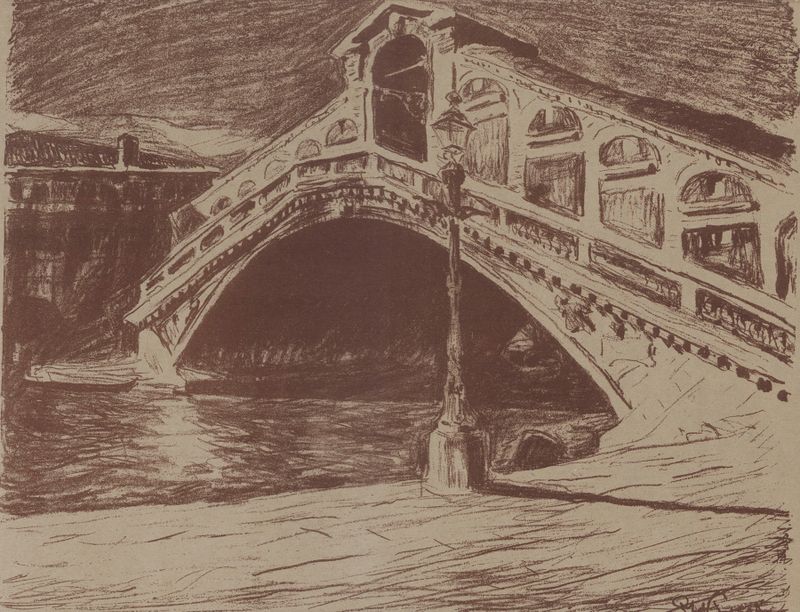
Rialto Bridge in Venice
Stanisław Kamocki
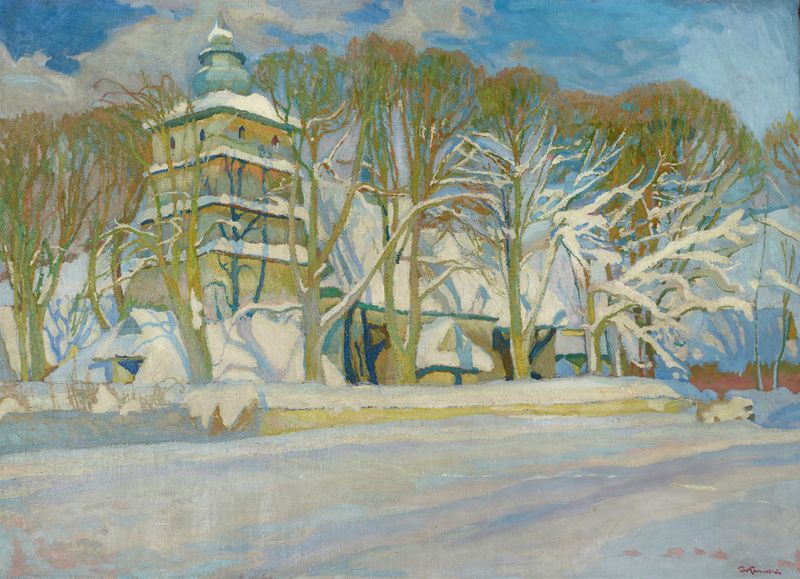
Church in Poronin
Stanisław Kamocki
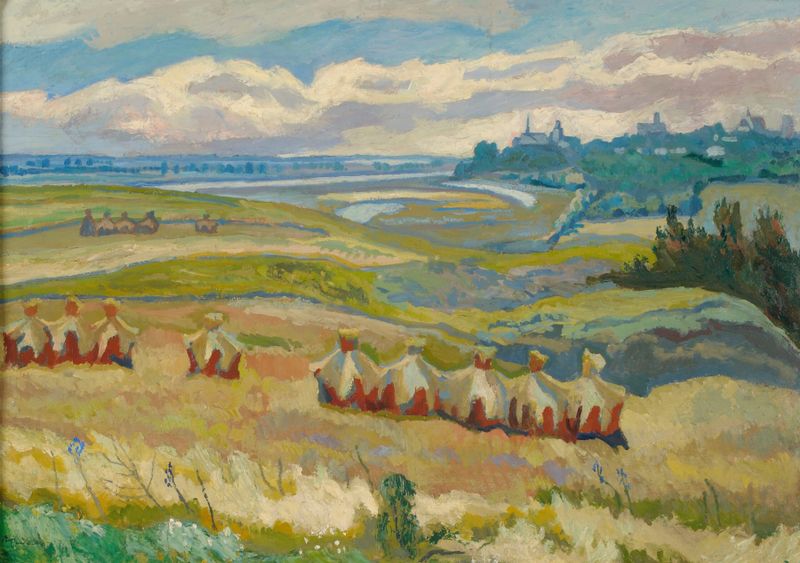
View of Sandomierz
Stanisław Kamocki
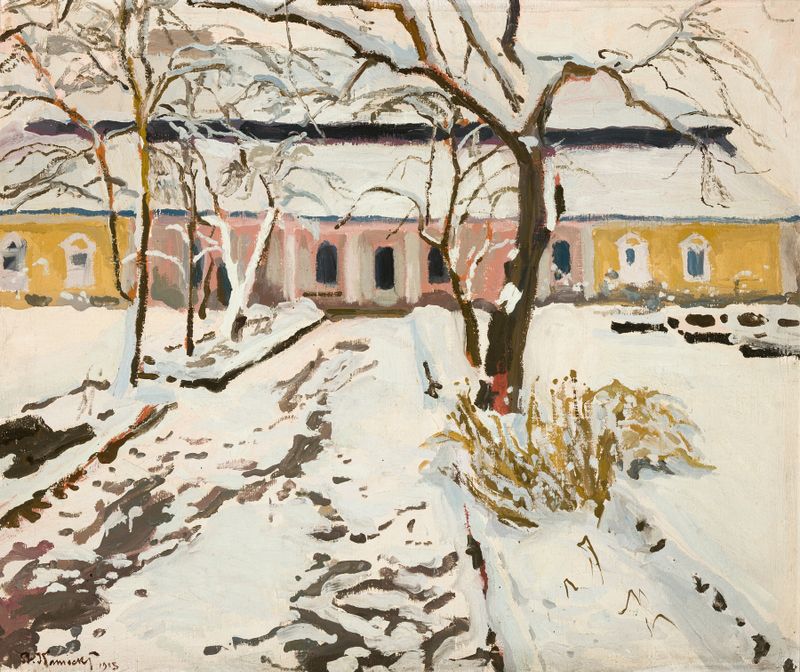
Manor-House at Modlnica in Winter
Stanisław Kamocki

Church in Libusza
Stanisław Kamocki
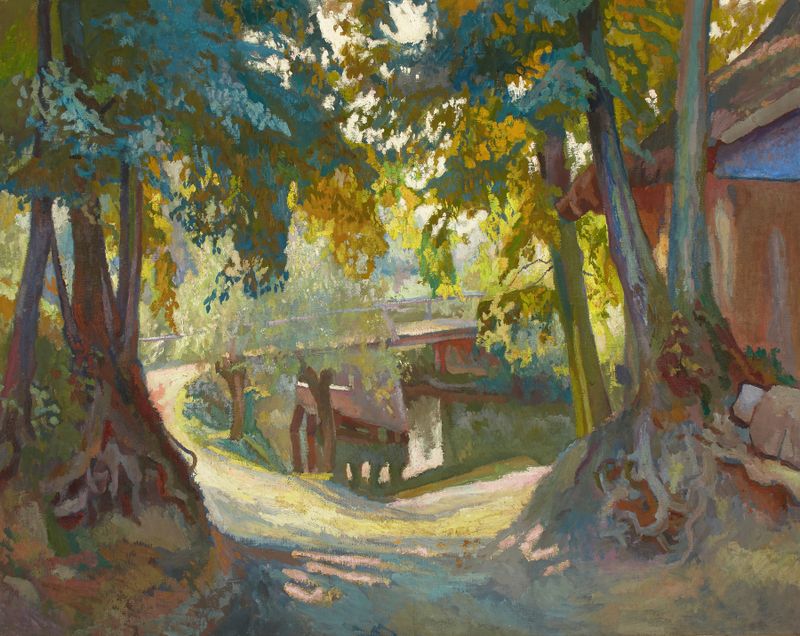
Day in Autumn
Stanisław Kamocki
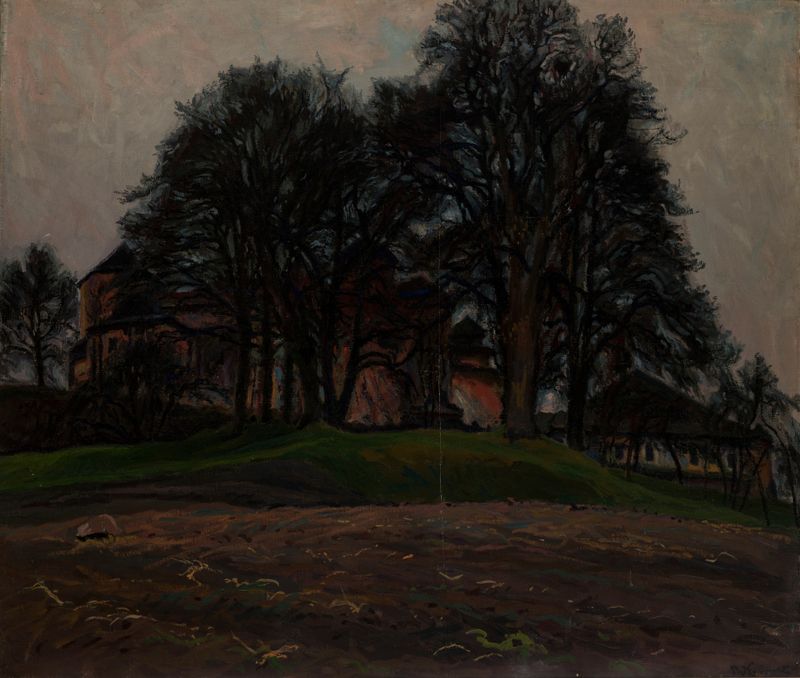
Late Autumn
Stanisław Kamocki
Manor house in autumn
Stanisław Kamocki





