
Ciala Kavak — History & Facts
In the quiet moments of reflection, we find melancholy etched into the fabric of existence, captured in a composition that transcends time. Begin by directing your gaze to the textured landscape that unfolds before you. Notice how the rolling hills weave seamlessly into a soft, muted sky, each brushstroke blending harmoniously with the next. The earthy tones invite a sense of grounding, while the delicate interplay of light and shadow emphasizes the depth of the scene, suggesting a beginning or an end — perhaps both. The emotional weight of the painting lies in its contrasts.
The lush greenery that flourishes seems to cradle a hidden sadness, a nostalgia for what once was. Subtle details, like the solitary figure in the distance, hint at a story of solitude and introspection, evoking an ache that lingers long after the eyes have wandered away. The stillness of nature juxtaposed with the presence of humanity underlines a profound connection between the two, a reminder of the beauty and fragility of life. In 1810, while residing in Italy, the artist was enveloped by a cultural milieu that valued both the romantic and the sublime.
This period marked a shift in the interpretation of landscapes, leaning towards emotional resonance rather than mere representation. Engaged with both nature and the human condition, he infused Ciala Kavak with echoes of his own experiences, mirroring a world in transition, fraught with personal and collective longing.
More Artworks by Luigi Mayer
Browse all →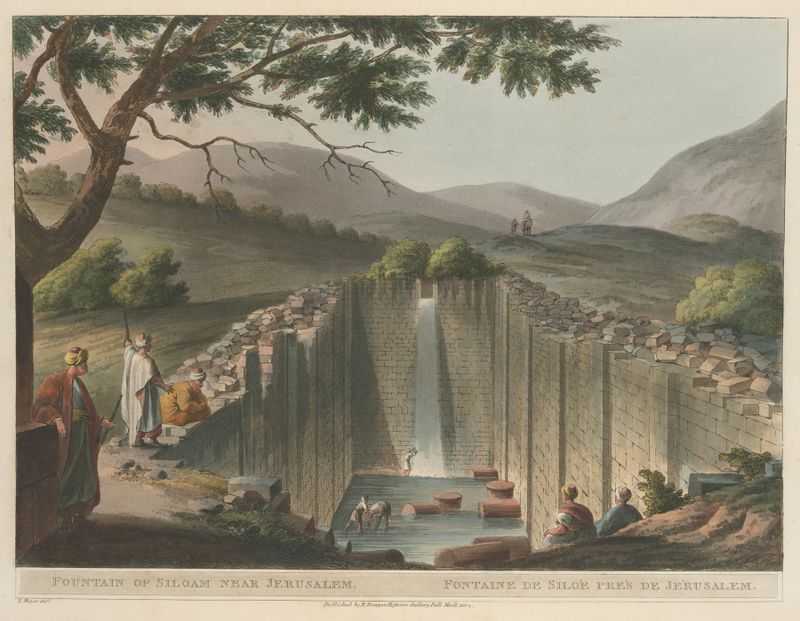
Fountain of Siloam Near Jerusalem
Luigi Mayer

View of the Dardanelles
Luigi Mayer
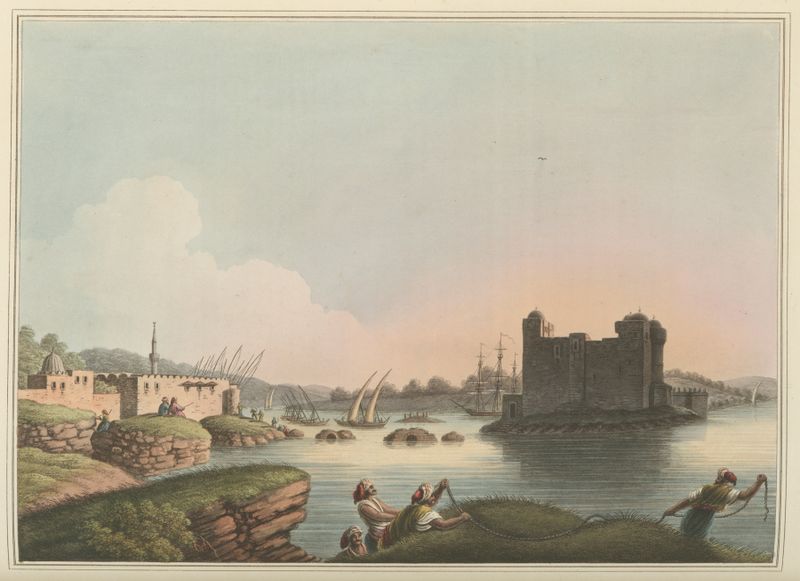
Port of Latachia
Luigi Mayer

Stadium at Ephesus
Luigi Mayer

Ancient Temples at Agrigentum
Luigi Mayer
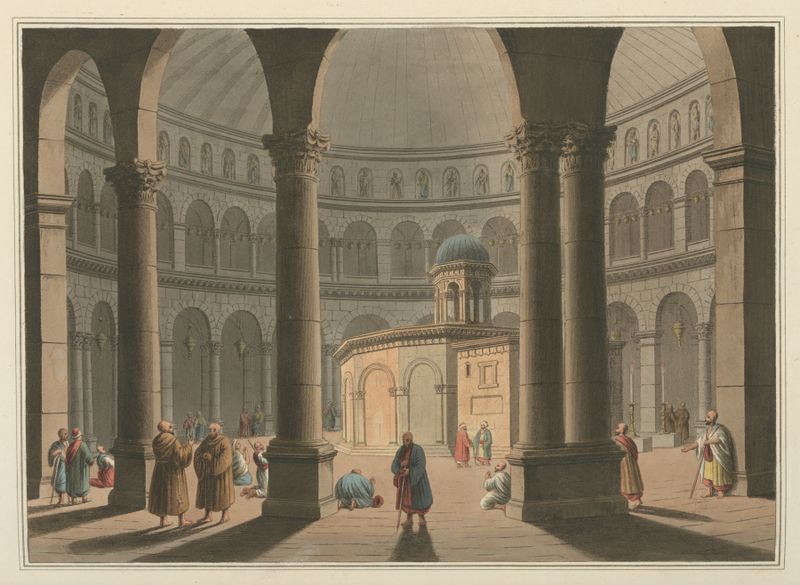
Church of the Holy Sepulchre
Luigi Mayer
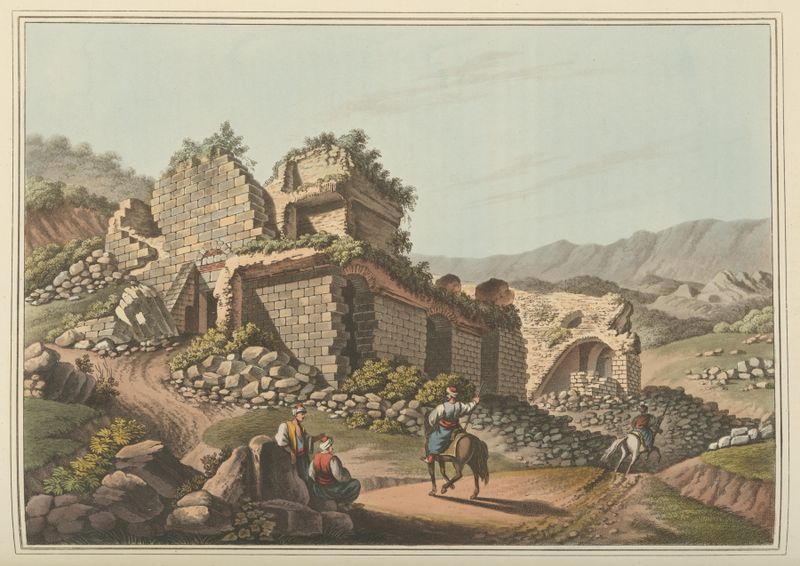
Theatre at Ephesus
Luigi Mayer
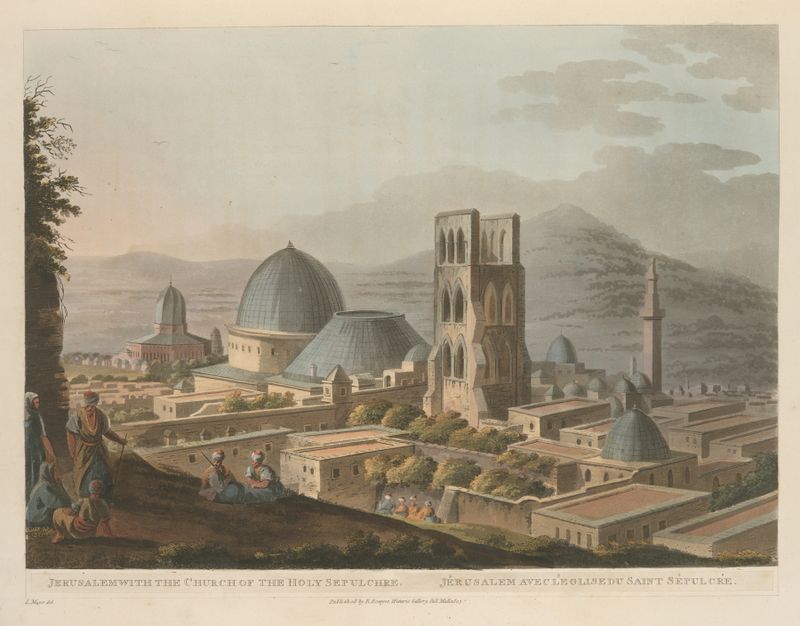
Jerusalem with the Church of the Holy Sepulchre
Luigi Mayer
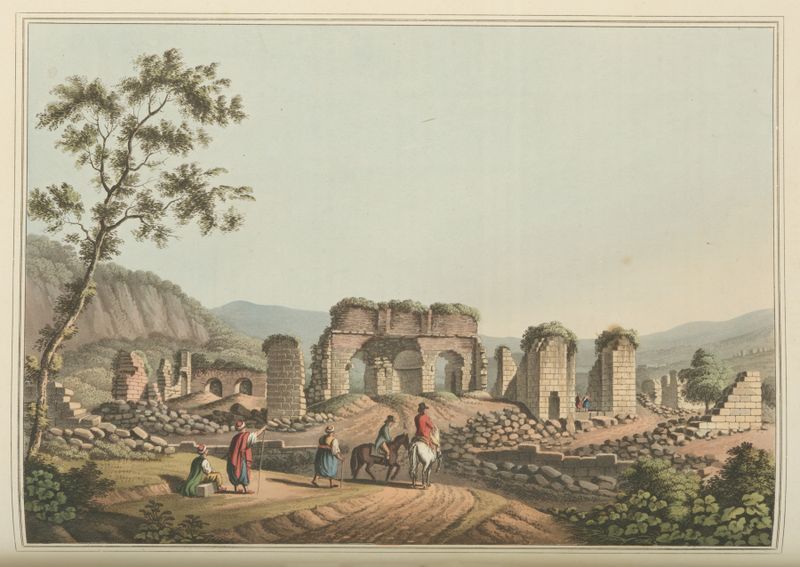
Ruins of the Temple of Diana at Ephesus
Luigi Mayer

Crater in the Island of Volcano
Luigi Mayer





