
Cima di Fiocobon und Cima di Campido vom Nordwestrande des Altipiano delle Pale di San Martino — History & Facts
This sentiment resonates deeply within the ethereal landscape rendered by Edward Theodore Compton, where light dances upon the rugged mountains and whispers stories of both grandeur and solitude. Focus first on the interplay of light and shadow across the peaks, where the golden rays seem to cradle the towering mountains, revealing their textures and intricacies. Notice how the soft blues of the sky blend seamlessly with the warm earth tones below, creating a sense of harmony that evokes both awe and introspection. The composition draws your gaze upward, urging you to explore the lofty heights that evoke a sense of aspiration, yet hint at the isolation inherent in such beauty. Beneath the surface, this artwork captures a poignant juxtaposition—between the breathtaking majesty of nature and the solitude it can evoke.
The serene light contrasts with the jagged edges of the mountains, symbolizing the duality of beauty: it’s awe-inspiring yet daunting, captivating yet lonely. Each brushstroke seems to pulse with emotion, inviting viewers to reflect on their own experiences of joy and longing amid splendor. Compton created this piece during a time when landscape painting was experiencing a renaissance, exploring the interplay of light and environment. Working primarily in the late 19th and early 20th centuries, he was influenced by the Romantic ideals of nature's beauty and the emerging Impressionist techniques that emphasized the fleeting effects of light.
In this work, he captures not just a scene, but a moment in the evolving narrative of art, where nature becomes a vessel for deep emotional expression.
More Artworks by Edward Theodore Compton
Browse all →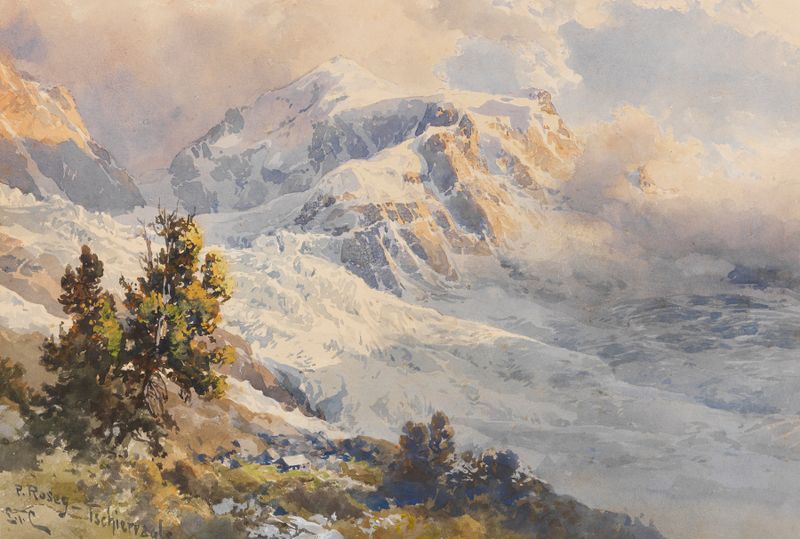
Piz Roseg – Tschiervagletscher
Edward Theodore Compton
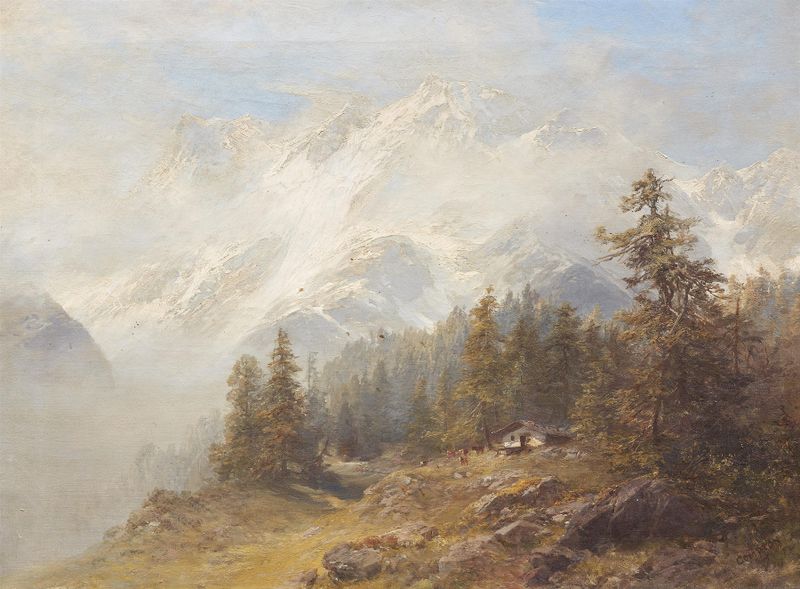
Alpenlandschaft vor schneebedecktem Massiv
Edward Theodore Compton
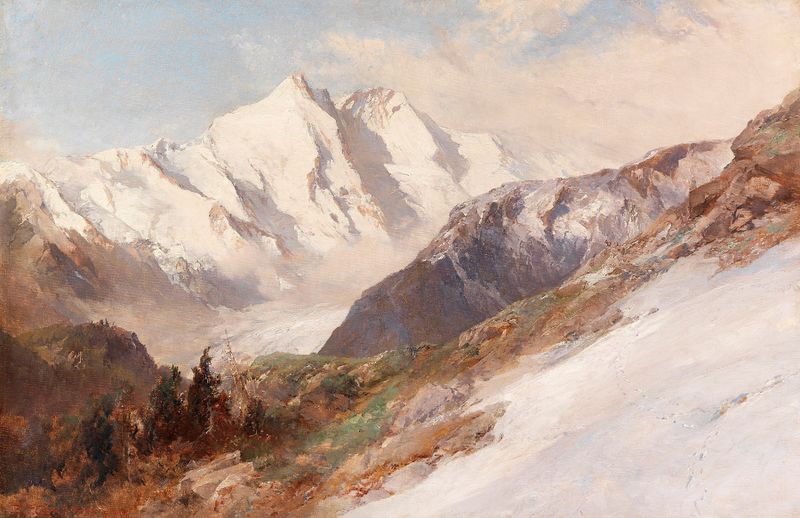
Blick auf die Nordseite des Großglockners
Edward Theodore Compton
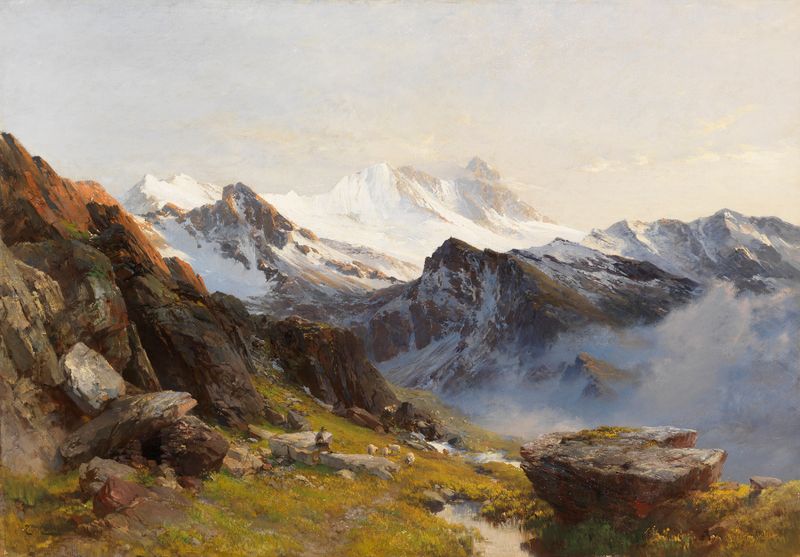
Großglockner von der Prager Hütte aus, früh
Edward Theodore Compton
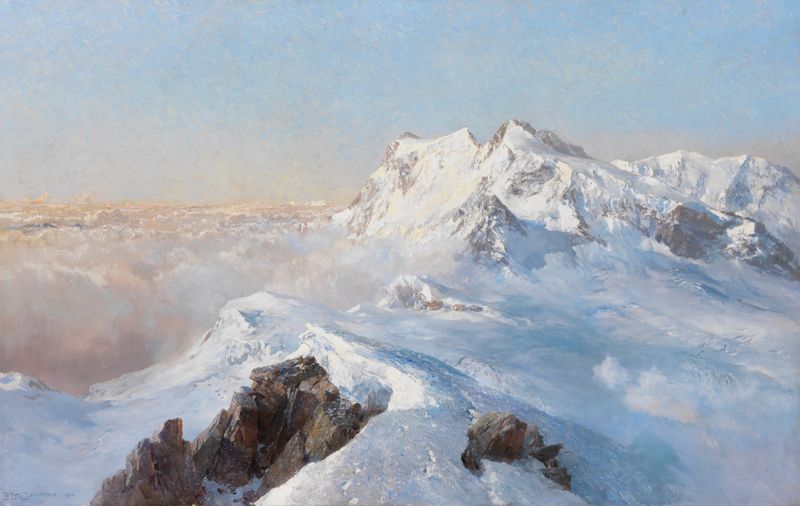
Über dem Nebelmeer (Monte Rosa vom Rimpfischhorn)
Edward Theodore Compton
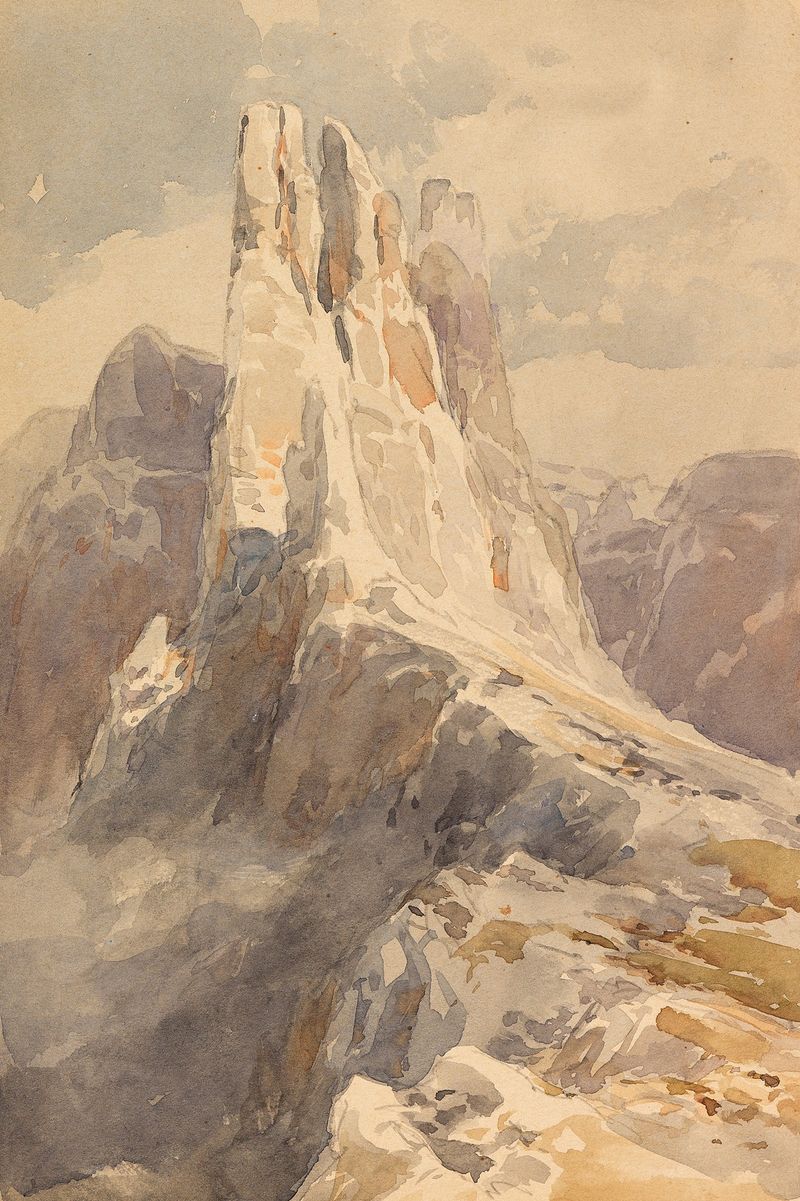
Blick auf die Vajolet-Türme in den Dolomiten
Edward Theodore Compton
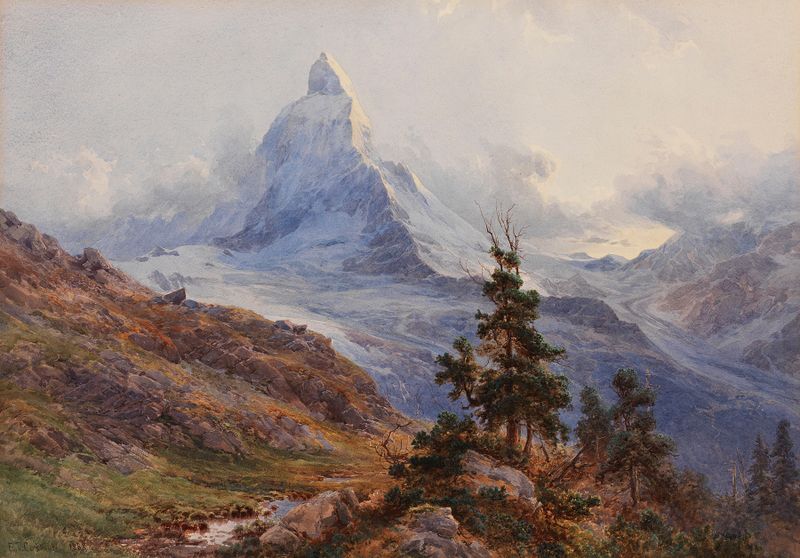
View of the Matterhorn
Edward Theodore Compton
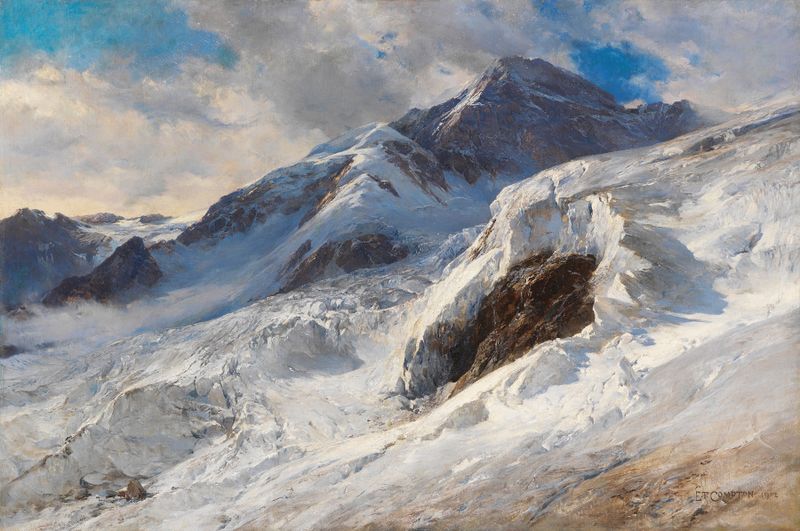
Lyskamm (Monte-Rosa)
Edward Theodore Compton
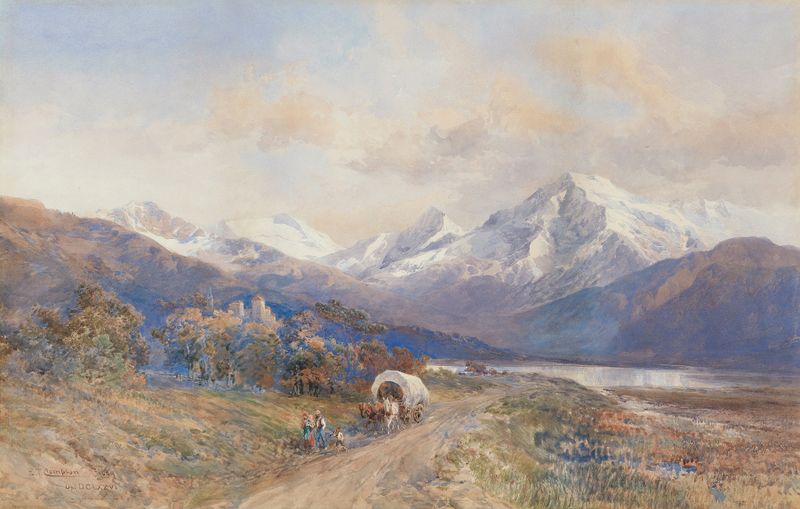
Blick auf den Ortler von St. Valentin
Edward Theodore Compton
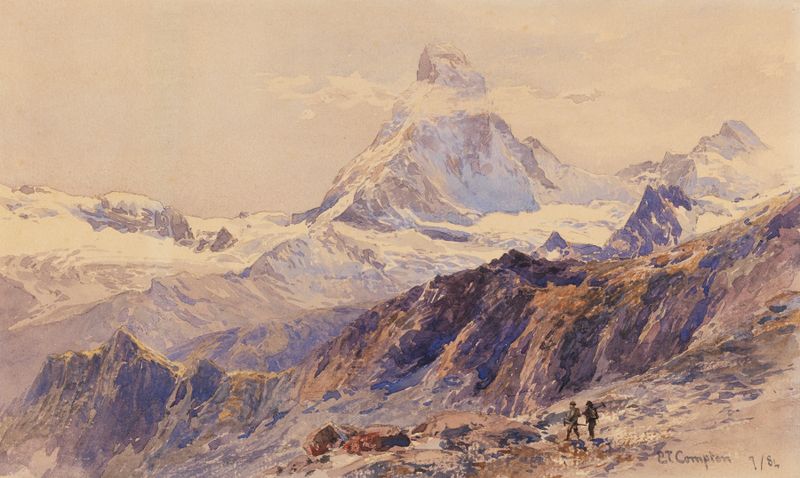
Das Matterhorn von der Triftkumme
Edward Theodore Compton





