
City Fire — History & Facts
In the tumult of fire and smoke, a dance of destruction unfolds, where flames consume and illuminate with equal fervor. The chaos of urban life is transformed into a striking tapestry, revealing an unexpected balance between calamity and artistry. Look to the center where the swirling flames leap into the night sky, their vibrant oranges and yellows contrasting sharply against the cool blues and grays that dominate the horizon. Notice how the artist employs delicate strokes to capture the flickering movement of fire, while the static buildings stand witness, their structures outlined in dark hues.
This interplay of fluidity and stillness creates a tension that speaks to the heart of urban existence itself. In this artwork, the juxtaposition of destruction and beauty evokes a profound reflection on modernity. The flames, while a symbol of chaos, also illuminate the darkened cityscape, suggesting that from upheaval can emerge clarity and resilience. Furthermore, the soft interplay of color hints at the emotional weight of loss, reminding us of the fragility of life amidst the relentless march of progress. Painted during a time when the world was grappling with rapid industrialization, City Fire emerged between 1870 and 1918, capturing the spirit of an era rife with conflict and transformation.
Lepère, immersed in the dynamic art scene of Paris, effectively bridged traditional techniques with modern themes, reflecting both personal and societal struggles in his powerful compositions. His work resonates with a sense of urgency, encapsulating the duality of creation and destruction that defines urban life.
More Artworks by Auguste Louis Lepère
Browse all →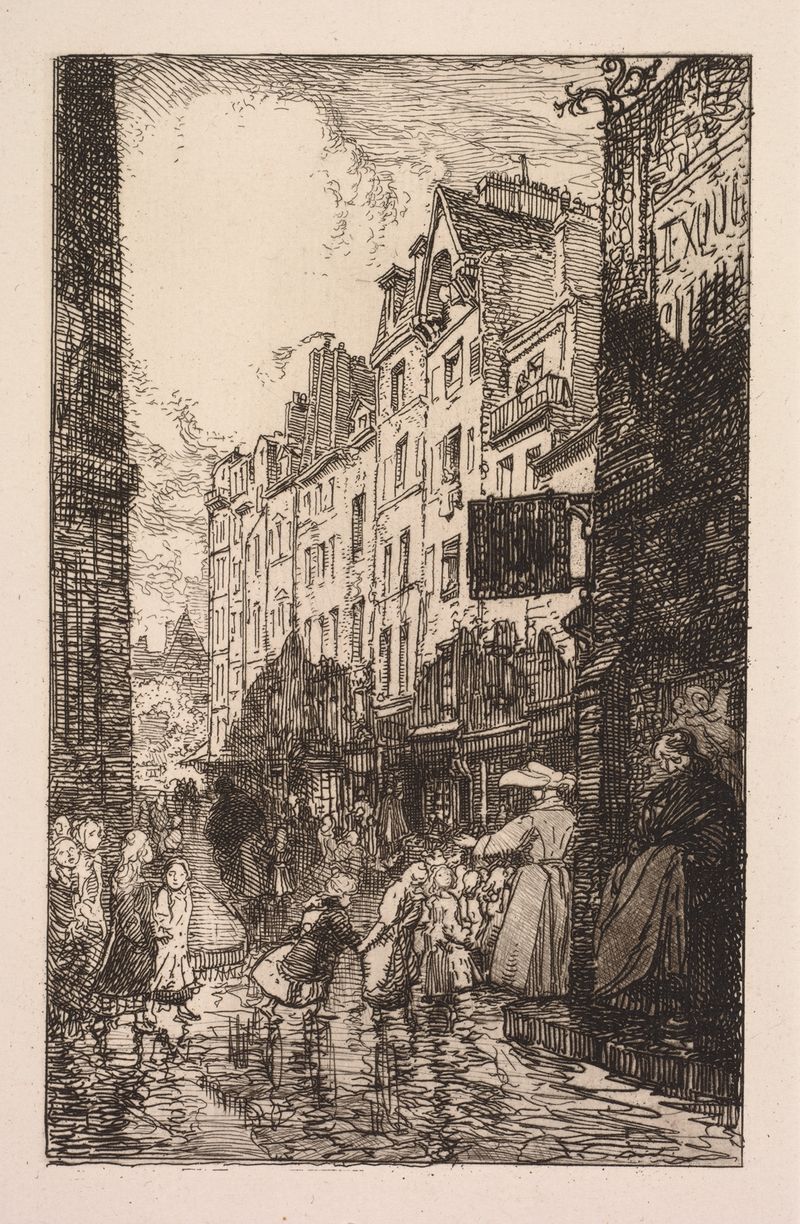
La Rue des Prêtres Saint-Séverin
Auguste Louis Lepère
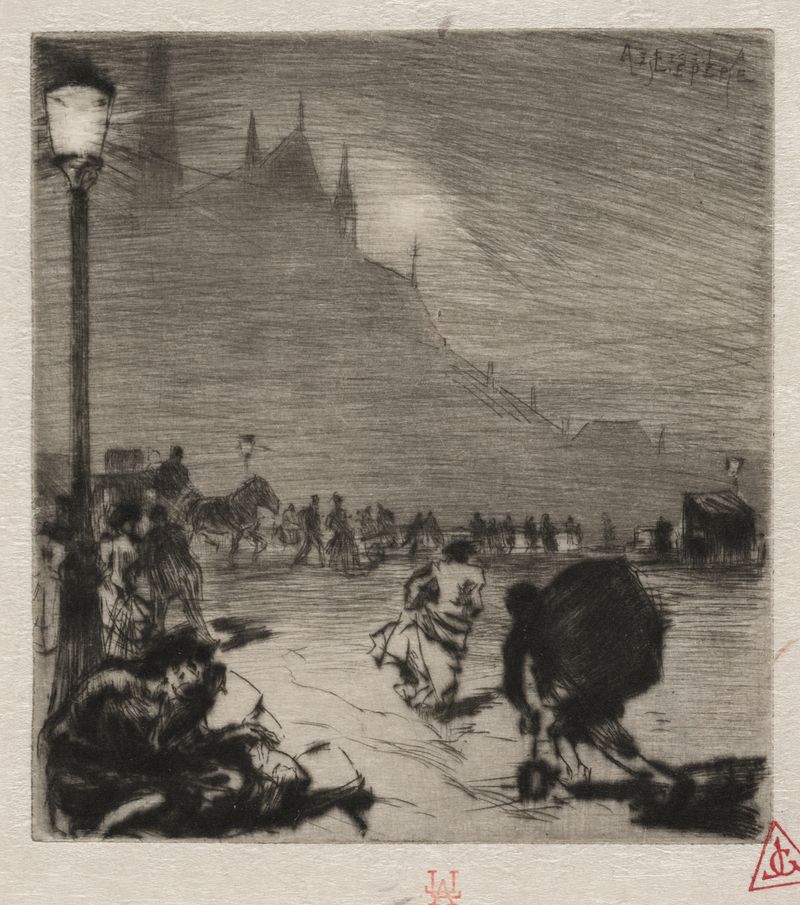
Au Coin du Pont-aux-Doubles
Auguste Louis Lepère
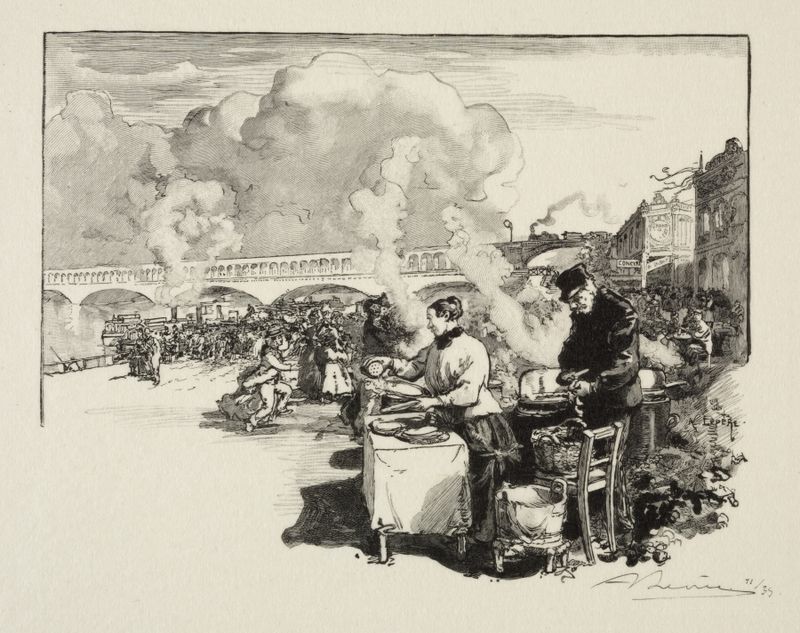
Debarcadère des bateaux-omnibus
Auguste Louis Lepère

La Seine, au quai de la Rapée
Auguste Louis Lepère
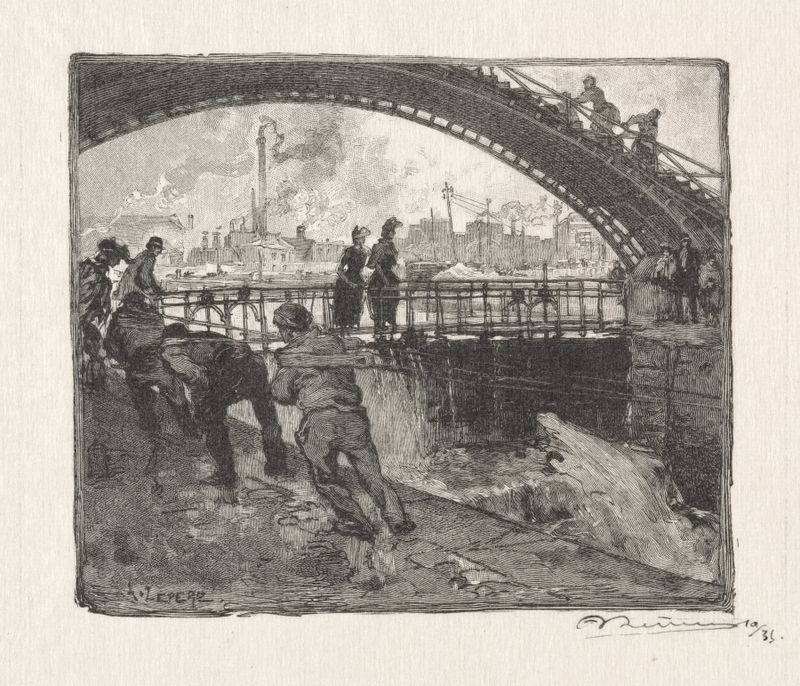
L’Ecluse du Canal St. Martin
Auguste Louis Lepère

Le Boulevard Montmartre, le Soir
Auguste Louis Lepère

Une Chasse au Mont Gérard
Auguste Louis Lepère
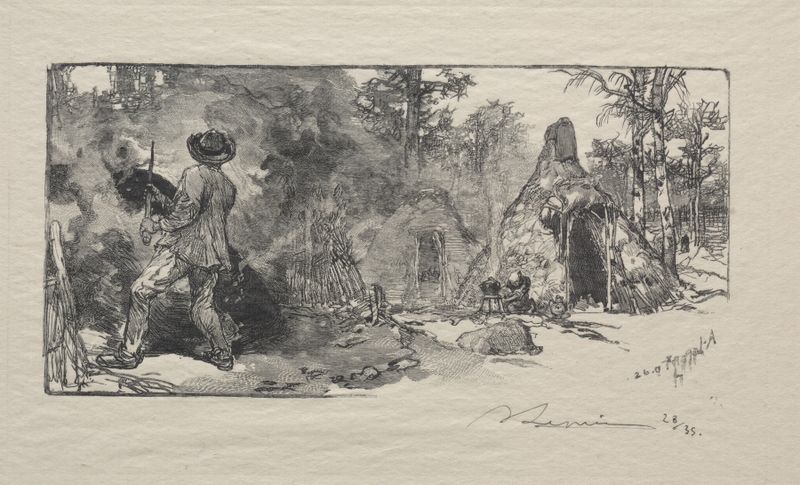
Les Charbonniere
Auguste Louis Lepère
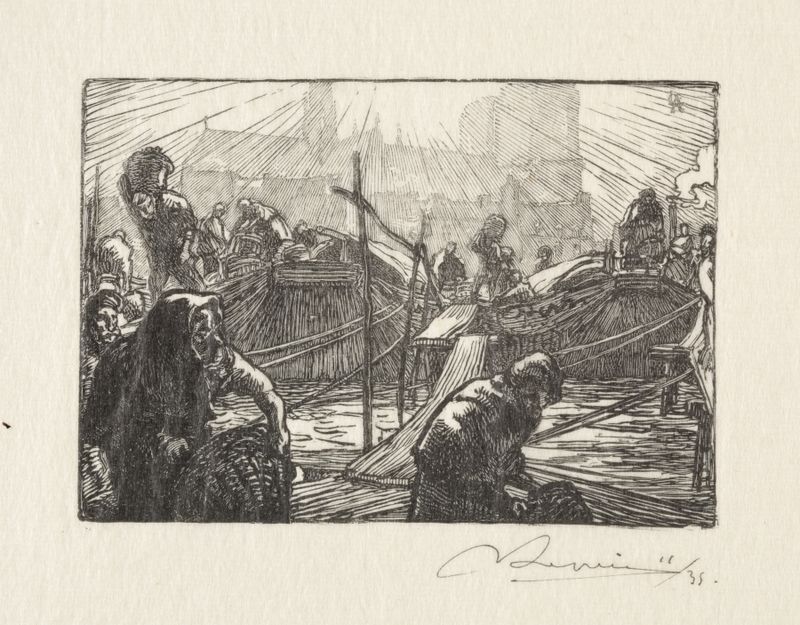
Notre Dame vue du Marché aux pommes
Auguste Louis Lepère

Le Palais des Arts Liberaux, Intèrieur
Auguste Louis Lepère





