
City of Bethlehem, in Palestine — History & Facts
When did color learn to lie? In City of Bethlehem, in Palestine, the hues swirl and dance, whispering the secrets of a place steeped in ancient narratives and modern disillusionment. The vibrant palette suggests vitality, yet beneath it lies a tension, a flicker of madness that brings the viewer to question the truth of what they see. Focus first on the striking blues and ochres that delineate the landscape. The viewer's gaze will be drawn to the rolling hills, where deep shadows play against the sunlit facades of the buildings.
Notice how the artist meticulously layers texture, allowing the strokes to evoke the ruggedness of the terrain while capturing the ethereal quality of light that bathes the scene. Each color choice serves to elevate the ordinary, while simultaneously hinting at the complexities that lie beneath the surface. Yet, amid this vibrant portrayal, a discord exists. The idyllic structure of the town contrasts sharply with the chaotic brushstrokes that speak of underlying unrest.
The lushness of the landscape juxtaposes the starkness of human experience; it embodies both sanctuary and turmoil, raising questions about the very essence of peace in such a historic locale. The colors, while arresting, also beg the viewer to ponder the narratives of anguish and madness interwoven in the fabric of this city. Luigi Mayer created this work in 1810 during his travels in the Middle East, a period when Western artists were beginning to explore and document distant lands with an eye toward romanticism and realism. Living in a time of political upheaval and exploration, Mayer's artistic endeavors reflected not just a documentation of place but also a fascination with the narratives and contradictions present in those landscapes and cultures.
More Artworks by Luigi Mayer
Browse all →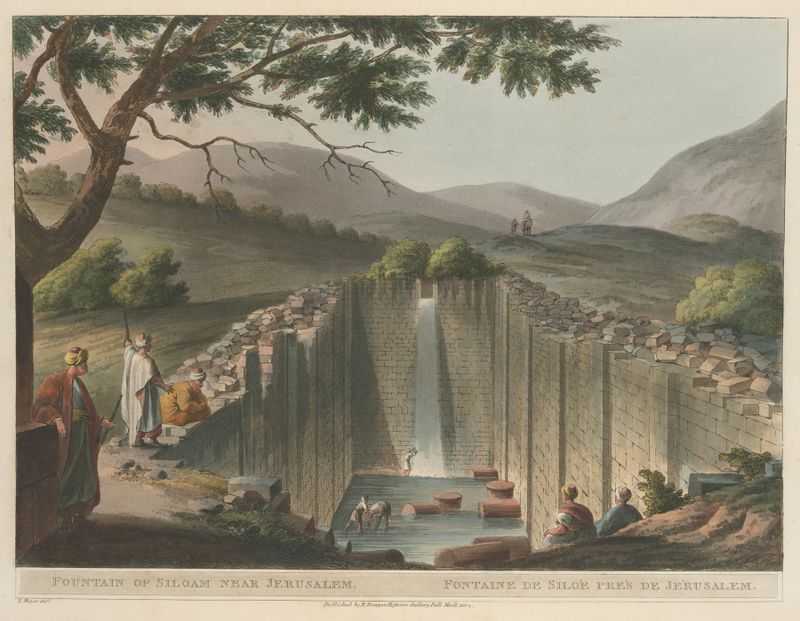
Fountain of Siloam Near Jerusalem
Luigi Mayer

View of the Dardanelles
Luigi Mayer
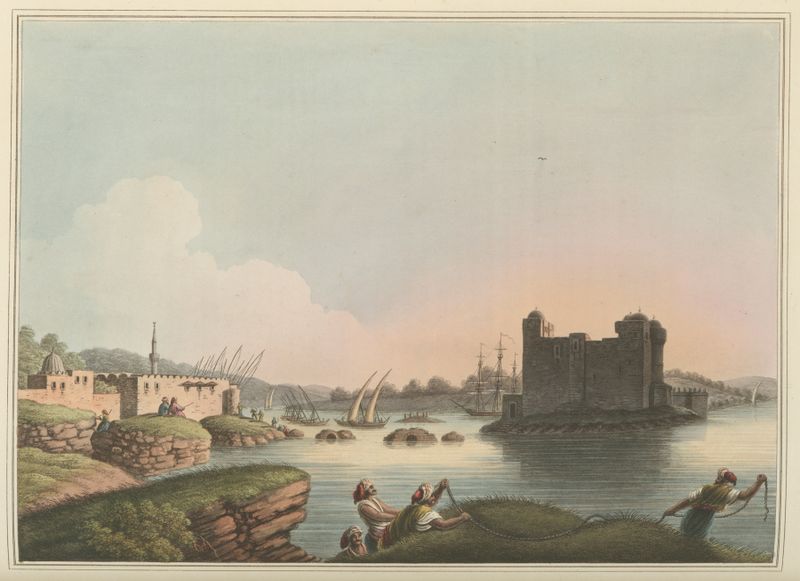
Port of Latachia
Luigi Mayer

Stadium at Ephesus
Luigi Mayer

Ancient Temples at Agrigentum
Luigi Mayer
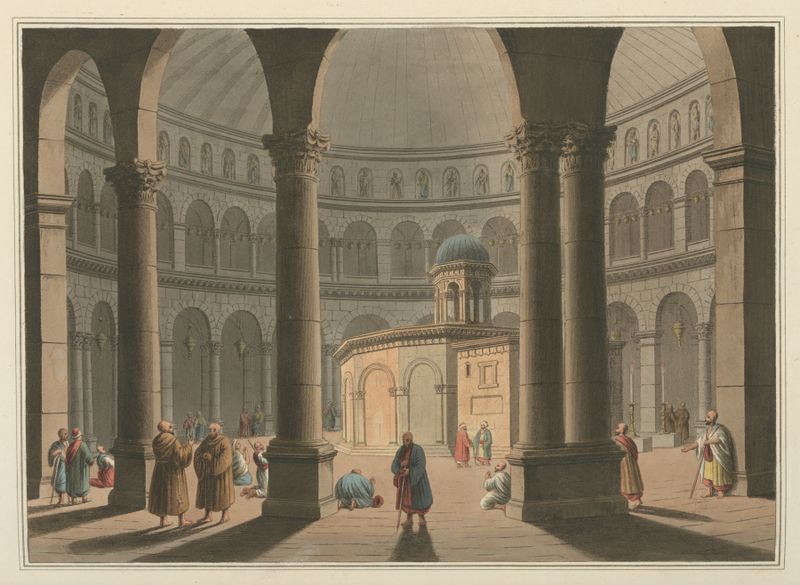
Church of the Holy Sepulchre
Luigi Mayer
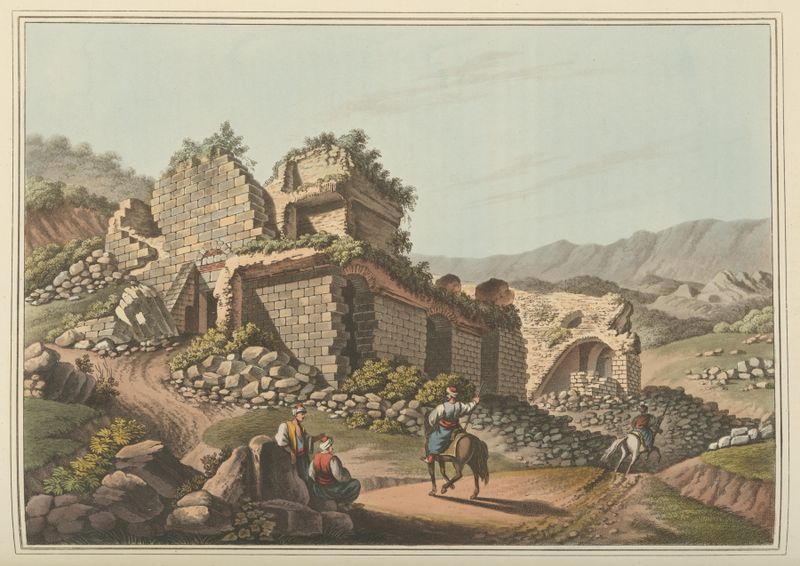
Theatre at Ephesus
Luigi Mayer
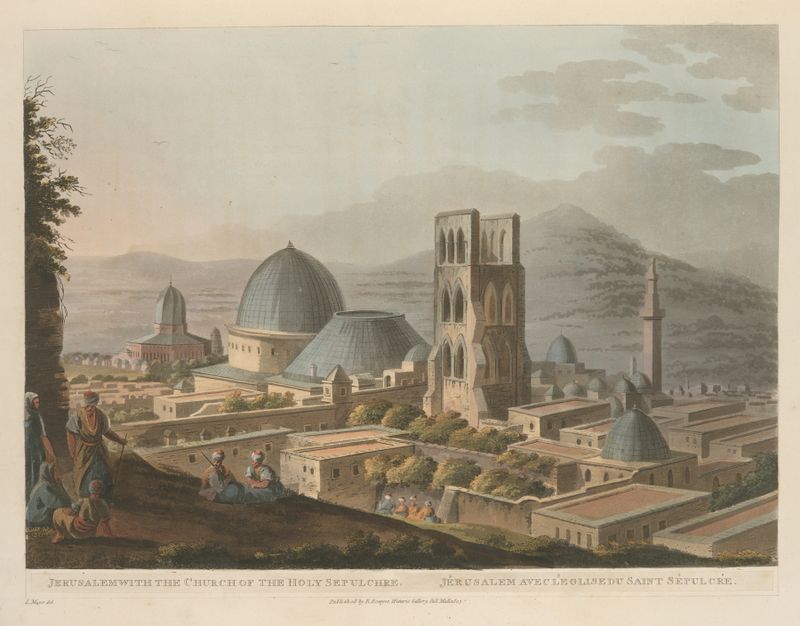
Jerusalem with the Church of the Holy Sepulchre
Luigi Mayer
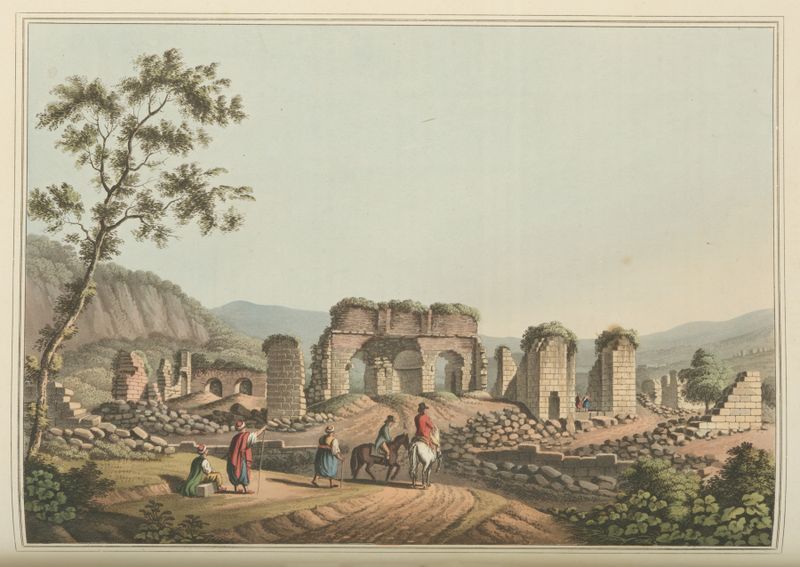
Ruins of the Temple of Diana at Ephesus
Luigi Mayer

Crater in the Island of Volcano
Luigi Mayer





