
Classical Landscape with Ruin on Left, Two Figures on Right — History & Facts
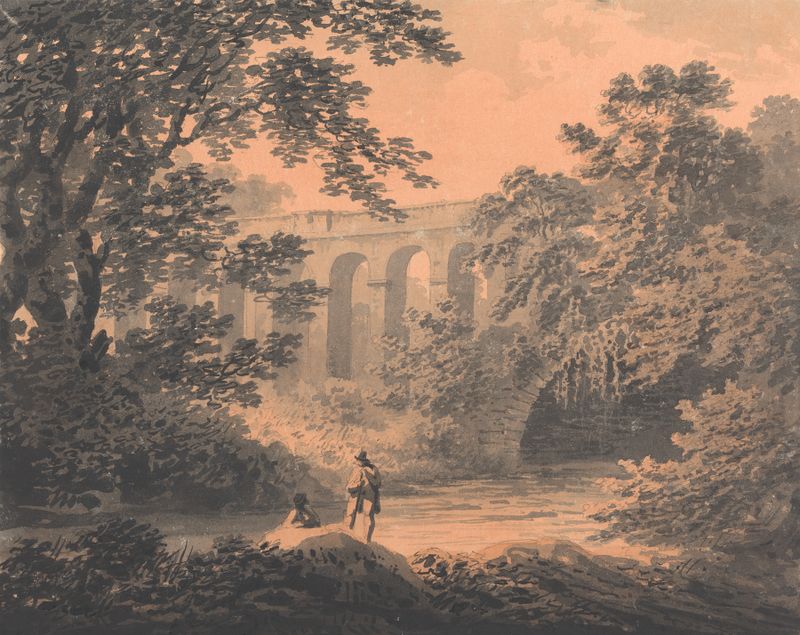
In every stroke lies a whisper of betrayal, where nature’s beauty masks an underlying tension. What stories linger in the shadows of forgotten ruins, waiting to be unearthed? Look to the left, where the crumbling edifice stands tall yet vulnerable against the lush backdrop of verdant hills. The play of light highlights the weathered stones, their rough surfaces a testament to time’s relentless passage.
To the right, two figures engage in quiet contemplation, their forms juxtaposed against the grandeur of the landscape, drawing viewers’ gazes towards their silent exchange. The palette is a harmonious blend of earth tones and gentle greens, creating a sense of nostalgia that reverberates through the composition. Hidden within this serene vista is the duality of decay and vitality. The ruin suggests a past filled with stories, evoking a sense of loss and betrayal, while the figures, caught in their moment, hint at unresolved emotions and the fragility of connection.
The interplay between the serene landscape and the shadow of the ruin embodies an emotional tension, inviting viewers to reflect on the transient nature of beauty and the layers of history that shape our present. William Gilpin painted this work between 1745 and 1748 during a period when the British picturesque movement began to flourish. Living in a time of social change and artistic exploration, he sought to capture nature's sublime beauty while reflecting on the complexities of human experience. This artwork stands as a testament to those explorations, merging the aesthetic with the introspective in a landscape rich with meaning.
More Artworks by William Gilpin
Browse all →
Bridgnorth Bridge, Shropshire
William Gilpin
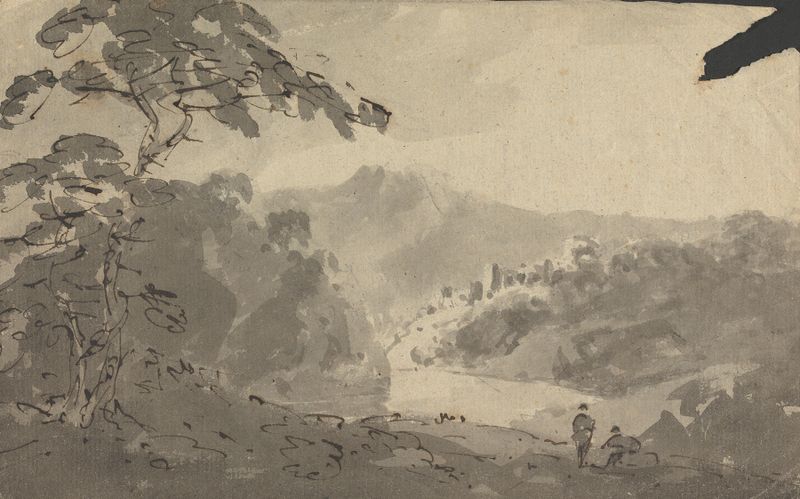
Two Men Looking Into Landscape with Castle, River and Mountain Scene
William Gilpin
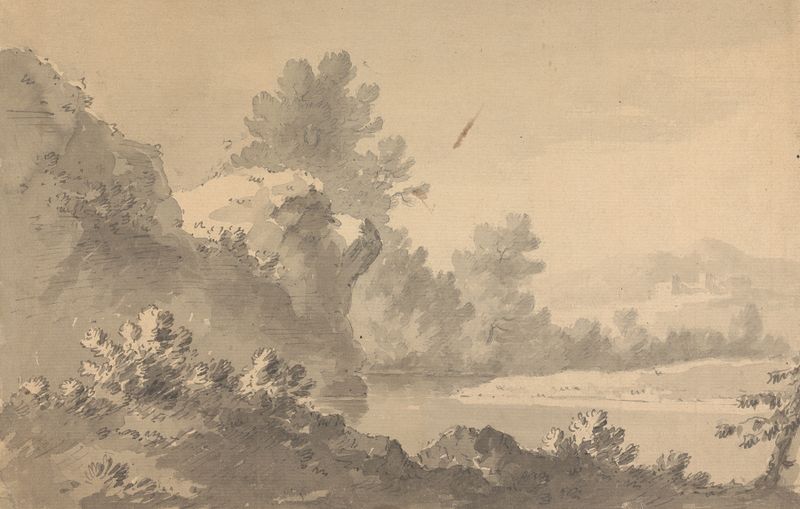
River Landscape with Castle in the Distance
William Gilpin
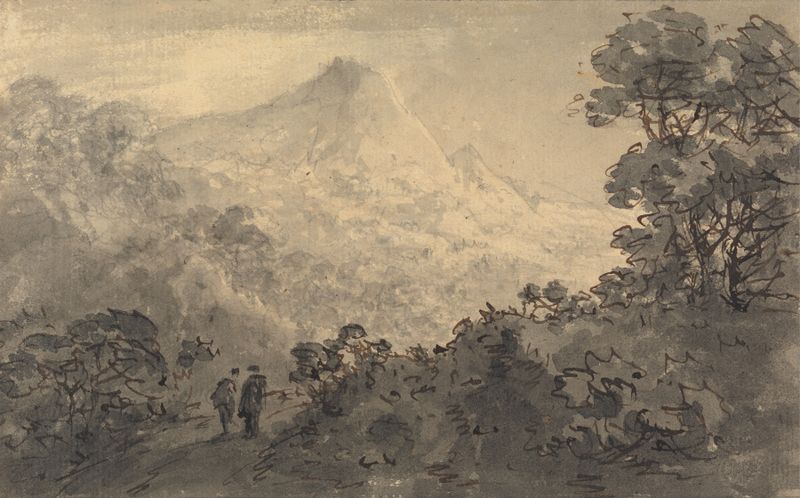
Snowdon
William Gilpin

Hilly Landscape
William Gilpin
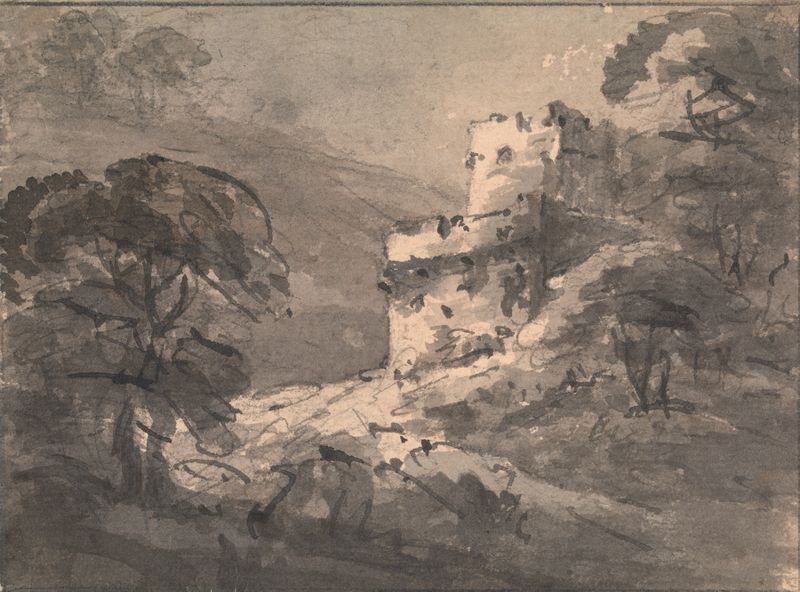
Landscape with a Ruined Castle on the Right
William Gilpin

Mountainous Landscape with Trees – High Crags to the Right
William Gilpin

View of Castle Ruin
William Gilpin
Bridge on the Malton Road from York
William Gilpin

Landscape with Two Trees and Castle
William Gilpin





