
Classical Ruins, Syria — History & Facts
In the stillness of time, shadows dance across the remnants of a forgotten civilization, whispering stories of grandeur and decay. Look to the left at the crumbling columns, their weathered forms silhouetted against a luminous sky. Notice how the light bathes the scene in a warm, golden hue, highlighting the intricate details of the stonework while casting deeper shadows into the recesses of history. The careful brushstrokes evoke a sense of texture, inviting the viewer to feel the weight of time itself as it presses upon these ancient structures. The painting breathes tension between the vividness of the sunlight and the encroaching darkness of the shadows, hinting at both the beauty of what was and the inevitable passage of time.
Each ruin stands as a testament, suggesting that while civilization wanes, memory lingers. The interplay of light and shadow reflects not just the physical decay but also the emotional weight of loss and nostalgia, urging the viewer to contemplate the narratives hidden within these stones. Frederic Edwin Church created Classical Ruins, Syria in 1868 during a period marked by growing interest in the Near East among Western artists. At this time, Church was established as a leading figure in the Hudson River School, known for his grand landscapes that merged realism with romanticism.
His focus on exotic locales and ancient histories mirrored a broader cultural fascination with the past, as well as a desire to connect with a world that was rapidly modernizing and, in many ways, forgetting its roots.
More Artworks by Frederic Edwin Church
Browse all →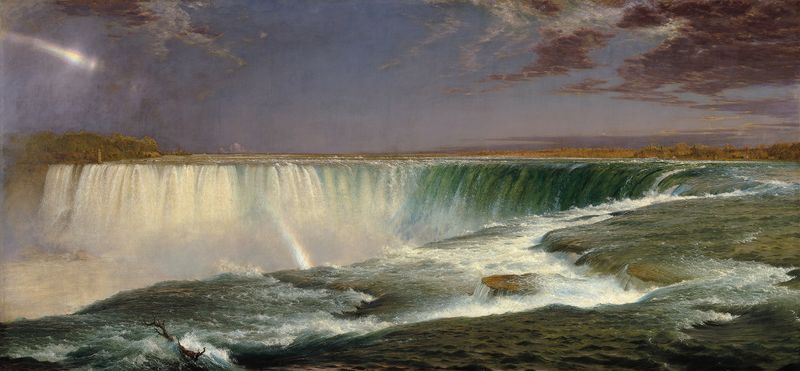
Niagara
Frederic Edwin Church
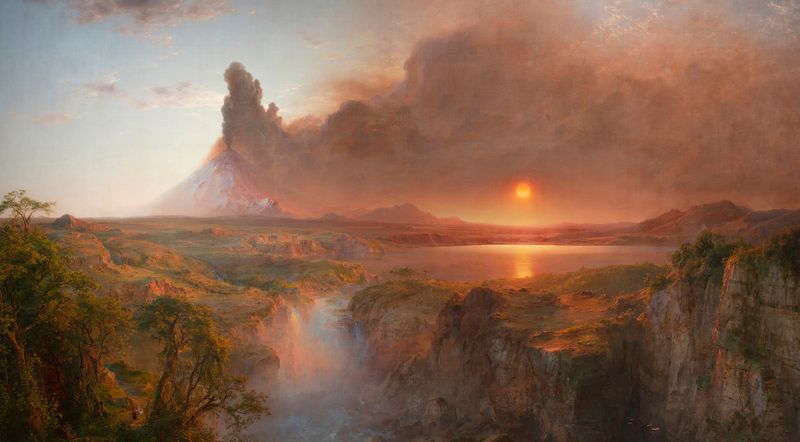
Cotopaxi
Frederic Edwin Church
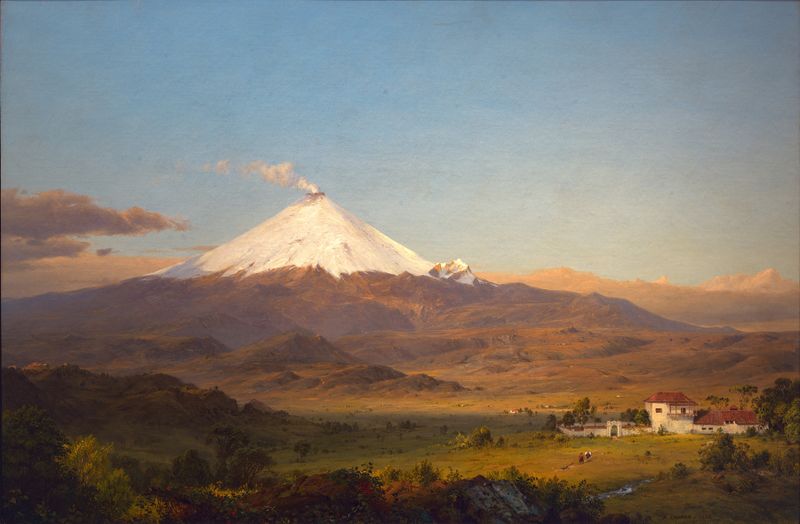
Cotopaxi
Frederic Edwin Church
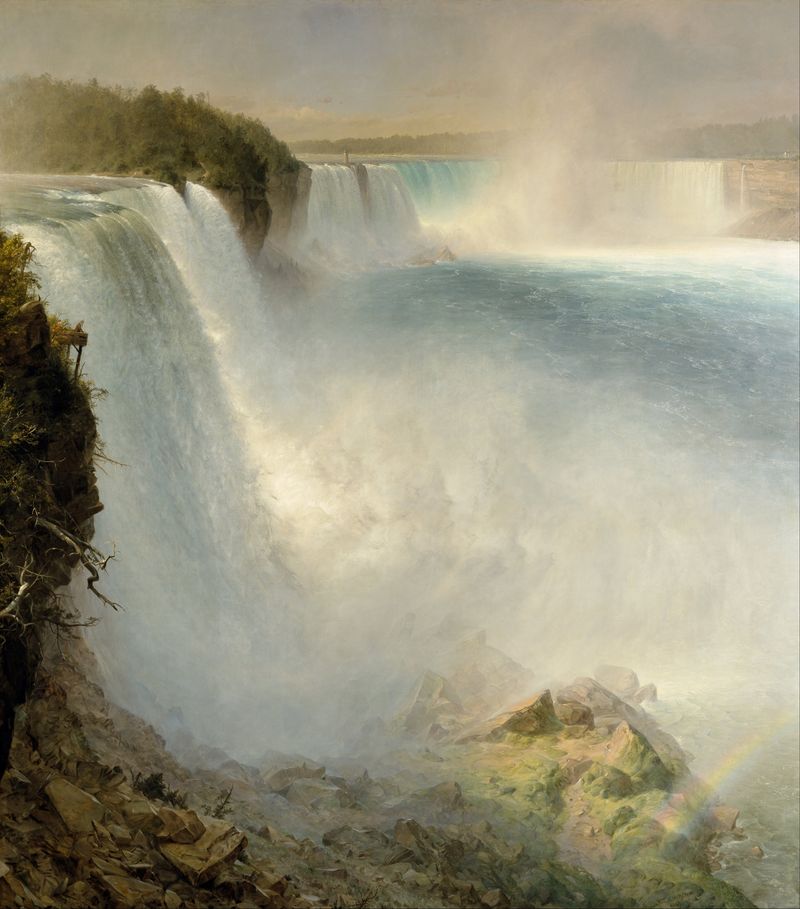
Niagara Falls, from the American Side
Frederic Edwin Church
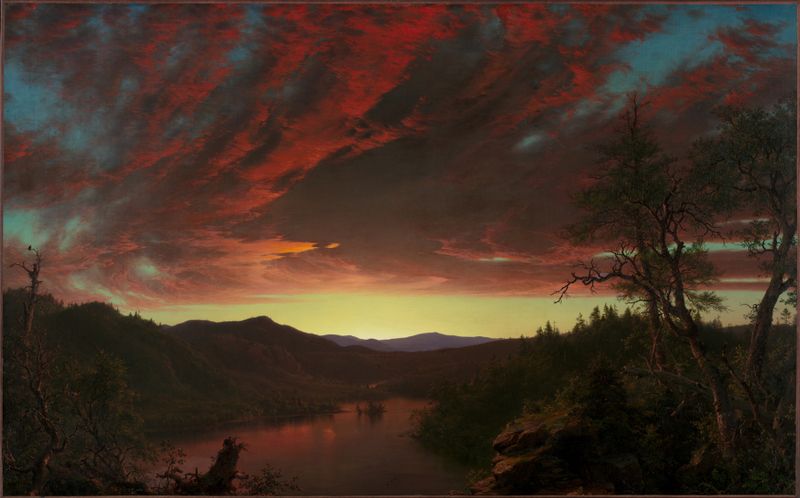
Twilight in the Wilderness
Frederic Edwin Church
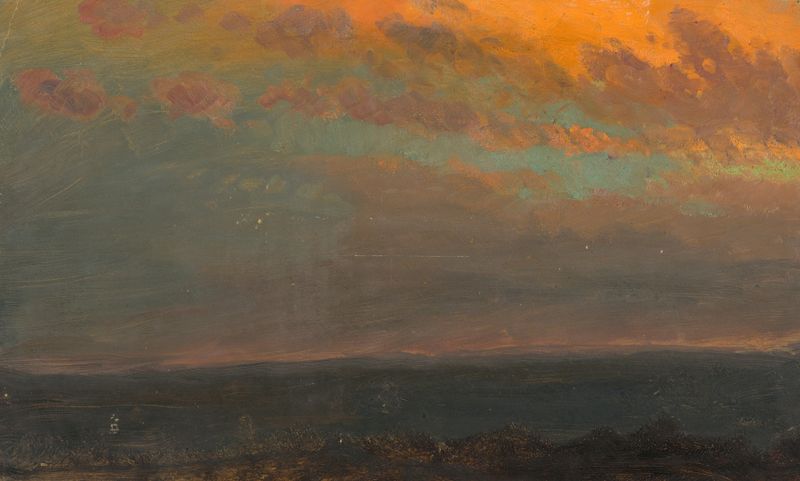
Hudson Valley at Sunset
Frederic Edwin Church
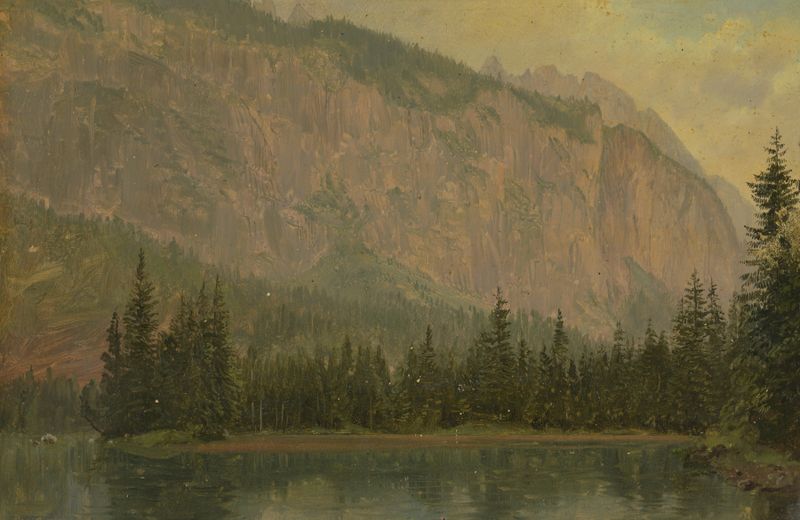
The Hintersee, near Berchtesgaden, Bavaria
Frederic Edwin Church
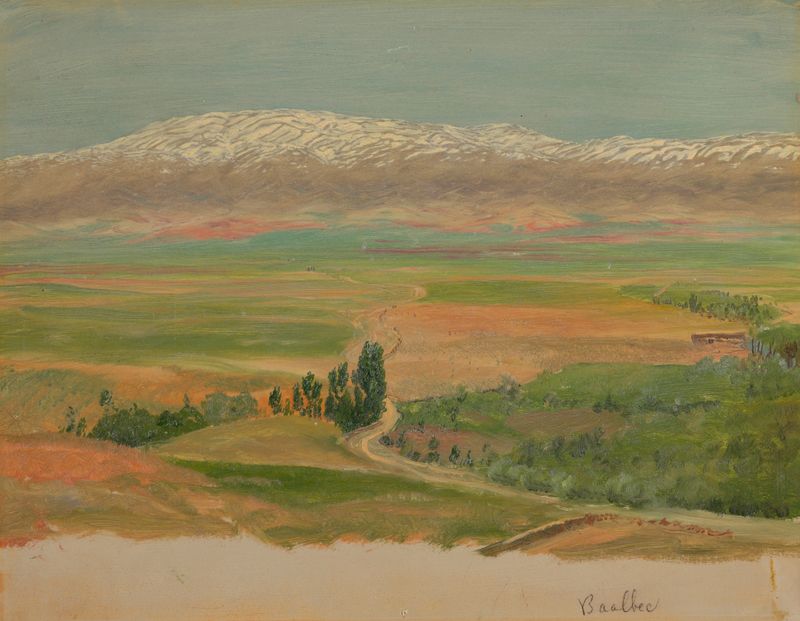
Mountains near Baalbec
Frederic Edwin Church
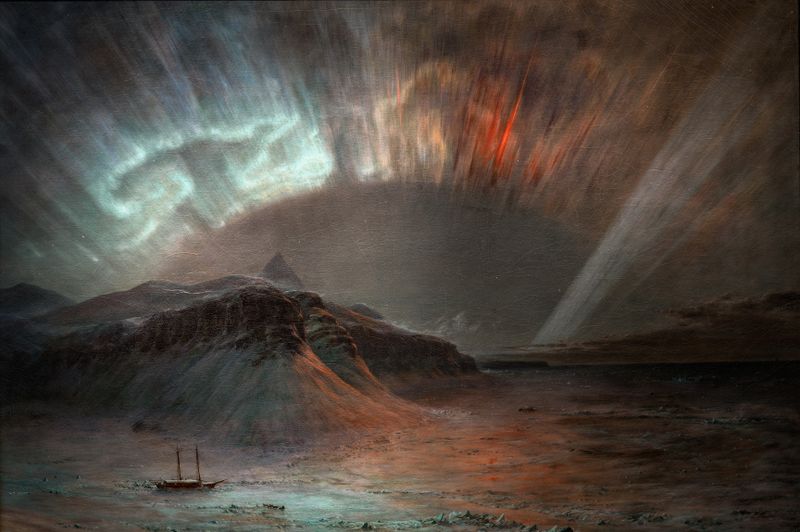
Aurora Borealis
Frederic Edwin Church
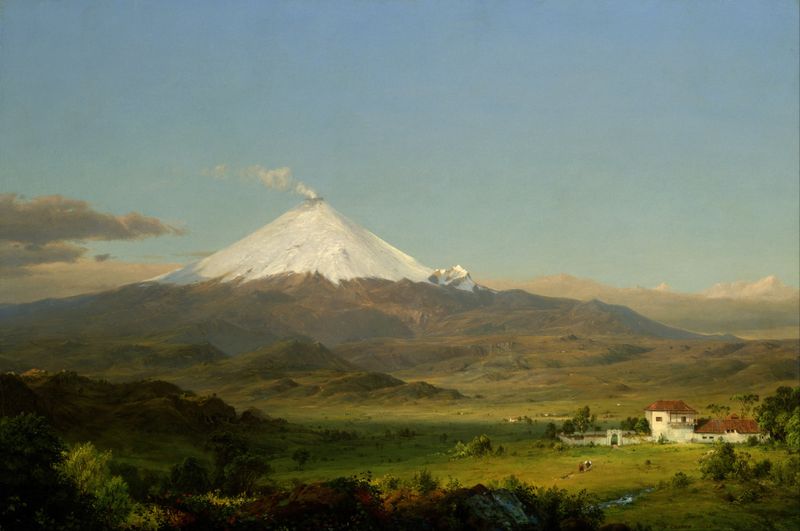
Cotopaxi
Frederic Edwin Church





