
Clearing in the Forest — History & Facts
In Clearing in the Forest, delicate brushstrokes and vibrant colors weave a narrative of quiet struggle and serene movement, inviting us into an enchanting yet complex world. Look to the left at the interplay of light filtering through the trees, casting dappled shadows on the forest floor. The artist's masterful technique captures the lush greens and warm golds, creating an inviting yet mysterious atmosphere. Notice how the figures, seemingly at ease amidst nature, are set in a dynamic interplay with their surroundings, as though the forest itself breathes alongside them.
Each leaf and branch is depicted with an almost palpable texture, accentuating the vitality of this woodland sanctuary. The work resonates with deeper emotional currents, contrasting the tranquility of the scene with the underlying tension of nature's unpredictability. The juxtaposition of vibrant life in the foreground and the looming shadows in the background suggests the duality of existence—beauty intertwined with uncertainty. Each element hints at fleeting moments of joy, overshadowed by the awareness of life’s transient nature, prompting a reflection on both movement and stillness. In the early 1870s, Narcisse-Virgile Diaz de La Peña was immersed in the burgeoning atmosphere of the Barbizon School, where he honed his approach to plein air painting.
Creating this piece in the heart of the French countryside, he sought to capture, not just the physical beauty of the landscape, but the emotional resonance it imparted to the observer. Amidst a world captivated by the light of Impressionism, he firmly established his own voice, enveloping the viewer in the rich embrace of nature's complexities.
More Artworks by Narcisse-Virgile Diaz de La Peña
Browse all →
Forest Scene
Narcisse-Virgile Diaz de La Peña
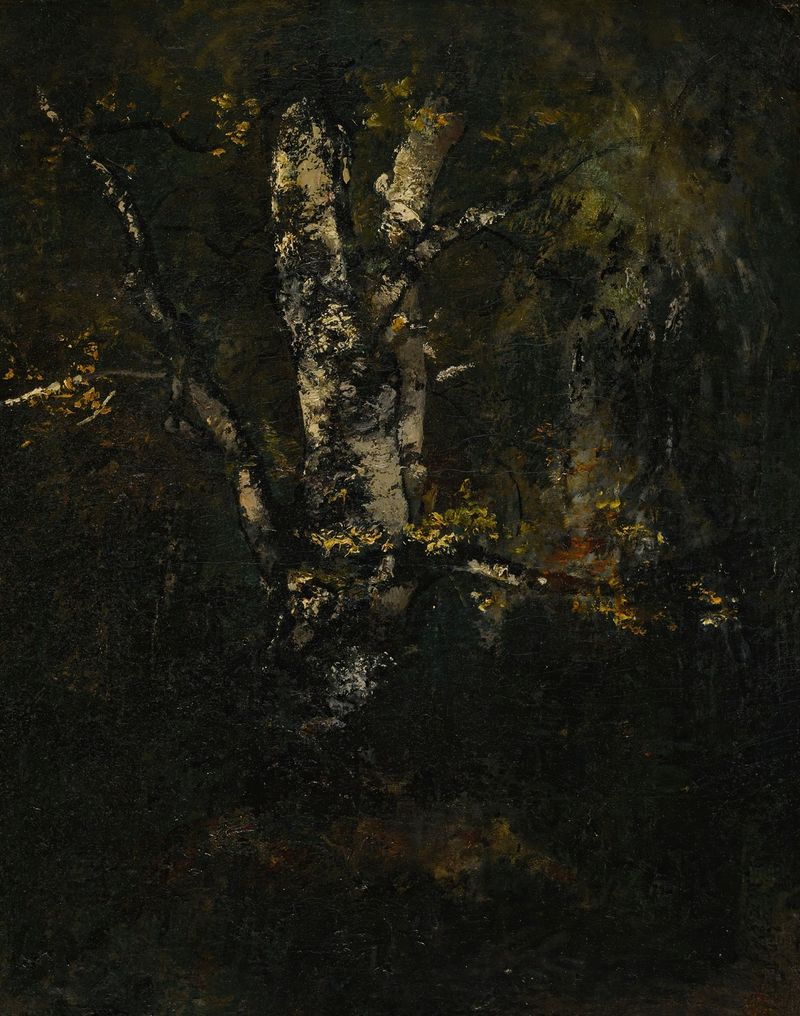
Vieux Troncs De Hêtres
Narcisse-Virgile Diaz de La Peña
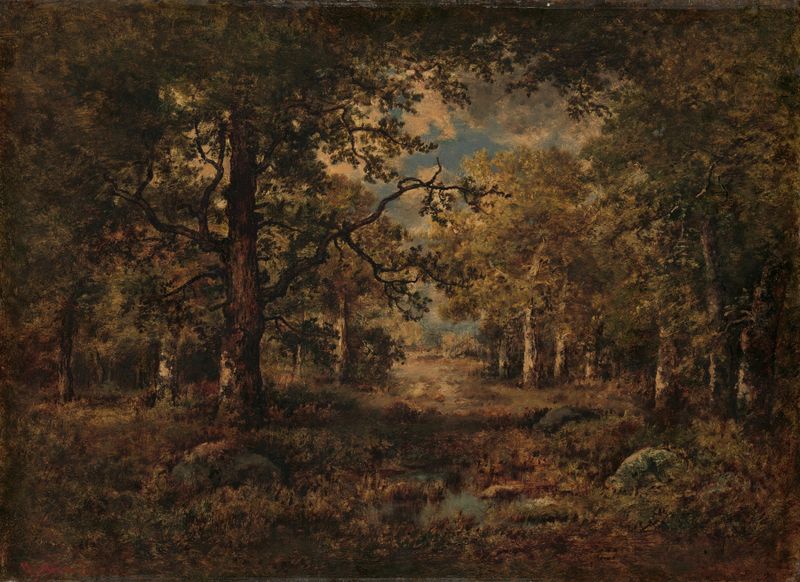
A Vista through Trees; Fontainebleau
Narcisse-Virgile Diaz de La Peña
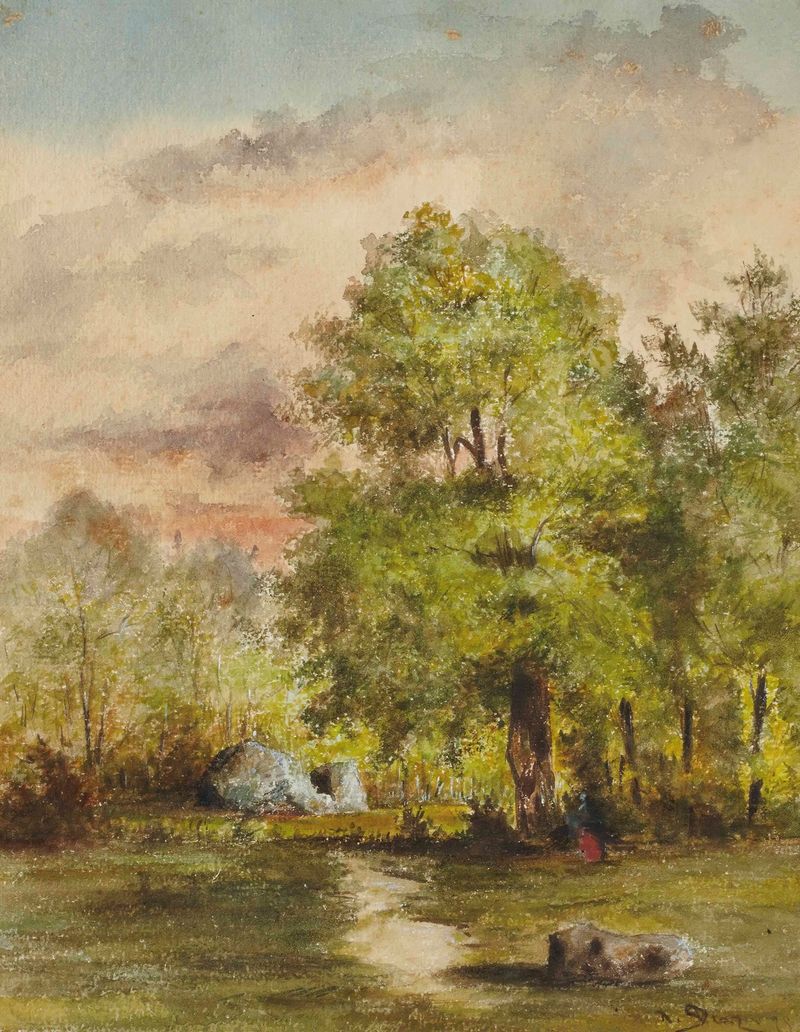
Vue d’une clairière
Narcisse-Virgile Diaz de La Peña

Pond in the Woods
Narcisse-Virgile Diaz de La Peña
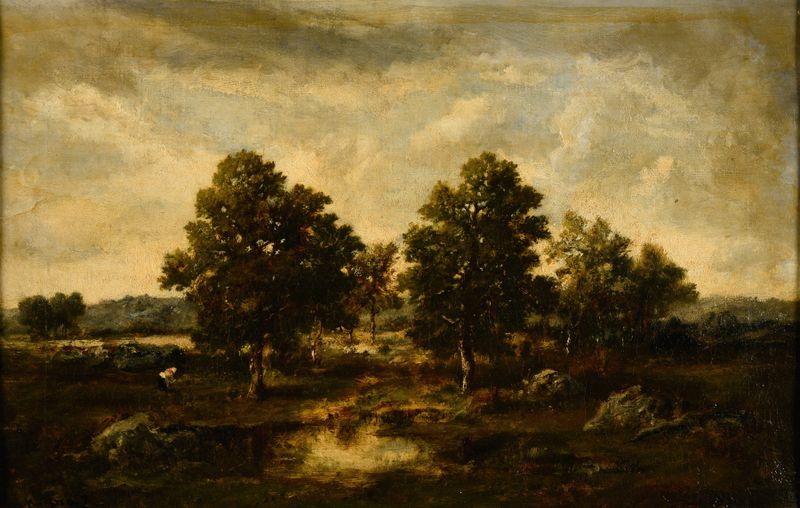
Mare dans une lande
Narcisse-Virgile Diaz de La Peña
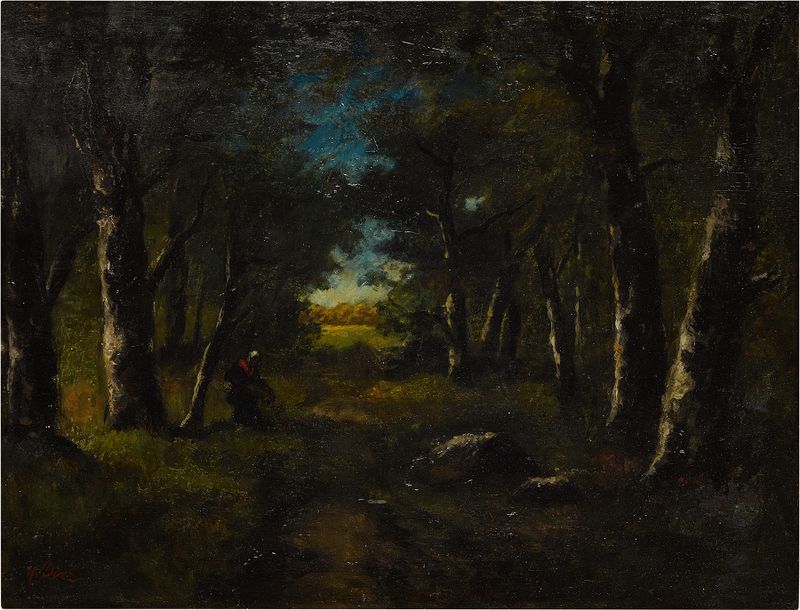
Foraging in the Forest
Narcisse-Virgile Diaz de La Peña
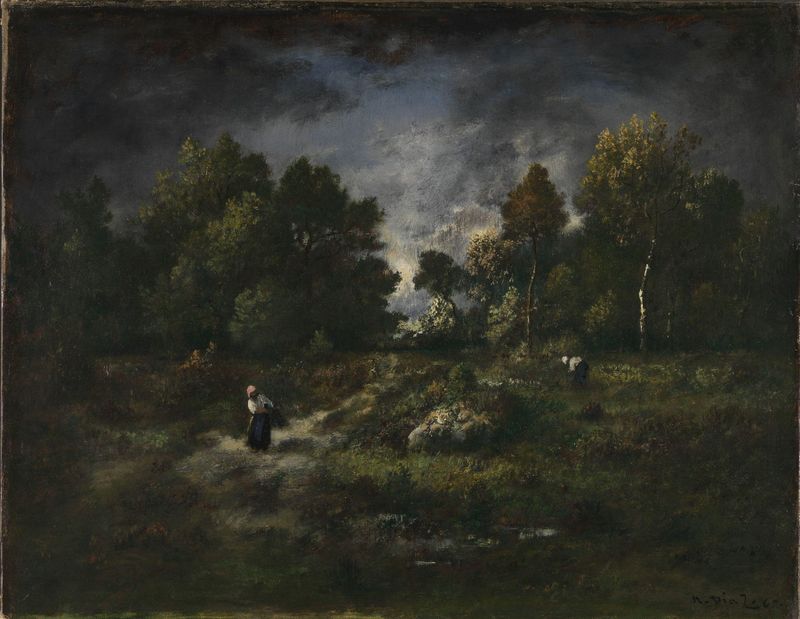
Faggot Gatherers in a Wooden Landscape
Narcisse-Virgile Diaz de La Peña
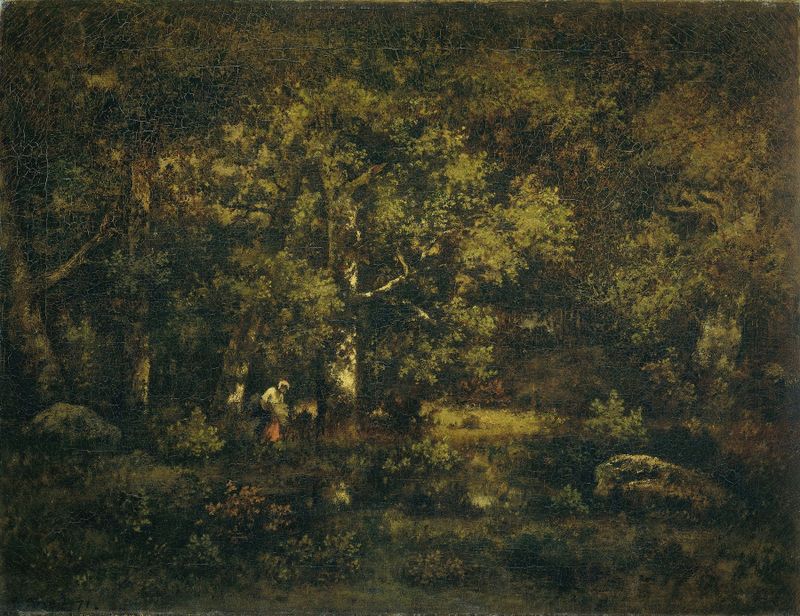
The Forest of Fontainebleau
Narcisse-Virgile Diaz de La Peña

Sous-bois
Narcisse-Virgile Diaz de La Peña





