
Clifford’s Inn — History & Facts
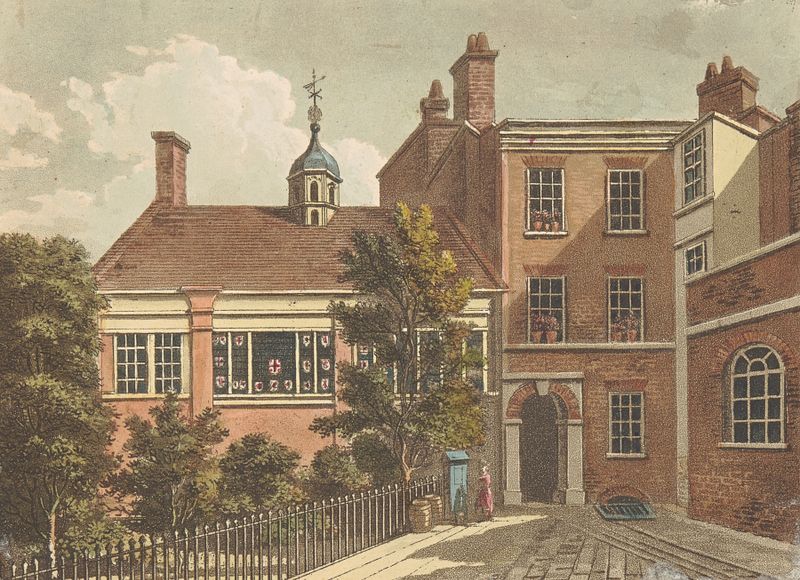
What if silence could speak through light? In Clifford’s Inn, shadows dance delicately, whispering unspoken destinies. Look to the left at the archway, where soft morning light spills into the courtyard, illuminating the cobblestones with a warm glow. The careful brushwork creates a sense of texture, allowing each stone to breathe under the light’s caress. Notice the figures in quiet conversation; their postures lean slightly towards one another, suggestive of a shared secret, while their elongated shadows stretch toward the viewer, inviting us into their world.
The muted palette of browns and grays contrasts with the vibrancy of the sunlight, emphasizing the fragility of human connection amidst the stillness. As you delve deeper into the scene, consider the tension between the stillness of the architecture and the fleeting nature of the moment depicted. The trees, swaying ever so slightly, symbolize the passage of time and fate's indifferent hand, while the figures embody the human spirit caught in the currents of destiny. Each element, from the arches to the distant rooftops, speaks to the inevitability of change, as if the very air is charged with unfulfilled potential. Samuel Ireland painted Clifford’s Inn between 1794 and 1800, during a time when he was deeply engaged with the evolving artistic landscape of the late 18th century.
Living in London, he was influenced by neoclassical ideals but also drawn to capturing the subtleties of daily life. The work reflects a transitional moment in art history, as artists began to explore themes of intimacy and emotional depth within the framework of traditional settings.
More Artworks by Samuel Ireland
Browse all →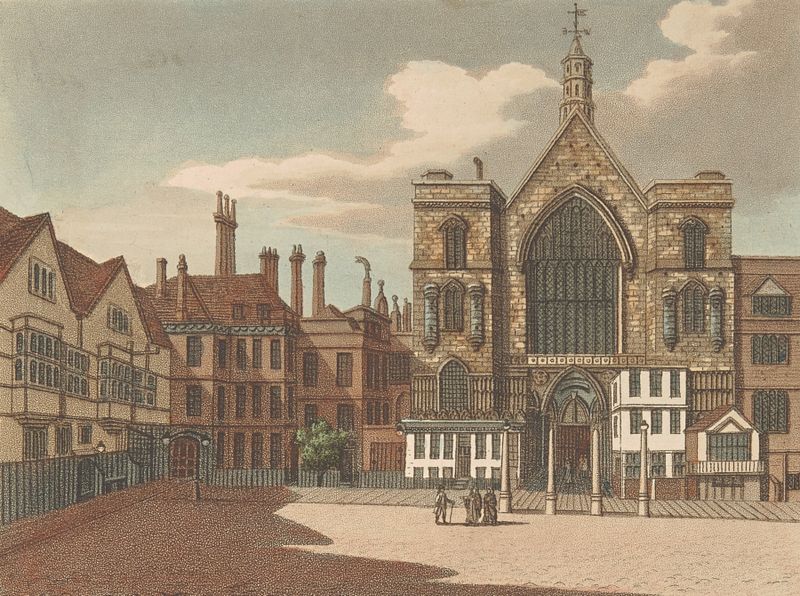
Westminster Hall
Samuel Ireland

Southwest View of Middle Temple
Samuel Ireland
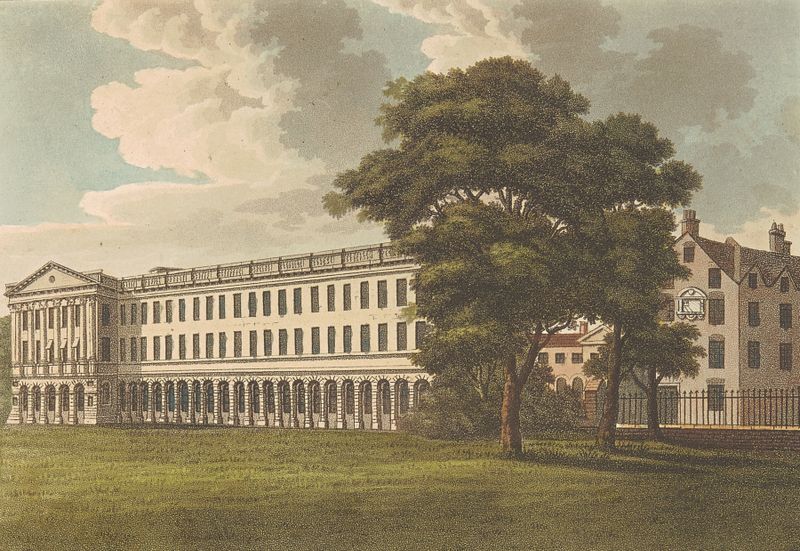
Stone Buildings, Lincoln’s Inn
Samuel Ireland
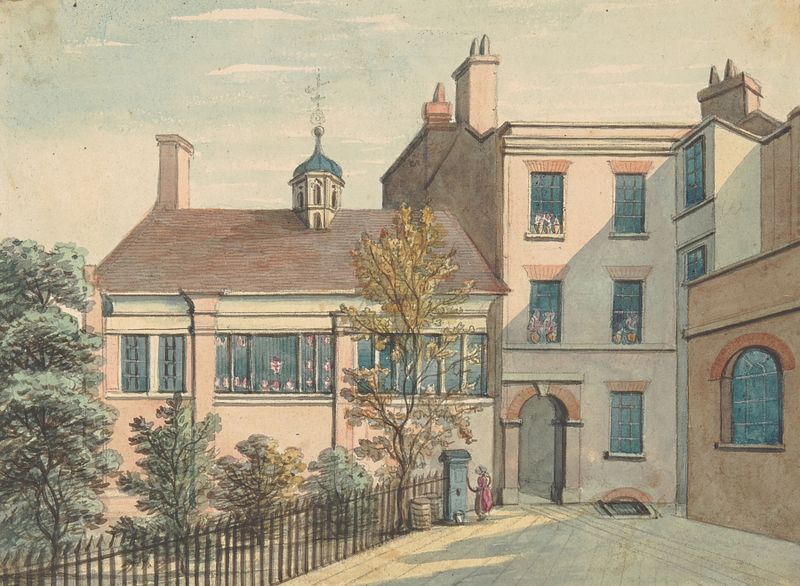
Barnard’s Inn
Samuel Ireland

Lincoln’s Inn Hall and Chapel
Samuel Ireland

Lion’s Inn
Samuel Ireland
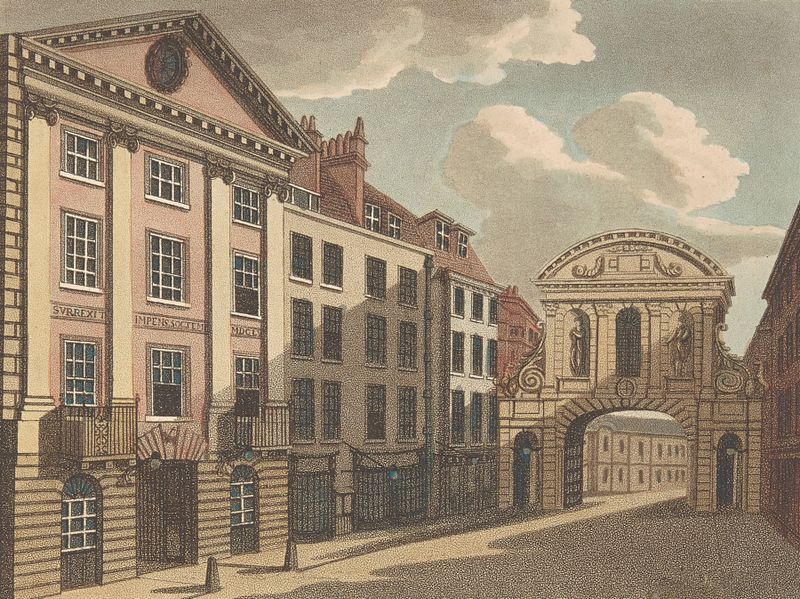
Middle Temple Gate
Samuel Ireland
Barnard’s Inn
Samuel Ireland

Westminster Hall
Samuel Ireland
Lincoln’s Inn Gate
Samuel Ireland





