Cloud Study over Landscape — History & Facts
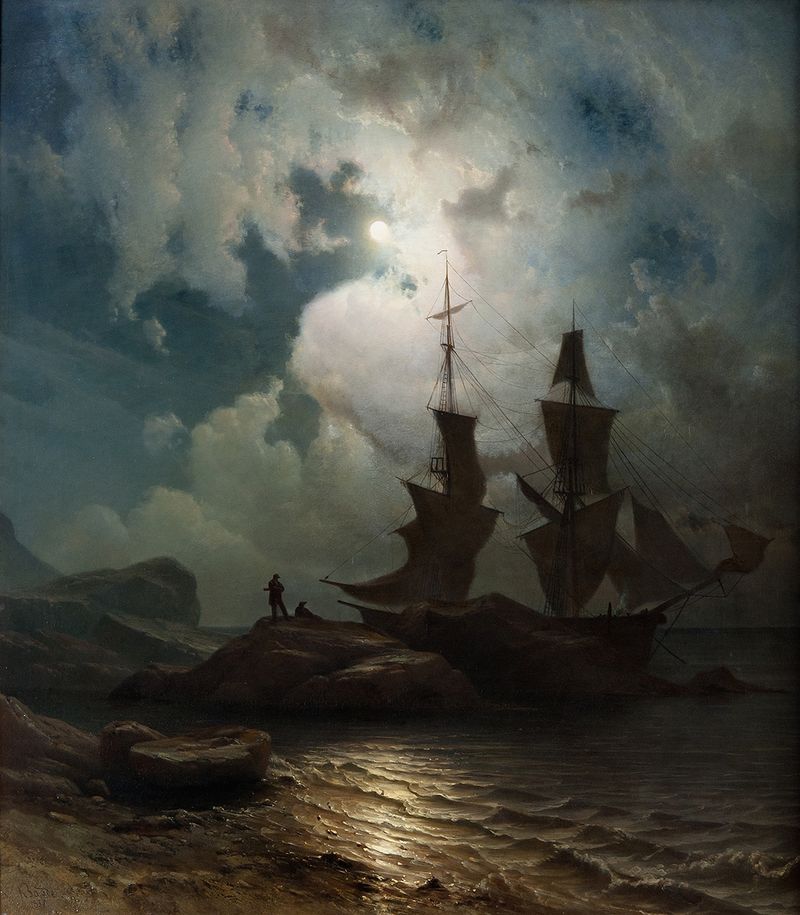
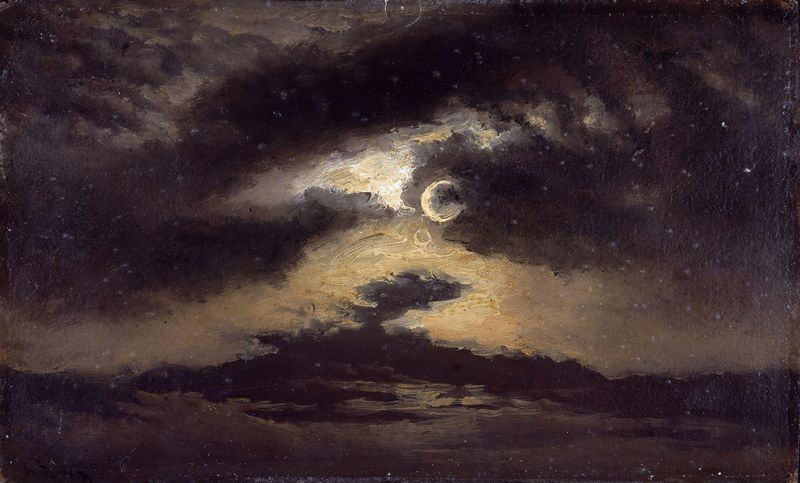
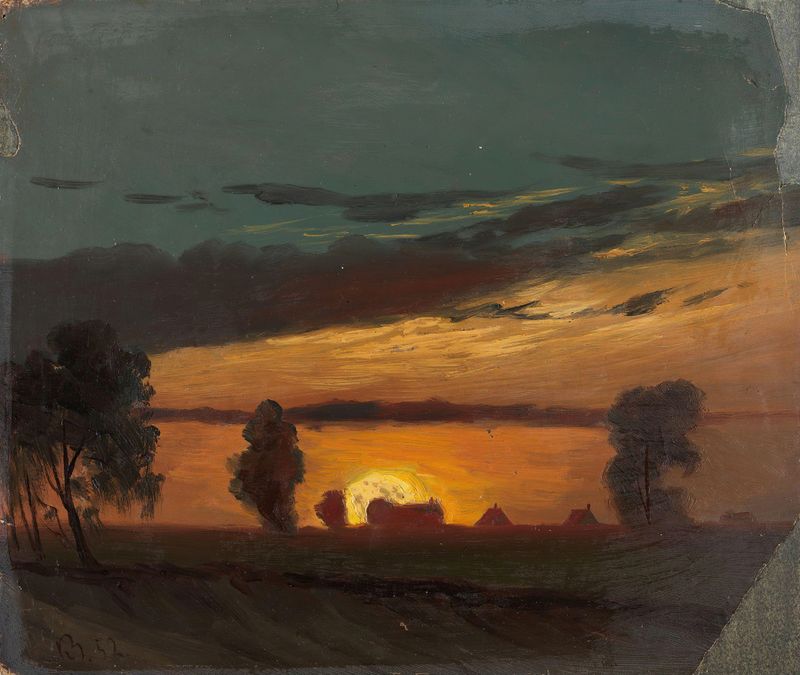
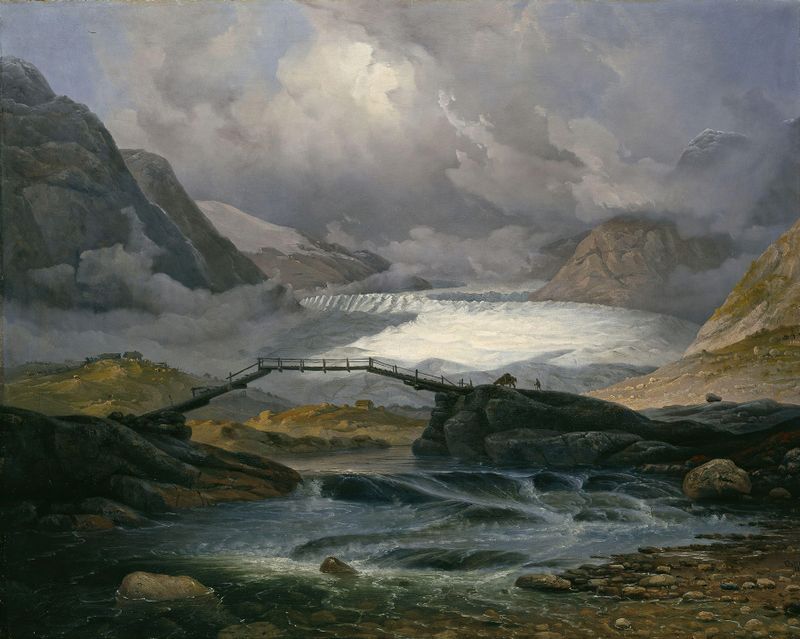
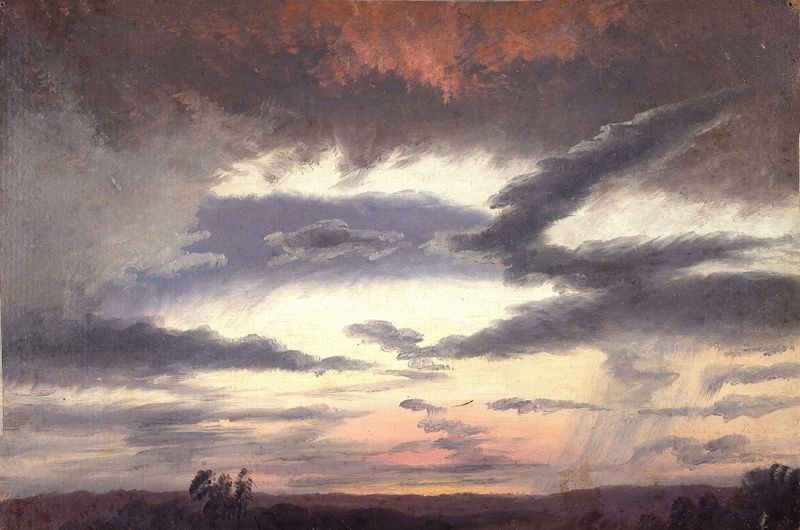
The weight of unspoken longing pervades every brushstroke, capturing a moment where nature breathes and dreams intertwine. Focus first on the ethereal clouds that dominate the canvas, swirling with a mix of soft whites and muted grays. They stretch across the sky, their billowing forms infused with a sense of movement that contrasts the stillness of the verdant landscape below. Notice how the light bleeds into the horizon, casting a gentle luminescence that highlights the undulating hills.
The palette harmonizes with a delicate balance of earth tones that ground the viewer while evoking a sense of yearning for something beyond the visible. Within the clouds lies a tension between the ephemeral and the eternal, a reminder of the transience of beauty and life itself. The vastness of the sky envelops the landscape, suggesting a longing for connection and exploration, while the tranquil earth below yearns for the heavens. This interplay amplifies the emotional gravity of the scene, reflecting an inner landscape of desires unfulfilled, yet hauntingly palpable. In 1838, as Baade stood before his canvas, he was at a crossroads in his artistic journey, having recently transitioned from Denmark to Norway.
The Romantic movement was gaining momentum, emphasizing emotion and nature, while his own life was marked by a quest for identity amidst a changing world. In this work, he not only captured the beauty of the Norwegian landscape but also expressed the deep yearning that characterized both his personal life and the broader artistic sentiments of his time.