
Cloud Study over the Elbe with Poplars — History & Facts
Did the painter know this moment would outlive them? The fleeting beauty of nature captured in an instant, reminding us of the inexorable decay that awaits us all. Look to the horizon where the vast expanse of the Elbe river gently cradles the soft, tumbling clouds. The muted palette of greens and blues draws your gaze across the landscape, while the striking poplars stand sentinel against the sky. Notice how the delicate brushstrokes evoke a sense of movement, with clouds appearing both ethereal and substantial, their reflections dancing upon the water's surface. As you delve deeper, the contrast between the serene river and the dynamic sky suggests dualities of tranquility and turmoil.
The poplars, while sturdy, represent the inevitable cycle of decay—firm yet fleeting, mirroring our own existence. This interplay between life and the passage of time resonates in the way light navigates the scene, illuminating the trees while casting shadows that whisper of their gradual decline. In 1832, Johan Christian Dahl painted this landscape while living in Dresden, a period when Romanticism was at the forefront of artistic exploration. His fascination with nature's beauty and transience shaped his work, as he sought to invoke emotional responses through the natural world.
Amidst a rapidly changing Europe, Dahl's reflections on nature’s impermanence align intricately with the evolving currents of his time.
More Artworks by Johan Christian Dahl
Browse all →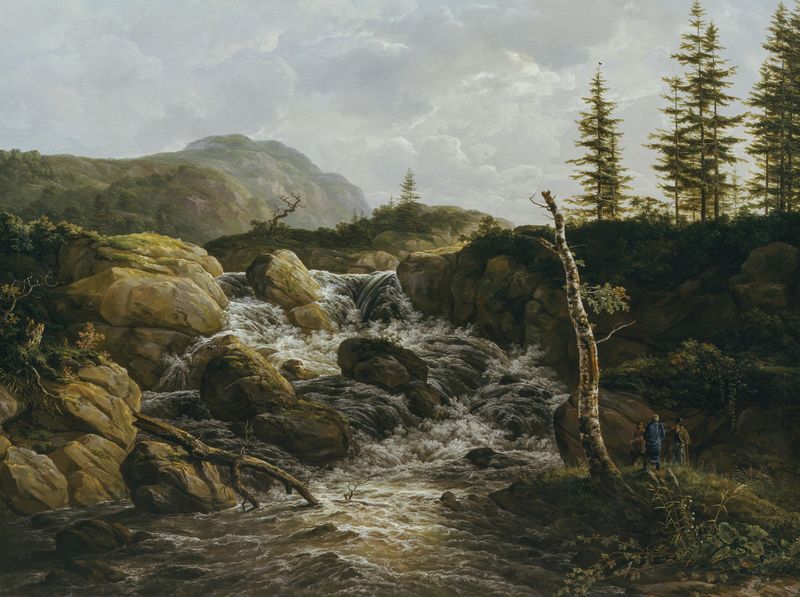
Mountainous Landscape with a Waterfall, Norway
Johan Christian Dahl
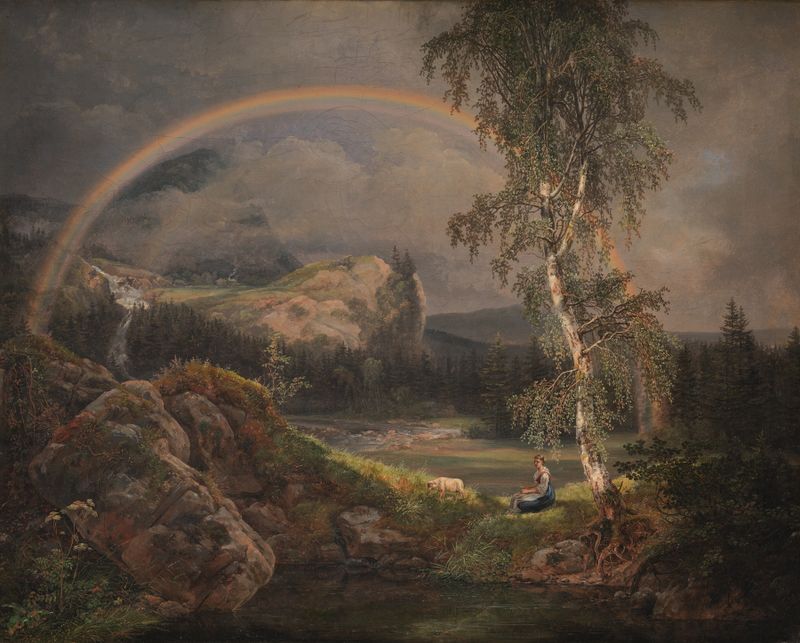
Norwegian Landscape with a Rainbow
Johan Christian Dahl
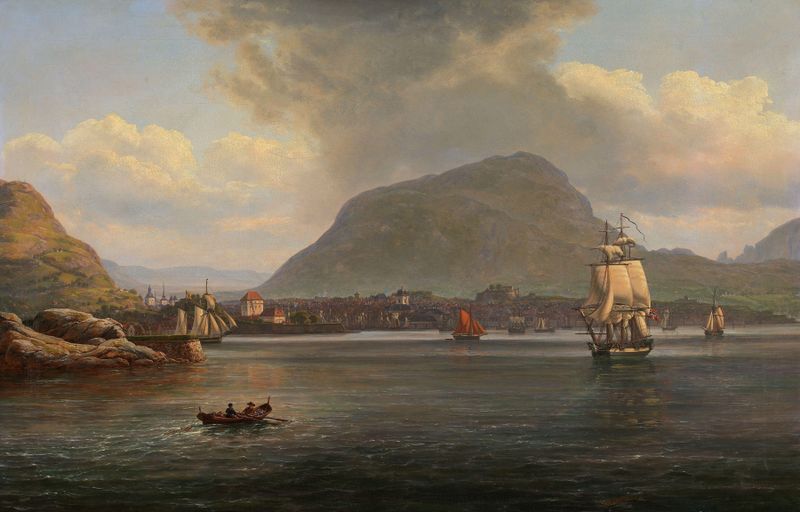
Bergen seen from the northern Inlet
Johan Christian Dahl
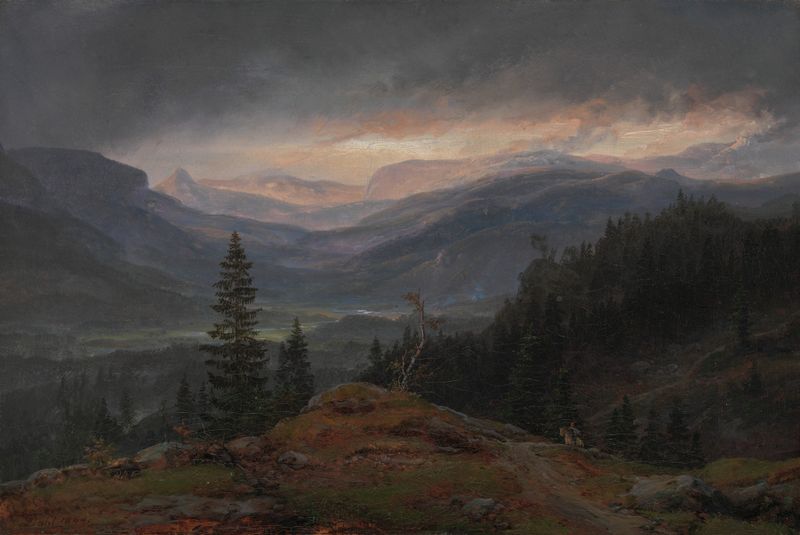
View over Hallingdal
Johan Christian Dahl
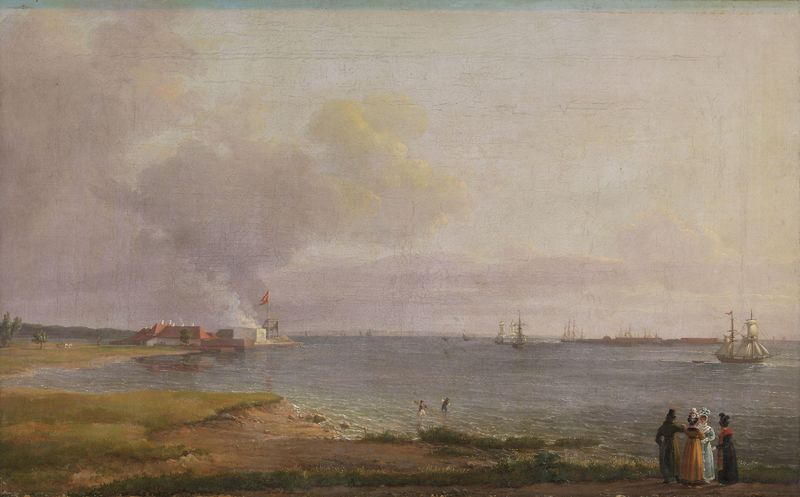
View over Øresund near the Lime Works
Johan Christian Dahl
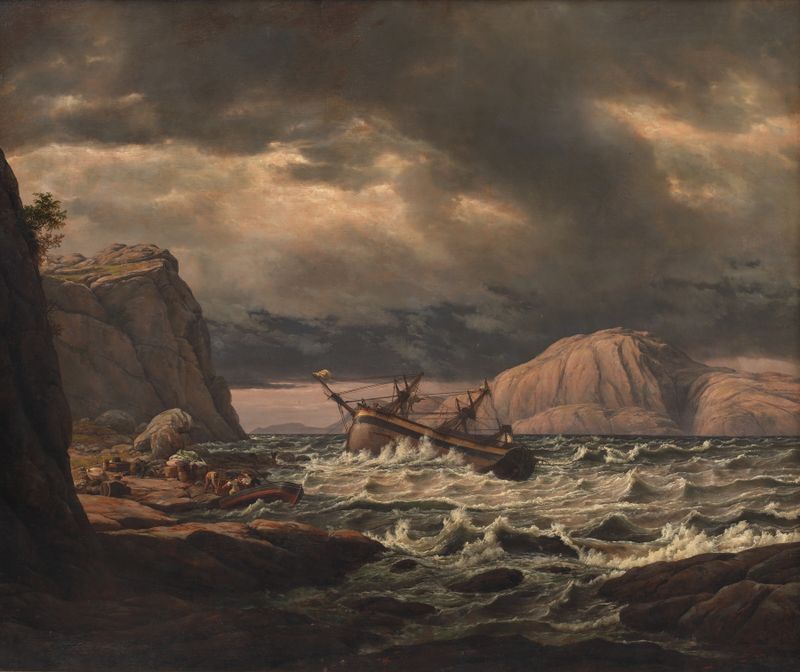
A Shipwreck on the Coast of Norway
Johan Christian Dahl
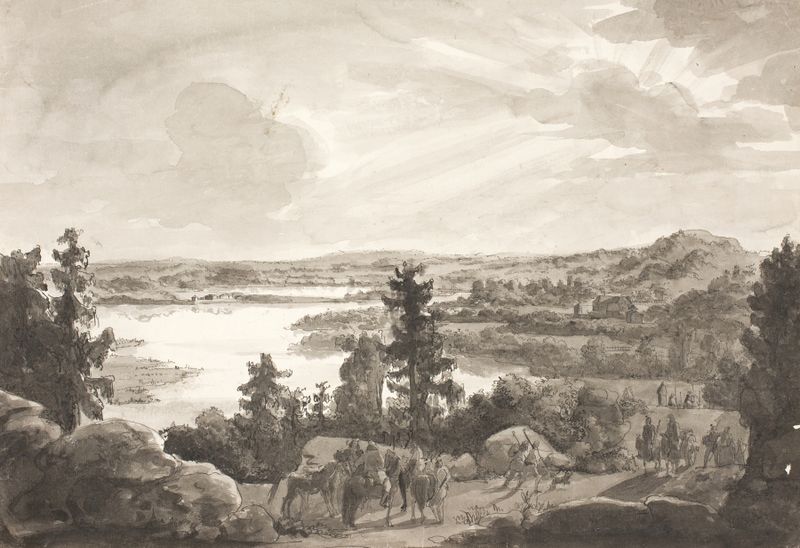
View of a Lake, Norway
Johan Christian Dahl
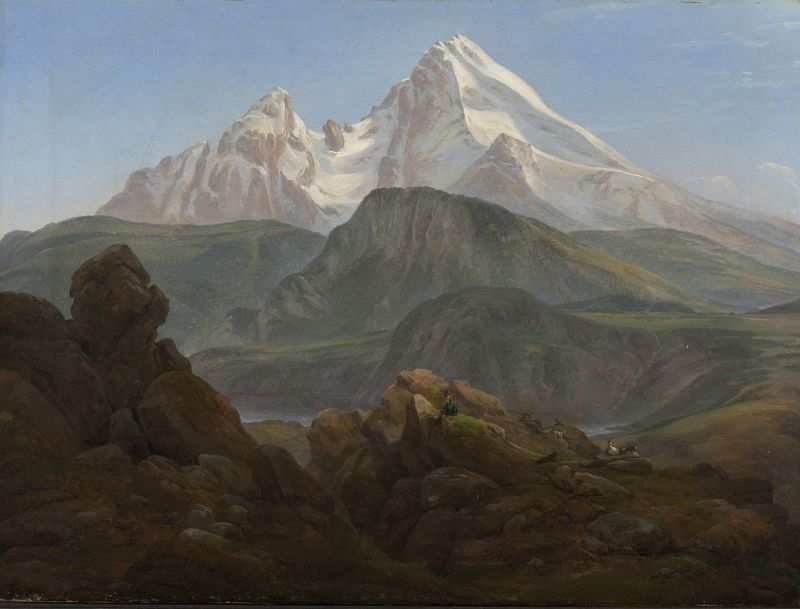
The Watzmann
Johan Christian Dahl
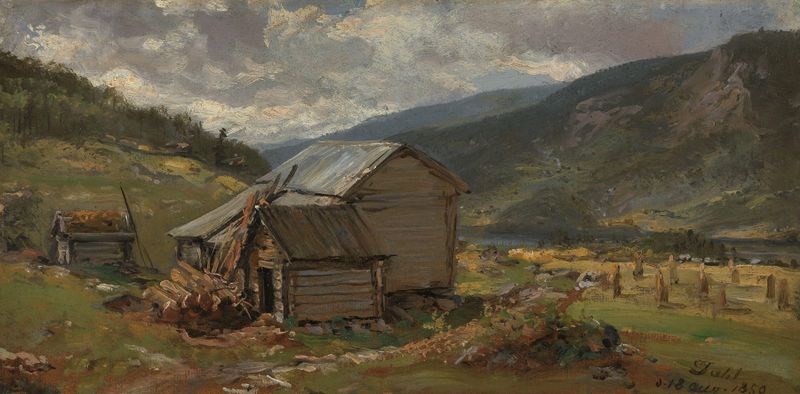
View of Hjelle in Valdres
Johan Christian Dahl

View At Skjolden In Lyster
Johan Christian Dahl





