
Coast Scene with Mouth of a River — History & Facts
When did color learn to lie? In the delicate embrace of a landscape, innocence dances on the edge of perception, whispering secrets of tranquility and truth yet to be uncovered. Look first to the horizon, where soft pastels blend seamlessly, creating an ethereal boundary between earth and sky. The gentle ripples of the river reflect a serene palette, while hints of ochre and emerald brushstrokes draw your eye to the lively foliage that flanks the water's mouth. Notice how the light filters through the clouds, illuminating patches of the riverbank, inviting contemplation and casting an enchanting spell over the scene. In this portrayal, a subtle tension rests beneath the surface; the calmness of the water contrasts with the hidden currents of life — a reminder that even serene moments can conceal deeper struggles.
The placement of the trees, leaning ever so slightly toward the water, suggests a longing, as if nature itself is drawn toward the depths of the unknown. Each color choice plays a role, evoking emotions of nostalgia, innocence, and perhaps a fleeting sense of loss, challenging the viewer to ponder the stories held within that landscape. Edward Dayes painted this work during a time of artistic exploration in the late 18th century, primarily in England. As a member of the picturesque movement, he sought to capture the beauty of natural landscapes, inspired by the works of earlier masters.
The world around him was shifting, with industrialization looming on the horizon, yet his brush remained steadfastly focused on the serene, untouched aspects of nature, reflecting a yearning for a simpler, more innocent time.
More Artworks by Edward Dayes
Browse all →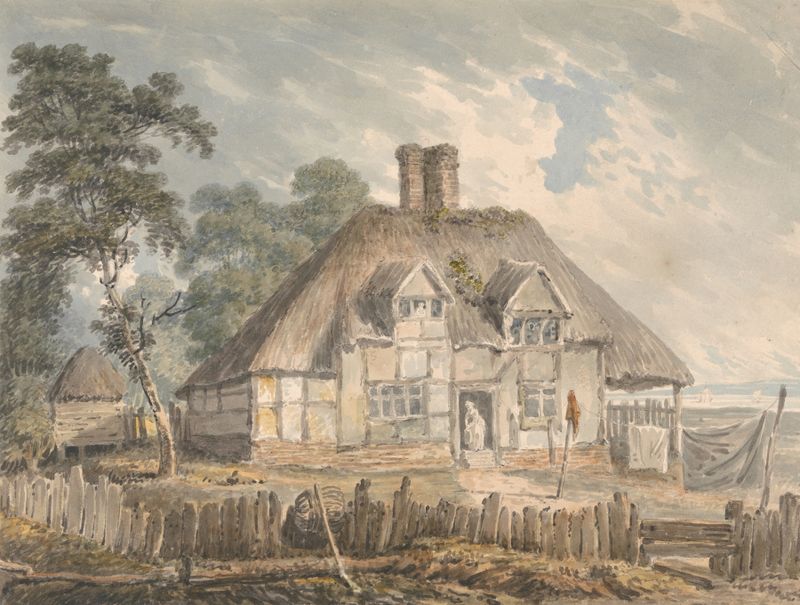
A Cottage near Southampton
Edward Dayes
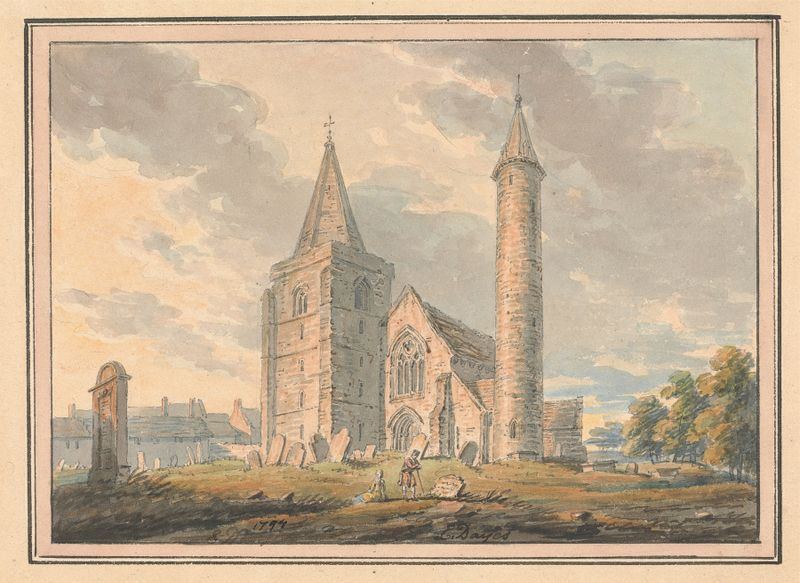
Brechin Cathedral and round tower, Forfarshire, Scotland
Edward Dayes
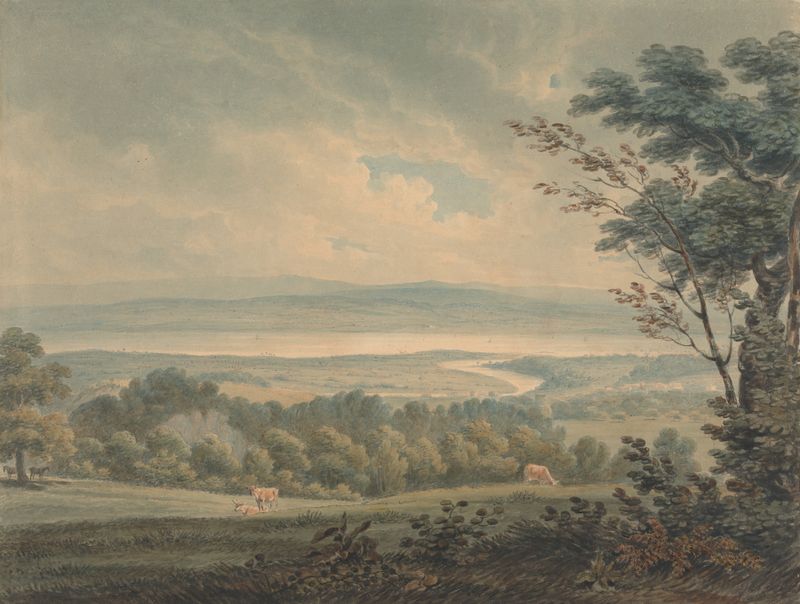
The Meeting of the Rivers Severn and Wye, near Chepstow
Edward Dayes

Ruins of the Old Kirk, Isle of Bute
Edward Dayes
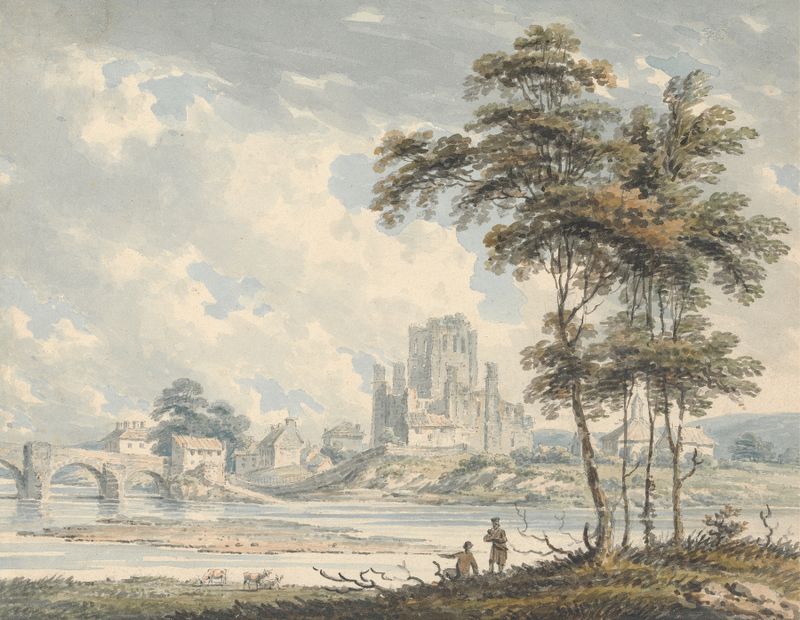
Kelso Abbey, Rosburghshire
Edward Dayes
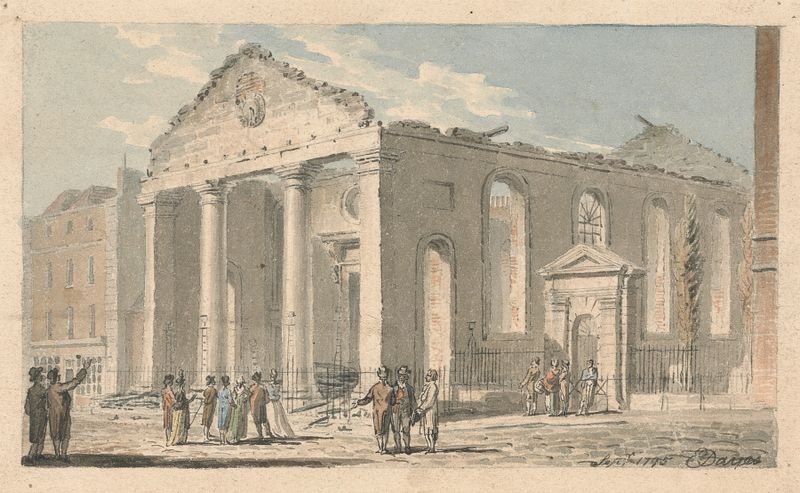
St. Paul’s Church, Covent Garden, after the fire
Edward Dayes
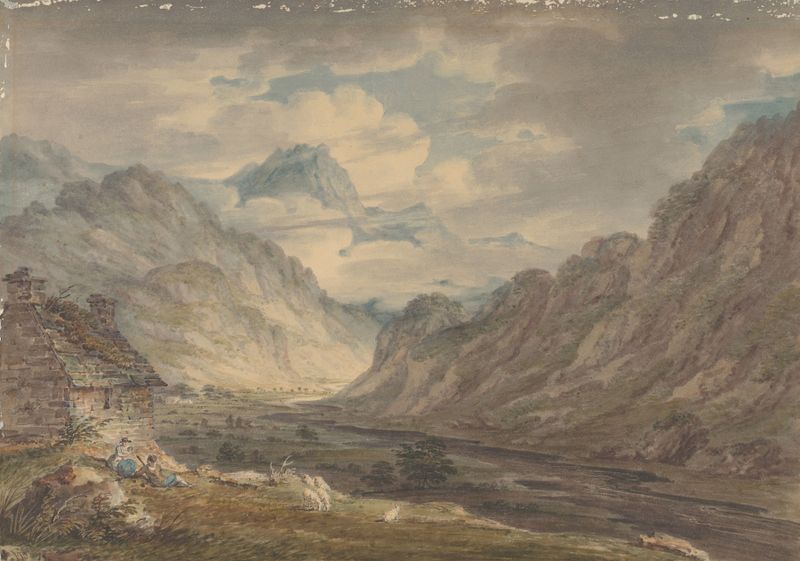
The Honister Pass from Gatesgarth Farm, Gatesgarthdale, Lake District
Edward Dayes
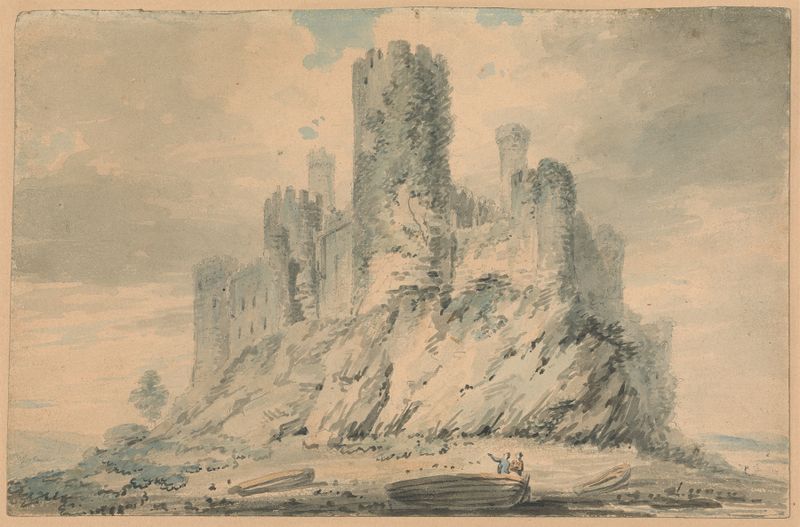
Conway Castle, Caernarvonshire
Edward Dayes
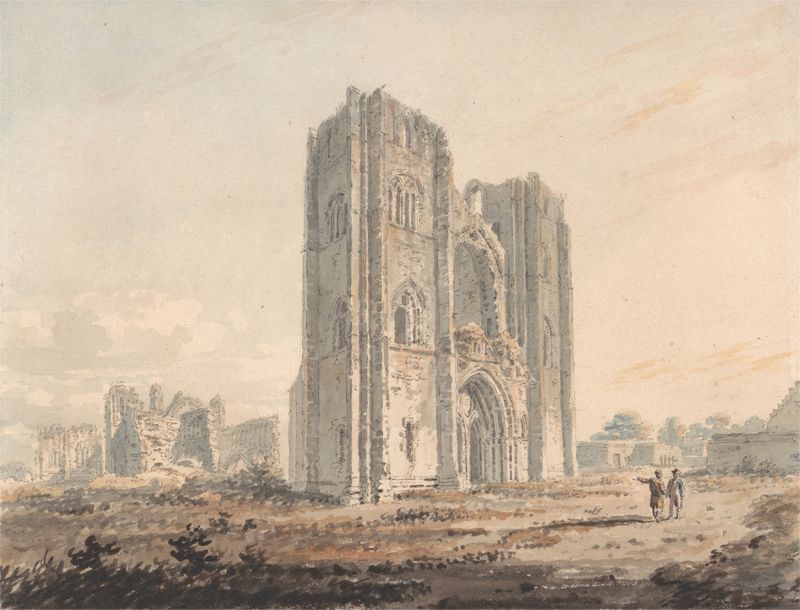
Elgin Cathedral, Moray
Edward Dayes

Lake scene
Edward Dayes





