
Cold day (A house in the sun). — History & Facts
Did the painter know this moment would outlive them? In the stillness of a cold day, A house in the sun encapsulates an enduring sense of faith that transcends time and encompasses the viewer with its warm embrace. Look closely at the interplay between the house and the surrounding landscape. The structure, painted with soft, inviting colors, draws the eye immediately; its warm tones stand in stark contrast to the icy blues and whites of the chilly day. Notice how light spills from the windows, casting a golden glow that suggests life within, hinting at warmth and comfort despite the starkness outside.
The delicate brushstrokes capture the texture of the snow, while gentle curves in the path lead our gaze toward the inviting refuge nestled at the center of the composition. Beneath the surface, the painting explores the duality of warmth and cold, safety and isolation. The house represents faith in stability and continuity amidst the harsh realities of life, while the surrounding landscape evokes a sense of loneliness. This contrast encourages contemplation on the balance between shelter and vulnerability, a theme mirrored in the lives of those who inhabit such spaces.
The viewer is invited to reflect on their own moments of solitude and assurance, finding solace in the quiet resilience of home. Created during a period when Jan Stanisławski was deeply influenced by the Symbolist movement, A house in the sun reflects his transition into a more personal and introspective approach. Painted in Poland, likely in the early 20th century, this work signifies a time of artistic exploration as the artist sought to convey profound emotional truths through serene landscapes, allowing viewers to connect with their own experiences of faith and belonging.
More Artworks by Jan Stanisławski
Browse all →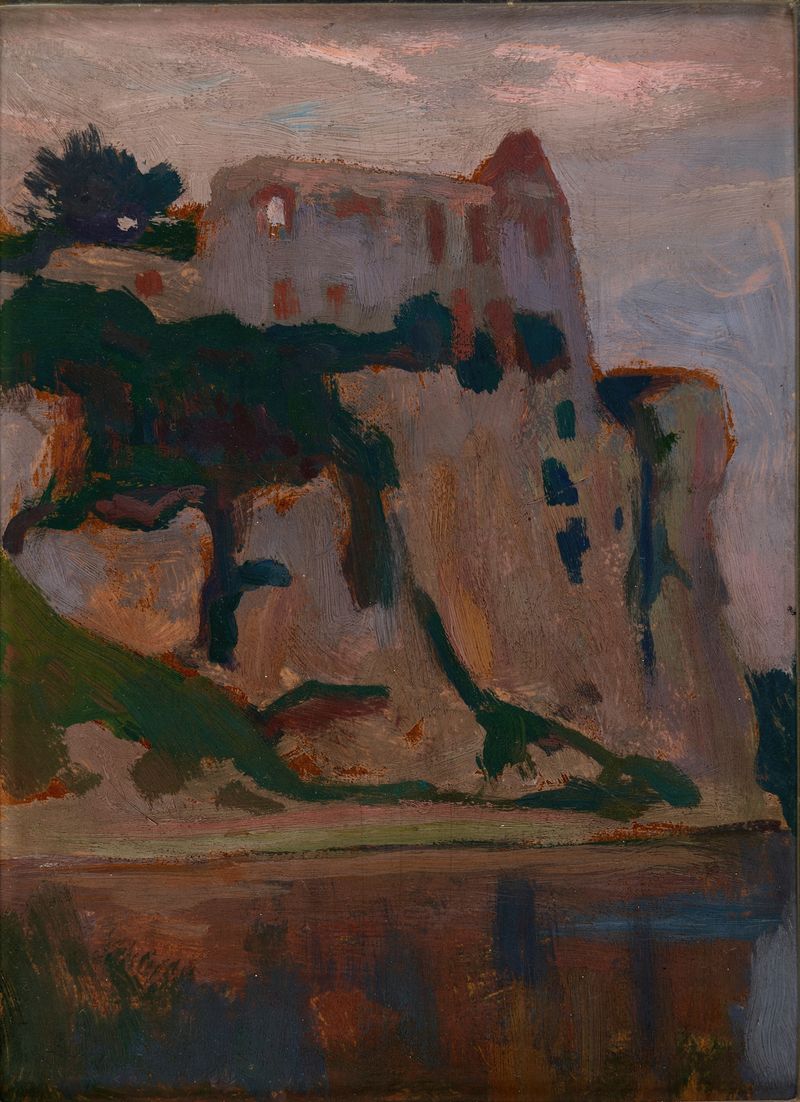
Tyniec at Dawn
Jan Stanisławski
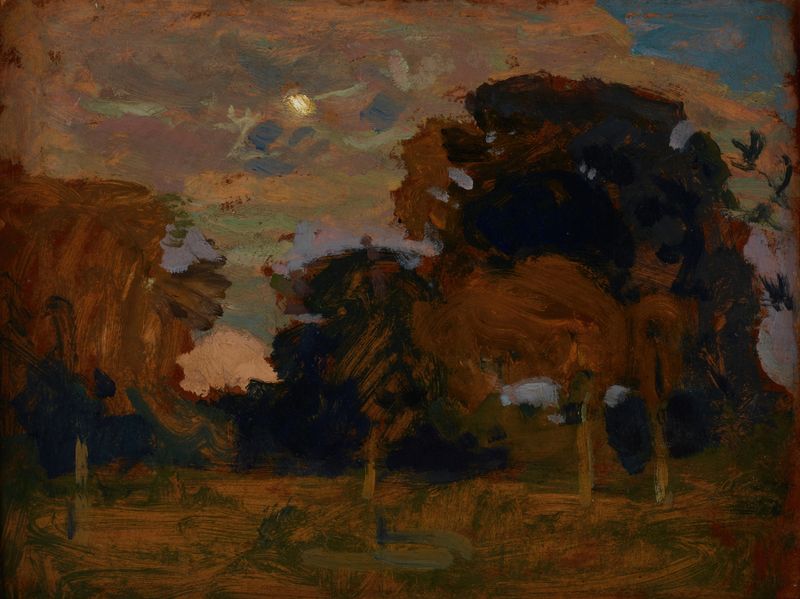
Moon in the Clouds
Jan Stanisławski
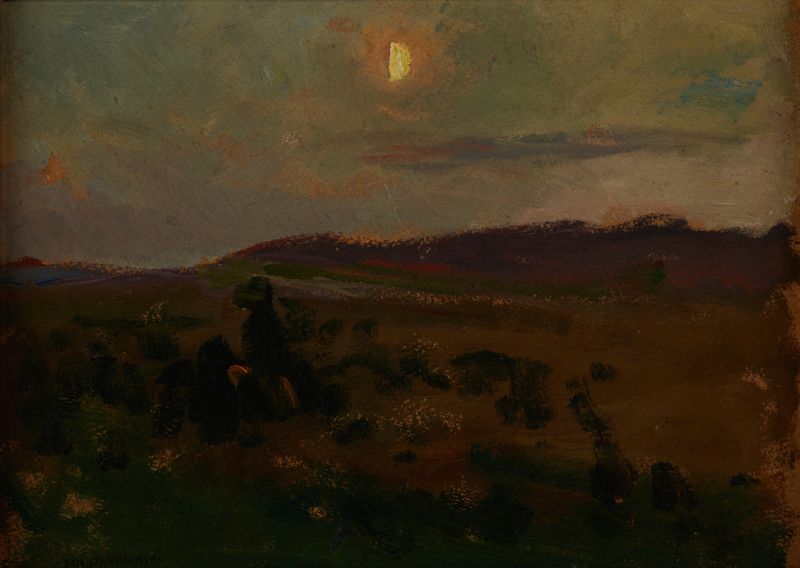
Moonrise
Jan Stanisławski
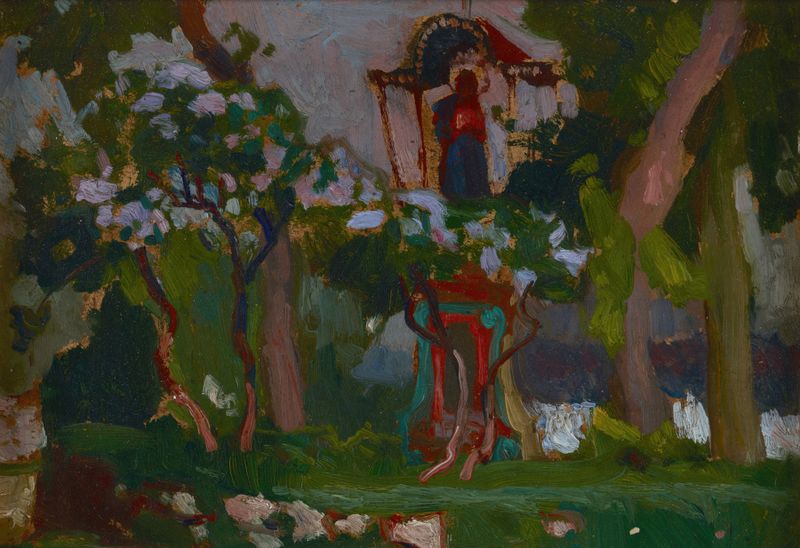
May
Jan Stanisławski
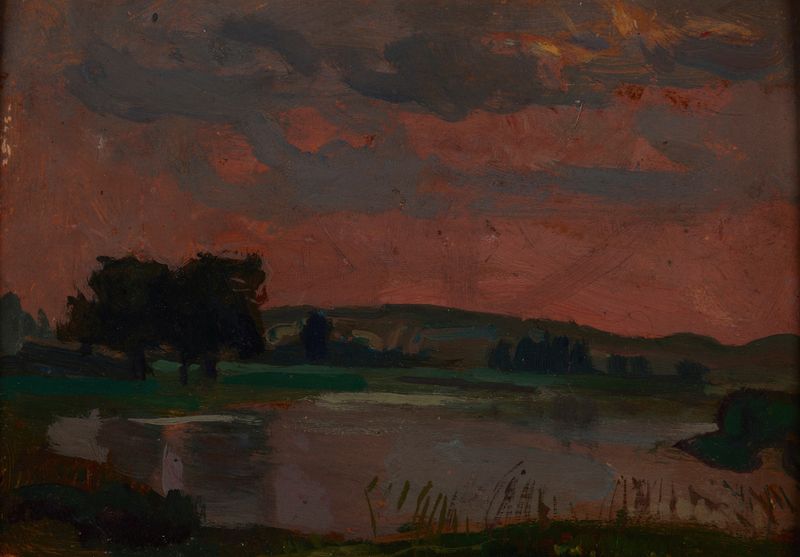
The Vistula in the Twilight
Jan Stanisławski
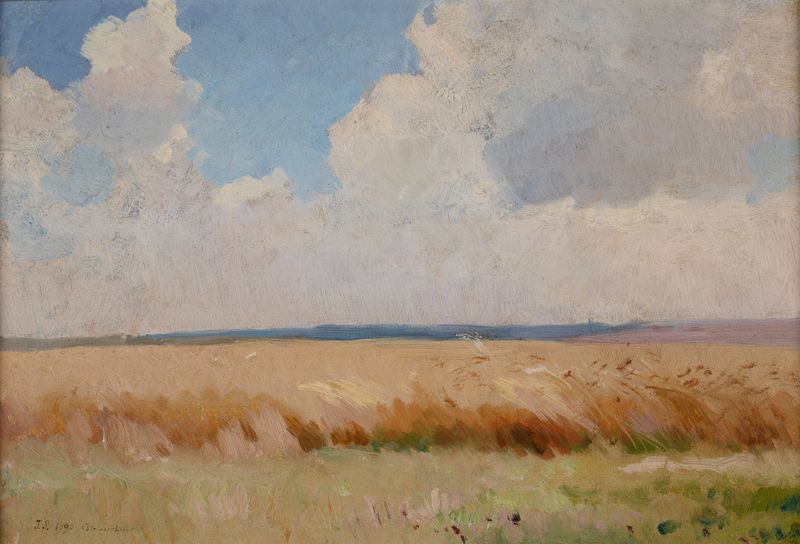
Field at Białocerkiew (Bila Tserkva)
Jan Stanisławski
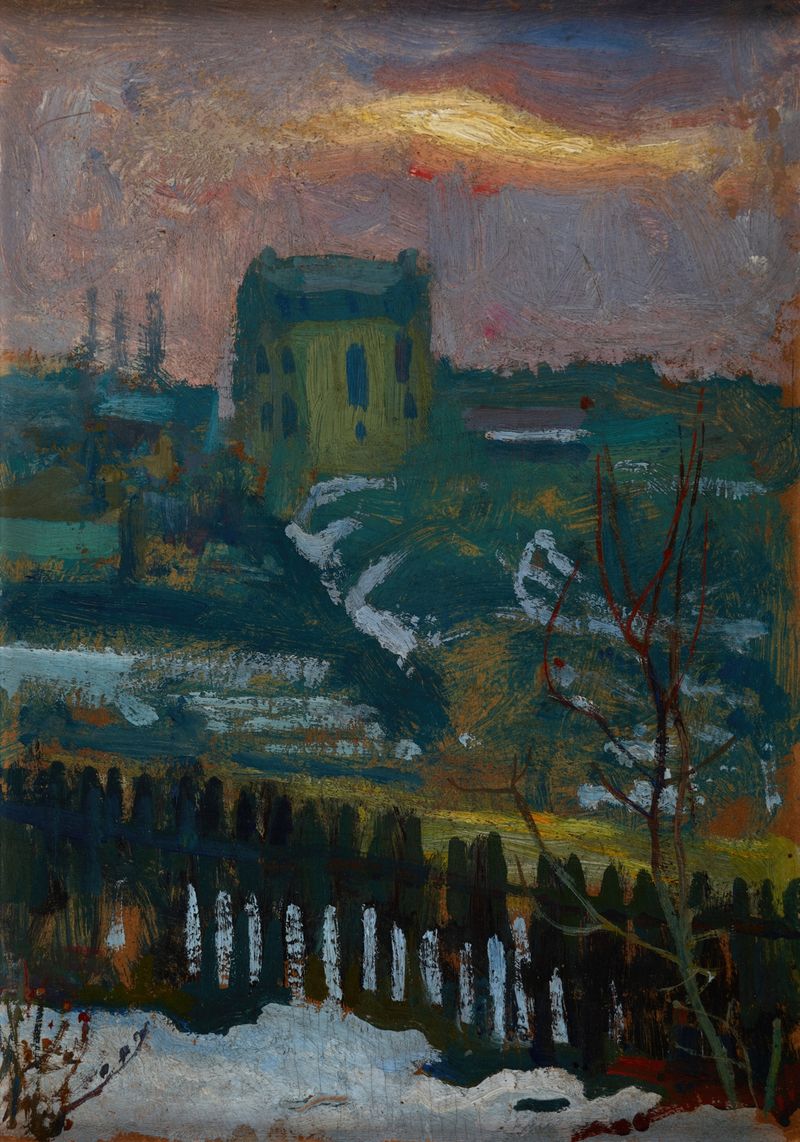
House in Winter
Jan Stanisławski
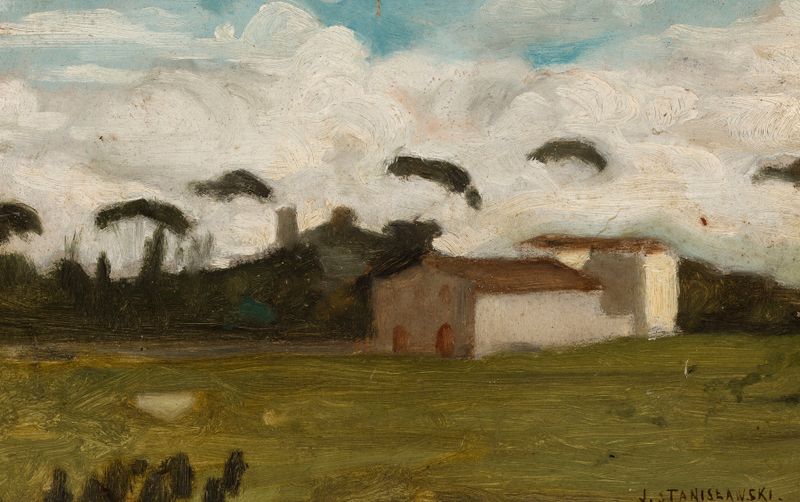
Landscape
Jan Stanisławski
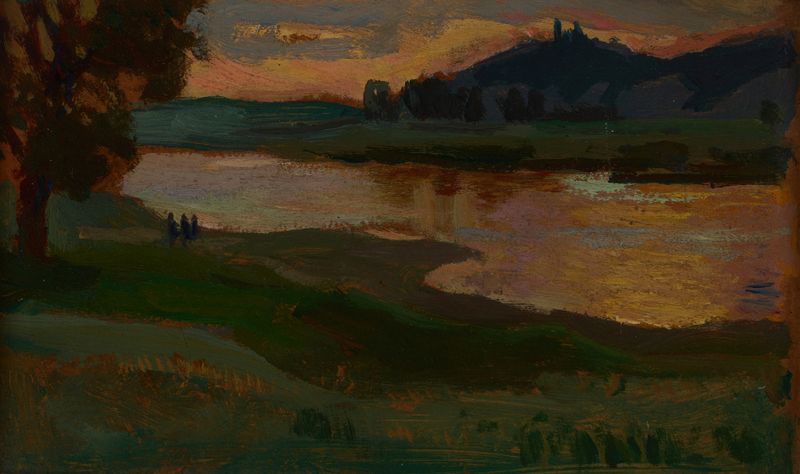
Bielany at Dusk
Jan Stanisławski
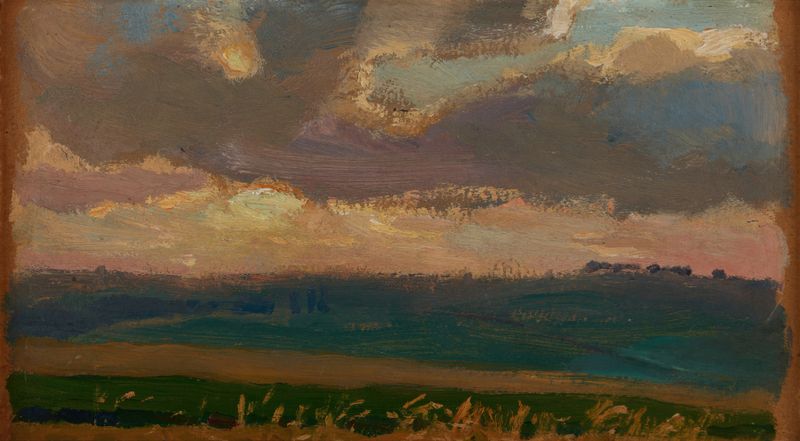
Fields at Proszowice
Jan Stanisławski





