
College of Miners. — History & Facts
In a world that often feels void of remembrance, the act of capturing fleeting moments on canvas becomes a powerful rebellion against the relentless passage of time. Look closely at College of Miners, where the eyes are drawn first to the solemn figures gathered in the foreground. Their rough-hewn faces, illuminated by the soft, golden light filtering through the space, tell stories of labor and resilience. Notice the deep contrasts in color, where earthy browns and muted greens dominate, reflecting the unforgiving environment they inhabit.
The composition, with its diagonal lines leading to a distant horizon, evokes a sense of depth and perspective, as if inviting viewers to peer into the lives of those depicted. Within this gathering lies a powerful juxtaposition between the camaraderie of the miners and the isolation of their profession. The gestures of their hands speak volumes: some are clasped in thoughtful contemplation while others wave in animated discussion, suggesting a shared burden and unspoken dreams. The void surrounding them is palpable, hinting at the larger forces at play—economic changes, shifting landscapes, and the relentless march of progress that threatens to erase their existence. In 1869, C.
Castro painted this work against the backdrop of an industrial revolution that was reshaping society. Emerging from a period of personal upheaval, he sought to capture the essence of work and community within the mining industry, as well as the transformative impact of modernization. This painting reflects not only his artistic journey but also the collective memory of a time that demanded the resilience of those who toiled within its depths.
More Artworks by C. Castro
Browse all →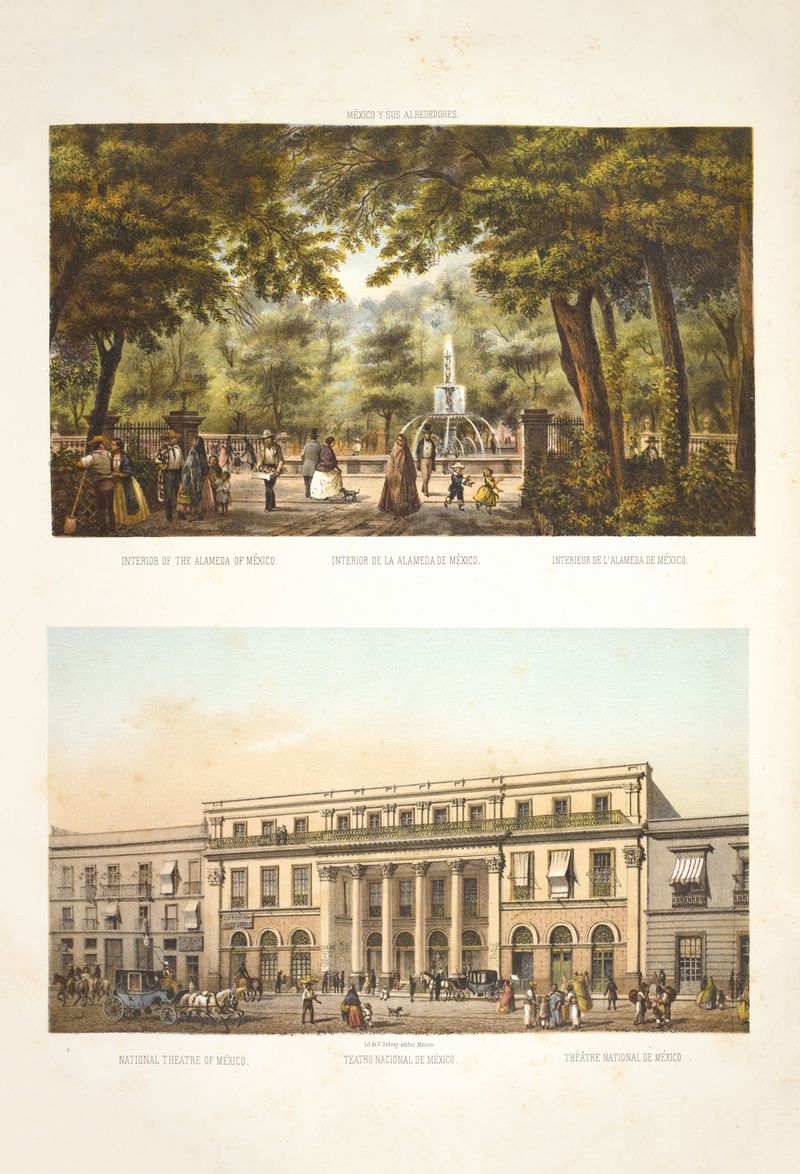
Interior of the Alameda of Mexico ; National Theatre of Mexico.
C. Castro
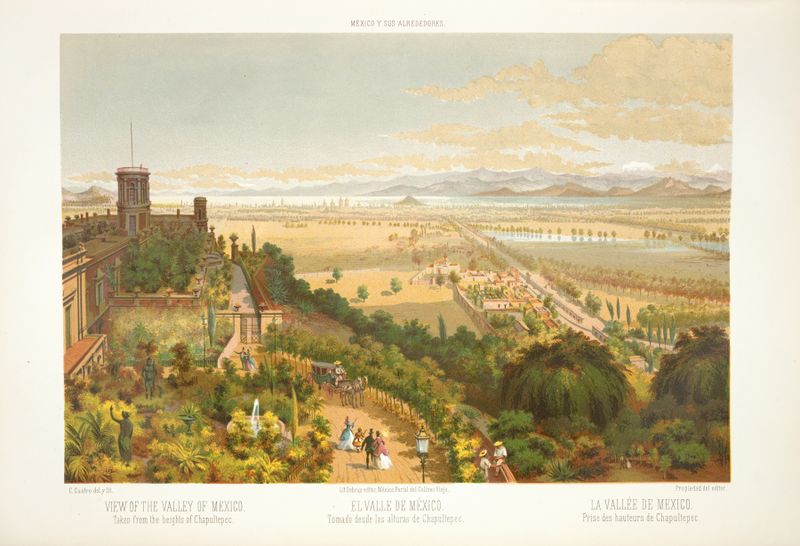
View of the Valley of Mexico, taken from the heights of Chapultepec.
C. Castro
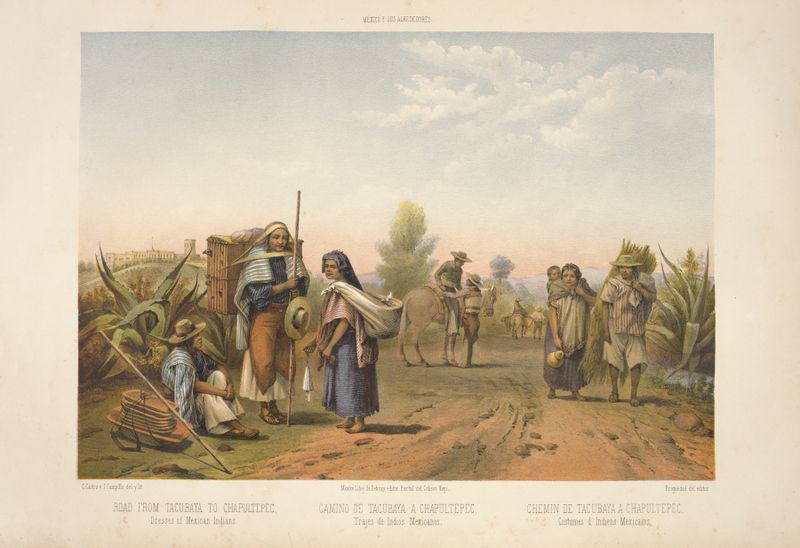
Road from Tacubaya to Chapultepec, dresses of Mexican Indians.
C. Castro
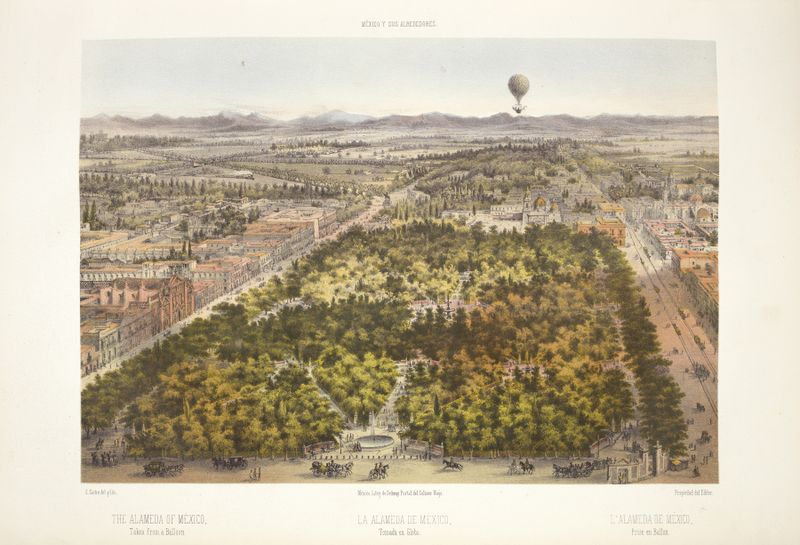
The Alameda of Mexico, taken from a balloon.
C. Castro
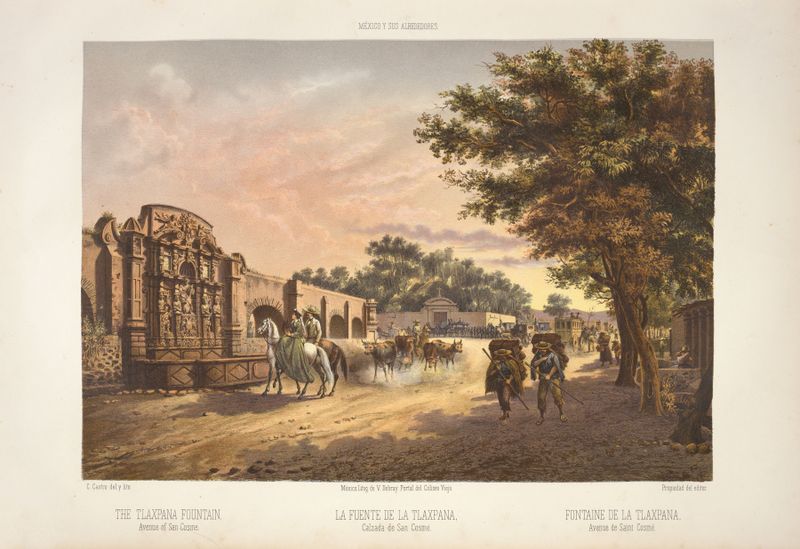
The Tlaxpana fountain, Avenue of San Cosme.
C. Castro
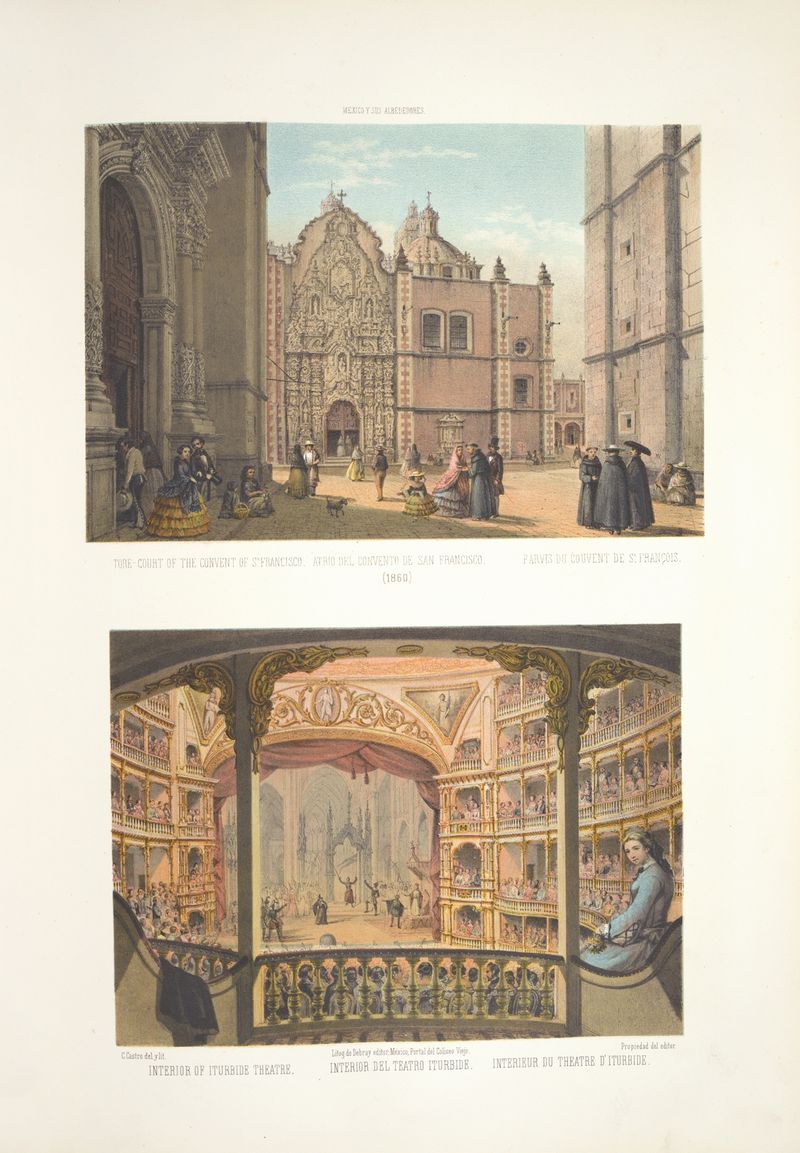
Tore-court of the convent of St. Francisco ; Interior del Teatro Iturbide
C. Castro
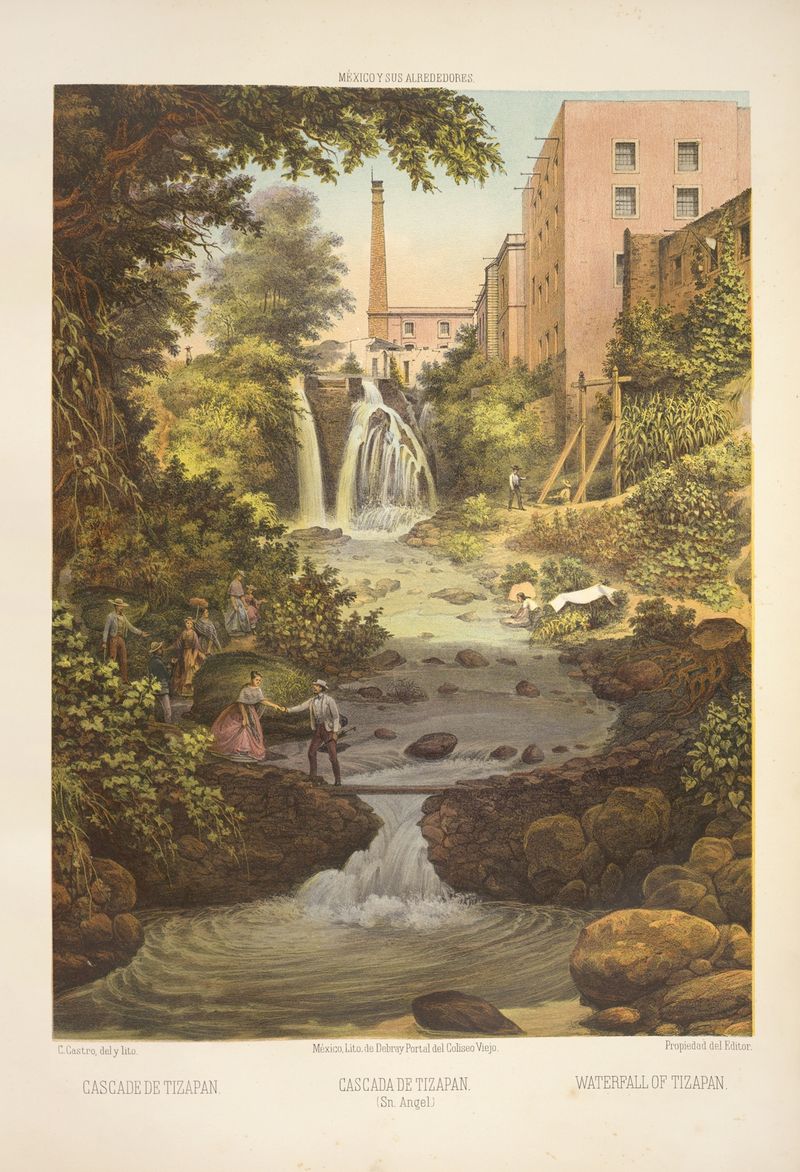
Waterfall of Tizapan
C. Castro
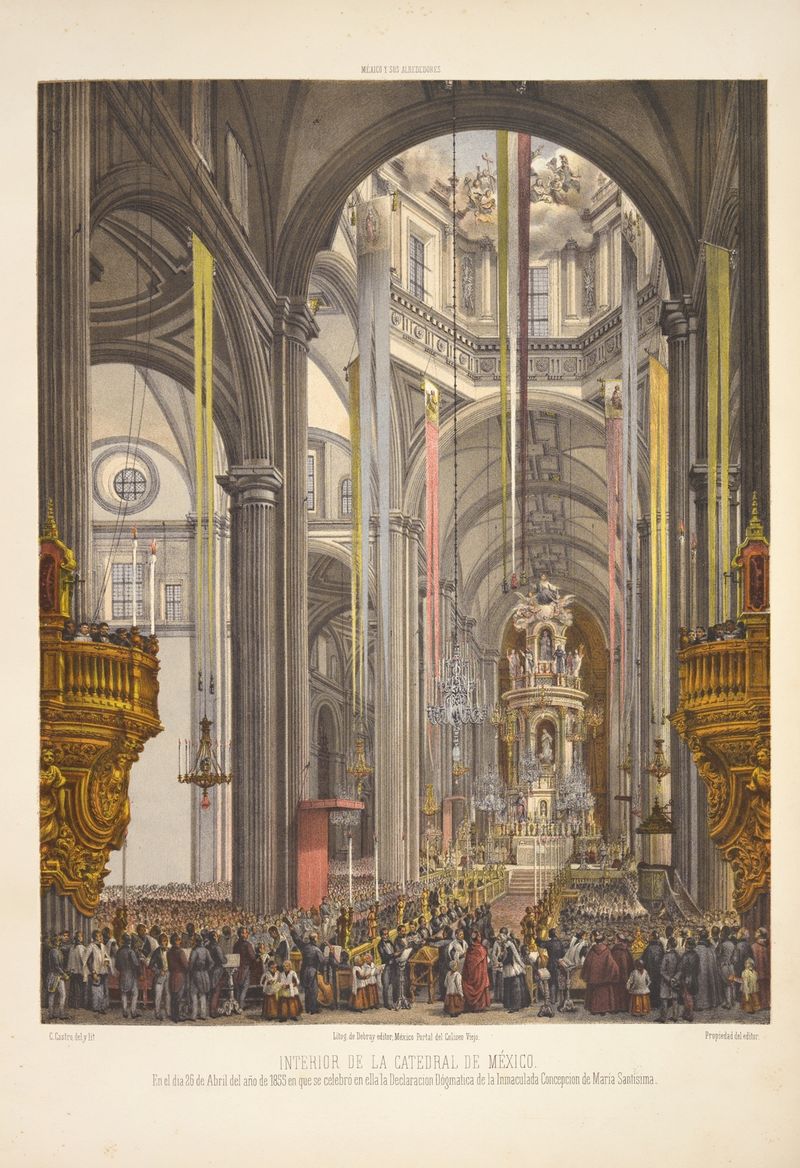
Interior de la Catedral de México. En el dia 26 de Abril del año de 1855 en que se celebró en ella la Declaracion Dógmatica de la Inmaculada Concepcion de María Santisima.
C. Castro
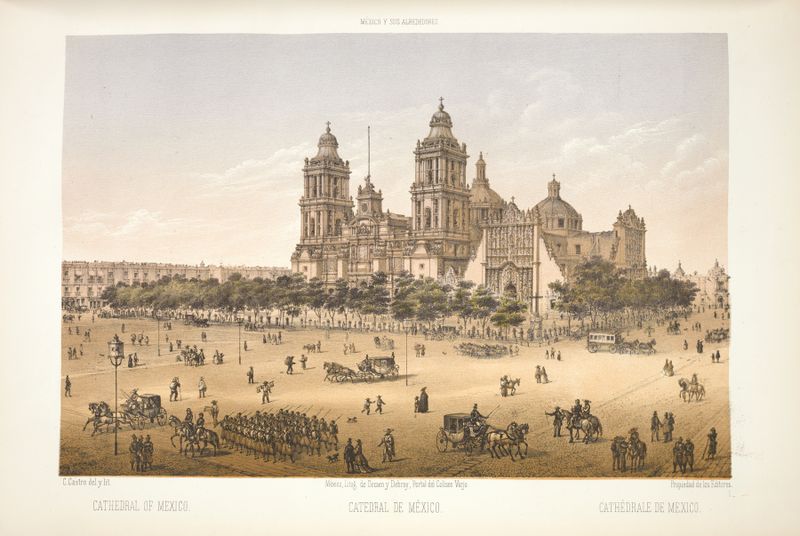
Cathedral of Mexico.
C. Castro
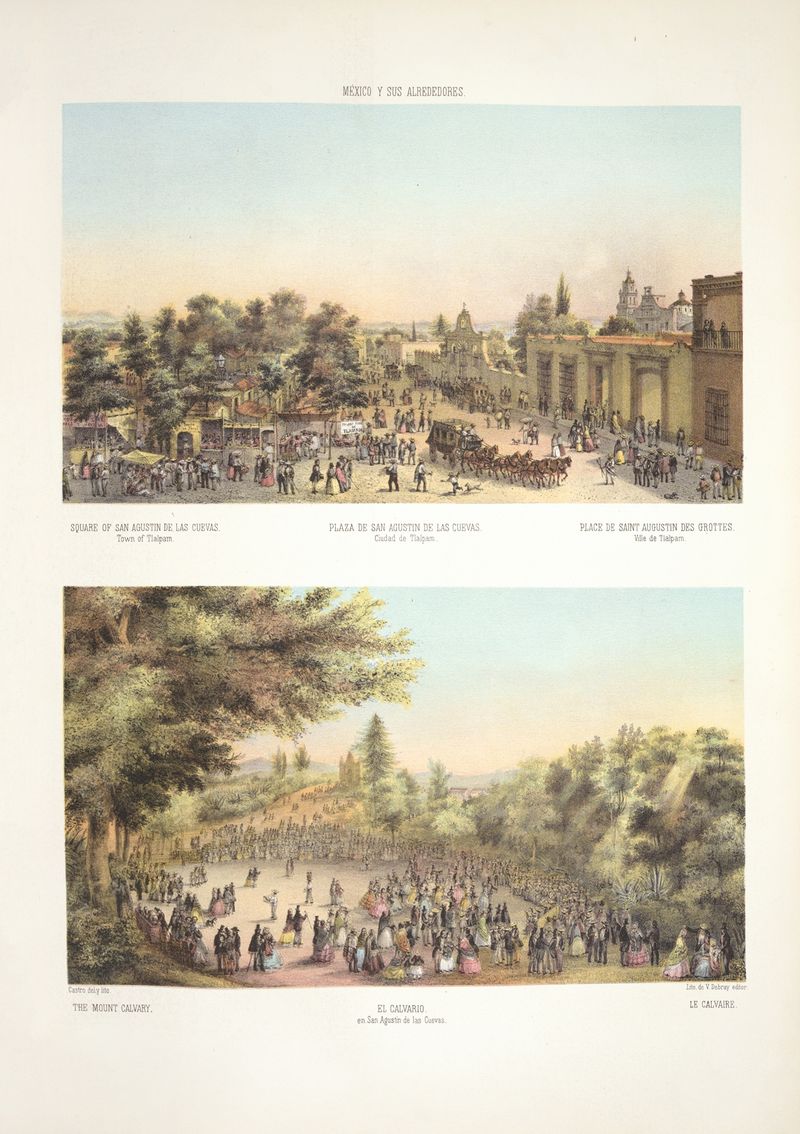
Square of San Agustin de las Cuevas, town of Tlalpam ; The Mount Calvary.
C. Castro





