
Complain to Time about it — History & Facts
Can beauty exist without sorrow? In Complain to Time about it, Francisco de Goya offers a haunting exploration of decay and the melancholic truths that accompany the passage of time. The painting serves as a poignant reminder of the inevitable decline that shadows the exquisite moments of life. Look to the left, where the figure of an old man emerges, embodying the weight of years gone by. His gaunt expression and skeletal hands reach out, as if grasping for the vitality that once defined him.
The muted earth tones cast a somber aura, while the interplay of light and shadow accentuates the grim reality of aging. The background fades into darkness, creating a stark contrast that draws the eye back to the figure, creating an emotional focal point that pulls the viewer deeper into the narrative. Delve into the details, and you'll uncover layers of meaning. The old man's gaze—filled with despair yet tinged with resignation—reveals the tension between the beauty of youth and the sorrow of mortality.
Beside him, a crumbling visage suggests the duality of existence; beauty is transient, and decay is an inescapable partner. The juxtaposition of the figure's frailty against the remnants of splendor invites contemplation on whether we can truly appreciate beauty without acknowledging its inevitable decline. During the period between 1806 and 1812, Goya was grappling with personal turmoil, including his declining health and the socio-political unrest in Spain. This era marked a shift in his artistic expression, moving away from the lighthearted themes of his earlier works towards darker, more introspective subjects.
It was a time when the artist began to confront the complexities of human existence, encapsulated powerfully in this work.
More Artworks by Francisco de Goya
Browse all →
The Third of May 1808
Francisco de Goya

De slaap van de rede brengt monsters voort
Francisco de Goya

The Charge of the Mamelukes (1814)
Francisco de Goya
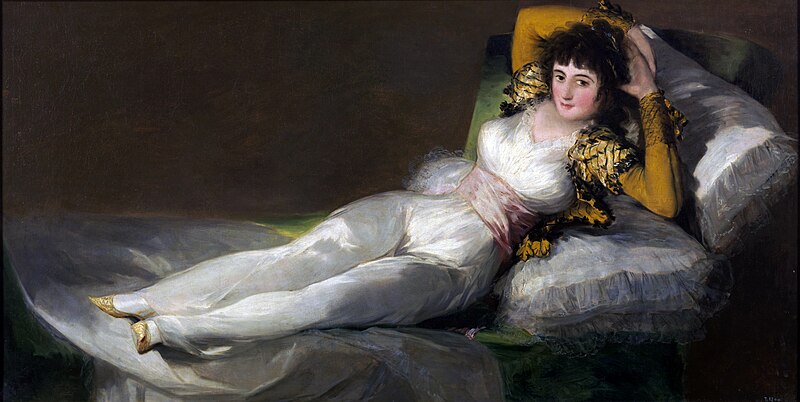
La maja vestida
Francisco de Goya

La maja desnuda
Francisco de Goya
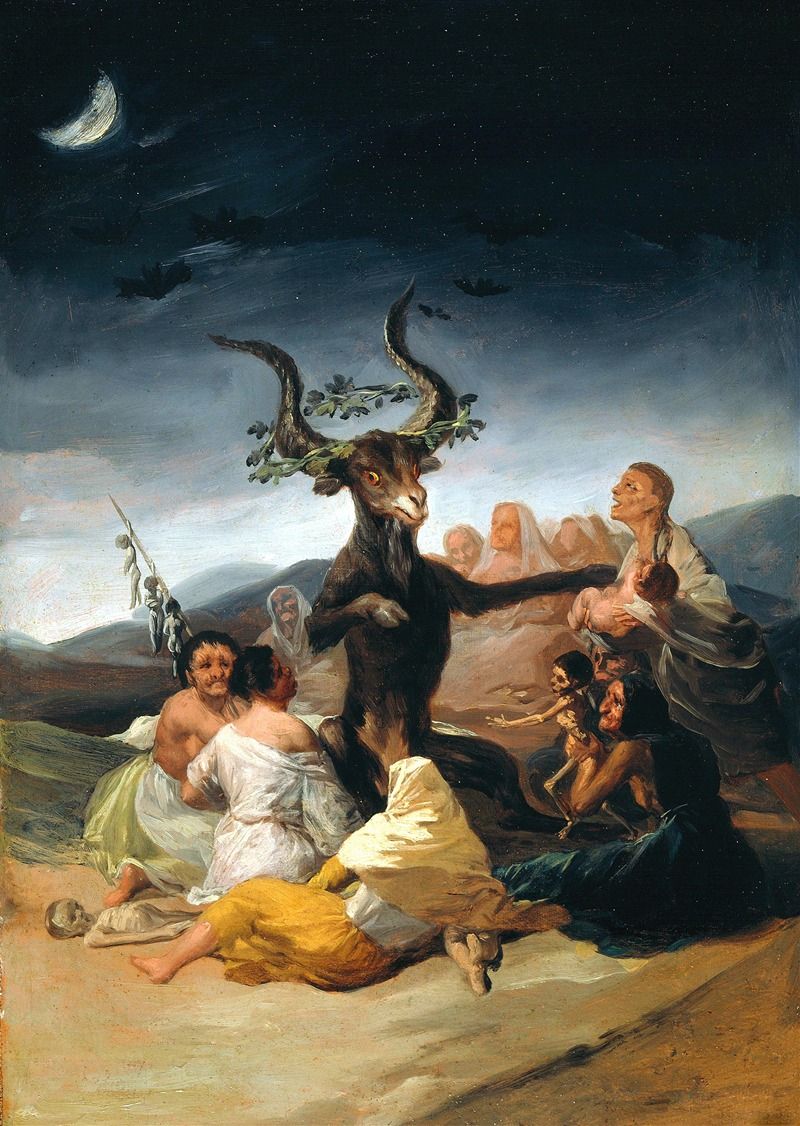
The Sabbath of witches
Francisco de Goya
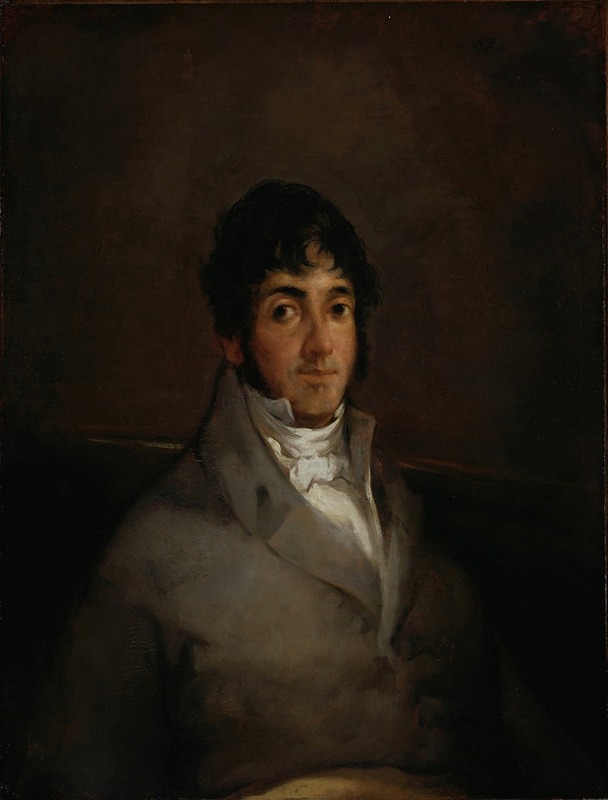
Portrait of Isidoro Maiquez
Francisco de Goya
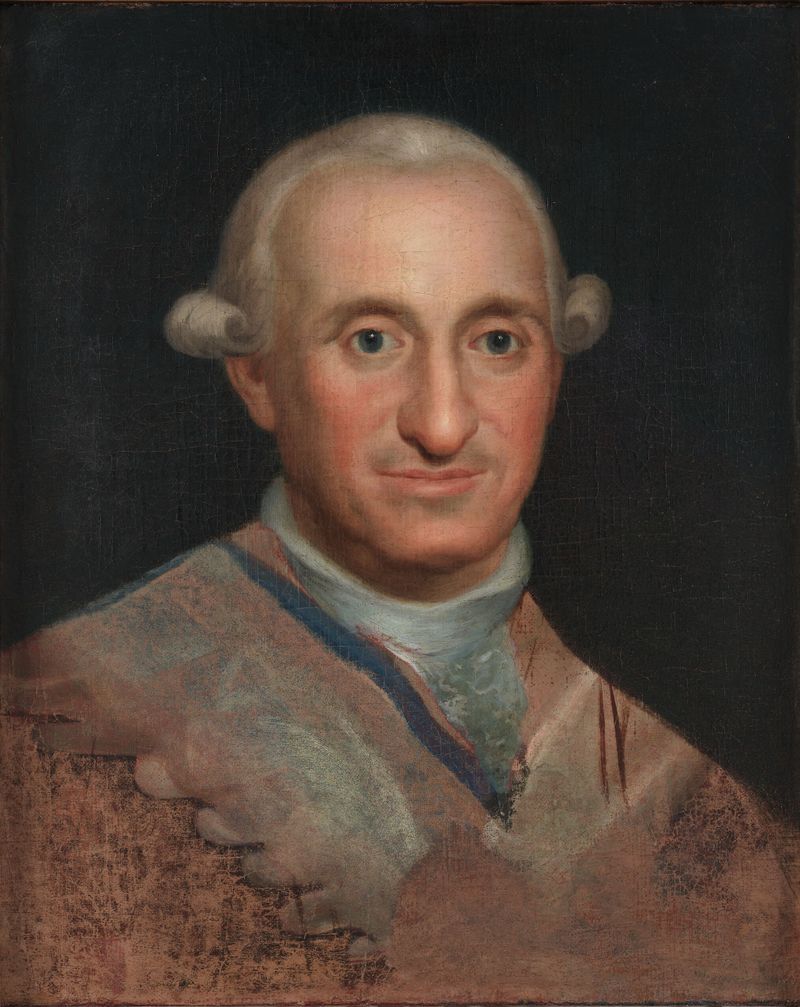
Charles IV, King of Spain
Francisco de Goya
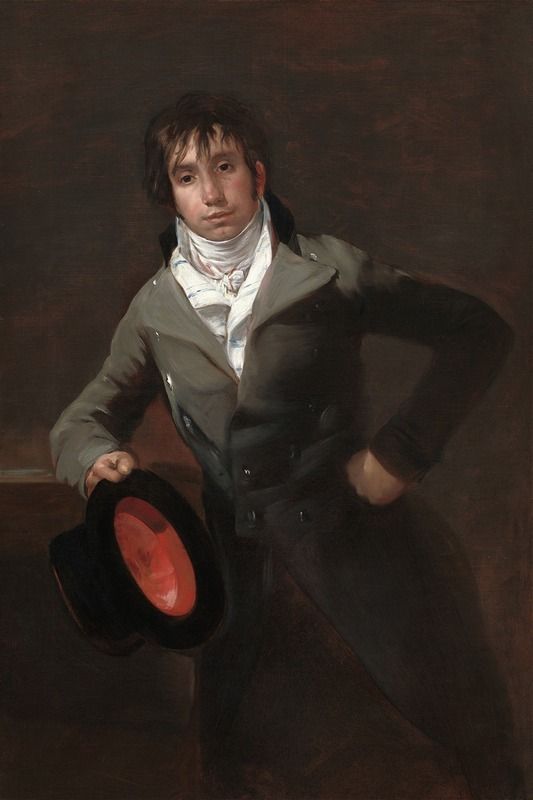
Bartolomé Sureda y Miserol
Francisco de Goya
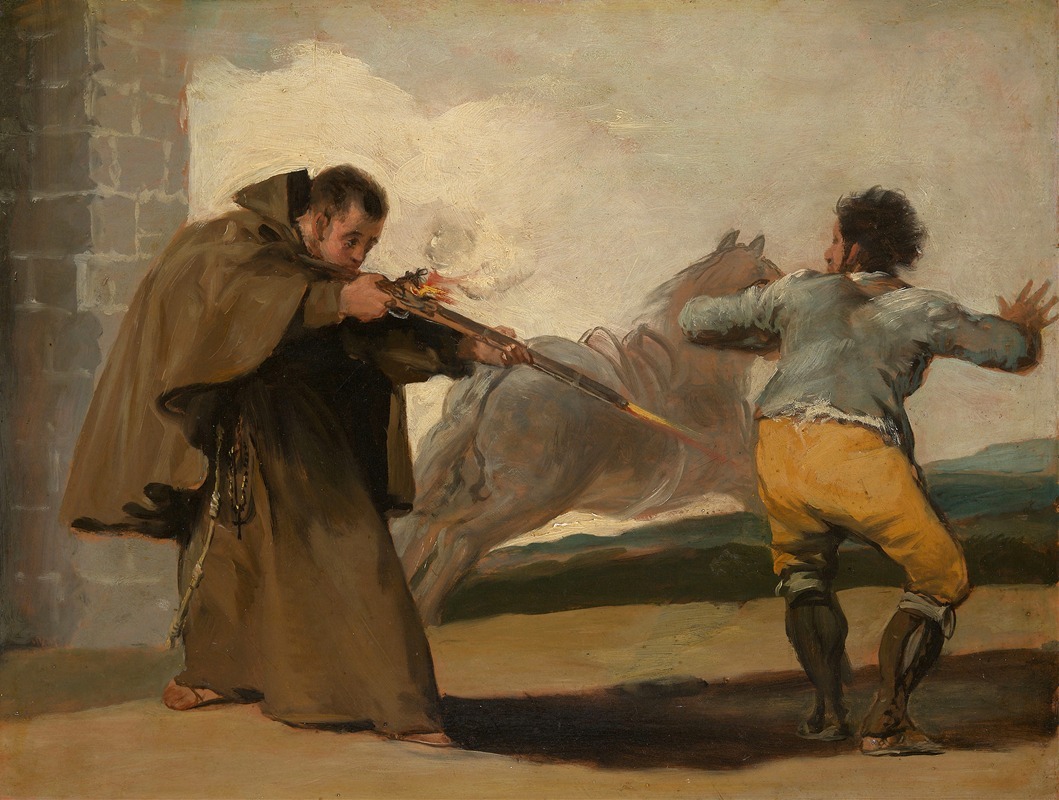
Friar Pedro Shoots El Maragato as His Horse Runs Off
Francisco de Goya




