
Compositie — History & Facts
When Compositie first appeared in exhibitions of the early twentieth century, critics were struck by its radical departure from conventional representation, aligning it with the restless spirit of the Futurist movement. Unlike the more famous Italian Futurists, Jules Schmalzigaug was a Belgian artist who brought his own sensibility to the movement, blending the dynamism of modern life with a lyrical sense of color and rhythm. The precise date and circumstances of the painting’s creation remain uncertain, adding a layer of mystery that continues to intrigue scholars.
What is certain is that Compositie stands as a rare surviving testament to Schmalzigaug’s brief but intense engagement with Futurism before his untimely death in 1917. In Compositie, the viewer is swept into a vortex of swirling forms and fractured planes, as if witnessing the pulse of a city in motion. Instead of a narrative scene or identifiable figures, Schmalzigaug constructs a visual symphony of color and shape, using bold lines and overlapping areas of pigment to suggest movement and energy. The eye is drawn from one segment to another, never settling, echoing the Futurist fascination with speed and the mechanical age.
Unlike Umberto Boccioni’s Dynamism of a Cyclist, which anchors its abstraction in a specific subject, Schmalzigaug’s work is more ambiguous, inviting interpretation and emphasizing sensation over story. The composition’s rhythmic structure and luminous palette reveal the artist’s admiration for both Italian Futurism and the vibrant experiments of contemporary Parisian painters. The physical history of Compositie is as elusive as its forms. There is no record of a specific patron or commission, and its early provenance is largely undocumented, a common fate for works by Schmalzigaug, whose career was cut short by the First World War.
Today, the painting is recognized as a key example of Belgian engagement with international avant-garde currents, though it remains less widely known than the works of his Italian contemporaries. Its place in Schmalzigaug’s oeuvre is significant: created during his most productive years, it reflects both his immersion in the Futurist milieu and his personal quest for a new visual language. The painting now resides in a public collection, where it continues to invite fresh interpretations and new research.
More Artworks by Jules Schmalzigaug

A View of Scheveningen
Jules Schmalzigaug
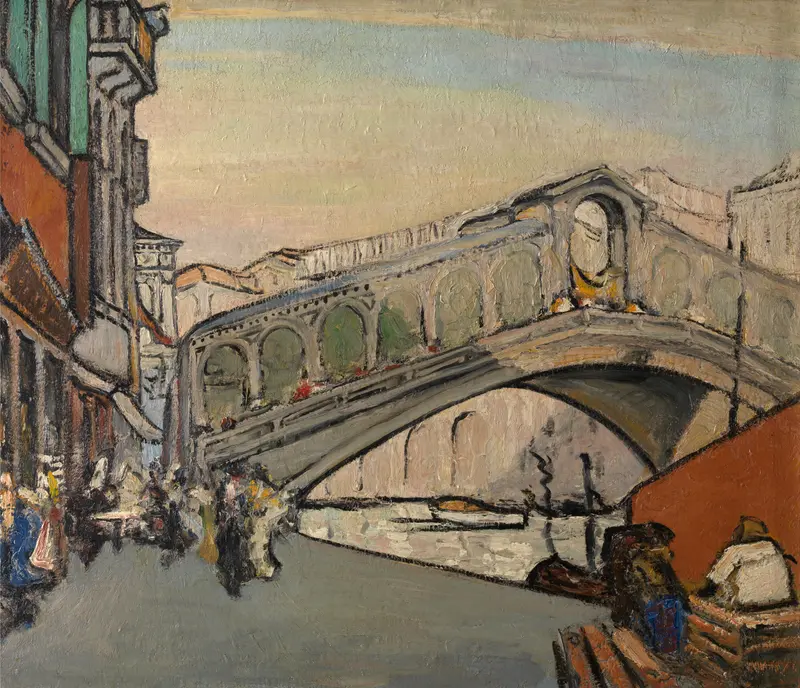
The Rialto Bridge in Venice
Jules Schmalzigaug

Abstract Bouquet
Jules Schmalzigaug
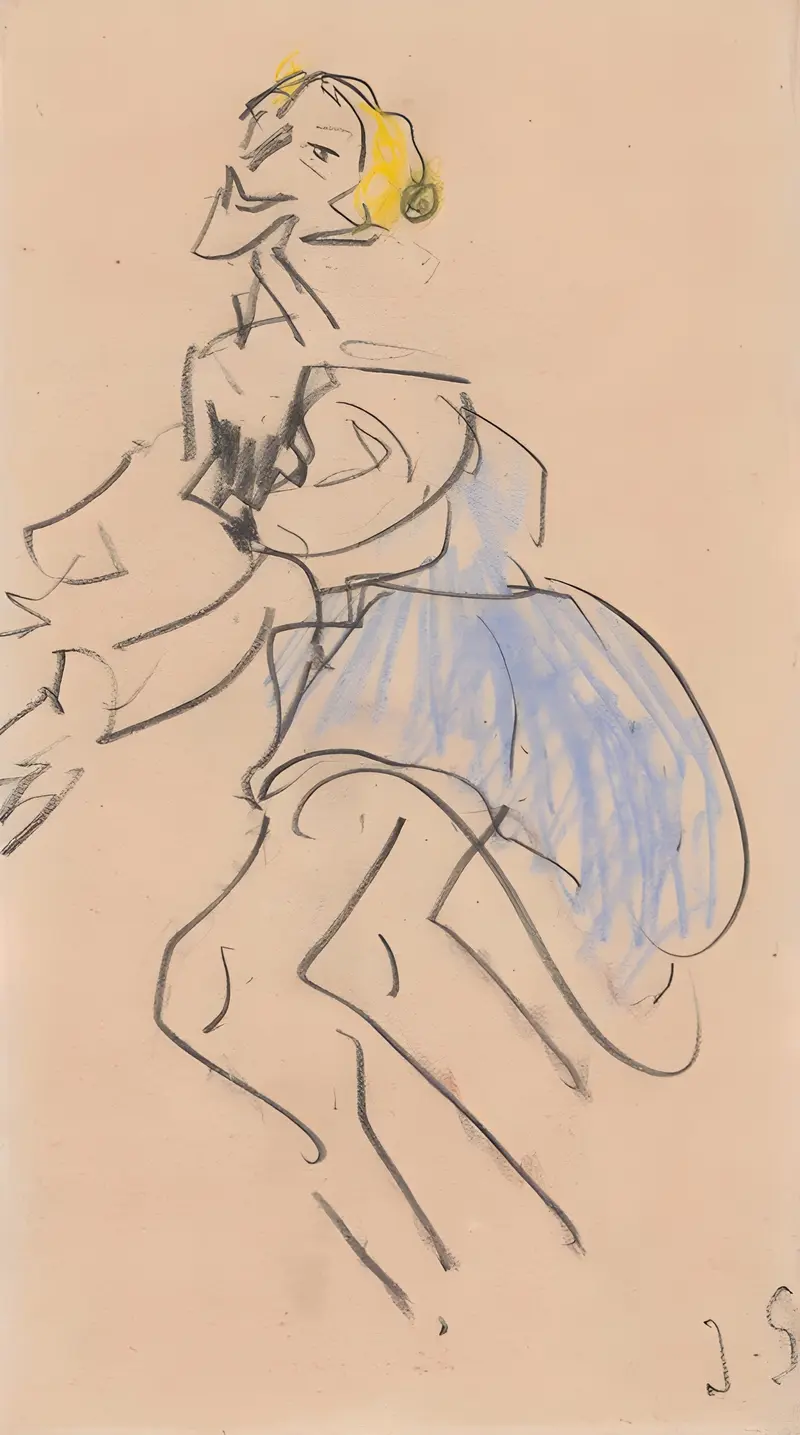
Dancer
Jules Schmalzigaug
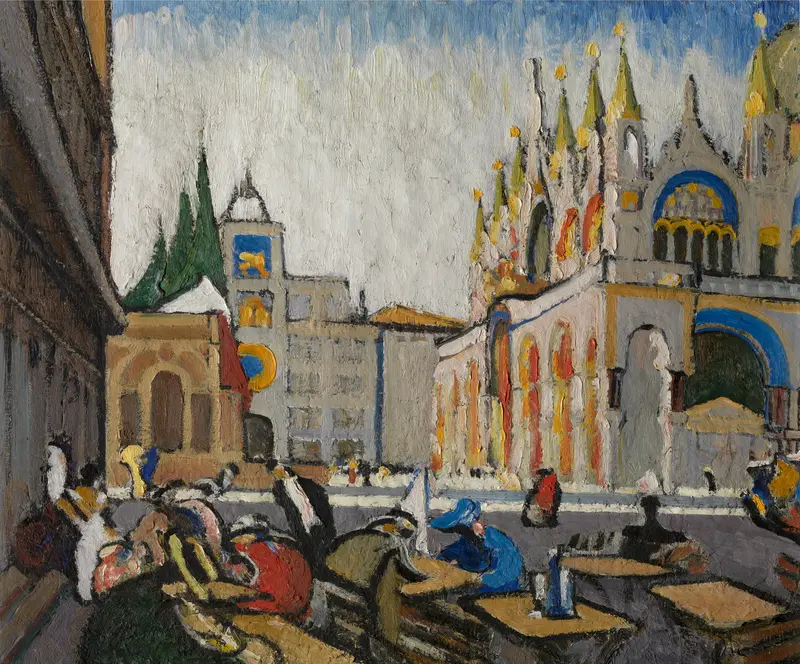
San Marco from the Piazetta
Jules Schmalzigaug
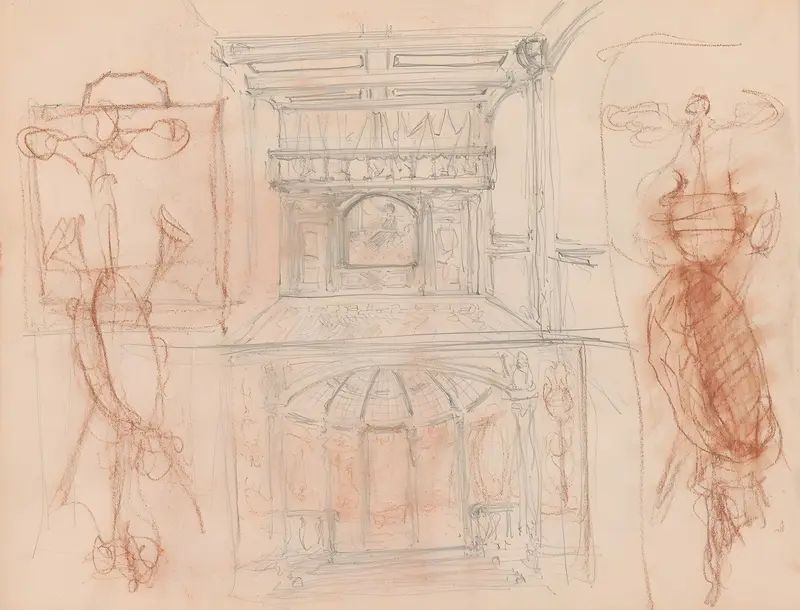
Architectural Elements
Jules Schmalzigaug
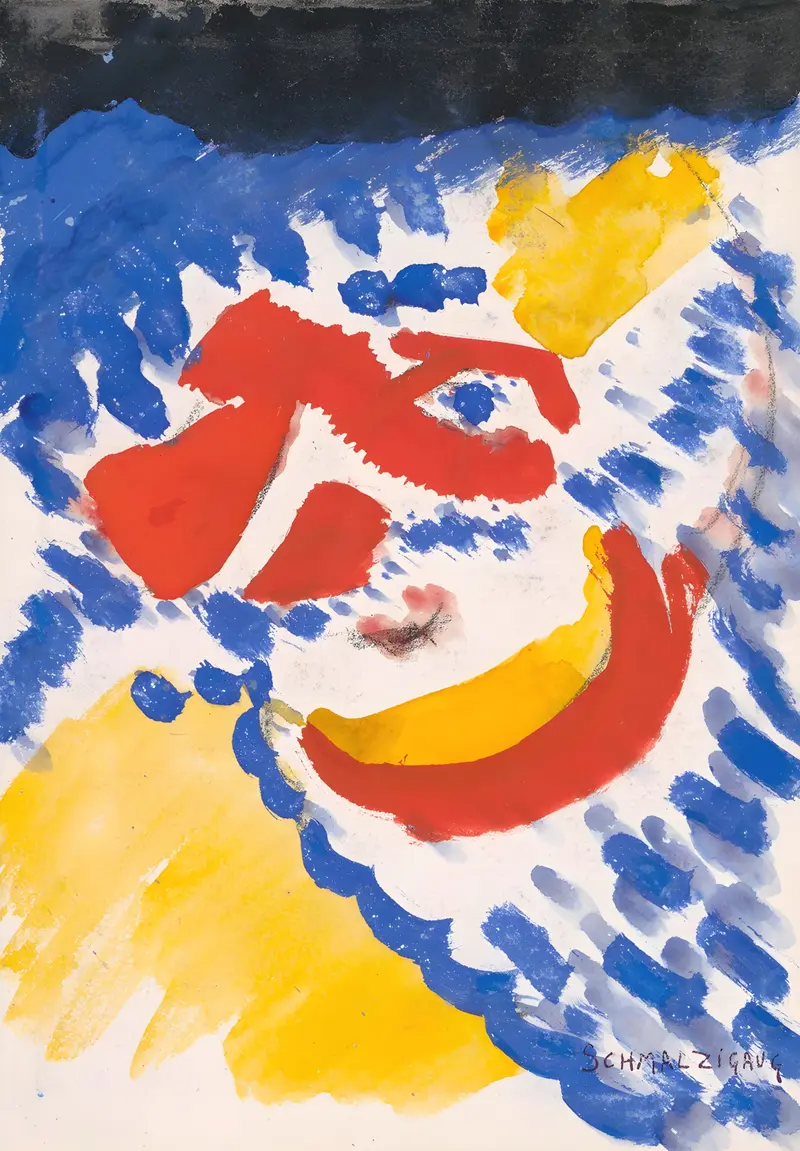
Blue, Red and Yellow Figures
Jules Schmalzigaug
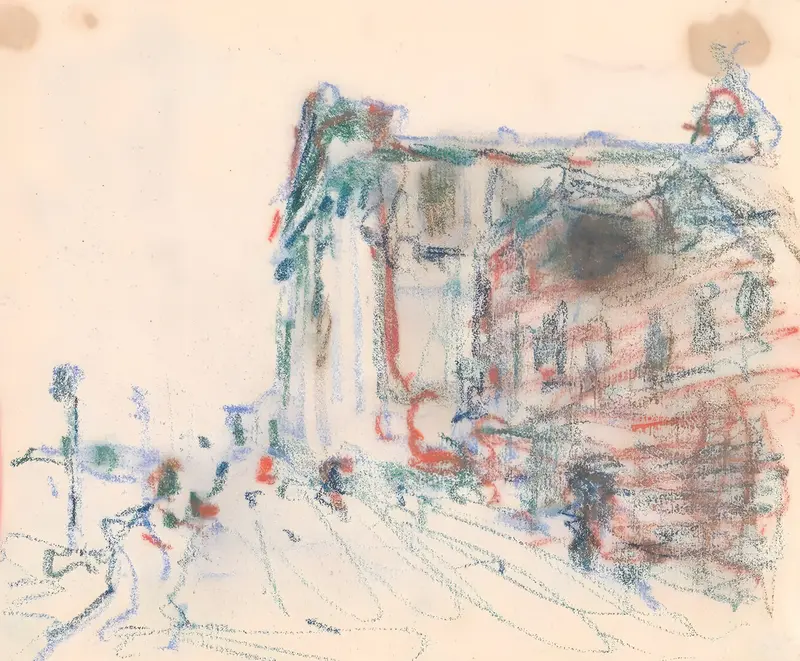
Chiesa dei Gesuati in Venice
Jules Schmalzigaug
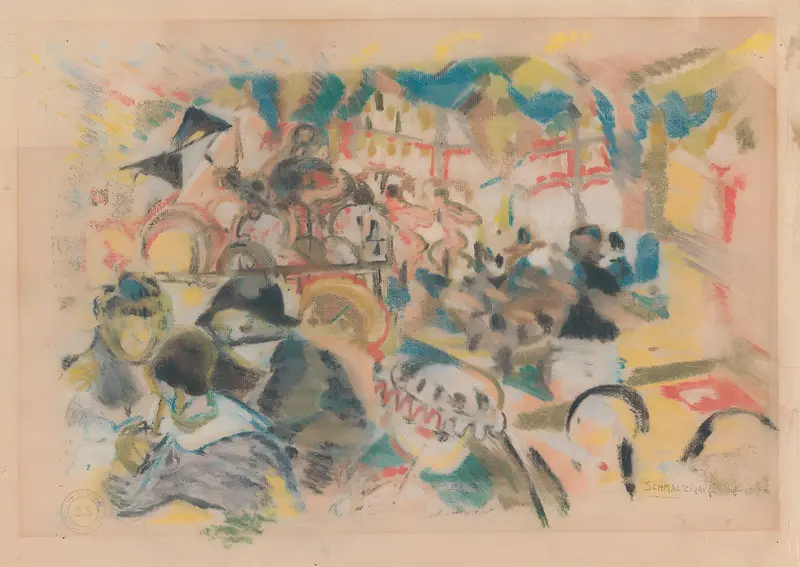
Café-chantant
Jules Schmalzigaug
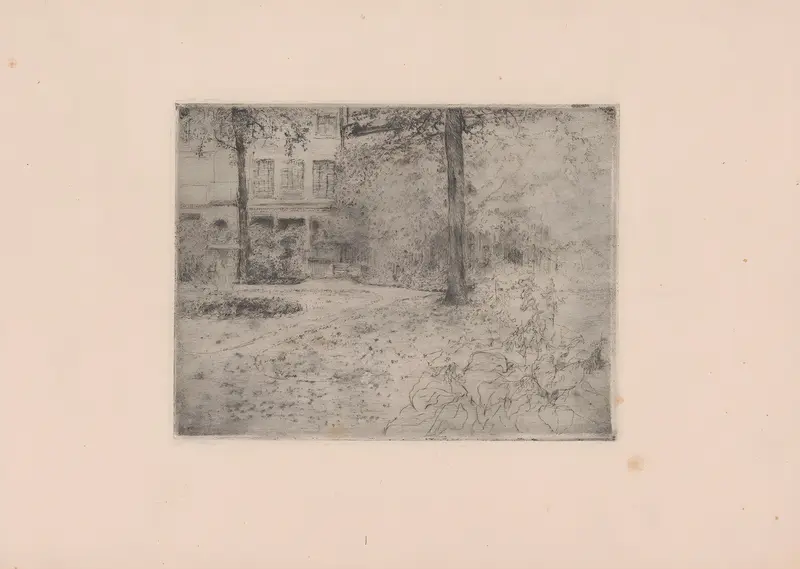
Backyard
Jules Schmalzigaug





