
Chiesa dei Gesuati in Venice — History & Facts
Few artists have captured the shifting light and watery reflections of Venice with the experimental energy of Jules Schmalzigaug. What makes Chiesa dei Gesuati in Venice particularly fascinating is how it bridges two worlds: the fading grandeur of Venetian architecture and the restless innovation of early twentieth-century painting. Schmalzigaug, a Belgian artist associated with Futurism, spent formative years in Venice, absorbing its atmosphere and translating it into a personal, modern idiom.
This work stands as a testament to his fascination with the city’s interplay of solidity and fluidity—a subject he would return to throughout his brief but intense career. The painting presents the Chiesa dei Gesuati, a baroque church on the Giudecca canal, not as a static monument but as a living presence shimmering in the Venetian light. Schmalzigaug chooses a moment when the sun glances off the white façade, breaking it into planes of color and shadow, while the canal below mirrors and distorts the architecture. The brushwork is lively, almost fragmented, hinting at the influence of Futurism in its attempt to capture movement and sensation rather than precise detail.
Unlike Canaletto’s meticulous vedute of the same church, Schmalzigaug’s version is more concerned with fleeting impressions—the way water, sky, and stone seem to dissolve into one another under the painter’s gaze. The precise history of this painting’s commission and early ownership remains uncertain, as is often the case with Schmalzigaug’s works, many of which were produced during his self-imposed exile in Italy before World War I. It likely remained in private hands for decades, surfacing occasionally in exhibitions dedicated to Futurism or Belgian modernism. Today, Chiesa dei Gesuati in Venice is recognized as a rare example of Schmalzigaug’s Venetian period, illustrating his transition from representational views to the dynamic abstraction that would define his later years.
Its presence in the online gallery offers a glimpse into a moment when Venice inspired not only nostalgia but also bold artistic experimentation.
More Artworks by Jules Schmalzigaug

A View of Scheveningen
Jules Schmalzigaug
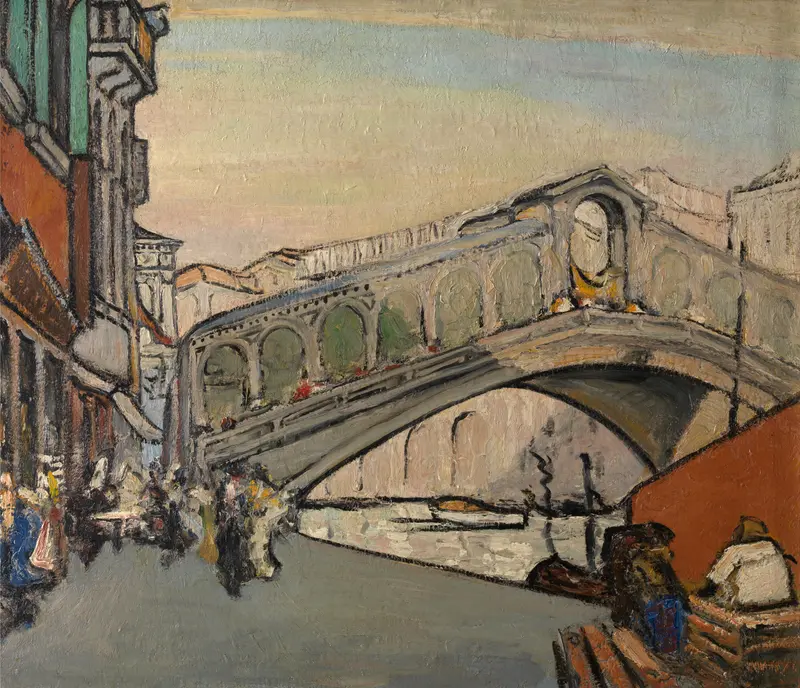
The Rialto Bridge in Venice
Jules Schmalzigaug

Abstract Bouquet
Jules Schmalzigaug
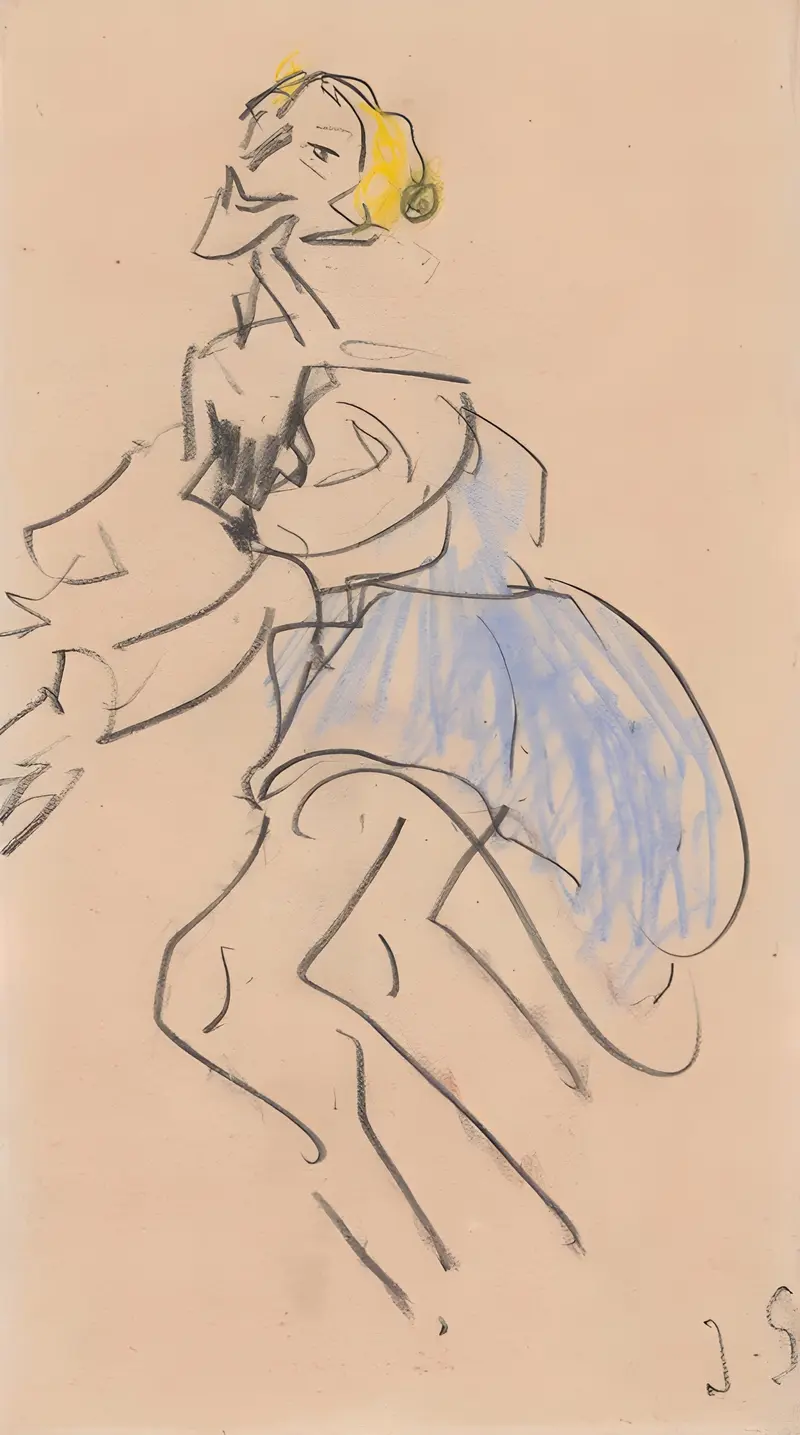
Dancer
Jules Schmalzigaug
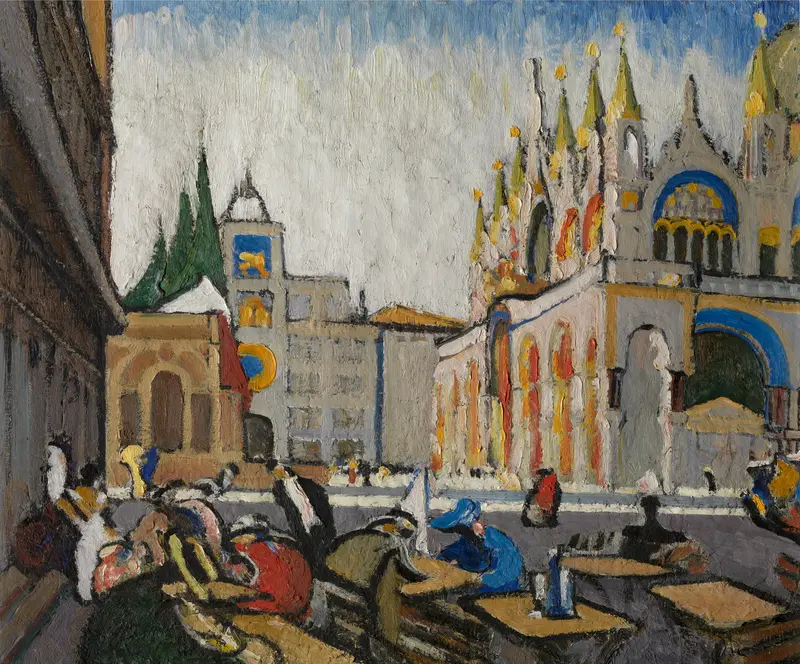
San Marco from the Piazetta
Jules Schmalzigaug
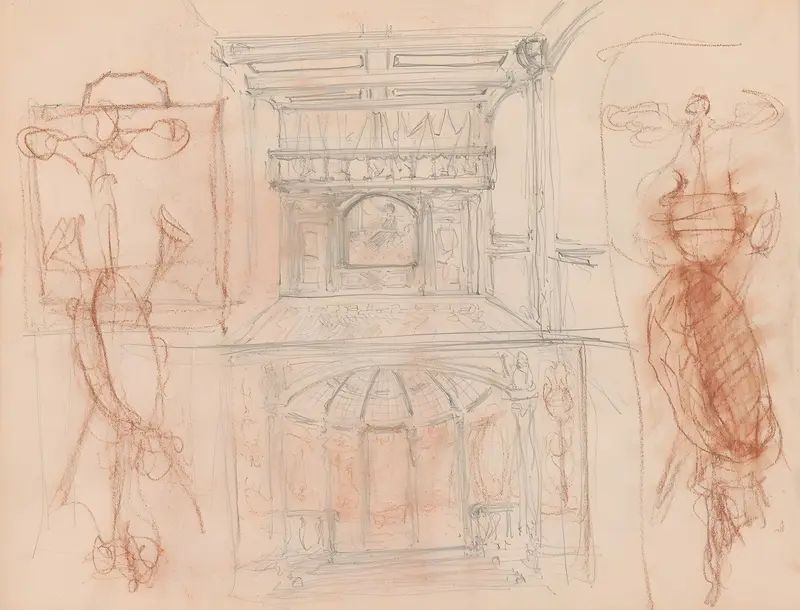
Architectural Elements
Jules Schmalzigaug
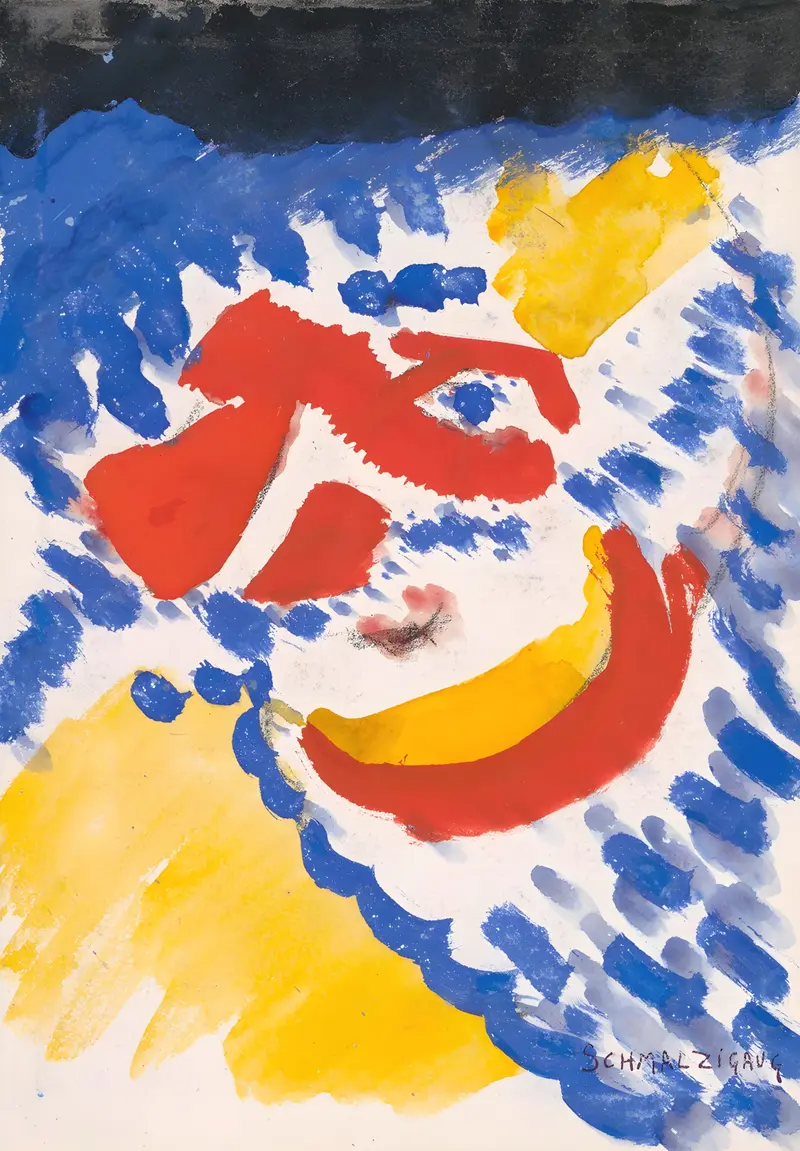
Blue, Red and Yellow Figures
Jules Schmalzigaug
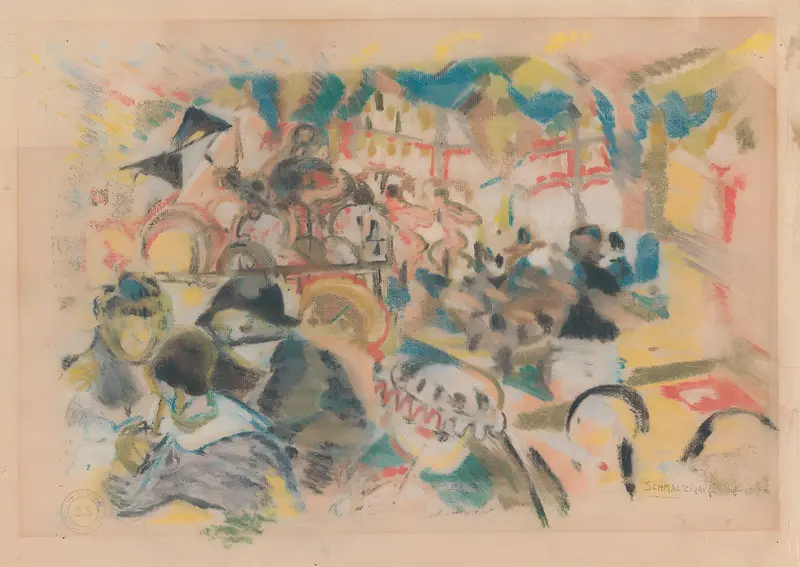
Café-chantant
Jules Schmalzigaug
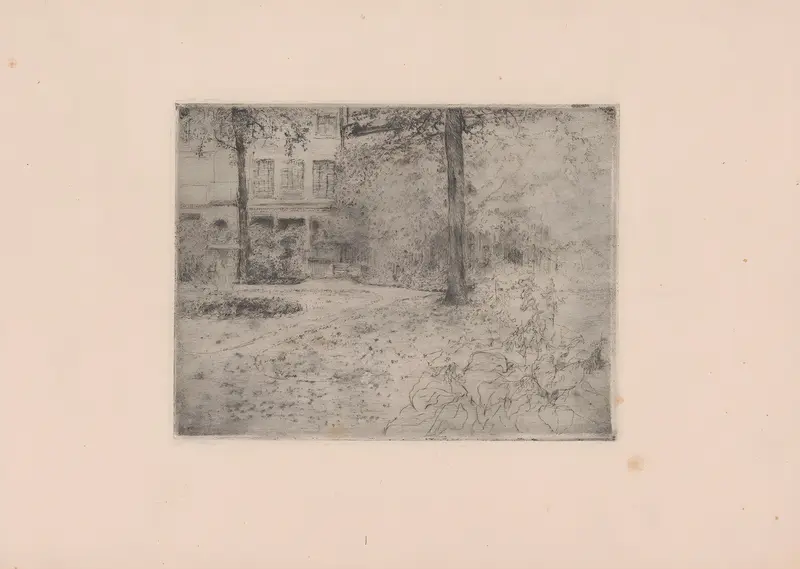
Backyard
Jules Schmalzigaug
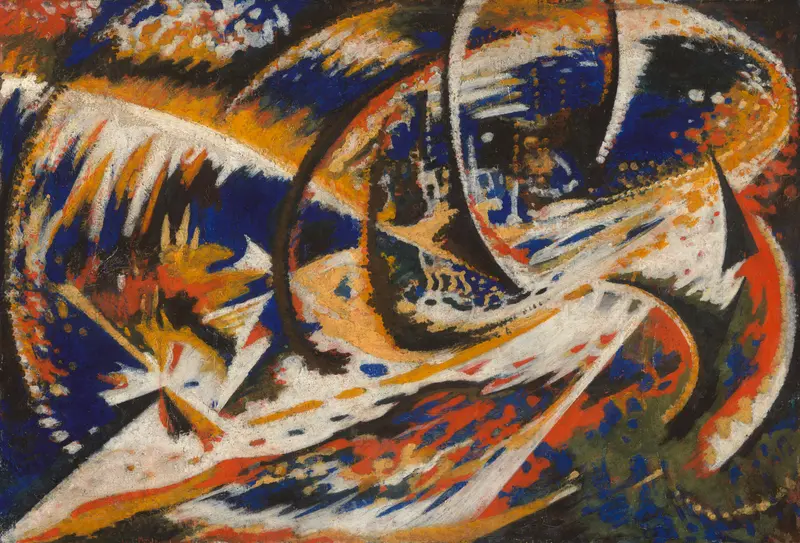
Speed
Jules Schmalzigaug





