Compositie met hoofd van een oude vrouw, een hand en een kruik — History & Facts
What first seizes the eye in Compositie met hoofd van een oude vrouw, een hand en een kruik is the sense of quiet absorption, as if the world has paused around this solitary figure. The old woman’s head, rendered in swift, searching lines, bends toward a simple jug and a scattering of small objects—perhaps stones or bits of bread—on the table before her. Her gaze is intent, her expression unreadable, caught somewhere between memory and concentration.
The artist draws us in with the unfinished quality of the scene: the hand, so close to the jug, seems to hover in indecision or fatigue, while the sparse background leaves us with only the essentials, sharpening the intimacy of the moment. Light falls softly from above, picking out the contours of her weathered face and the roughness of her hand, inviting us to imagine the life that shaped them. Created in 1833 by Augustin Théodule Ribot, this print belongs to a tradition in nineteenth-century France that found dignity and drama in the everyday lives of working people. Such studies—often made for their own sake, or as preparatory sketches for larger compositions—were prized by collectors who valued authenticity and the artist’s hand.
The choice of an elderly woman, rendered with such directness, reflects a growing interest in realism and the ordinary, a shift away from the grand historical narratives of earlier eras. Little is recorded about this specific work’s journey, but its presence in the Rijksmuseum today speaks to the enduring appeal of these quiet, searching moments. Look again at the print: what stories might be hidden in the lines of her face, or in the humble objects at her side?
More Artworks by Augustin Théodule Ribot

The Scullion
Augustin Théodule Ribot
The Artist's Daughter
Augustin Théodule Ribot
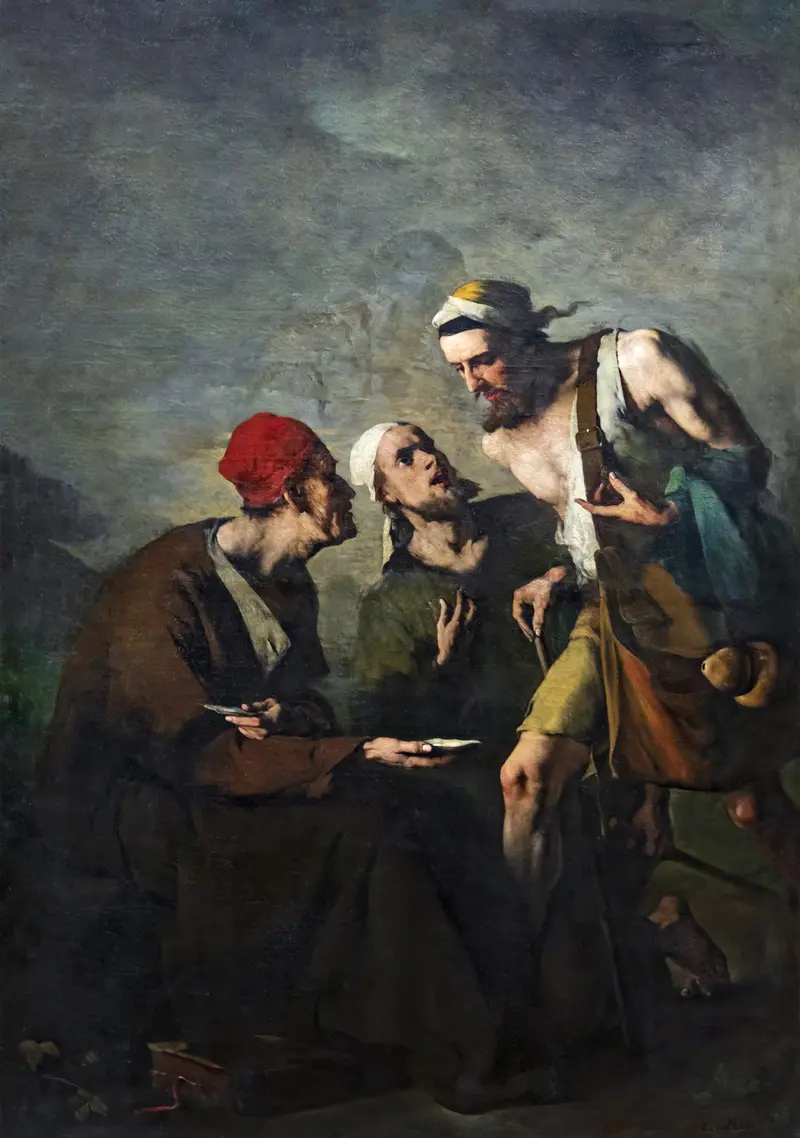
The oyster and the Litigant's
Augustin Théodule Ribot
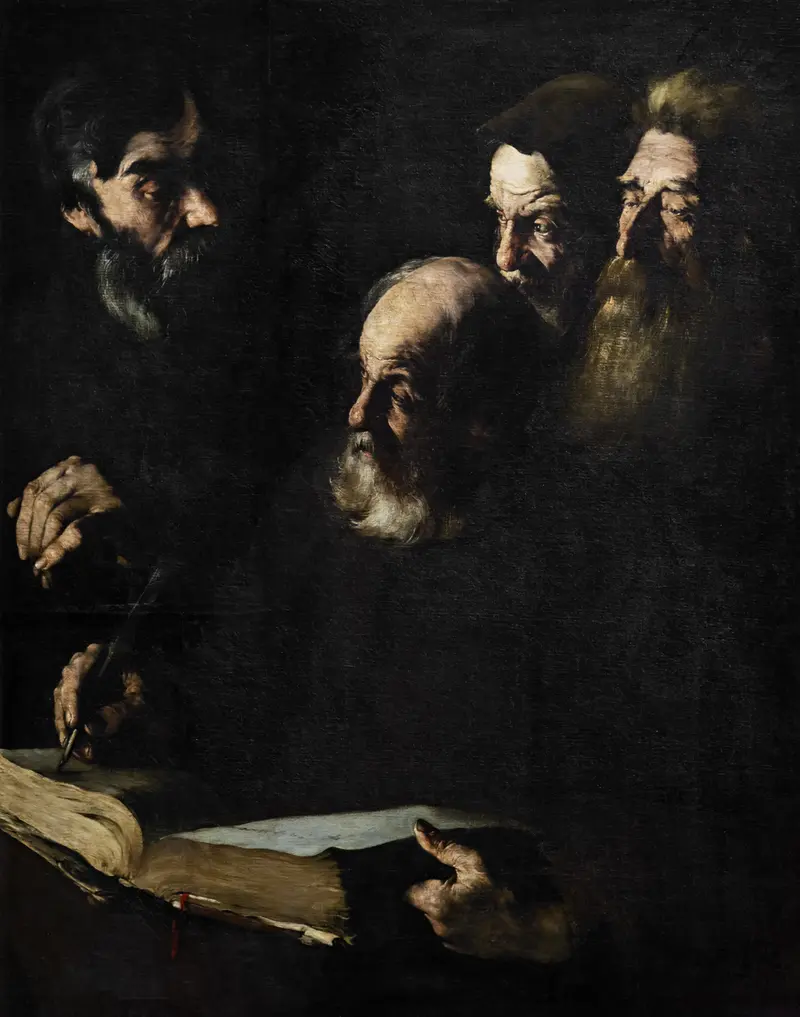
The philosophers
Augustin Théodule Ribot
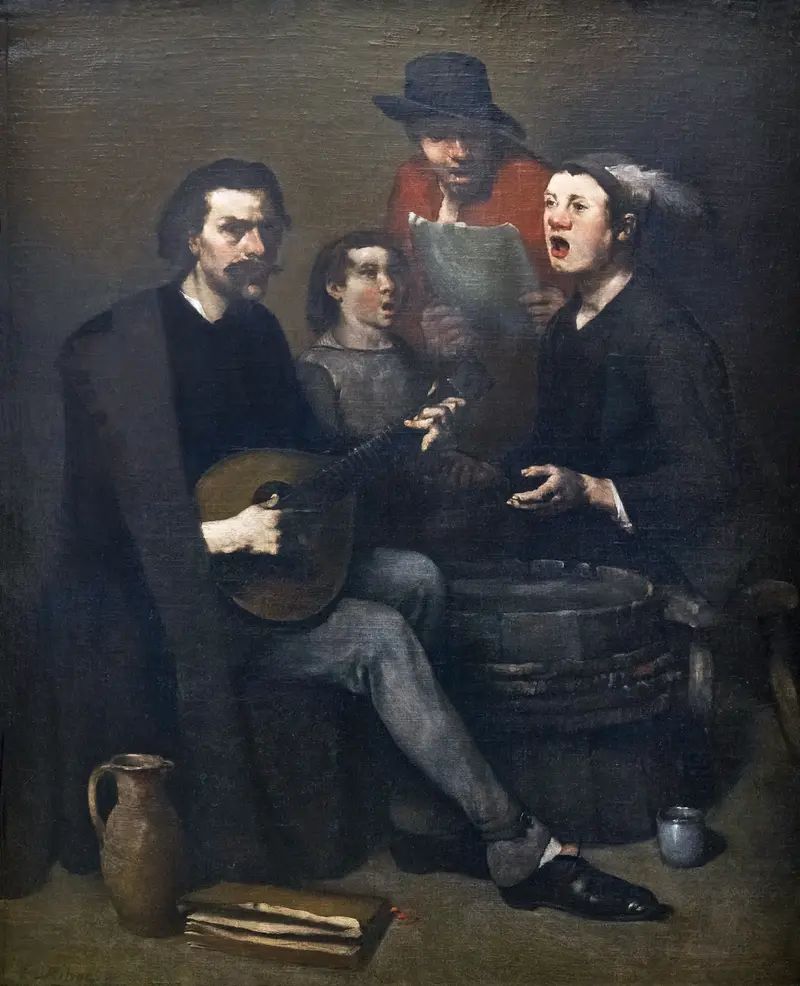
Singers
Augustin Théodule Ribot
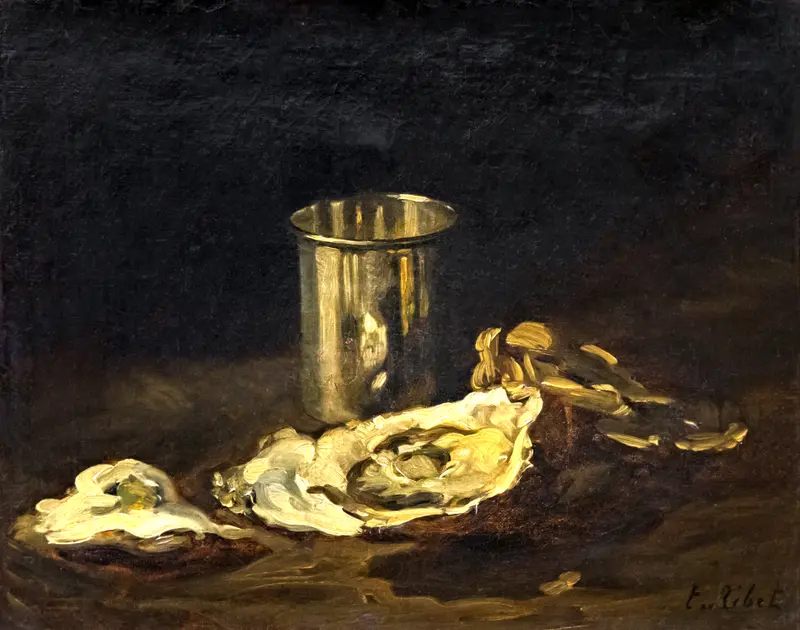
Oyster and timbale
Augustin Théodule Ribot
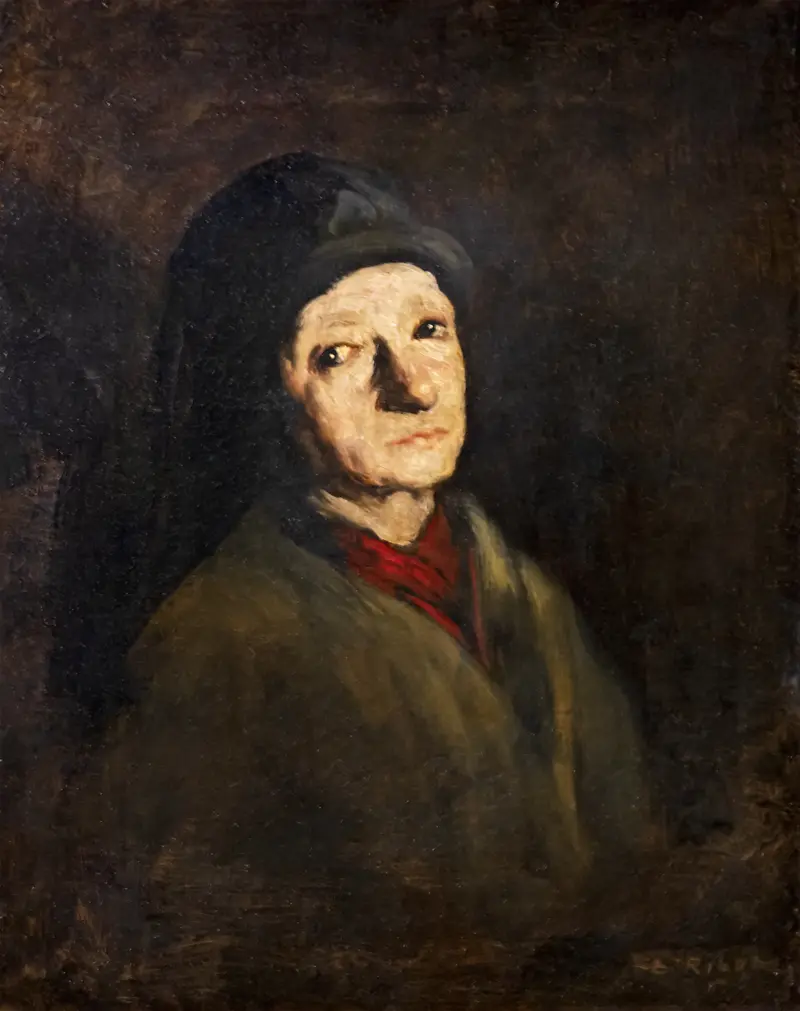
Portrait of the artist's mother
Augustin Théodule Ribot
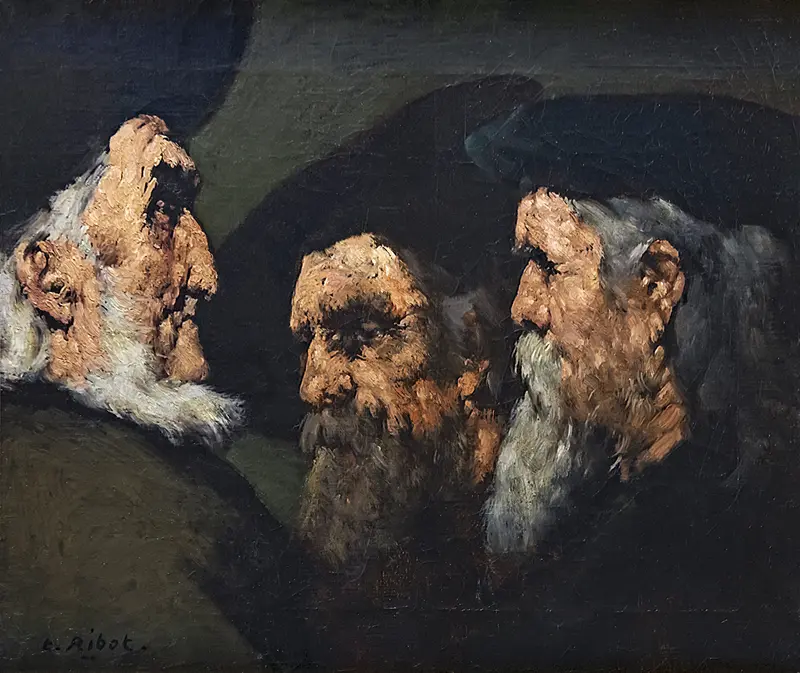
Three old jews
Augustin Théodule Ribot
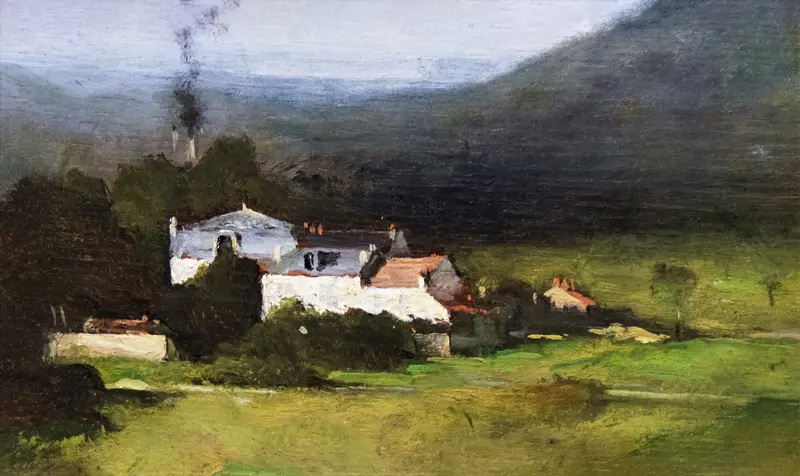
' Landscape ', known as ' La Maison de Corot in Ville-d'Avray '
Augustin Théodule Ribot
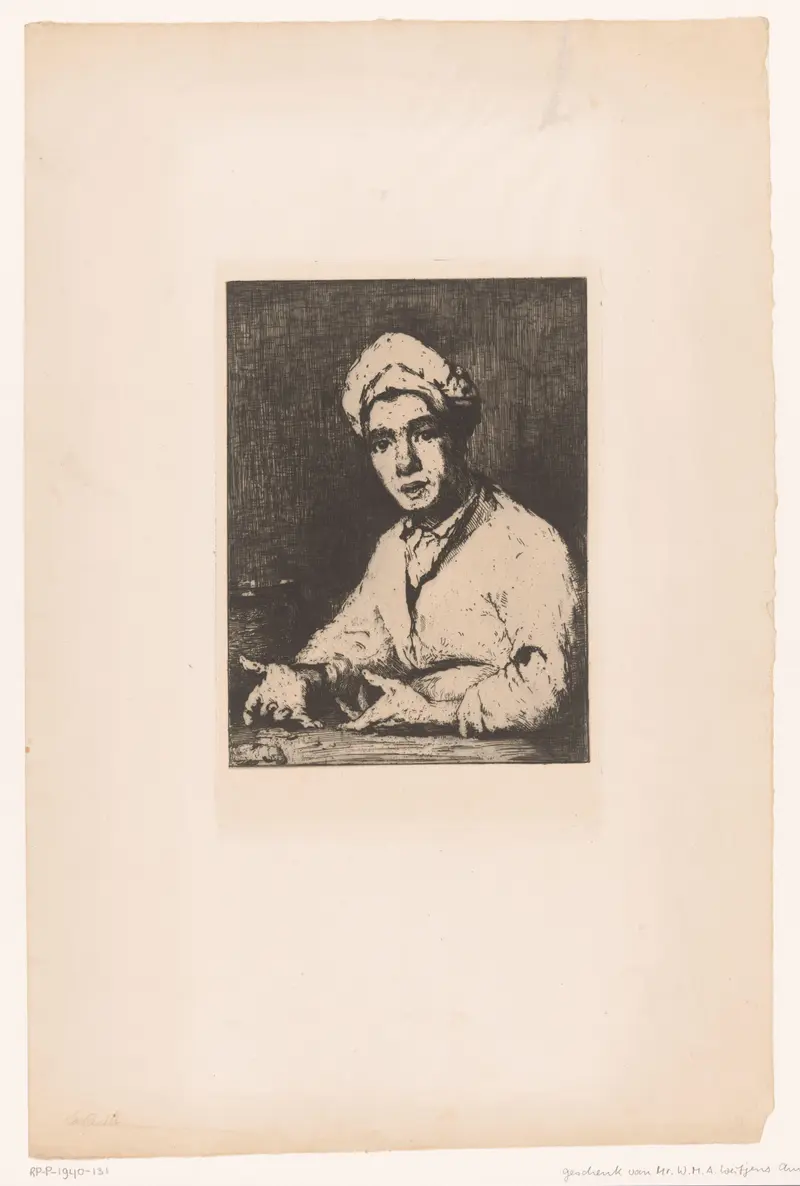
La recette du cuisinier
Augustin Théodule Ribot