
Composition in Brown and Gray — History & Facts
A maze of ochre and slate, Composition in Brown and Gray by Piet Mondrian draws the viewer into a world where the boundaries of form and space seem to hover in perpetual negotiation. The eye is guided not by figures or landscape, but by a network of rectangles and lines, each block of color pressing against its neighbor, as if the entire surface is caught in a quiet, deliberate conversation. The palette is restrained—muted browns, grays, and off-whites—but the energy comes from the way these shapes jostle and settle, some outlined in assertive black, others fading softly into the background.
The composition feels both architectural and organic, as if Mondrian is mapping the skeleton of a city or the hidden order of a forest, inviting the viewer to find their own path through its corridors. Created in 1913, this work belongs to a moment when artists across Europe were questioning the very nature of painting. Mondrian, soon to be a leading figure of the movement later known as De Stijl, was experimenting with abstraction, stripping away the recognizable world to seek a deeper harmony in pure form and color. Works like this, now in the collection of the Museum of Modern Art, New York, mark a turning point: the old certainties of representation giving way to a new visual language.
History has kept few traces of the specific circumstances behind this piece, but its presence is a testament to the restless spirit of its time—when painters dared to imagine that the essence of reality might be found not in what is seen, but in what is constructed. Stand before it, and let your eyes wander; the painting rewards every return.
More Artworks by Piet Mondrian

Composition II in Red, Blue, and Yellow
Piet Mondrian

Composition with Yellow, Blue, Black and Light Blue
Piet Mondrian

Composition with Large Blue Plane, Red, Black, Yellow, and Gray
Piet Mondrian
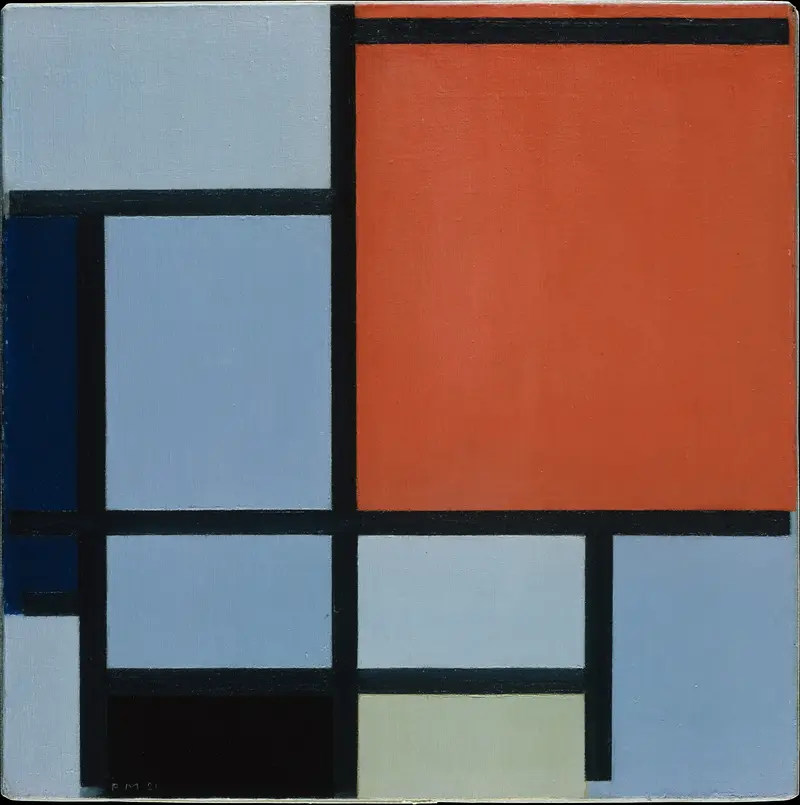
Composition
Piet Mondrian
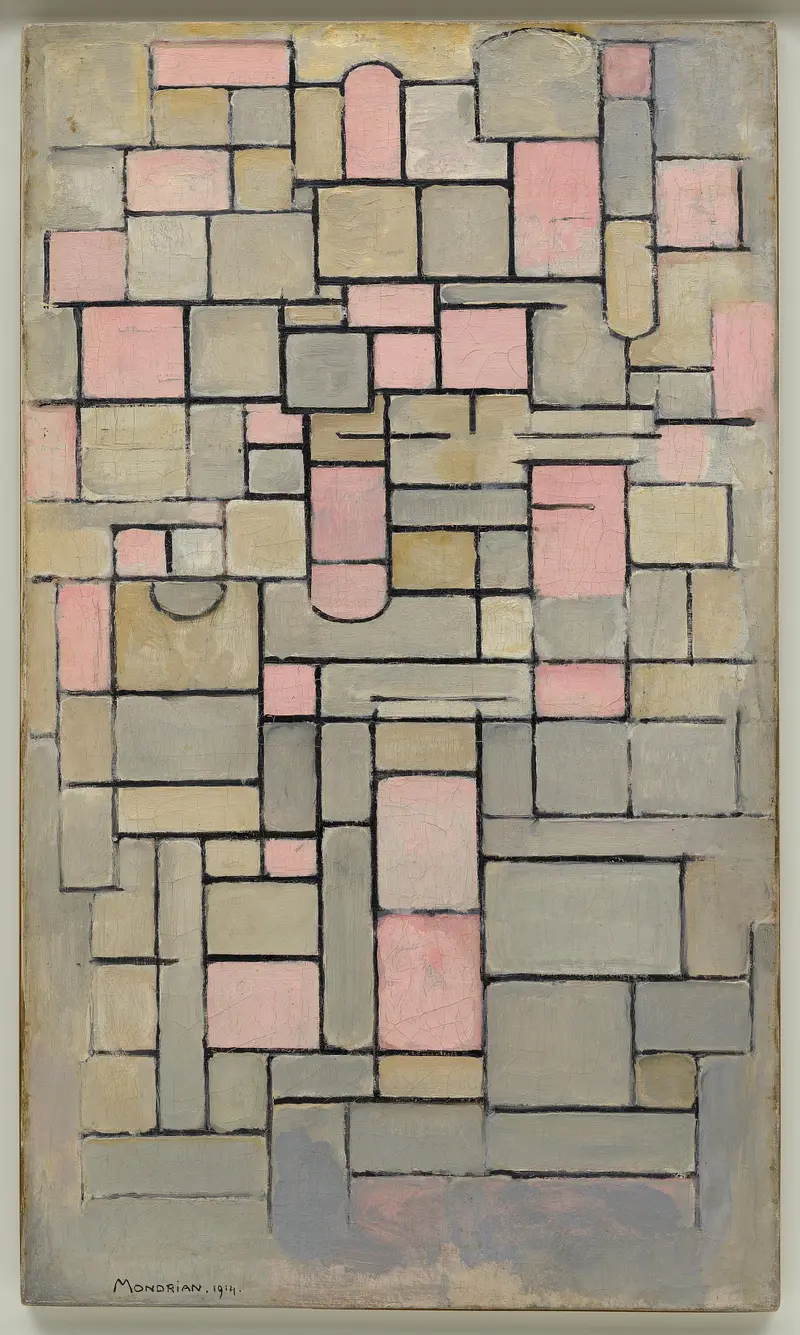
Composition 8
Piet Mondrian
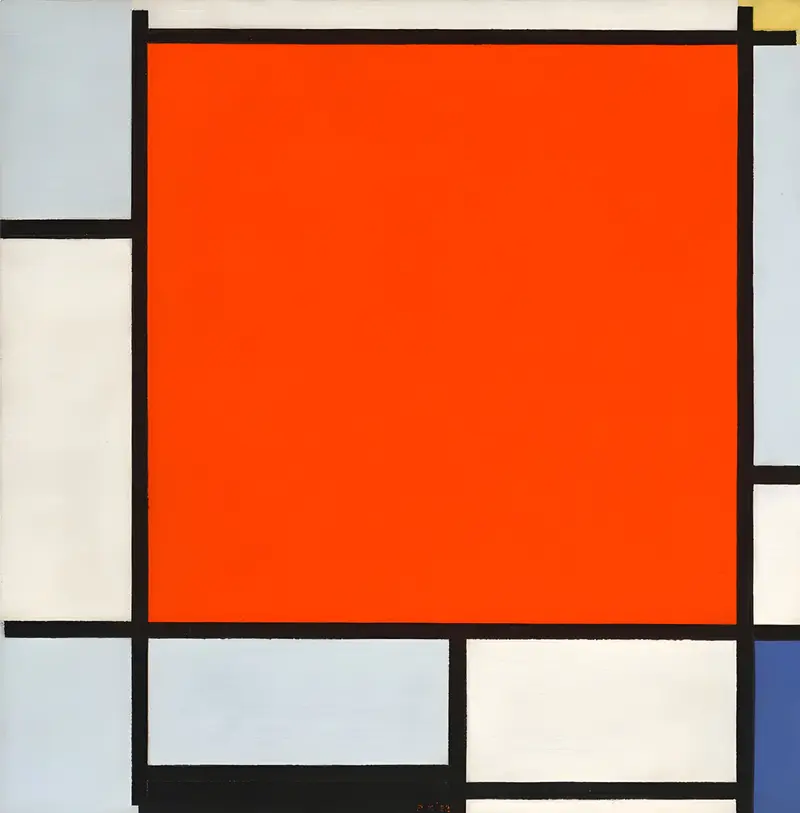
Composition with Large Red Plane, Bluish Gray, Yellow, Black and Blue
Piet Mondrian
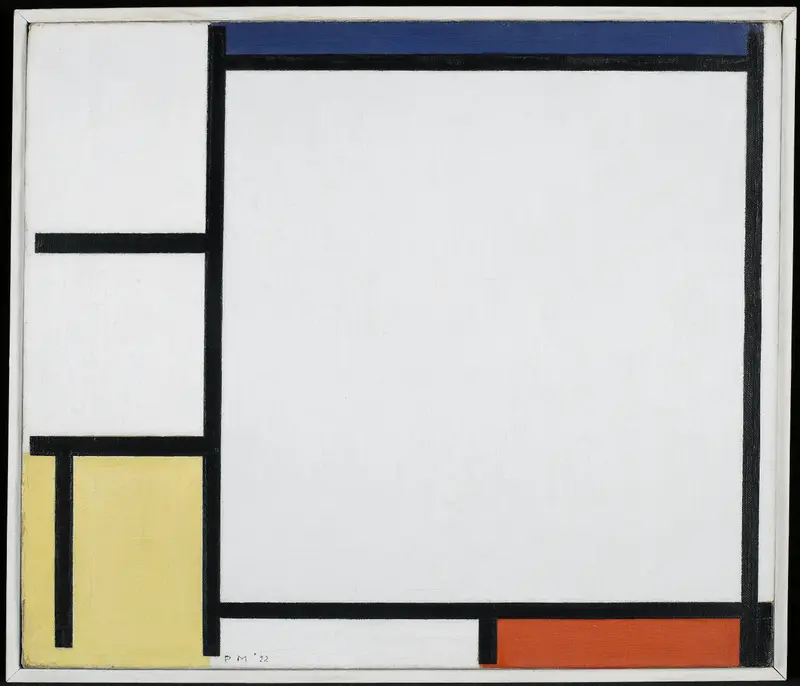
Composition with Blue, Red, Yellow, and Black
Piet Mondrian
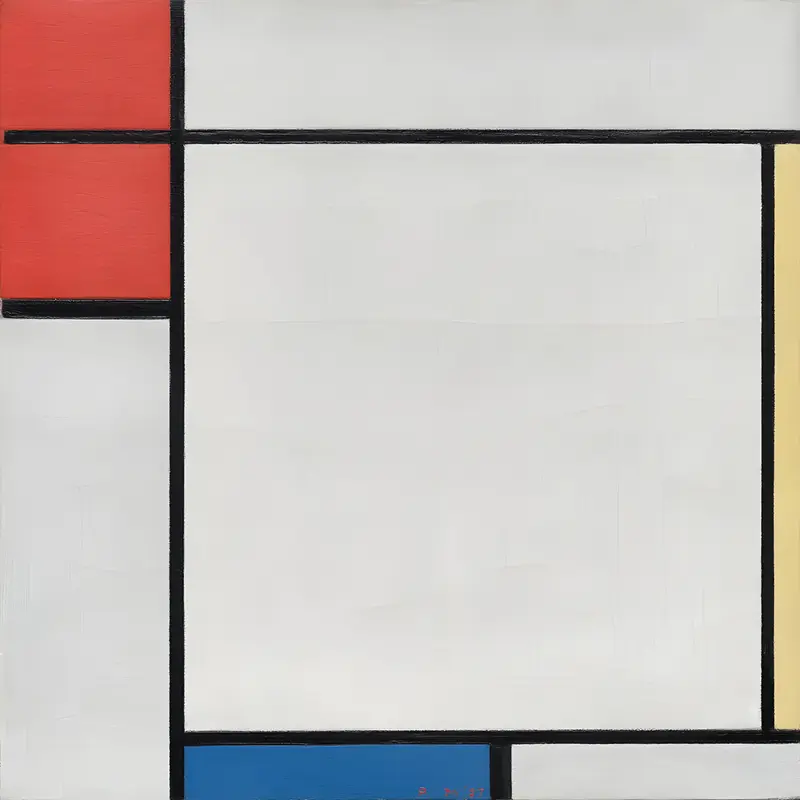
Composition with Red, Yellow, and Blue
Piet Mondrian
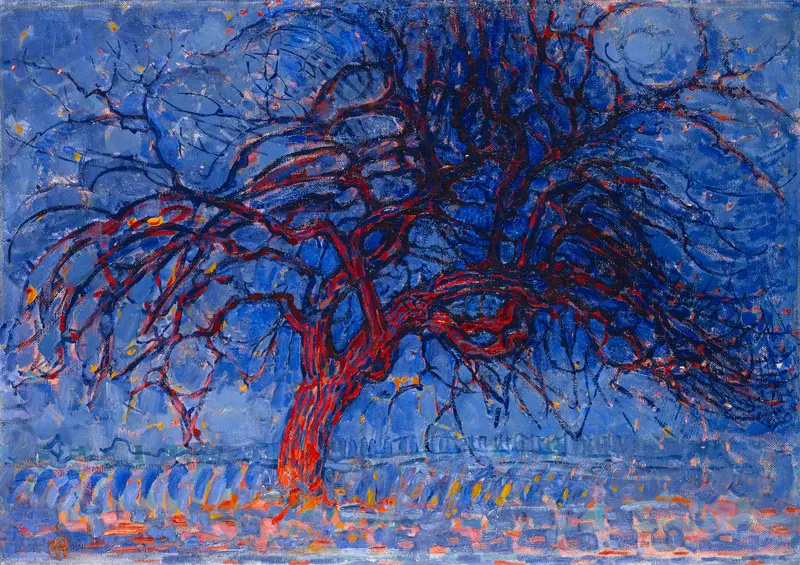
The Red Tree (Evening)
Piet Mondrian
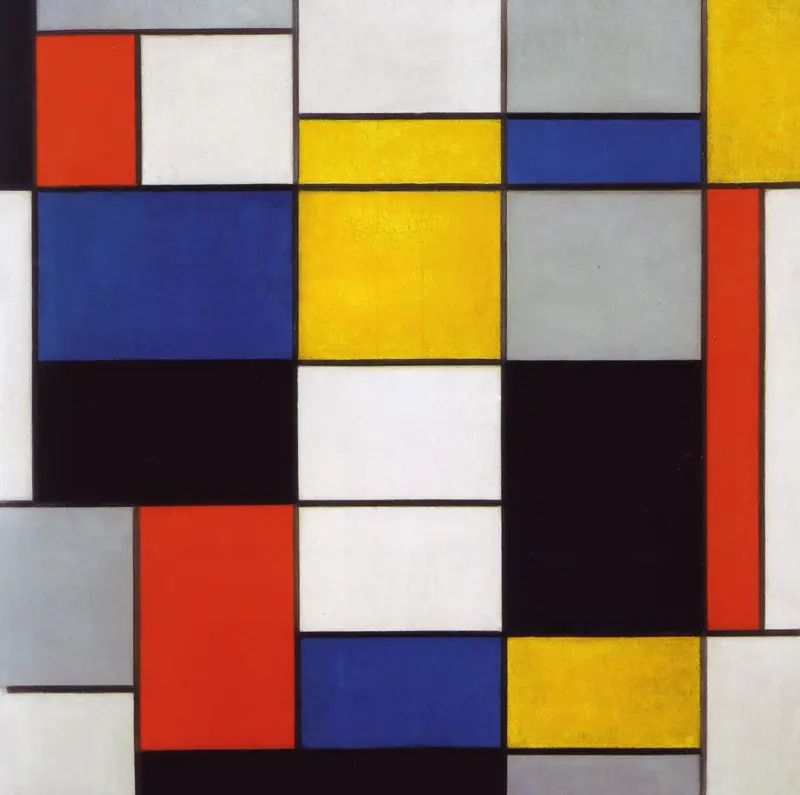
Composition A
Piet Mondrian




