Composition VII — History & Facts
Swirls, patches and lines of color crowd a canvas three meters wide. A dense cluster of dark, tightly packed forms, with black and green lines crossing it, sits near the center, while paler, more transparent washes of yellow, green, pink and white open out toward the right and the corners. Reds, blues and yellows collide throughout, and there is no recognizable object anywhere. The Tretyakov Gallery says Wassily Kandinsky made more than thirty sketches and studies for it, mostly in autumn 1913, and then painted the large canvas in a few days, from November 25 to 28, 1913.
The museum quotes him saying that the forms came to him "by themselves," and that he only shaped and corrected them. Kandinsky insisted the picture had no starting point in any subject, yet the museum says its forms are believed to grow out of earlier works on the Last Judgment, the Angel of the Last Judgment and the Resurrection. Tate calls it the largest work he ever painted. The canvas came to the Tretyakov in 1929 from the State Museum of New Western Art in Moscow.
In 2016 the Tretyakov hung it next to Composition VI. It is in the Tretyakov Gallery in Moscow.
More Artworks by Wassily Kandinsky

Improvisation 35
Wassily Kandinsky
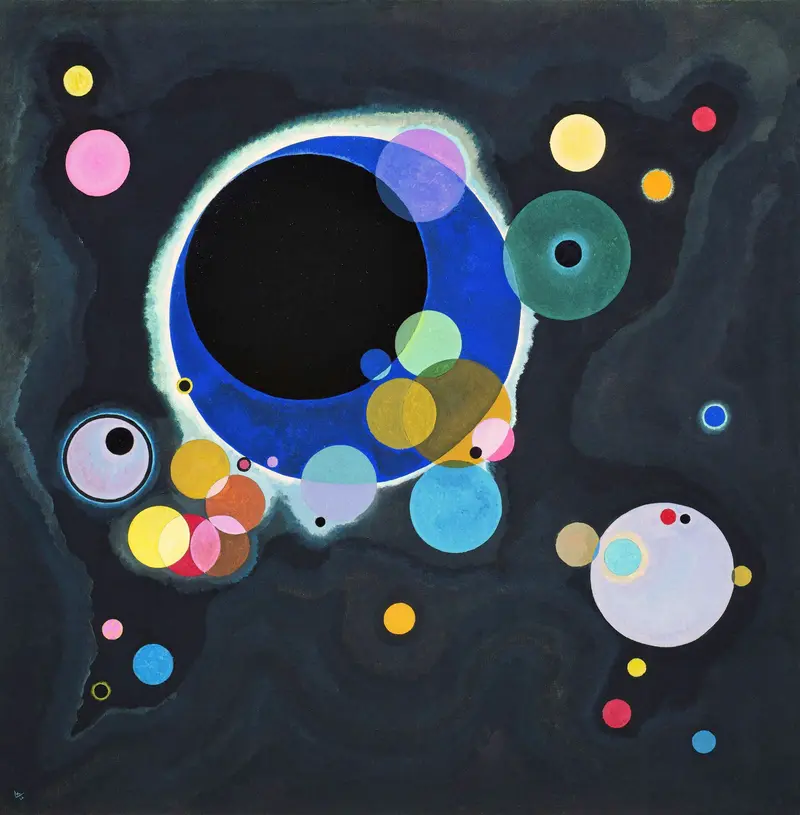
Several Circles
Wassily Kandinsky
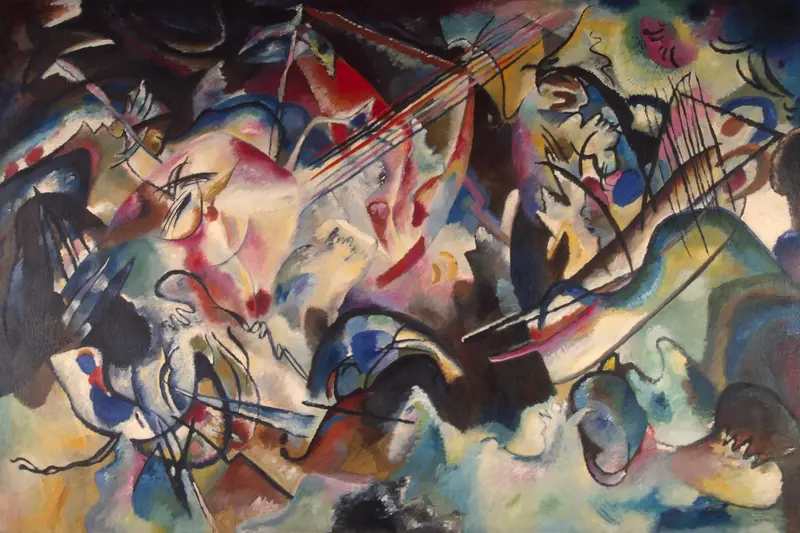
Composition VI
Wassily Kandinsky
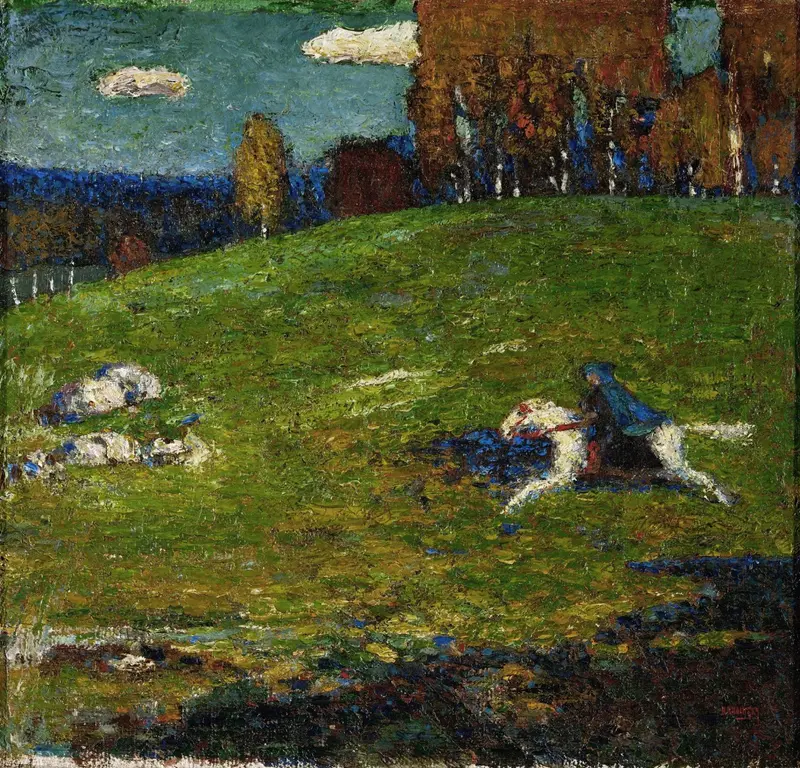
The Blue Rider
Wassily Kandinsky

Murnau
Wassily Kandinsky
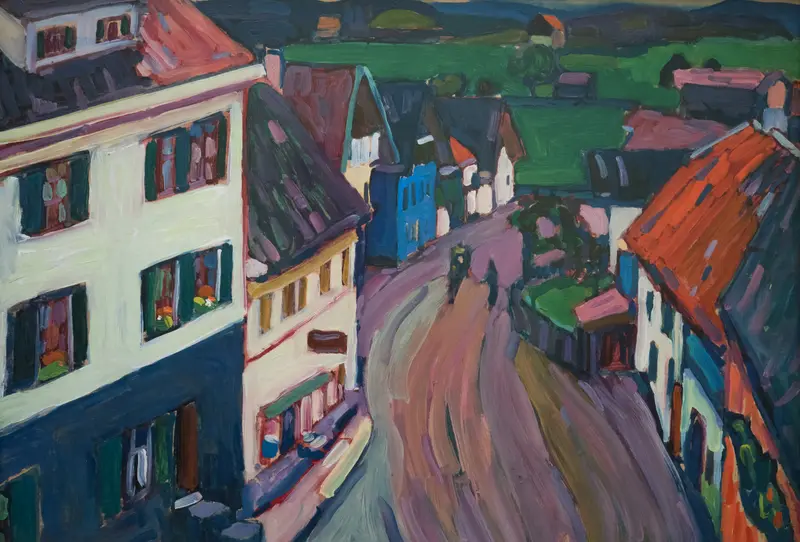
Murnau – View from the window of the Griesbräu
Wassily Kandinsky
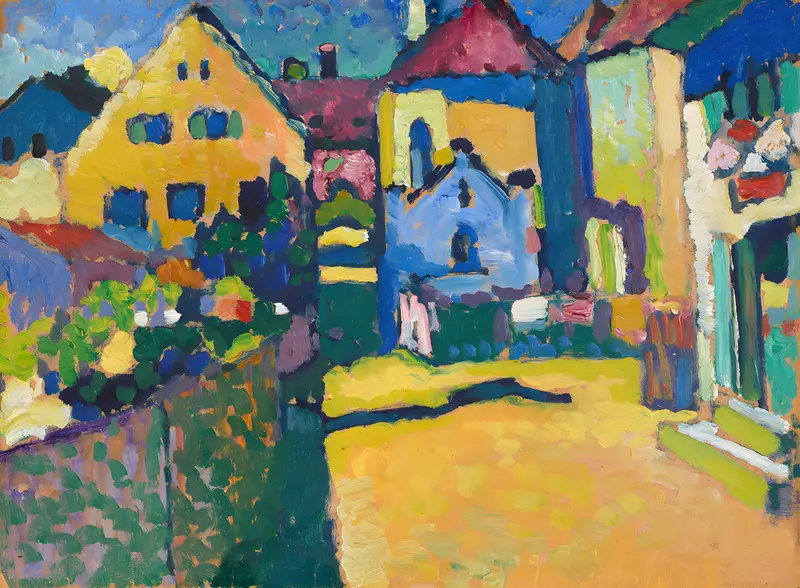
Green Lane in Murnau
Wassily Kandinsky
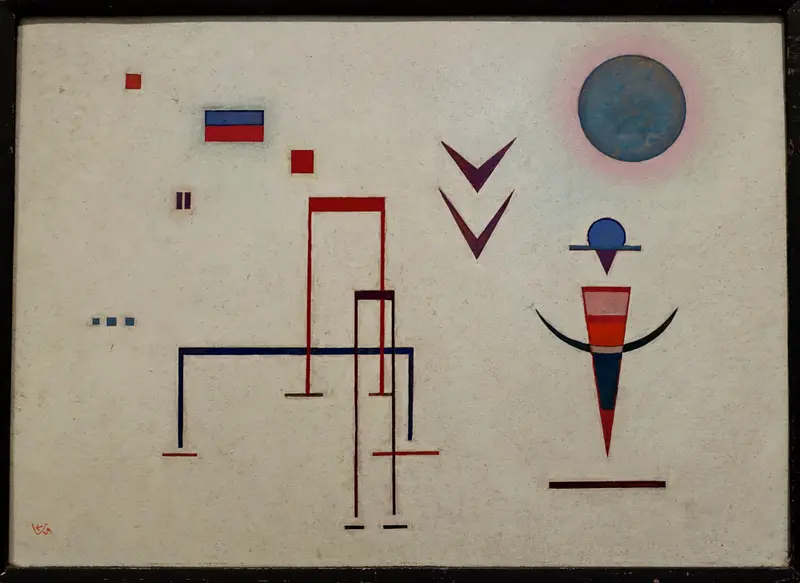
Jocular Sounds
Wassily Kandinsky

Zubovsky Platz
Wassily Kandinsky

Landscape with a yellow field
Wassily Kandinsky