
Corfu from Ascension — History & Facts
What if beauty was never meant to be finished? In the hands of Edward Lear, creation unfolds like a spellbinding journey, inviting us to witness nature's ceaseless dance. Look to the left at the vibrant blue horizon, where the sea kisses the sky, their hues merging in a soft embrace. Notice how the brushstrokes vary in texture—smooth and fluid near the water's edge, more vigorous and expressive in the rocky cliffs. Each stroke reveals the artist's hand at work, suggesting a world alive with possibility and change.
The delicate interplay of light upon the land, accentuated by flecks of white as waves wash ashore, draws your eyes toward the heart of this coastal scene. Lear captures contrasts not only in color but in essence: the rugged cliffs rise defiantly against the serene backdrop of endless sea and sky. The juxtaposition of solidity and fluidity evokes tension, a reminder of nature's duality. There’s a subtle sense of longing woven into the fabric of the landscape, a whisper that beauty remains ever elusive and ungraspable, emphasizing the transient moments in life. Painted during a time of personal exploration and creative evolution, this work emerged while Lear was deeply engaged in landscape painting, a departure from his earlier focus on literary pursuits.
The late 19th century was a period of great change, with artists seeking to break away from conventional forms. Lear's travels through Greece and the Mediterranean allowed him to capture the sublime in nature, revealing both his artistic prowess and the evolving narrative of the Romantic movement.
More Artworks by Edward Lear
Browse all →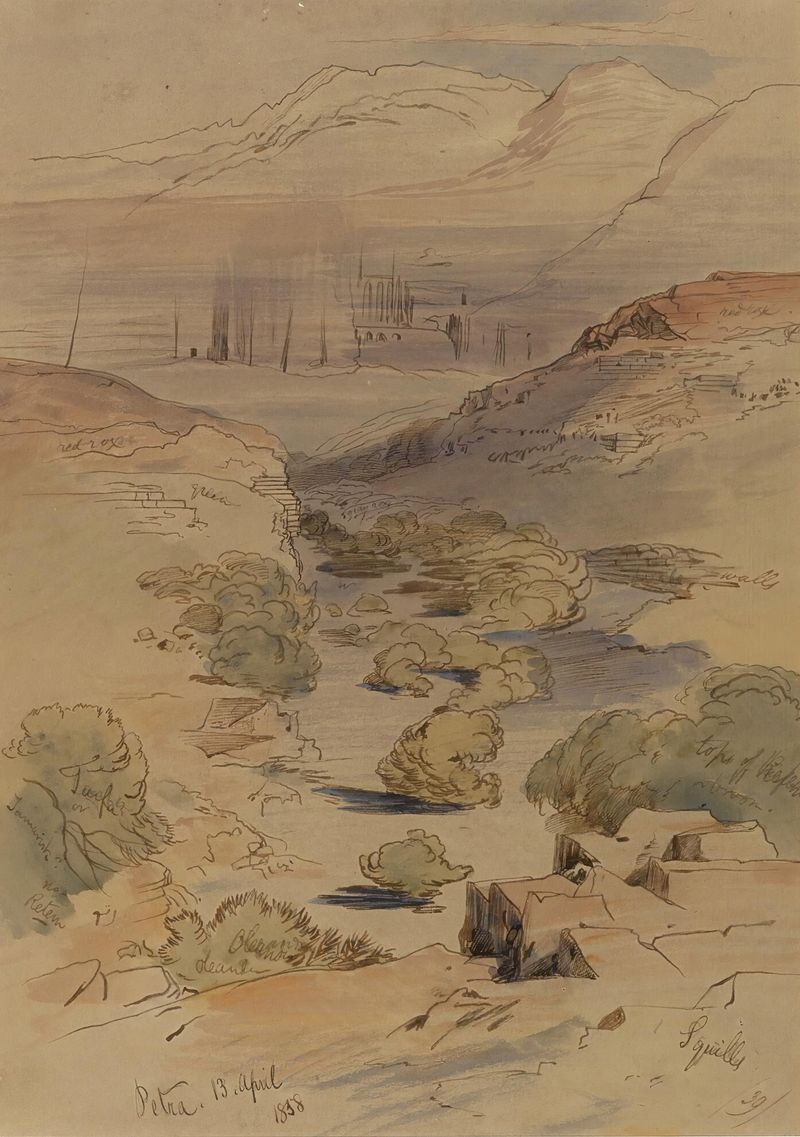
Petra
Edward Lear
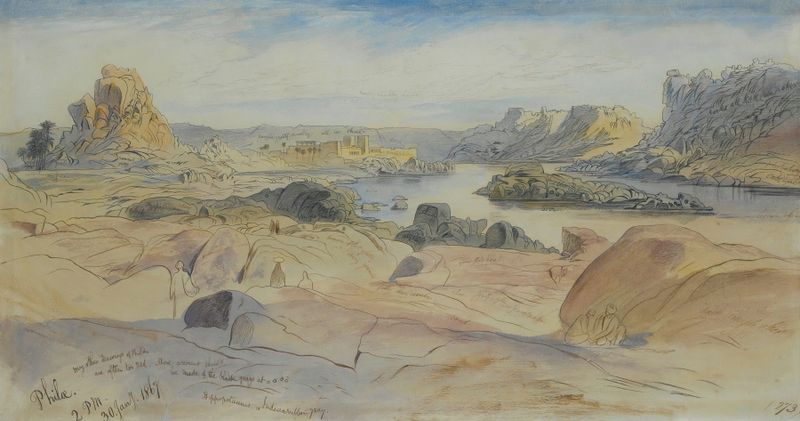
Philae, Egypt
Edward Lear
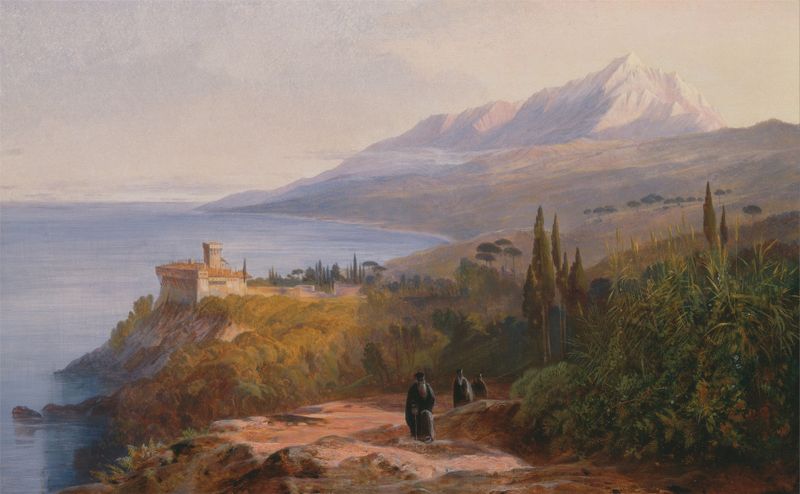
Mount Athos and the Monastery of Stavronikétes
Edward Lear
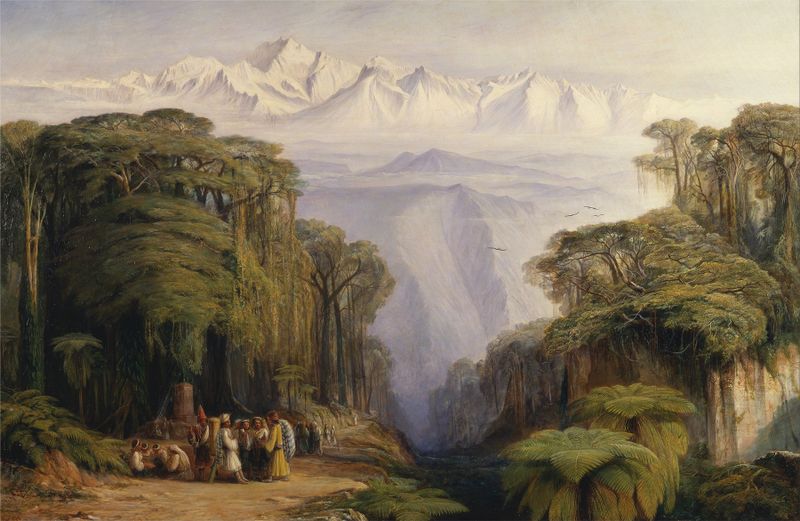
Kangchenjunga from Darjeeling
Edward Lear
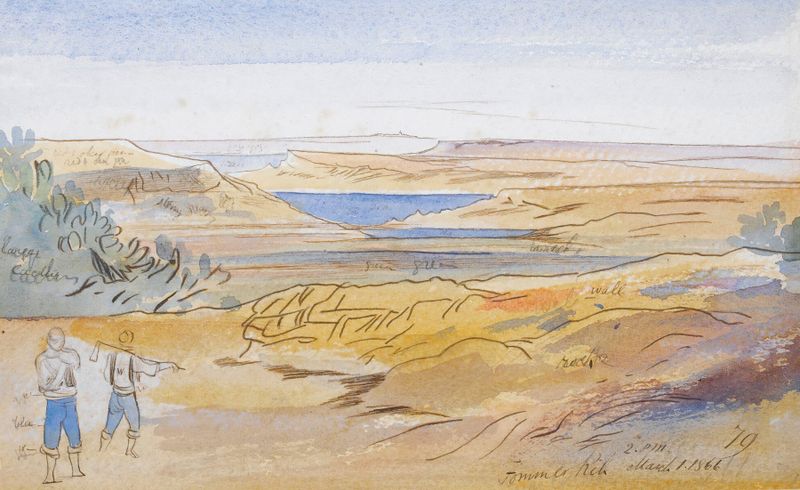
Fomm Ir-Rih, Malta
Edward Lear
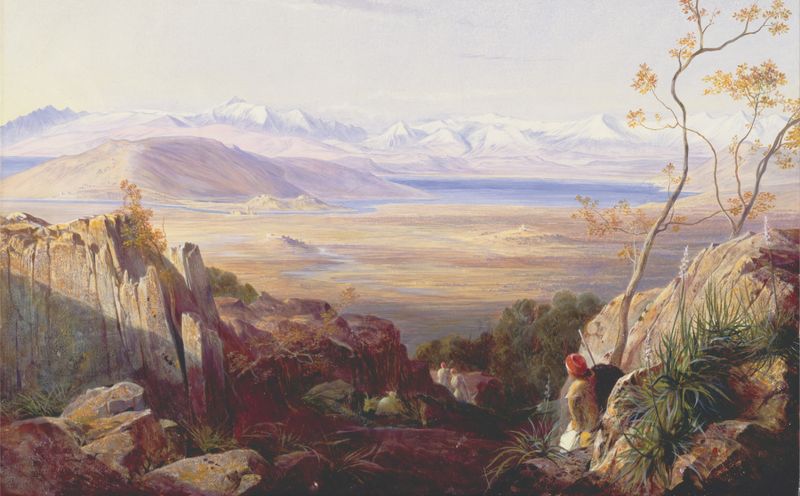
Butrinto, Albania
Edward Lear
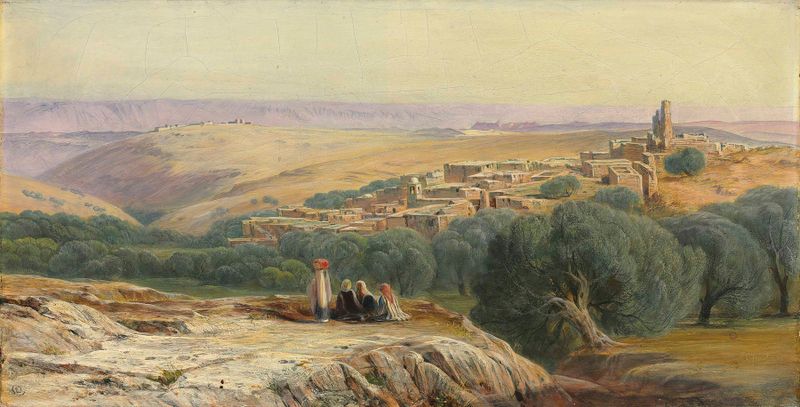
The Plains of Bethany
Edward Lear

Karnak, 9-30 pm, 22 January 1867
Edward Lear
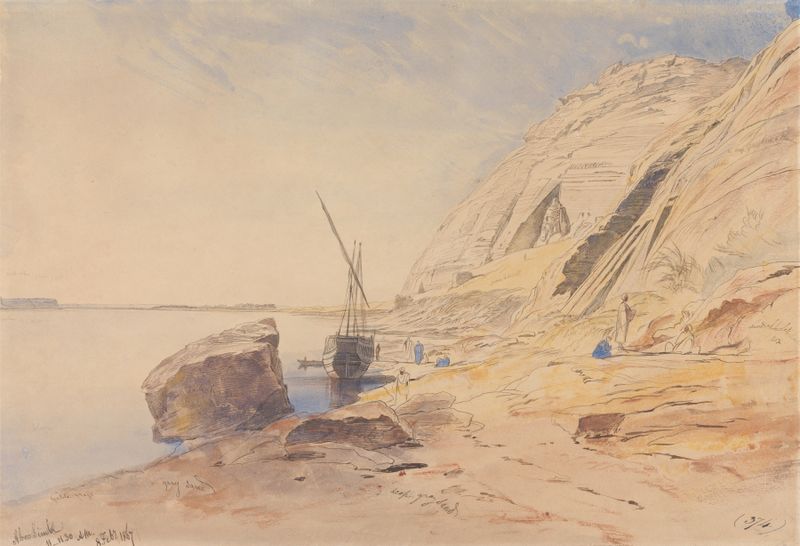
Abu Simbel, 11-11;30 am, 8 February 1867 (374)
Edward Lear

A View Of Mount Athos And The Pantokrator Monastery, Greece
Edward Lear





