
Cornfield — History & Facts
Can paint confess what words never could? In Cornfield, the canvas whispers the unspoken truths of a vast, golden expanse, inviting viewers into a world where silence reigns and the heart speaks through color and light. Look to the lower right, where the sun-kissed stalks of wheat sway gently, their hues a dance of warm ochres and soft browns. The artist employs broad, confident strokes that suggest movement, pulling your gaze upward toward the distant horizon. There, a sliver of azure sky meets a golden field, encapsulating the fleeting moment of day transitioning into evening.
The composition, with its rhythmic lines and harmonious palette, creates a sense of serenity, capturing a tranquil yet vibrant moment in nature. Delve deeper, and you’ll find a dialogue between the earth and the sky, showing the balance of nature’s elements. The play of light highlights the inherent tension between the warmth of the sun-soaked crops and the coolness of the shadowy patches, evoking feelings of both comfort and solitude. Each blade of grass and tuft of wheat becomes a symbol of resilience, an echo of the human spirit in the face of life’s ever-changing winds. Painted in 1879 during a time of great change in the art world, Bacher was influenced by the impressionist movement that celebrated the ordinary.
Living in Paris yet returning to his native America for inspiration, the artist sought to immortalize the beauty found in simplicity. This painting stands as a testament to his belief in the power of nature, capturing a moment where the world feels both boundless and intimate.
More Artworks by Otto Henry Bacher
Browse all →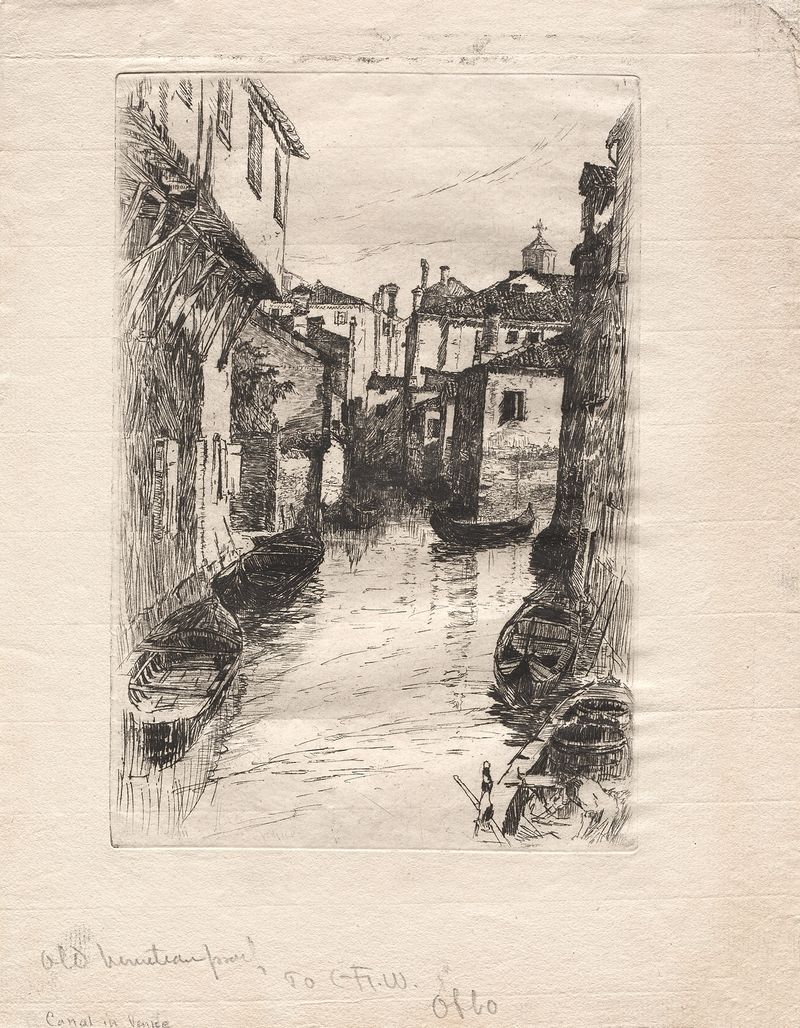
Canal in Venice
Otto Henry Bacher
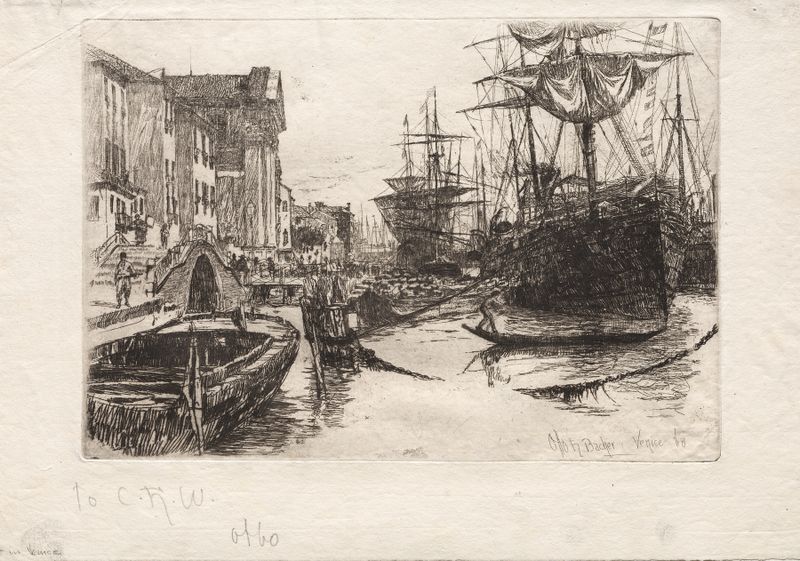
View in Venice
Otto Henry Bacher
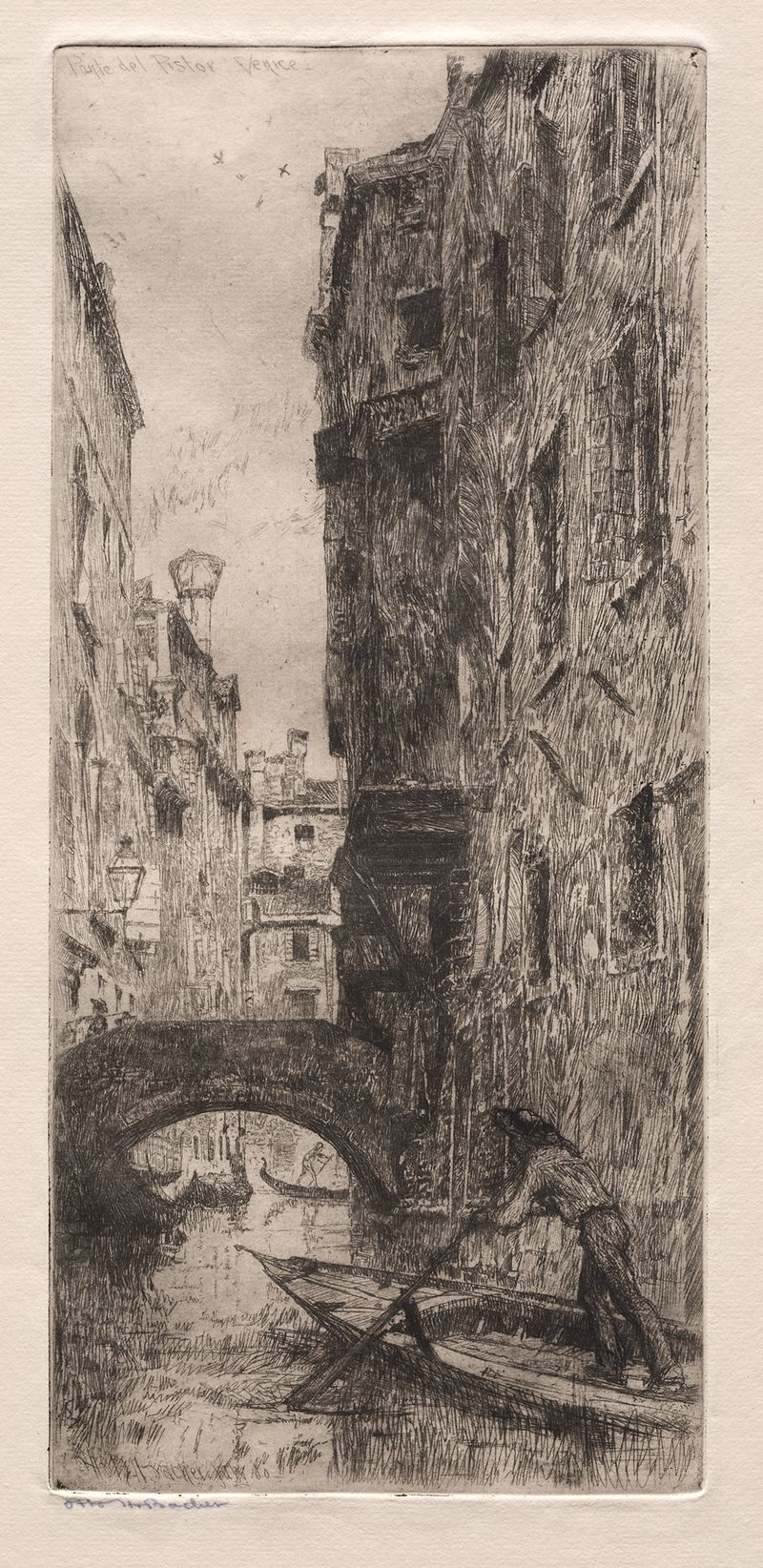
Ponte del Pistor, Venice
Otto Henry Bacher
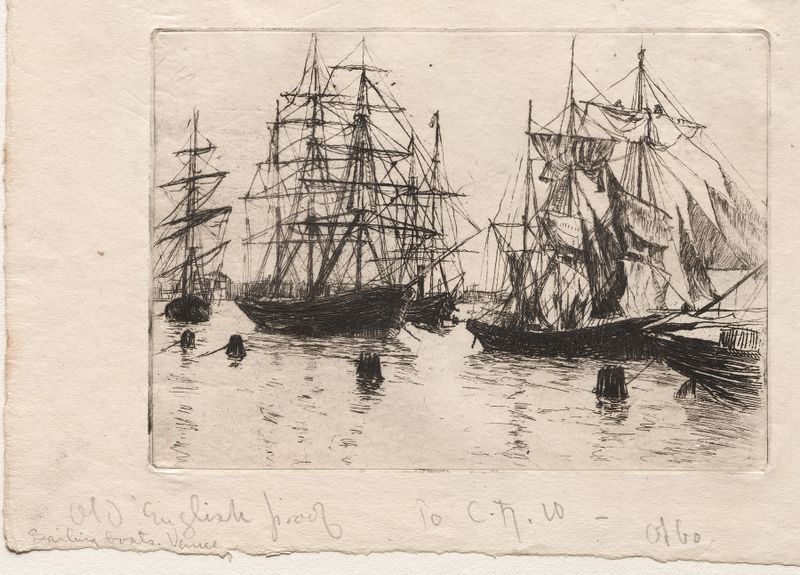
Sailing Boats, Venice
Otto Henry Bacher
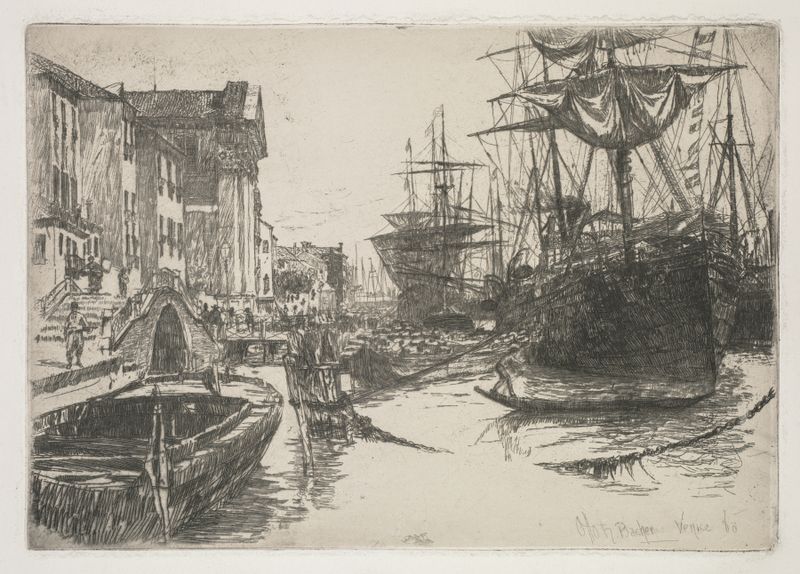
Fondamenta della Zattere
Otto Henry Bacher
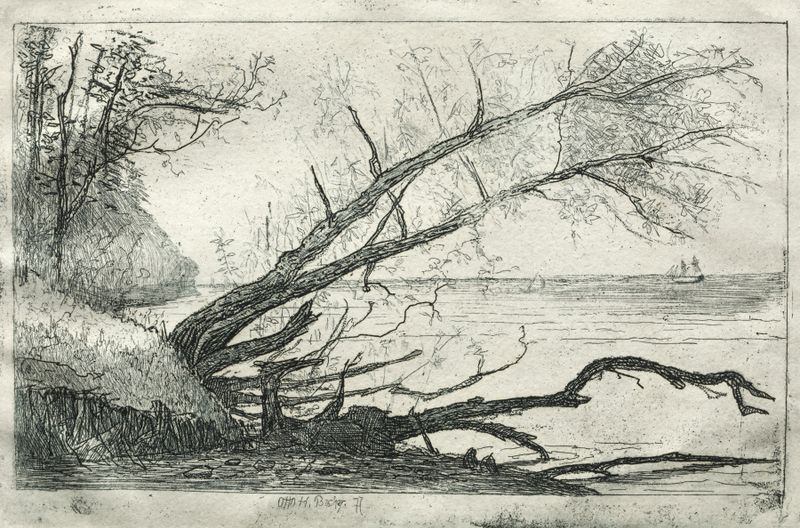
Old Sycamore
Otto Henry Bacher
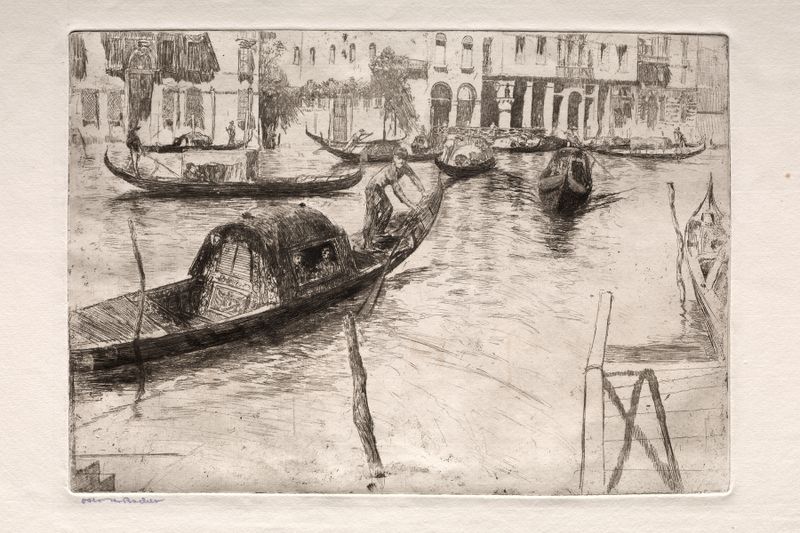
Traghetto San Felice
Otto Henry Bacher
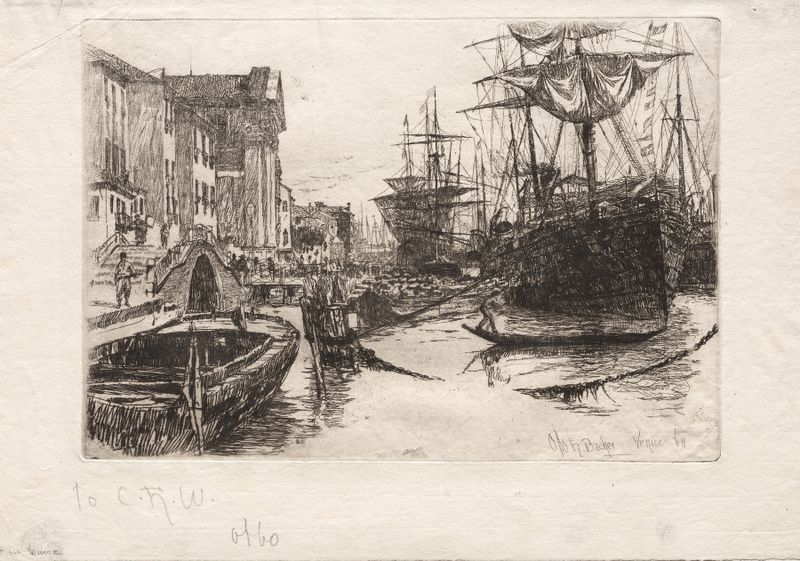
View in Venice
Otto Henry Bacher
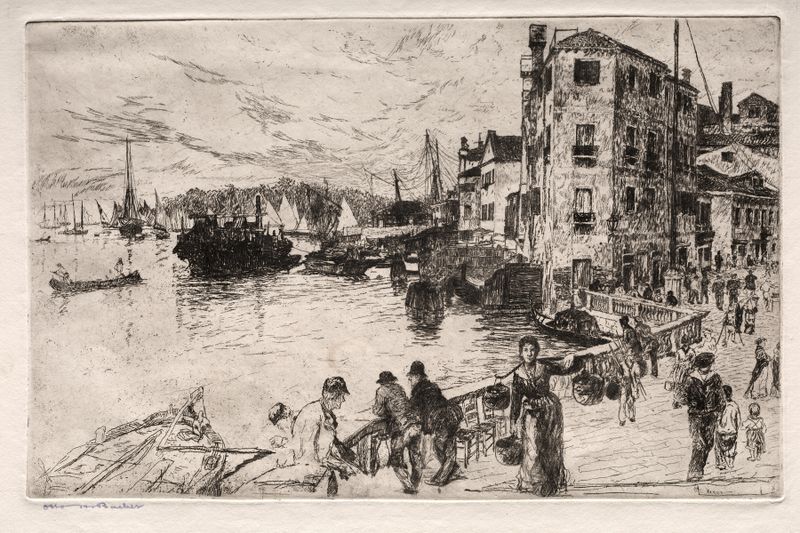
Castello Quarters, Riva
Otto Henry Bacher
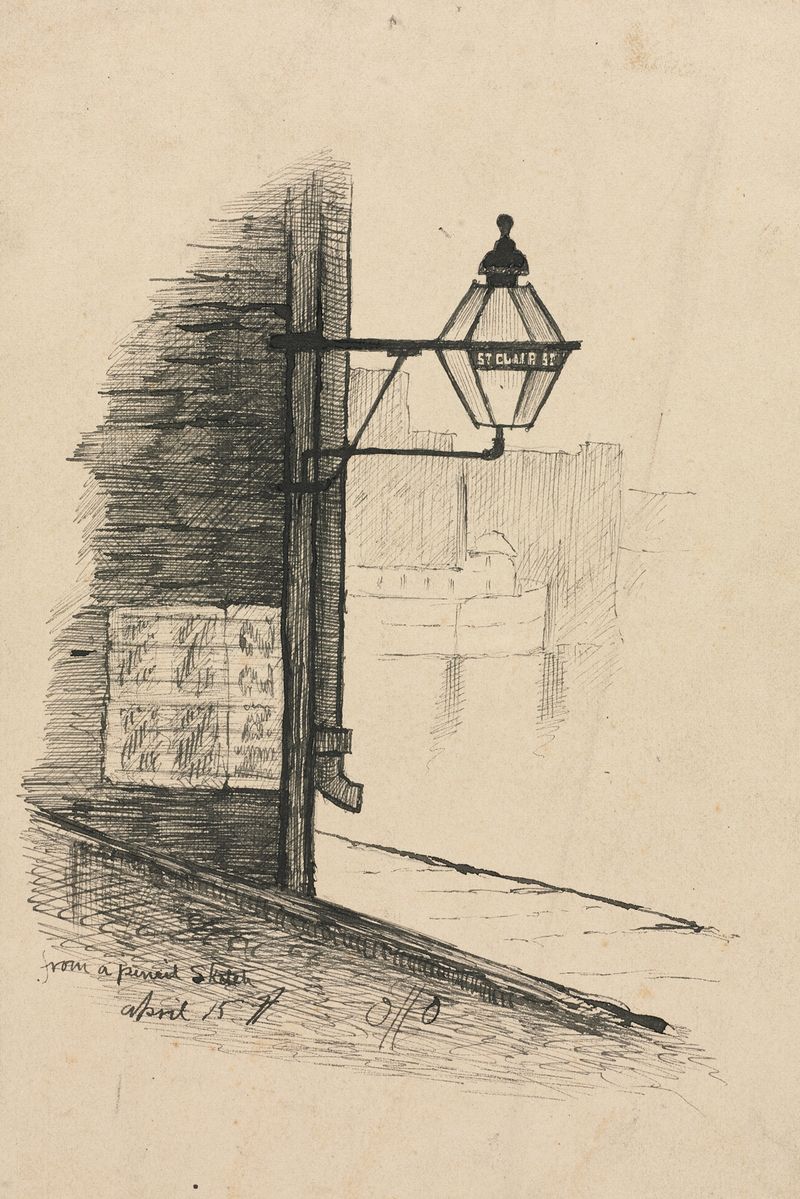
St. Clair Street, Cleveland
Otto Henry Bacher





