
Corpus Christi procession in Hofgastein — History & Facts
What first seizes the eye in Corpus Christi procession in Hofgastein is the collision of worlds: a ceremonial river of red-robed clergy and villagers surges through the heart of the canvas, while a crowd of onlookers—some curious, some indifferent—clusters at the margins. The painting is alive with movement and detail, from the fluttering banners to the sunlit brocade canopy sheltering the monstrance. Menzel’s brushwork is brisk, almost impatient, as if he means to catch the fleeting energy of the moment before it dissolves.
Light pours in from the left, illuminating the priests and casting the townsfolk into a patchwork of shadow and sun, while the onlookers in fashionable suits and bonnets seem almost out of place, their postures languid, their gazes detached. The tension between reverence and spectacle is palpable: this is not a scene of quiet devotion, but a public theatre where faith and curiosity jostle for space. Painted in 1880, this work sits at the crossroads of a changing Europe, when rural traditions met the rising tide of urban tourism and religious identity was a matter of both ritual and rivalry. The documented source notes the friction between the Catholic, local farming community and the “ignorant” Protestant or urban spa visitors—an encounter Menzel stages with unsparing clarity.
Such processions, especially during Corpus Christi, were both acts of worship and displays of communal identity, often commissioned or supported by local parishes to assert their presence in a rapidly modernizing world. While history has left few traces of this particular painting’s journey, its presence in The Yorck Project’s collection of masterworks is a reminder of how art can freeze a moment of social negotiation, inviting us to look again and ask where we might stand in the crowd.
More Artworks by Adolph von Menzel
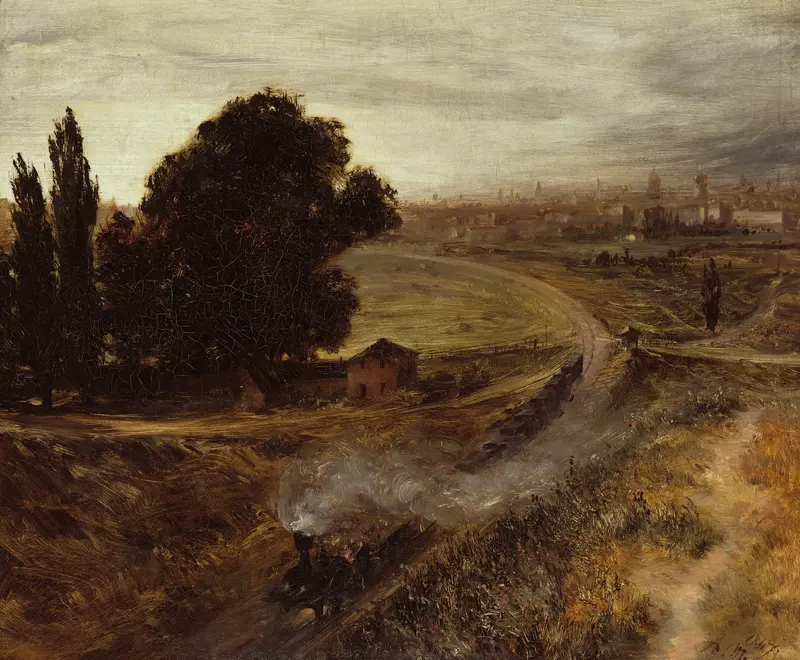
The Berlin-Potsdam Railway
Adolph von Menzel
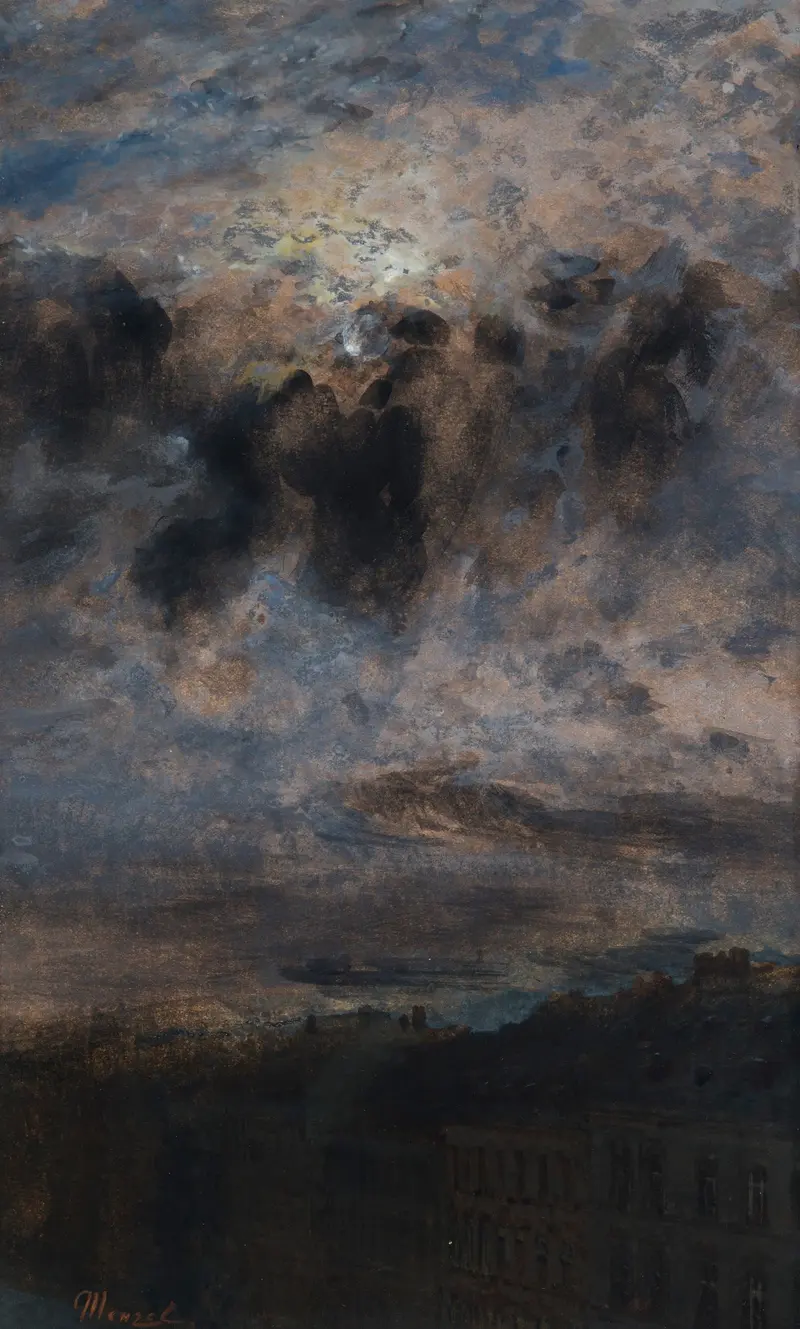
Mondschein über den Dächern von Berlin
Adolph von Menzel
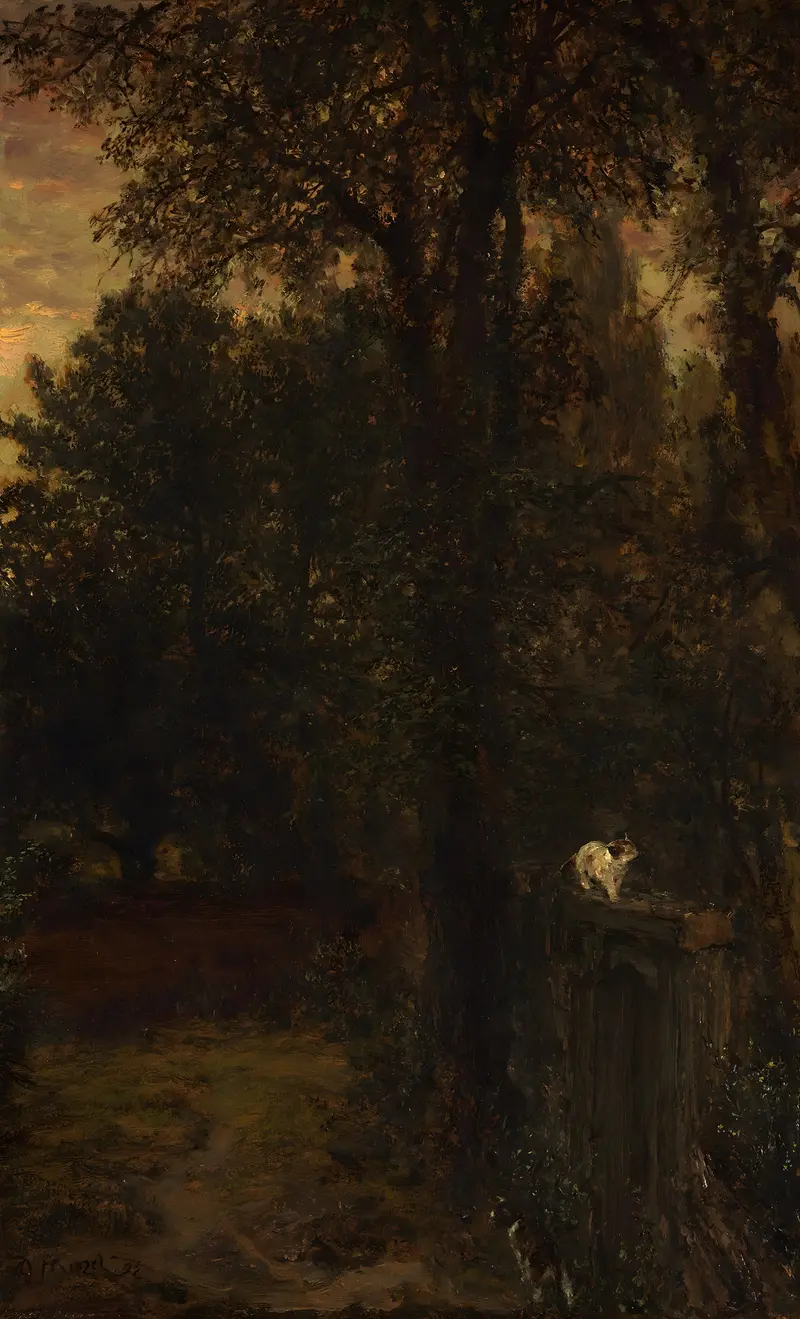
Landscape
Adolph von Menzel
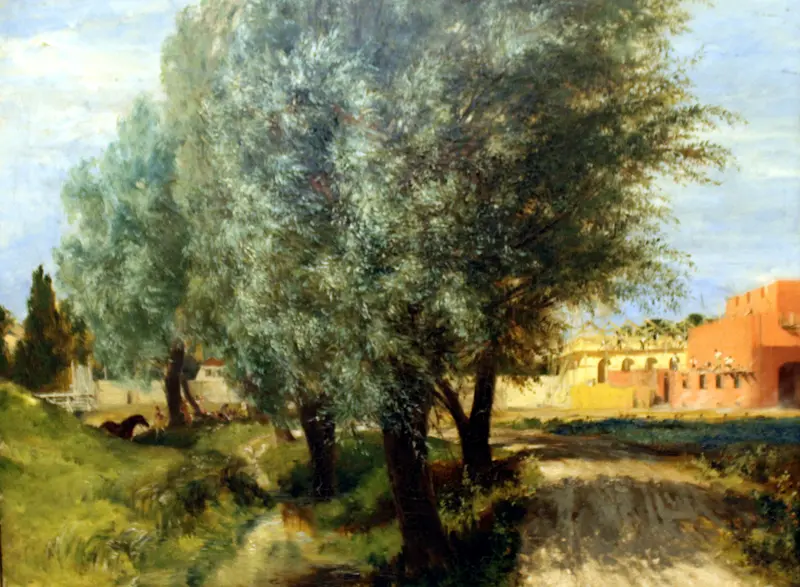
Building Site with Willows
Adolph von Menzel
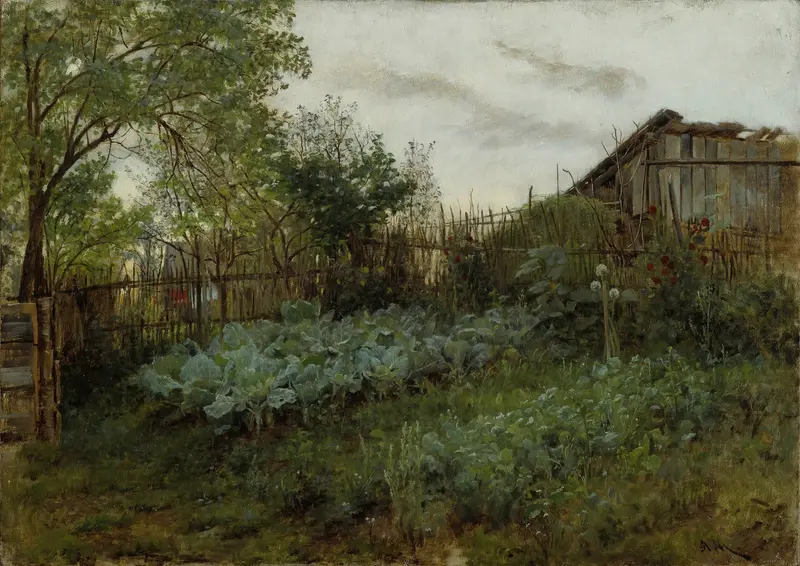
The Back Garden
Adolph von Menzel
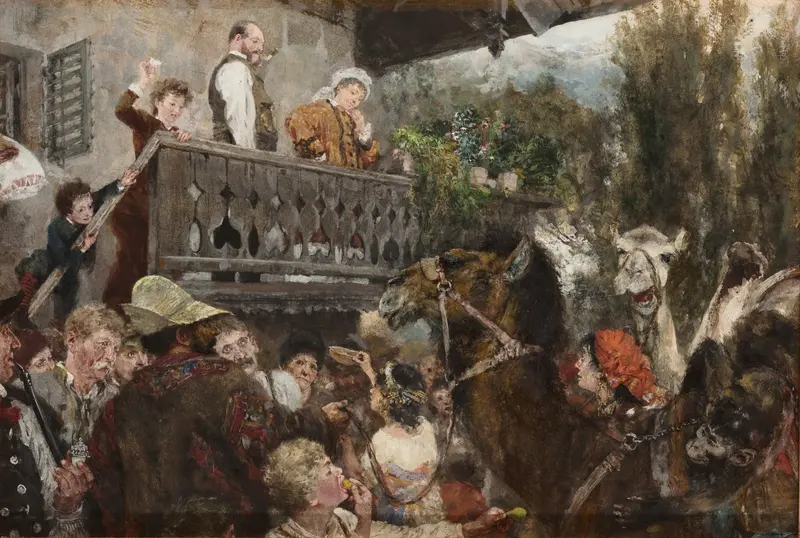
The wandering circus (Camel drivers in Partenkirchen)
Adolph von Menzel
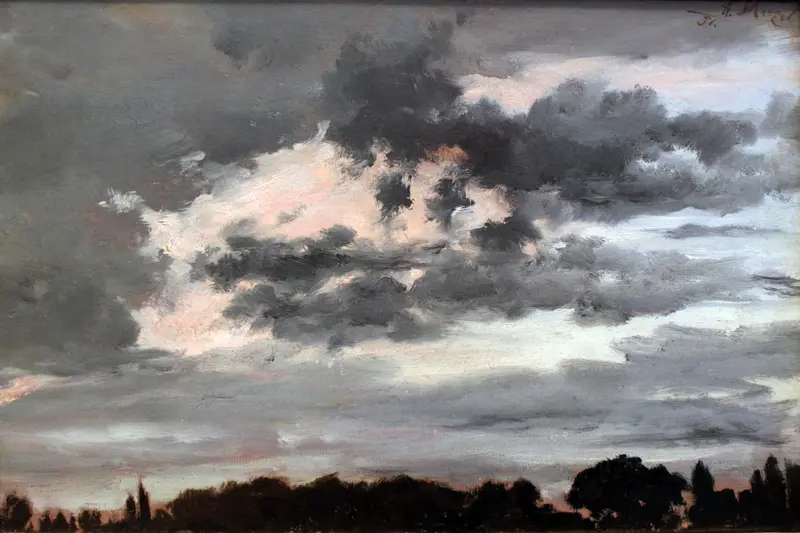
Cloud Study
Adolph von Menzel
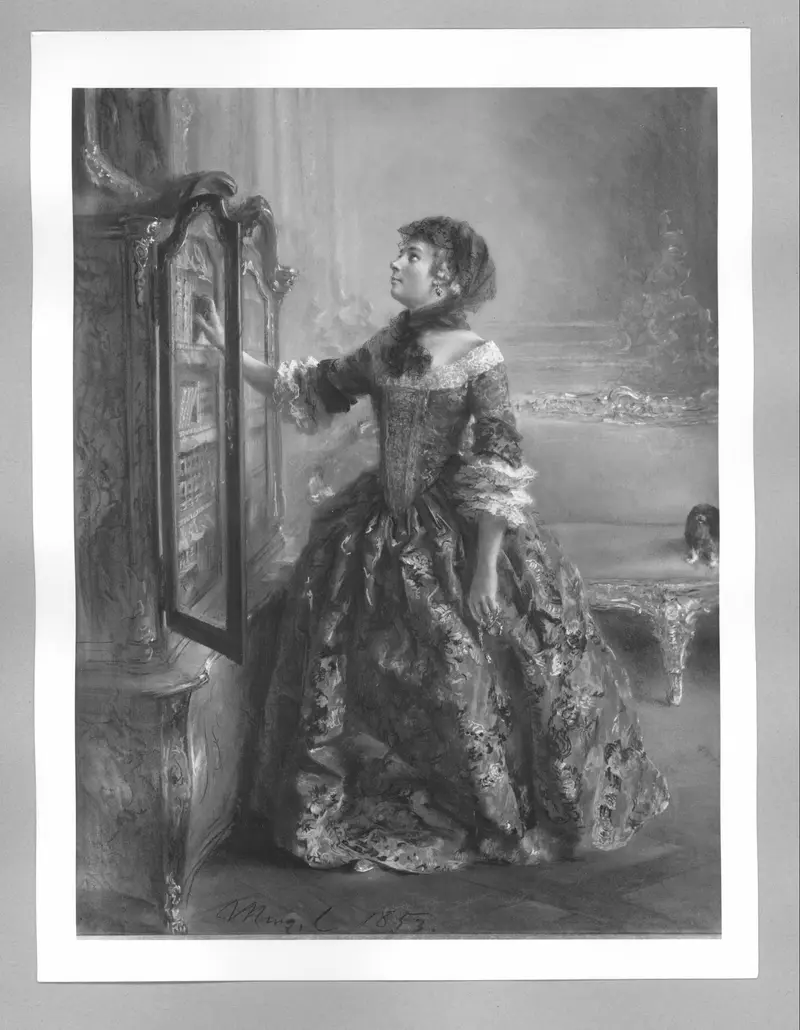
Adolf Friedrich Erdmann Menzel Dame in Rokoko Kostüm vor einem Bücherschrank (Prinzessin Amalie von Hohenzollern) 2320 Führermuseum
Adolph von Menzel
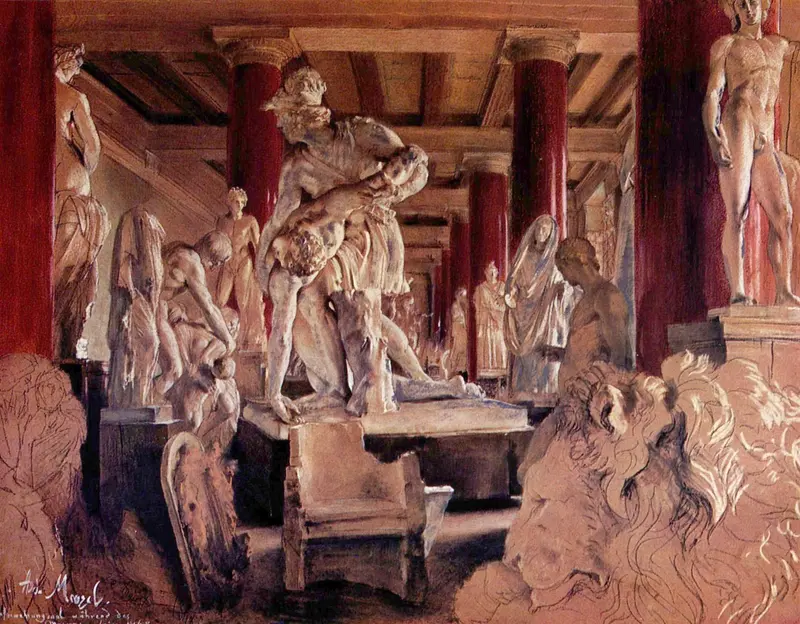
Aufbewahrungssaal während des Museumsumbaus Adolf Friedrich Erdmann von Menzel (Alte Nationalgalerie, Berlin)
Adolph von Menzel
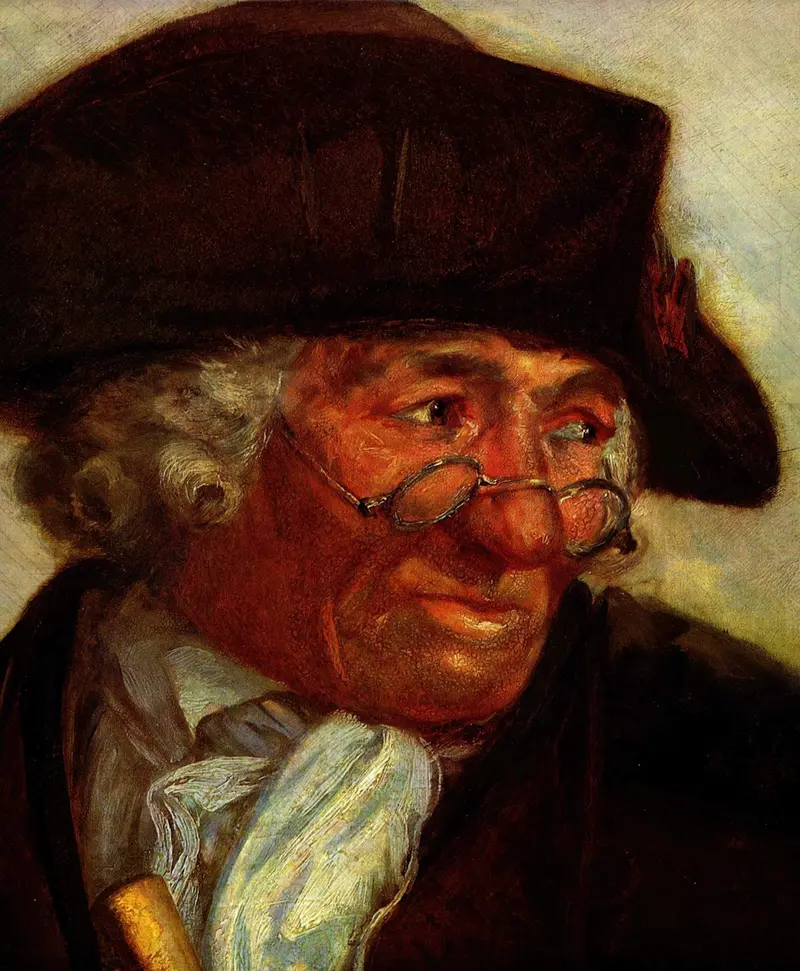
Chodowiecki on the Jannowitz Bridge
Adolph von Menzel
More Genre Scene Art

Banquet of the Officers of the St George Civic Guard
Frans Hals

Rembrandt and Saskia in the Scene of the Prodigal Son
Rembrandt van Rijn

Bal du moulin de la Galette
Pierre-Auguste Renoir

Quadrille at the Moulin Rouge
Henri de Toulouse-Lautrec

A Burial at Ornans
Gustave Courbet

When Will You Marry?
Paul Gauguin