
Cottage in Nesvizh — History & Facts
Who listens when art speaks of silence? Julian Falat's Cottage in Nesvizh invites us into a world where tranquility veils an undercurrent of madness lurking just beneath the surface. Look to the left at the sturdy wooden door, its rustic texture contrasting sharply with the soft, ethereal light that bathes the cottage. Notice how vibrant greens and earthy browns meld effortlessly, drawing your gaze toward the thatched roof, where scattered patches of sunlight seem to dance, whispering secrets of forgotten stories. The composition balances simplicity with complexity, evoking a sense of solitude that feels almost palpable in the brushstrokes. Delve deeper into the work, and you'll uncover an emotional tension between the idyllic setting and the eerie stillness—an unsettling quietude that suggests both refuge and confinement.
The slight tilt of the cottage, barely perceptible, hints at instability, a metaphorical nod to the fragility of sanity within serene surroundings. The shadow cast by the trees looms large, embodying the omnipresent specter of despair that can haunt even the most picturesque of landscapes. Falat created this piece in 1901 while living in Poland, amidst a rapidly changing art world that began to embrace realism and impressionism. The artist’s marriage to his second wife deeply influenced his work during this period, offering a poignant backdrop of personal transformation amidst the broader societal shifts.
Cottage in Nesvizh captures this moment, where the quietude of rural life intersects with the complexities of the human experience.
More Artworks by Julian Falat
Browse all →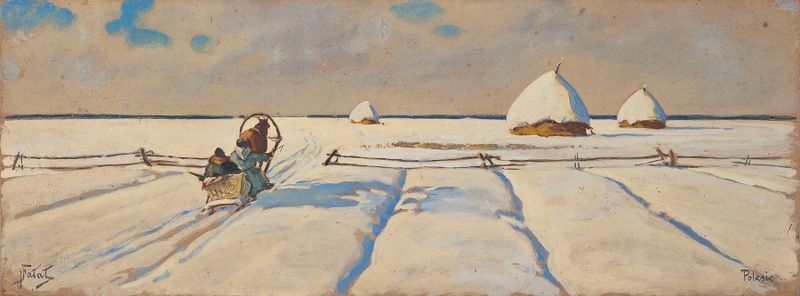
Sleigh in a snowy field – Polesia
Julian Falat
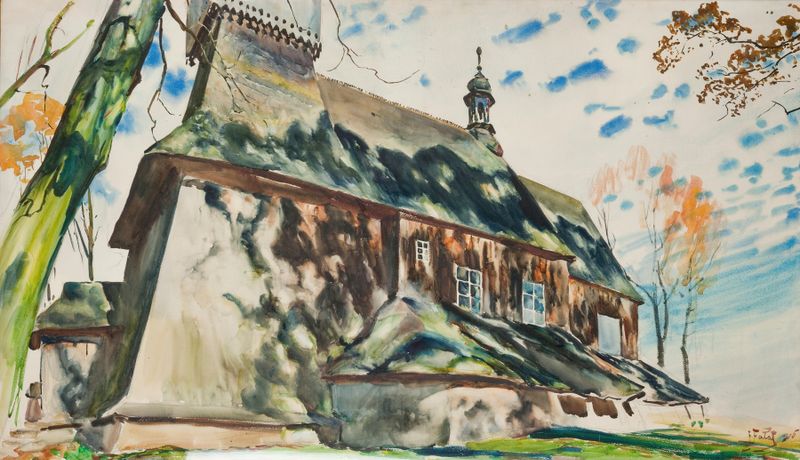
Church in Osiek
Julian Falat
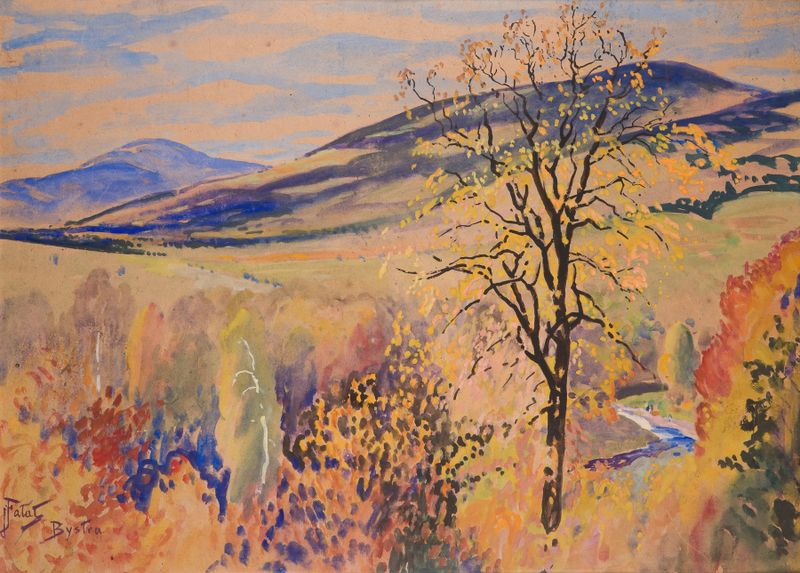
Pejzaż jesienny z Bystrej
Julian Falat
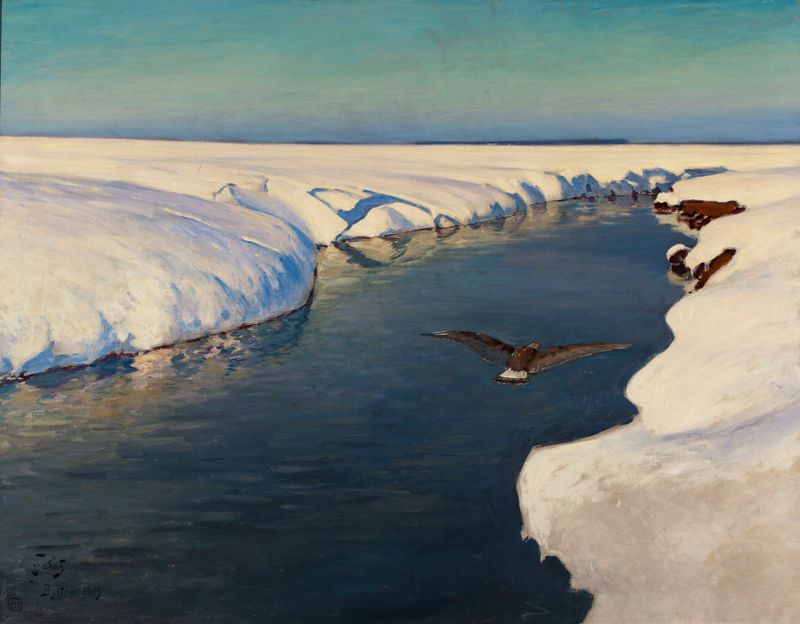
Winter landscape with a river and a bird
Julian Falat
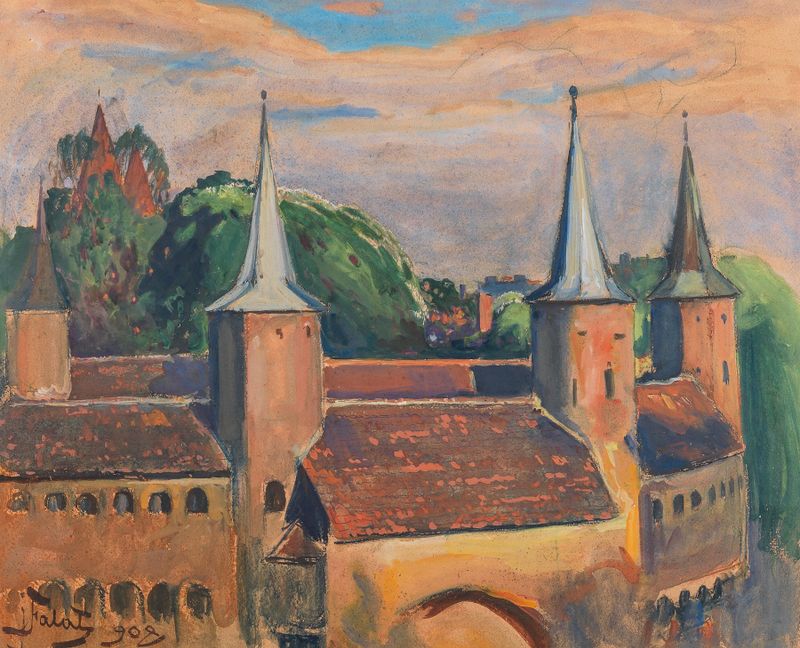
The Kraków Barbican
Julian Falat
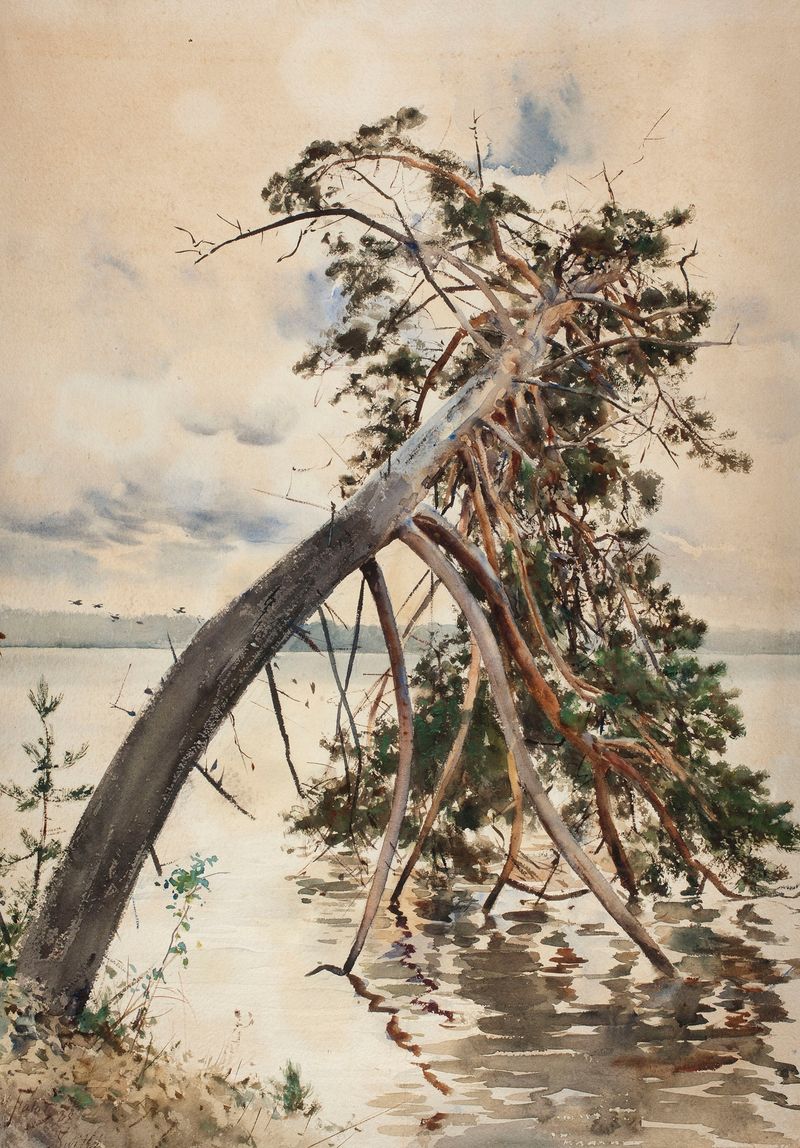
Świteź
Julian Falat
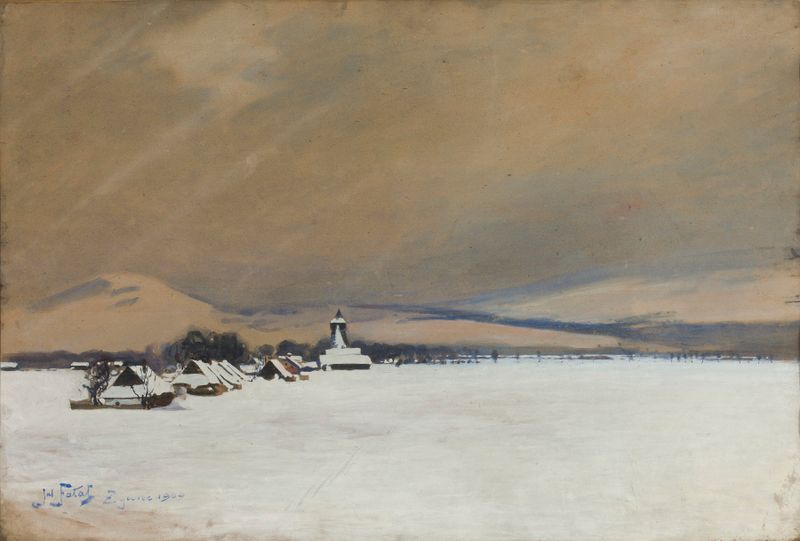
Winter landscape from Żywiec
Julian Falat
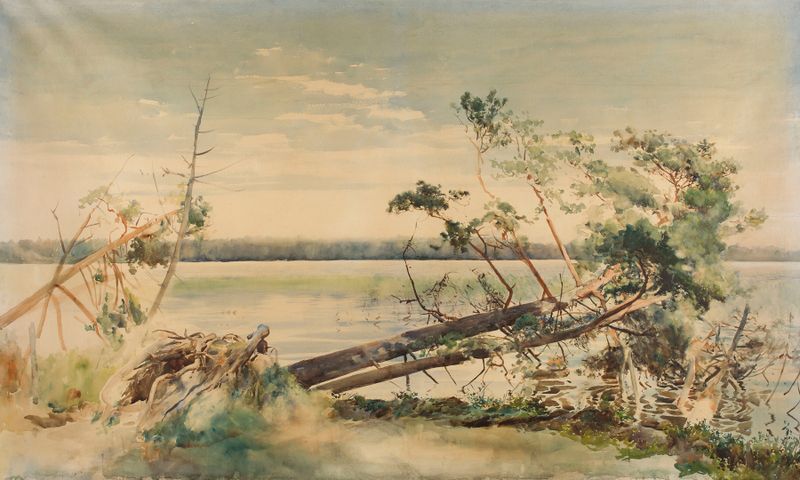
Świteź
Julian Falat
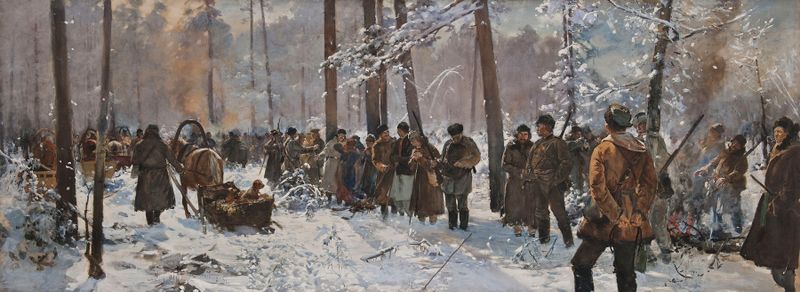
Battue at a hunt in Nieśwież
Julian Falat
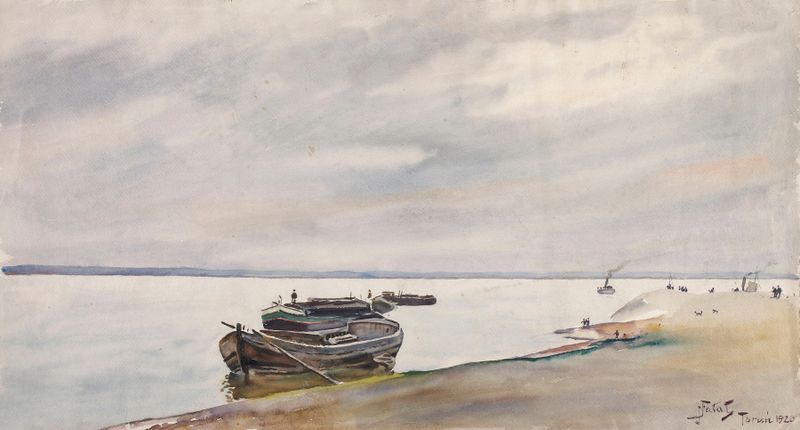
Boats and steamship on the Vistula near Toruń
Julian Falat





