
Cottages in the snow — History & Facts
Who listens when art speaks of silence? In the stillness of winter, a hushed landscape lays bare the stark truth of solitude and introspection. Look to the foreground, where the cottages, huddled together beneath a blanket of fresh snow, draw the viewer’s attention. The gentle curves of the rooftops contrast with the sharp, craggy outlines of the trees surrounding them. Notice how the muted palette of whites, grays, and soft blues creates a sense of calm, while the delicate brushwork captures the shimmering textures of the snow, inviting you to touch it.
The faint traces of smoke curling from a chimney suggest warmth and life within, a beacon of comfort amidst the chilly expanse. Beneath this serene veneer, the painting evokes a profound sense of isolation and resilience. The cottages, though cozy, are ensnared by the relentless grip of winter, symbolizing the human condition within the cyclical nature of life. The quiet landscape whispers of both vulnerability and strength, offering a meditation on the balance between solitude and togetherness, while the snow serves as a metaphor for truth—blanketing and yet revealing, concealing stories beneath its surface. In 1907, Władysław Ślewiński painted this evocative scene during a time of growing national consciousness in Poland.
Living in Paris at the time, he was influenced by the burgeoning modernist movements, yet he retained a unique connection to his homeland. As Europe grappled with socio-political shifts, the starkness of the winter landscape reflects a deeper yearning for identity and belonging, underscoring the complexities of a world that was, and still is, in the throes of change.
More Artworks by Władysław Ślewiński
Browse all →
Rough sea
Władysław Ślewiński
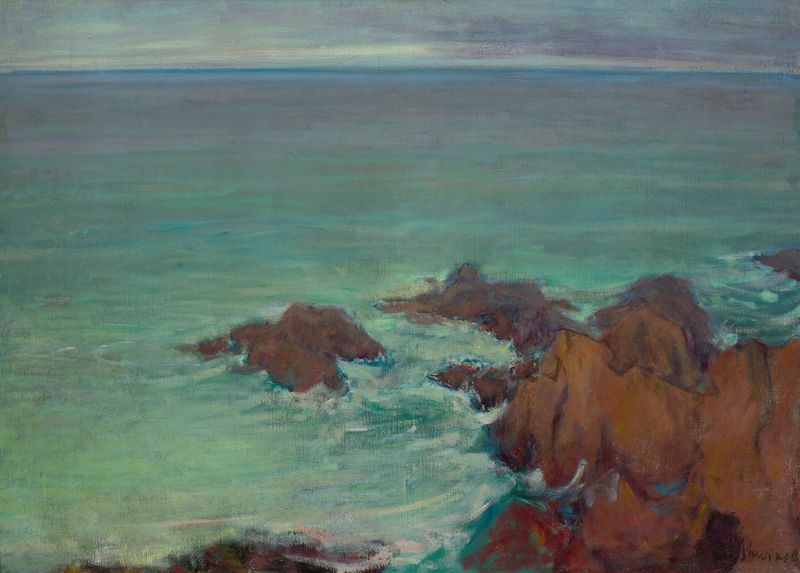
Sea in Brittany
Władysław Ślewiński

Sea
Władysław Ślewiński

Waves in a rocky bay
Władysław Ślewiński

Sea with white waves
Władysław Ślewiński
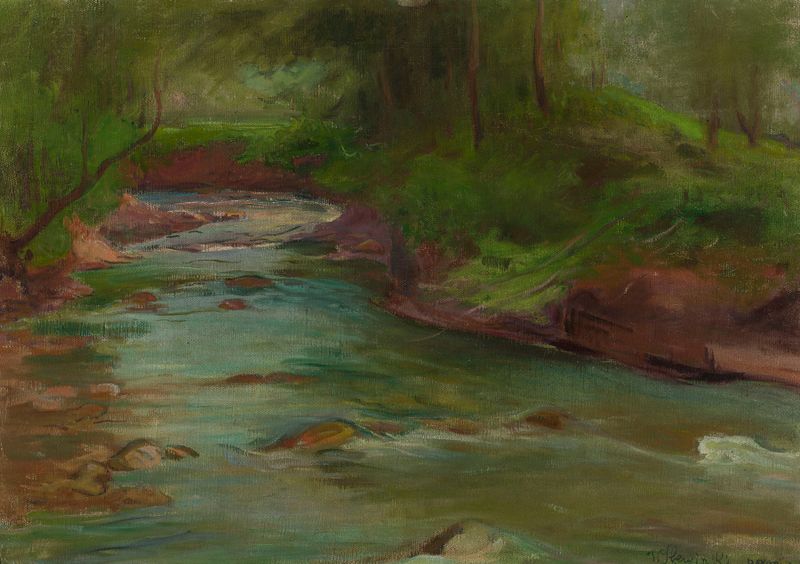
Mountain stream – in the Tatra Mountains below Mt Nosal
Władysław Ślewiński
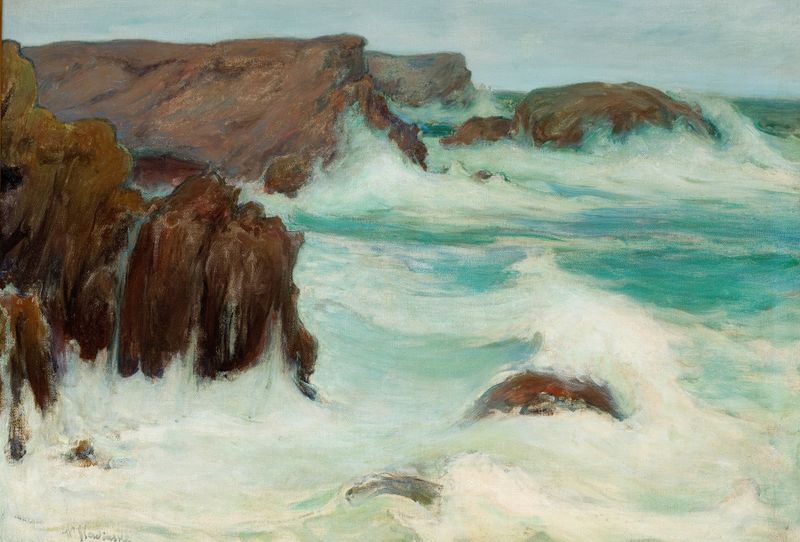
The Sea in Brittany
Władysław Ślewiński

A Coastal Landscape
Władysław Ślewiński

Sea at night
Władysław Ślewiński
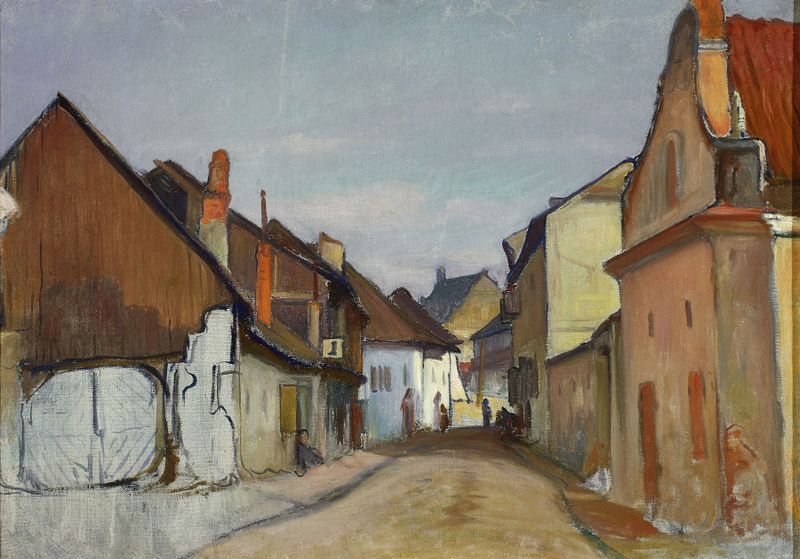
Lubelska Street in Kazimierz Dolny
Władysław Ślewiński





