
Sea with white waves — History & Facts
Who listens when art speaks of silence? In Sea with White Waves, the transformative power of nature invites introspection, evoking a sense of stillness amidst the chaos of crashing waves. Focus on the tumultuous movement of the water, which dominates the canvas with vibrant blues and whites. The brushstrokes are both frenetic and lyrical, capturing the energy of the sea while simultaneously hinting at a deeper calm beneath the surface. Notice the contrast between the frothy white peaks of the waves and the deep azure depths, suggesting a dialogue between turbulence and tranquility.
The careful layering of pigment enhances the illusion of depth, drawing the viewer’s gaze into the heart of the ocean's tumult. As you explore the piece, consider the emotional resonances it conjures. The waves, while dynamic, also represent a kind of transformation—where water, with its inherent volatility, can become a metaphor for change. The tension between the chaos of the sea and the quietude implied in the stillness of the moment speaks to the human experience of navigating life's storms.
Each crest and trough embodies an unvoiced struggle, inviting viewers to reflect on their own transitions. Created in 1911, Władysław Ślewiński painted this piece during a period marked by artistic experimentation and a burgeoning interest in modernism. Residing in Paris at the time, he was influenced by the evolving avant-garde movements, yet he retained a connection to the natural world and Polish identity. This painting not only represents a moment in the artist's life but also signifies a broader movement in art that sought to capture the essence of dynamic experiences.
More Artworks by Władysław Ślewiński
Browse all →
Rough sea
Władysław Ślewiński
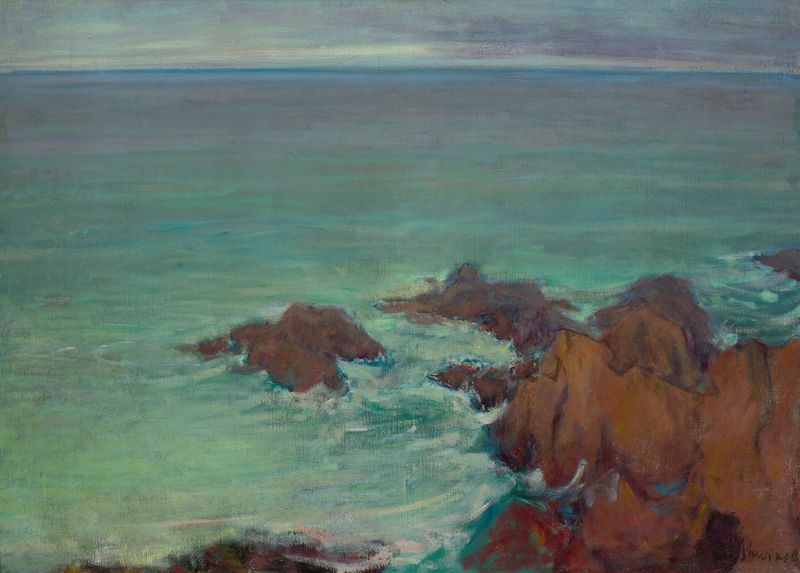
Sea in Brittany
Władysław Ślewiński
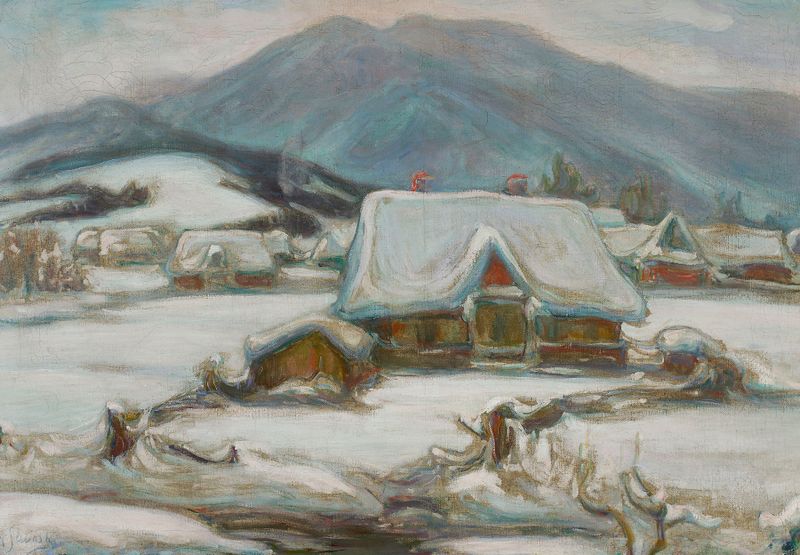
Cottages in the snow
Władysław Ślewiński

Sea
Władysław Ślewiński

Waves in a rocky bay
Władysław Ślewiński
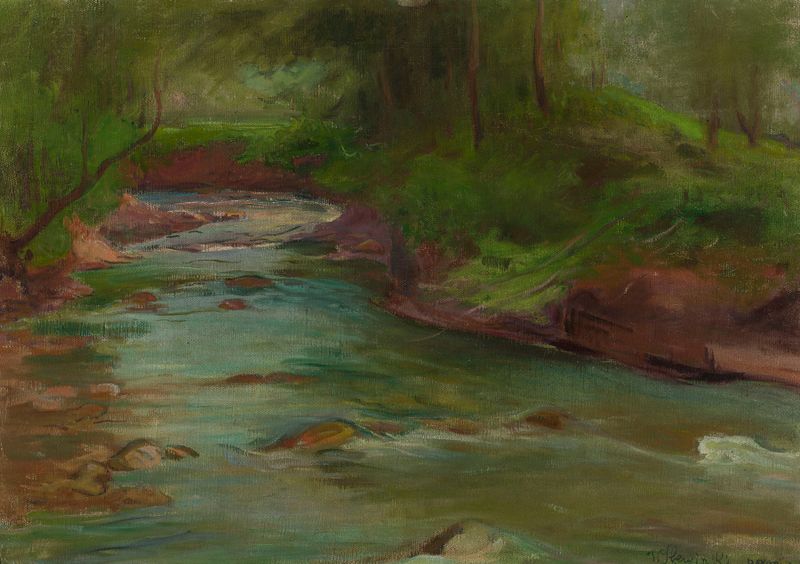
Mountain stream – in the Tatra Mountains below Mt Nosal
Władysław Ślewiński
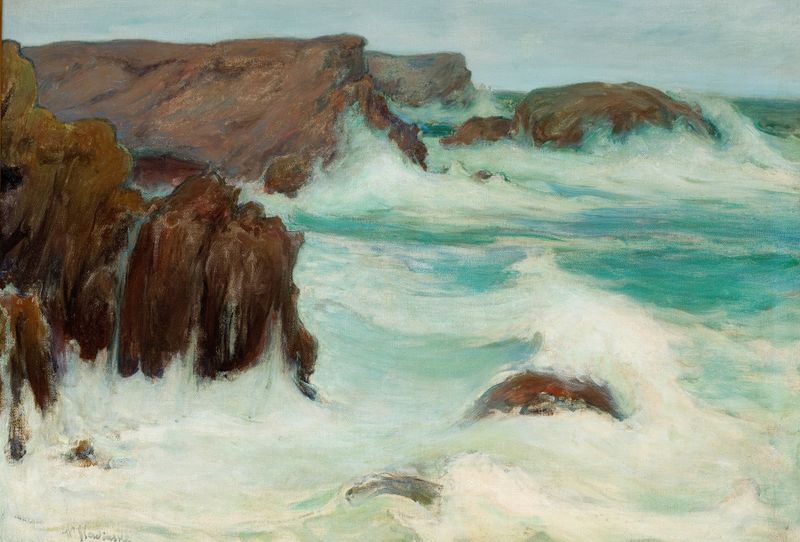
The Sea in Brittany
Władysław Ślewiński

A Coastal Landscape
Władysław Ślewiński

Sea at night
Władysław Ślewiński
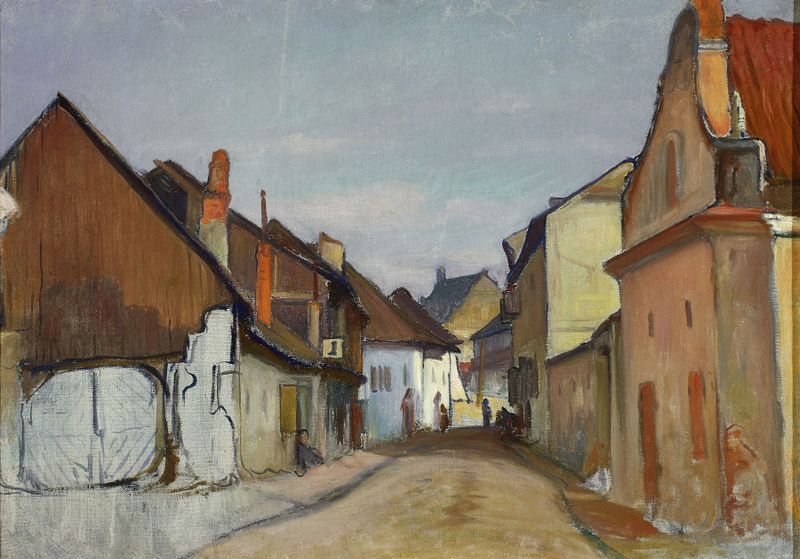
Lubelska Street in Kazimierz Dolny
Władysław Ślewiński





