
Sea at night — History & Facts
Can beauty exist without sorrow? In Władysław Ślewiński's Sea at Night, the answer resonates deeply within the undulating waves and the muted palette of evening hues. The painting immerses us in a vast ocean, capturing a moment where the stillness of night coexists with the restless motion of water. It feels as if the sea is breathing, a paradox of tranquility and turmoil that invites introspection. Look to the left, where deep indigo swirls blend seamlessly with the inky blackness of the night sky.
The brushwork is deliberate yet fluid, conveying a sense of movement that draws your eye across the canvas. Notice how the light catches the crests of the waves, creating glimmers that dance like fleeting memories upon the surface, while shadows deepen in the hollows below. The composition is balanced, yet the energy conveys an almost hypnotic rhythm, contrasting the stillness of the night with the motion of the sea. Beneath this surface beauty lies a world of contrasts.
The gentle lapping of waves may evoke peace, yet the dark undertones suggest an underlying tension, a reminder of nature's power. Each brushstroke hints at the transient nature of emotion—the joy of beauty intertwined with the weight of melancholy. The interplay of light and shadow speaks to the complexities of human experience, where movement becomes both a source of comfort and a harbinger of change. Created in 1897, during a period of profound artistic exploration, Ślewiński was deeply influenced by the Symbolist movement and the emotional depth it encouraged.
Working in France, he sought to capture the essence of nature through innovative techniques, marking a time when artists began to embrace individual expression and the subtleties of human feelings. This painting exemplifies his journey, merging the natural world with the emotional landscapes of the heart.
More Artworks by Władysław Ślewiński
Browse all →
Rough sea
Władysław Ślewiński
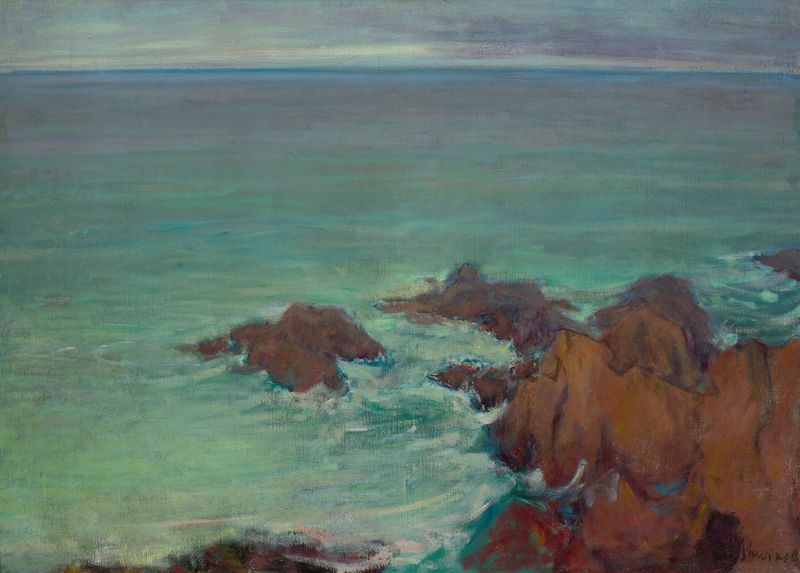
Sea in Brittany
Władysław Ślewiński
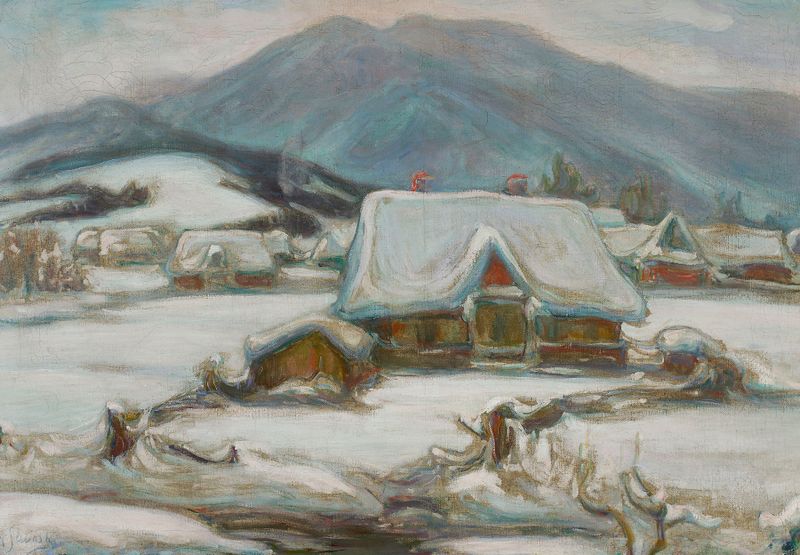
Cottages in the snow
Władysław Ślewiński

Sea
Władysław Ślewiński

Waves in a rocky bay
Władysław Ślewiński

Sea with white waves
Władysław Ślewiński
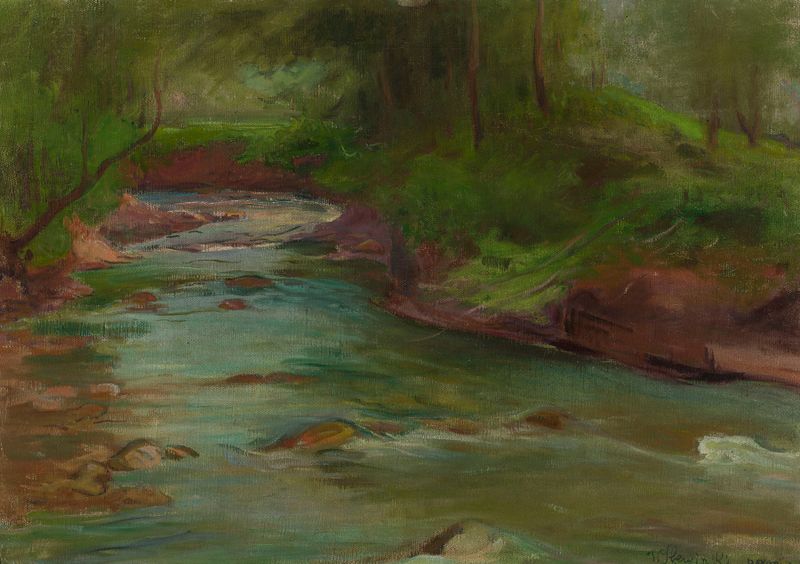
Mountain stream – in the Tatra Mountains below Mt Nosal
Władysław Ślewiński
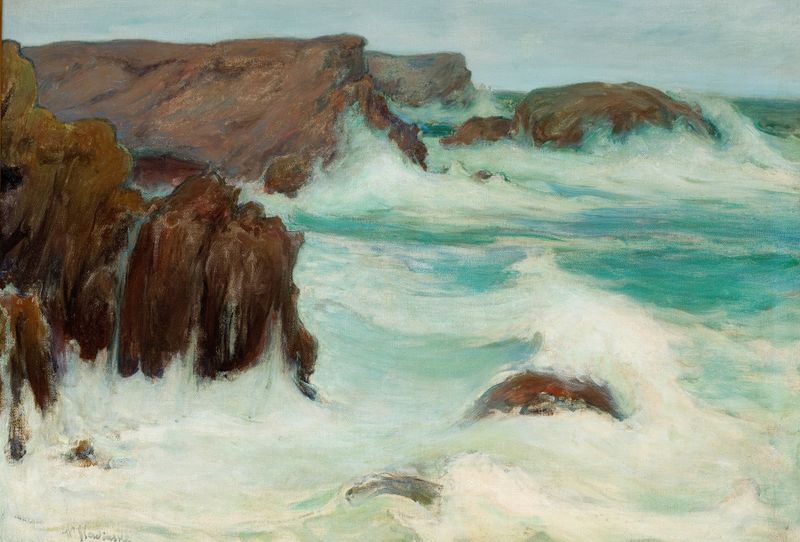
The Sea in Brittany
Władysław Ślewiński

A Coastal Landscape
Władysław Ślewiński
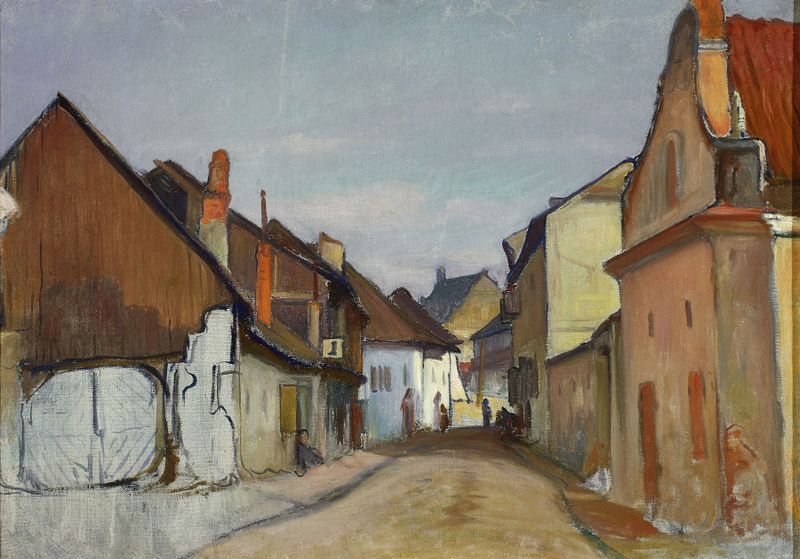
Lubelska Street in Kazimierz Dolny
Władysław Ślewiński





