
Waves in a rocky bay — History & Facts
When did color learn to lie? In Waves in a rocky bay, the hues whisper truths that are as elusive as the crashing surf itself, inviting contemplation of nature's divine interplay. Focus first on the vibrant blues that dance across the canvas, capturing the tumultuous energy of the waves as they collide with the jagged rocks below. Notice how the artist expertly manipulates the brushstrokes, the thick impasto lending texture to the frothy surf. The lighter strokes of white and pale green evoke the sunlight breaking through clouds, illuminating the chaos of the sea, while the dark, moody undertones suggest the depths of an abyss just below the surface. Amidst this tumult lies a tension between the serene and the chaotic.
The contrast of the powerful ocean against the steadfast rocks speaks to the resilience of nature. There’s a sense of divinity here, where the raw forces of the universe clash, yet coexist. The painting invites the viewer to reflect on their own tumultuous feelings and find solace in the beauty of nature’s turmoil. In 1903, Władysław Ślewiński was immersing himself in the vibrant artistic currents of Poland and France, portraying the rich landscapes of his homeland.
This period saw the rise of modernism and the exploration of color and form. Ślewiński, like many artists of his time, sought to transcend mere representation, capturing the spiritual essence of the natural world through his evocative brushwork.
More Artworks by Władysław Ślewiński
Browse all →
Rough sea
Władysław Ślewiński
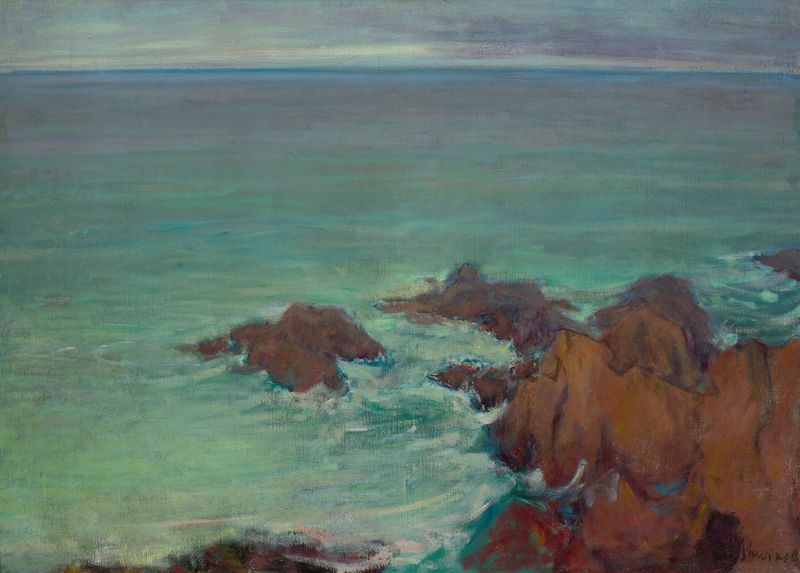
Sea in Brittany
Władysław Ślewiński
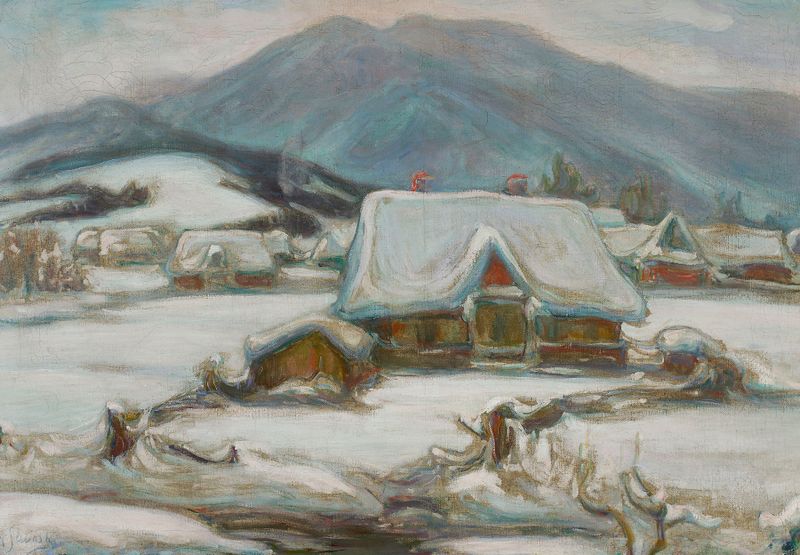
Cottages in the snow
Władysław Ślewiński

Sea
Władysław Ślewiński

Sea with white waves
Władysław Ślewiński
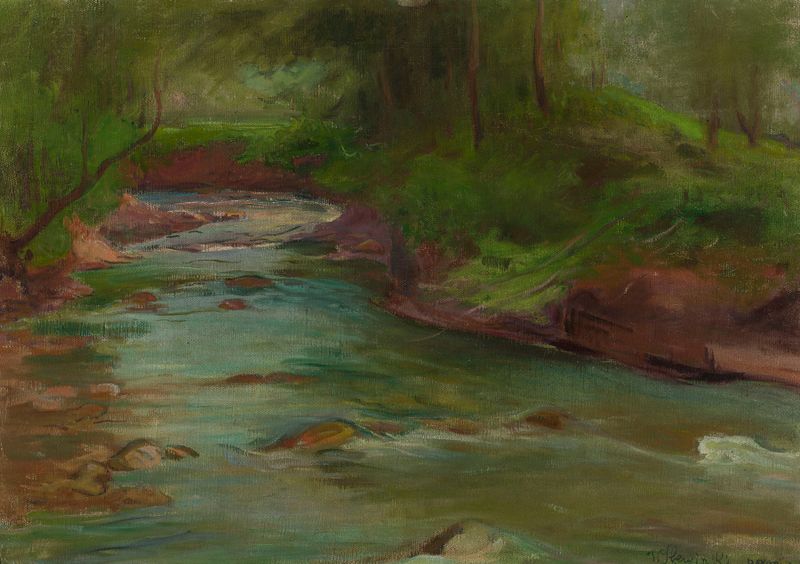
Mountain stream – in the Tatra Mountains below Mt Nosal
Władysław Ślewiński
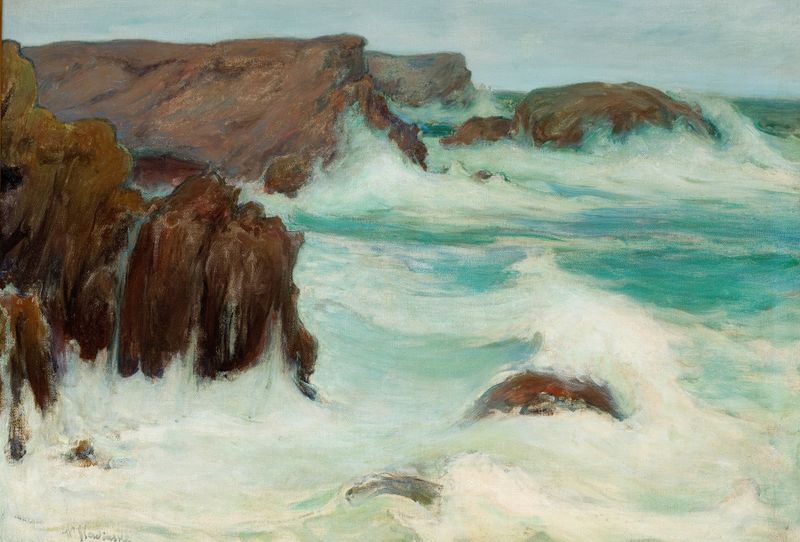
The Sea in Brittany
Władysław Ślewiński

A Coastal Landscape
Władysław Ślewiński

Sea at night
Władysław Ślewiński
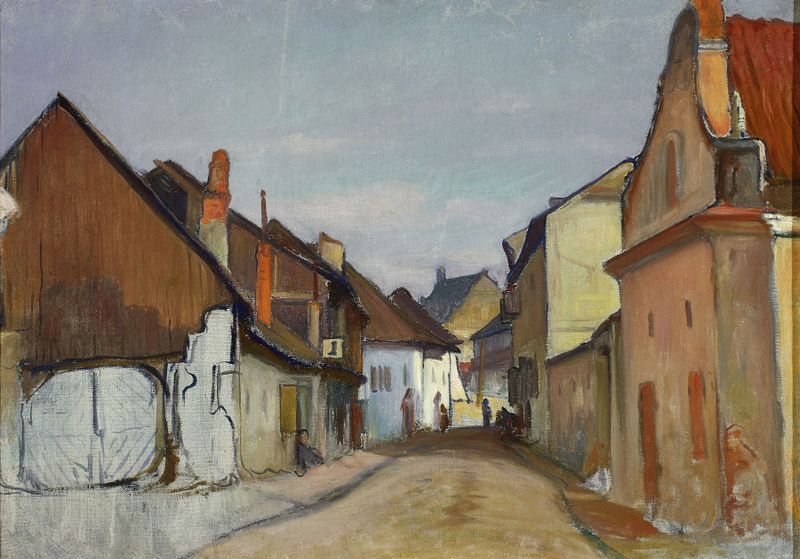
Lubelska Street in Kazimierz Dolny
Władysław Ślewiński





