
Rough sea — History & Facts
What if beauty was never meant to be finished? In Rough Sea, the tumultuous waves crash against jagged rocks, a powerful reminder of nature's unpredictable spirit and the underlying betrayal of tranquility. Look to the center of the canvas, where frothy white crests rise aggressively, contrasting with the deep blues and grays that dominate the background. The artist's bold brushstrokes create a sense of movement, guiding your eye to the tumult below. Notice how the light dapples on the water's surface, reflecting chaos while simultaneously revealing the hidden depths of the ocean's heart. The contrast between light and dark elevates the emotional tension within the piece.
The violent waves embody a struggle, perhaps suggesting a deeper conflict brewing beneath the surface of everyday life. The jagged rocks, stoic yet vulnerable, symbolize the harsh realities of existence, where fleeting beauty often feels like a betrayal of our desires for peace. Władysław Ślewiński painted Rough Sea in 1896 while living in France, immersed in the vibrant atmosphere of the post-Impressionist movement. This period was marked by a shift towards expressive color and dynamic composition, reflecting the turbulence of the times—both personally for the artist and in the broader context of European art.
As he navigated his own artistic evolution, the painting captures his response to the relentless forces of nature and emotion, highlighting the fragility of beauty in the face of chaos.
More Artworks by Władysław Ślewiński
Browse all →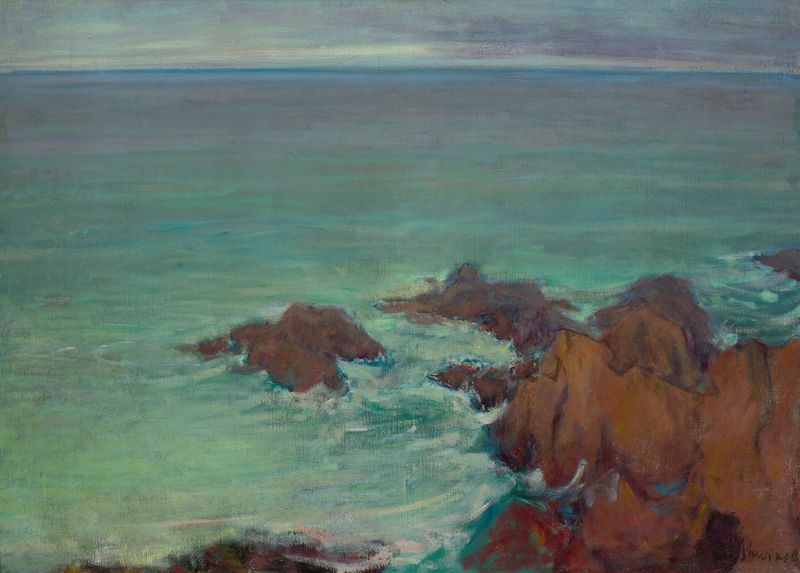
Sea in Brittany
Władysław Ślewiński
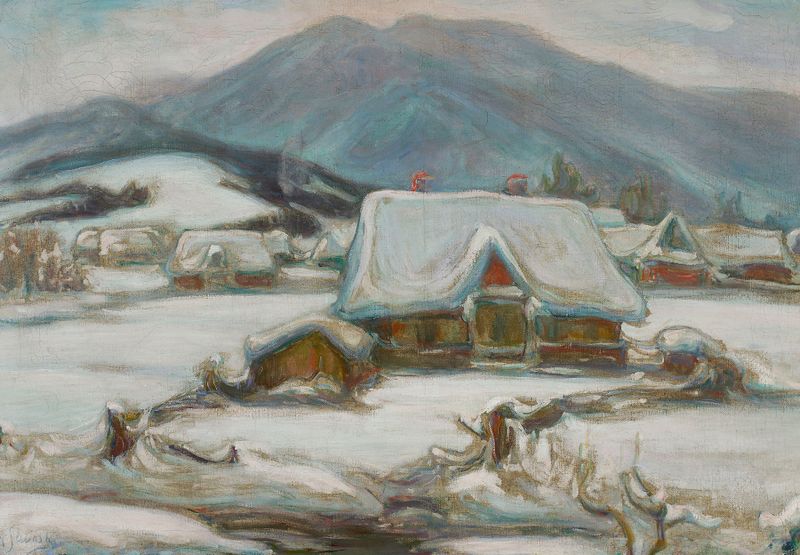
Cottages in the snow
Władysław Ślewiński

Sea
Władysław Ślewiński

Waves in a rocky bay
Władysław Ślewiński

Sea with white waves
Władysław Ślewiński
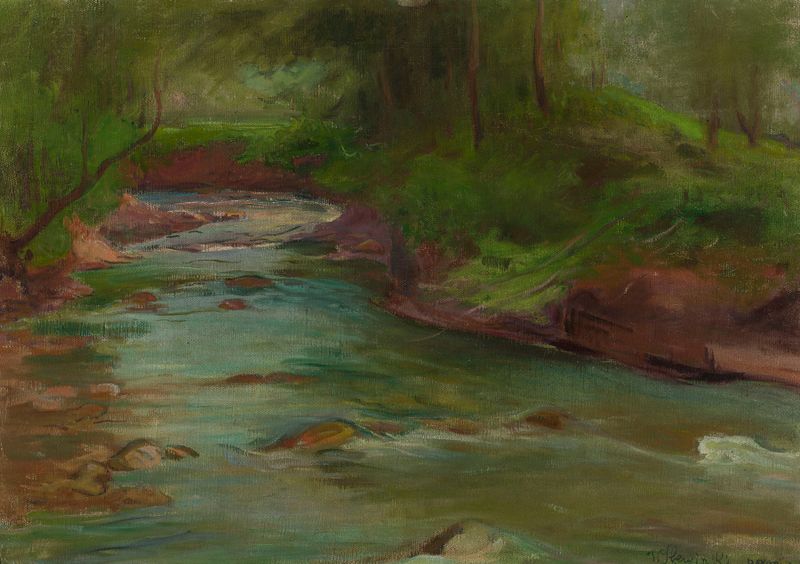
Mountain stream – in the Tatra Mountains below Mt Nosal
Władysław Ślewiński
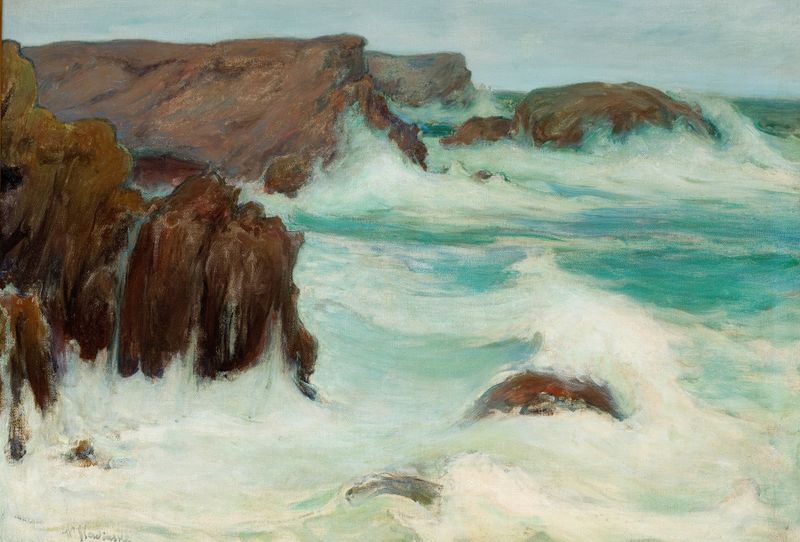
The Sea in Brittany
Władysław Ślewiński

A Coastal Landscape
Władysław Ślewiński

Sea at night
Władysław Ślewiński
Lubelska Street in Kazimierz Dolny
Władysław Ślewiński





