
Country Hillside — History & Facts
What if beauty was never meant to be finished? In the serene embrace of nature, one can find a truth that breathes life into the canvas, reminding us of the perpetual cycle of creation and decay. Focus on the undulating hills that stretch across the canvas, painted in gentle greens and soft browns, inviting the viewer to wander through the landscape. Notice how the delicate brushstrokes create a sense of movement, as if the hills themselves are breathing. The clouds overhead, feathered with luminous whites, contrast beautifully against the earth, suggesting a harmonious balance between sky and land.
The light, dappled and warm, evokes a feeling of nostalgia, enhancing the tranquility of the scene. As you explore the details, consider the interplay of light and shadow, which speaks to the transience of beauty—each moment captured is both fleeting and eternal. The scattered trees, standing firm against the rolling background, symbolize resilience amid change. There’s a quiet tension between the lushness of the hillside and the vastness of the sky, perhaps reflecting the artist’s own struggles with the dualities of life—creation versus erasure, joy against melancholy. During his lifetime, Lear primarily created this piece while he was stationed in the English countryside, between the mid-19th century and early 1900s.
This period was marked by a burgeoning appreciation for landscape painting, alongside Lear's personal exploration of poetry and visual art. Though often known for his whimsical illustrations, here, he captures the profound beauty of the natural world, inviting viewers to contemplate the essence of truth within the imperfect canvas of life.
More Artworks by Edward Lear
Browse all →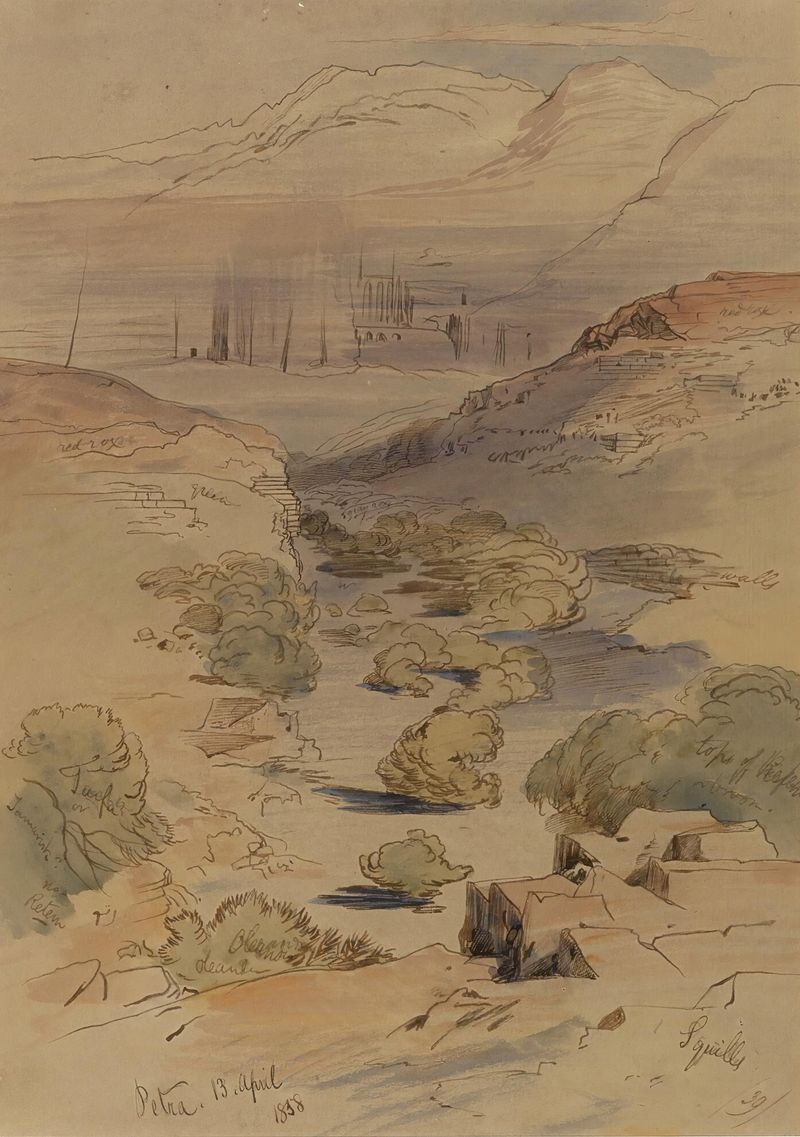
Petra
Edward Lear
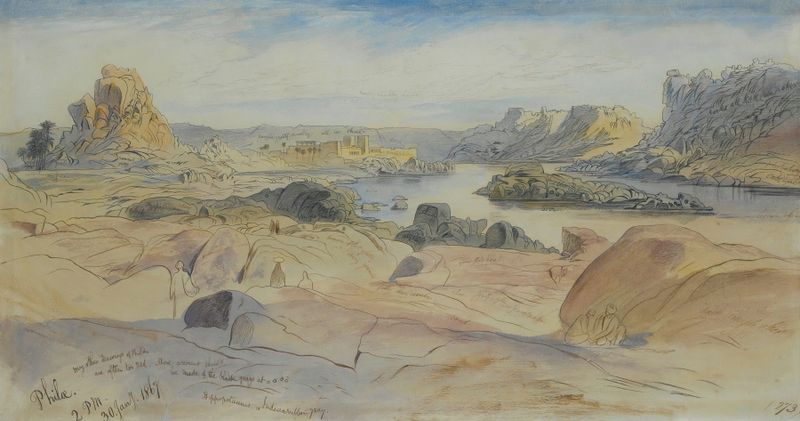
Philae, Egypt
Edward Lear
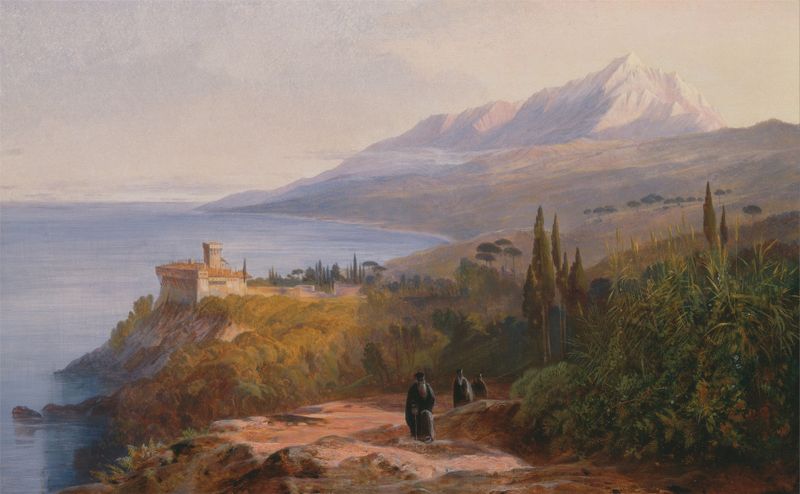
Mount Athos and the Monastery of Stavronikétes
Edward Lear
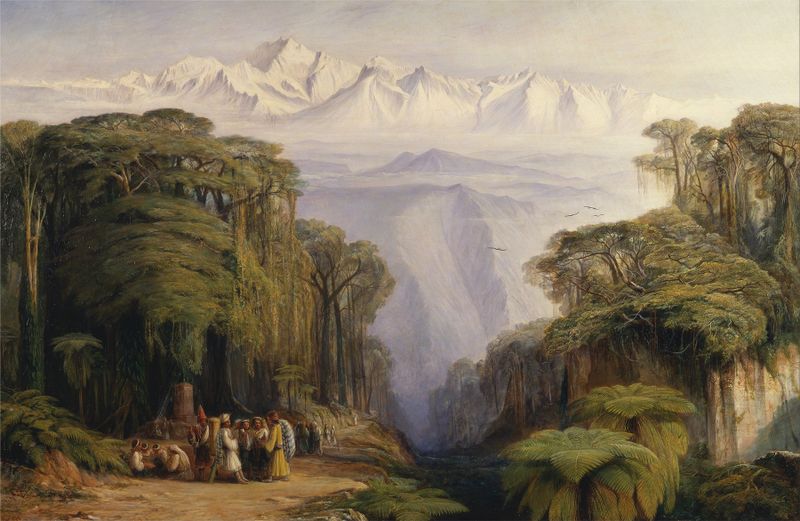
Kangchenjunga from Darjeeling
Edward Lear
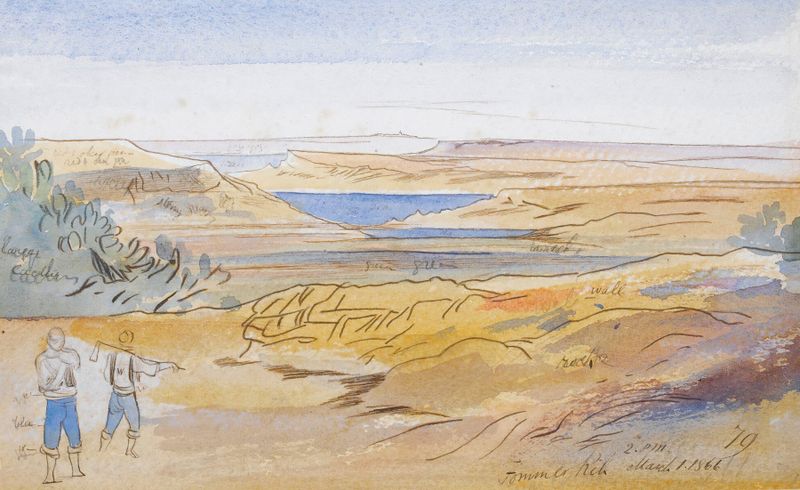
Fomm Ir-Rih, Malta
Edward Lear
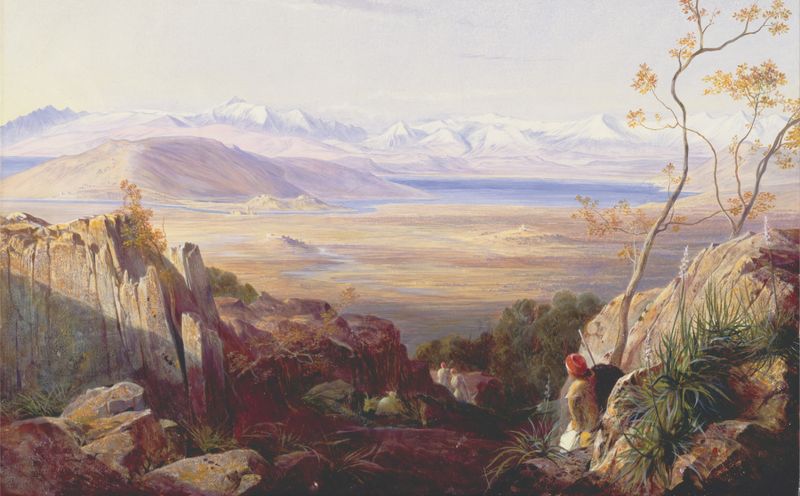
Butrinto, Albania
Edward Lear
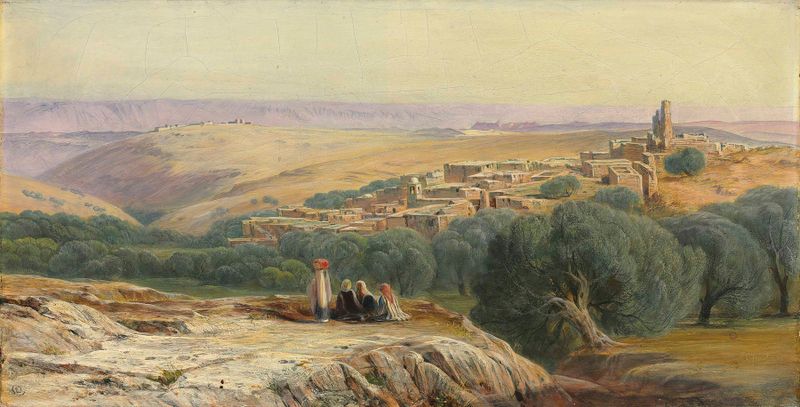
The Plains of Bethany
Edward Lear

Karnak, 9-30 pm, 22 January 1867
Edward Lear
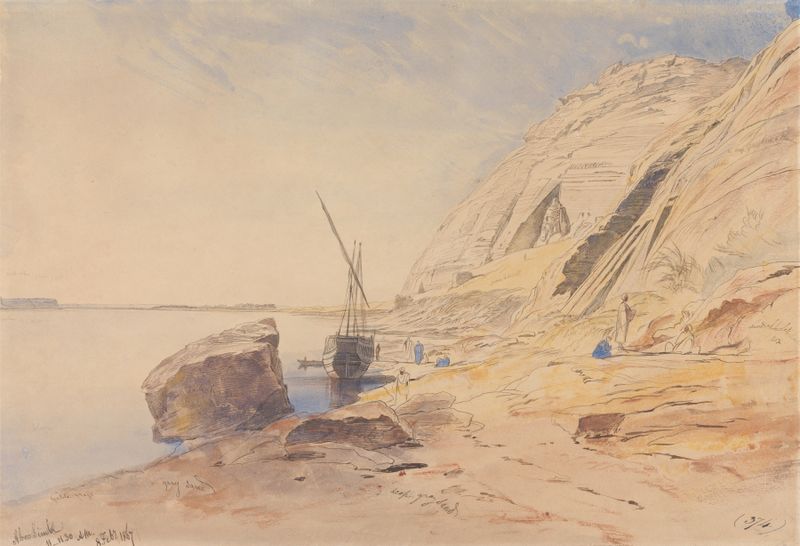
Abu Simbel, 11-11;30 am, 8 February 1867 (374)
Edward Lear

A View Of Mount Athos And The Pantokrator Monastery, Greece
Edward Lear





