
Courtyard, Capucine Monastery, Amalfi — History & Facts
Did the painter know this moment would outlive them? In Courtyard, Capucine Monastery, Amalfi, innocence radiates through the stillness of time, capturing a sanctuary that transcends the fleeting nature of life. Look to the left at the delicate archways that frame the serene courtyard, inviting you to step into its embrace. The soft, muted earth tones evoke a sense of calm, while dappled sunlight spills through the foliage, creating a play of light and shadow on the stone pathway. This meticulous attention to detail reveals Gilbert’s skill in blending architectural precision with the organic beauty of the surrounding nature. The composition speaks of solitude and contemplation, contrasting man-made structures with the gentle presence of the garden.
Notice how the stone walls stand stoic against the vibrant greenery, symbolizing the tension between permanence and the ephemeral nature of life. Each element whispers the secrets of a sanctuary, evoking reflections on faith, peace, and the passage of time. It’s an invitation to pause and feel the echoes of innocence that linger in this hallowed space. In 1898, Cass Gilbert was navigating the complex landscape of American architecture, transitioning from his earlier works to a style that intertwined classical influences with modern sensibilities.
While he painted this serene scene in Amalfi, he was also gaining recognition for his architectural designs, which would later earn him acclaim. This moment captured in Amalfi stands as a testament to his artistic evolution, a serene hymn to the beauty of stillness in a rapidly changing world.
More Artworks by Cass Gilbert
Browse all →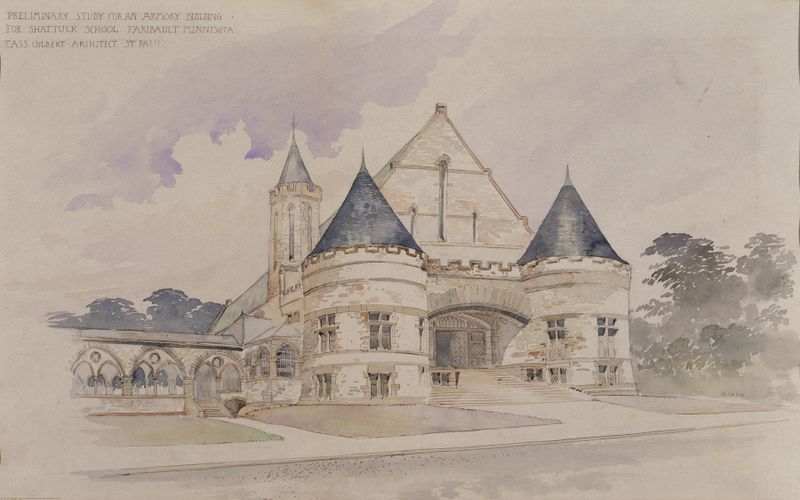
Preliminary study for an Armory Building for Shattuck School, Faribault, Minnesota
Cass Gilbert
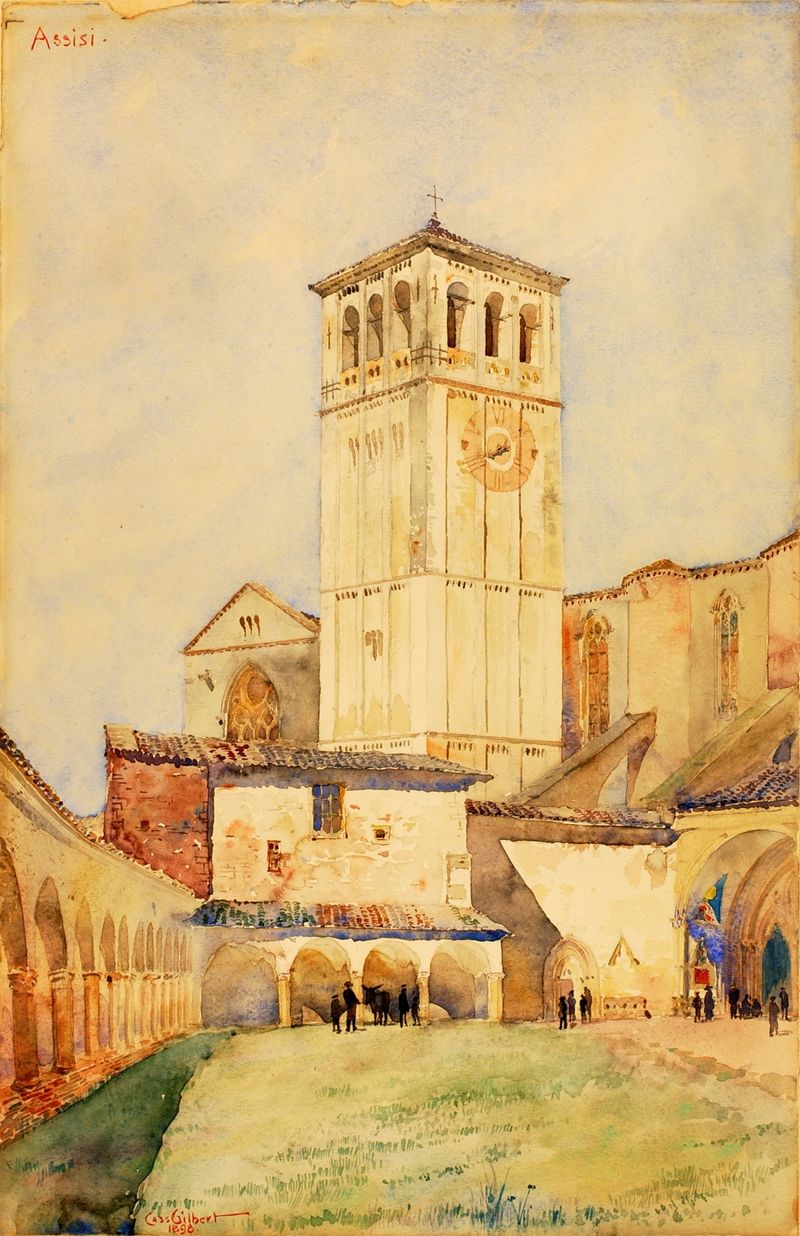
Church of St. Francis, Assisi
Cass Gilbert
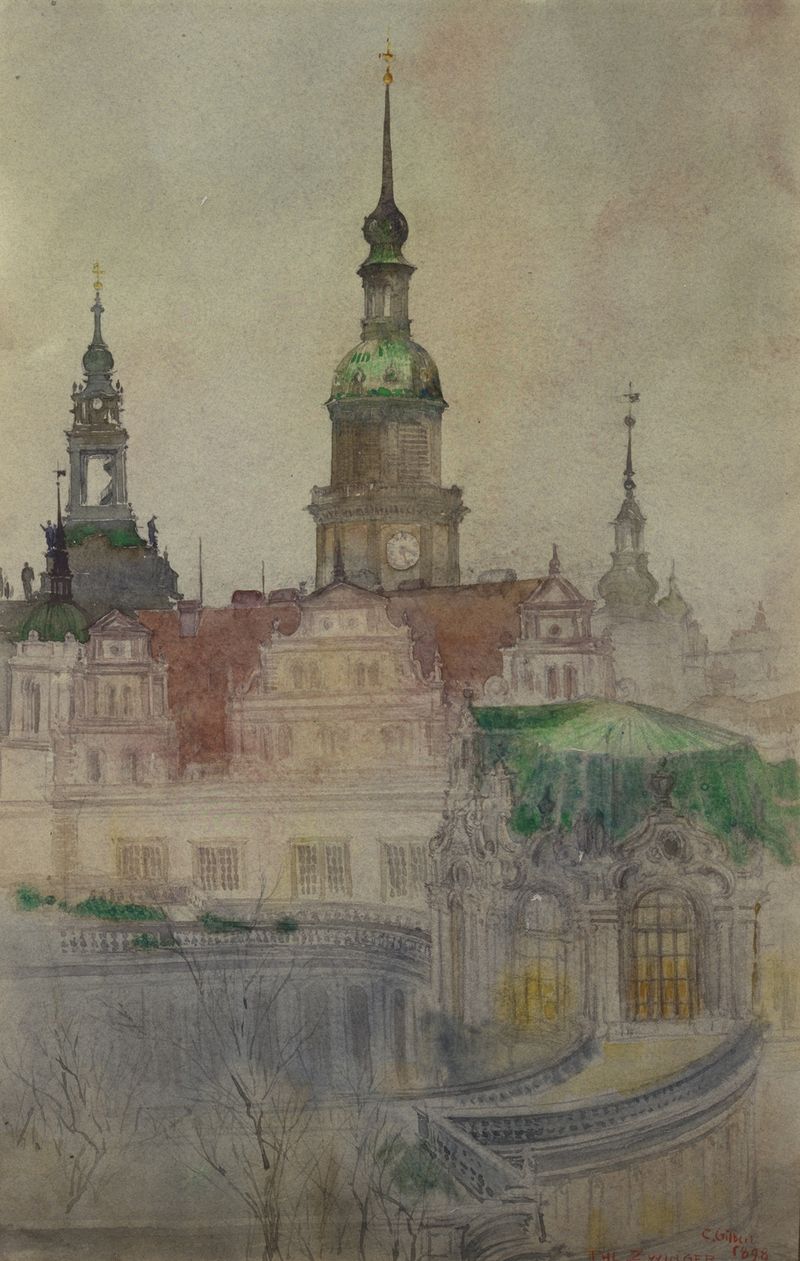
The Zwinger Towers, Dresden
Cass Gilbert

Towers from the City Wall, Nuremberg
Cass Gilbert
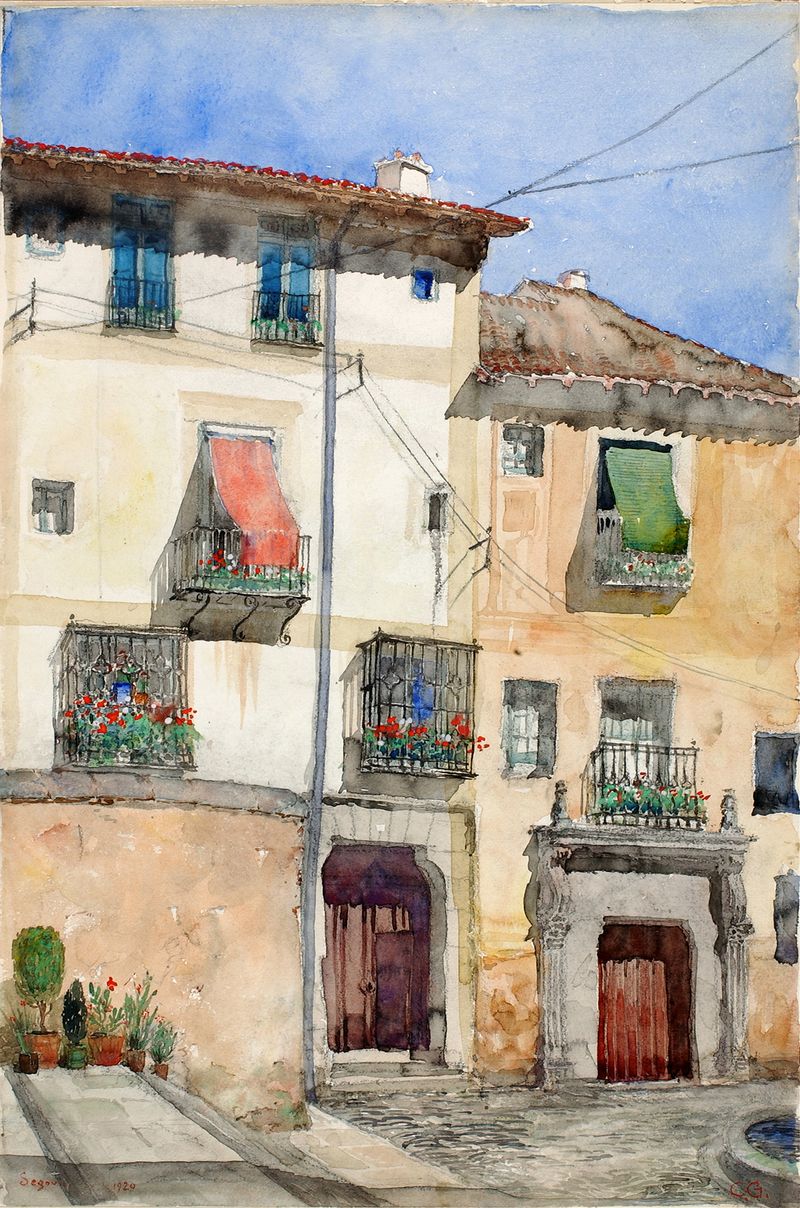
Old House at Segovia, Spain
Cass Gilbert
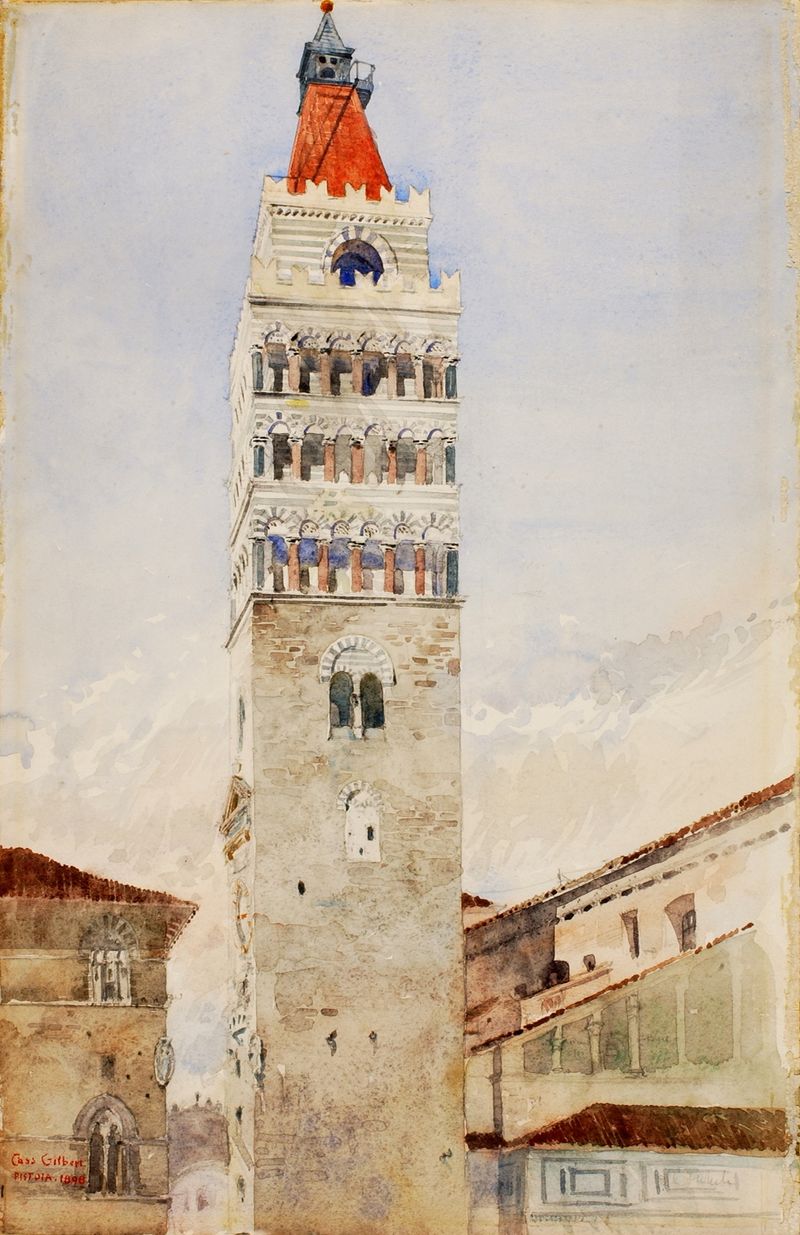
Cathedral Tower, Pistoia, Italy
Cass Gilbert

Cathedral at Monreale, Sicily
Cass Gilbert

Santa Maria Della Salute, Venice
Cass Gilbert
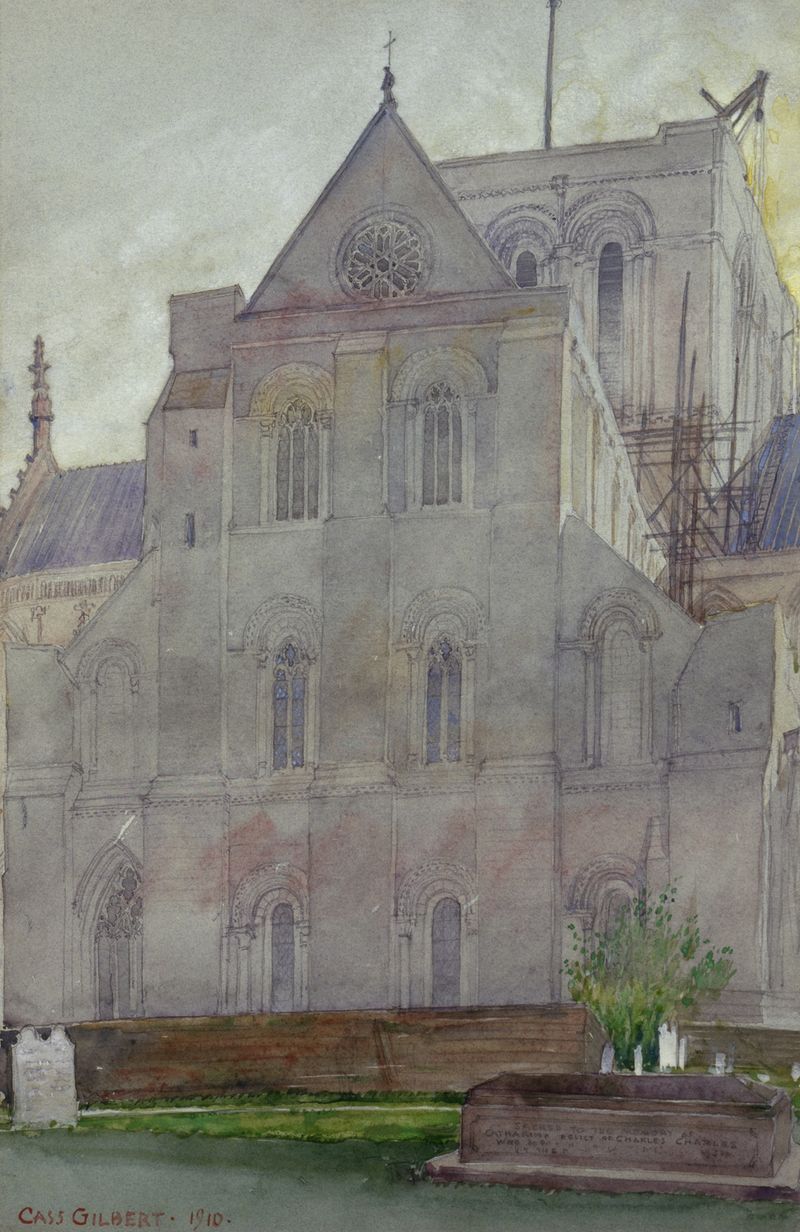
North Transept, Winchester Cathedral, England
Cass Gilbert

Tower of the Cathedral of Utrecht, Holland
Cass Gilbert
More Architecture Art
Browse all →
The statue of Liberty
Frédéric Auguste Bartholdi

View of Houses in Delft, Known as ‘The Little Street’
Johannes Vermeer

View of Houses in Delft, Known as ‘The Little Street’
Johannes Vermeer

The Cathedral in Rouen. The portal, Grey Weather
Claude Monet

The yellow house
Vincent van Gogh

The Church in Auvers-sur-Oise, View from the Chevet
Vincent van Gogh