Cousine Laura (Gil Blas Illustré) — History & Facts
What draws the eye first in Cousine Laura (Gil Blas Illustré) is the hush of intimacy at the heart of a bustling city. Two figures, a woman in a pale, flowing dress and a man in a dark uniform, are caught in a private embrace on a balcony, their backs turned to us as if inviting the viewer to share in their secret. The swirl of the ironwork and the softly glowing lights of the city beyond create a sense of enclosure and openness at once—here is a moment suspended between public spectacle and private longing.
Steinlen’s lines are gentle but sure, the sweep of the woman’s gown leading the gaze upward to the couple’s closeness, while the man’s arm draws her in protectively. The city, rendered in flickering lights and shadowy forms, feels both distant and alive, as if the world pauses for this quiet drama. This illustration belongs unmistakably to the Paris of the 1890s, when illustrated journals like Gil Blas Illustré brought art and literature to a wide audience hungry for stories of modern life. Théophile Alexandre Steinlen was a master of capturing the pulse of the city, whether in the smoky cafés of Montmartre or, as here, in a moment of romance above its rooftops.
Published in 1893 alongside a story by Marcel Prévost, this work speaks to the era’s fascination with fleeting encounters and the blurred boundaries between public and private lives. History has kept few traces of this specific illustration beyond its appearance in the pages of a popular weekly, but its mood lingers—inviting us to imagine what words might have passed between the couple, and what city lights still burn behind them.
More Artworks by Théophile Alexandre Steinlen

Village et charrette
Théophile Alexandre Steinlen
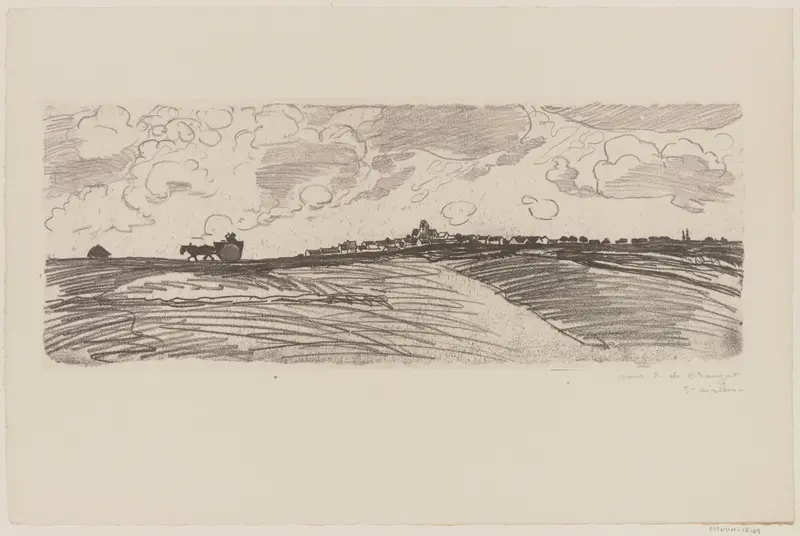
Village et charrette
Théophile Alexandre Steinlen
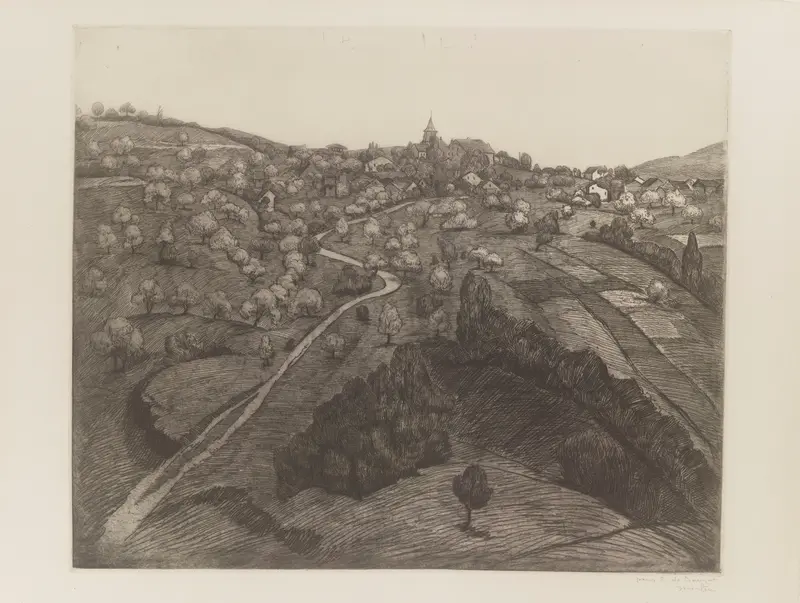
Vue de Belmont, près de Lausanne
Théophile Alexandre Steinlen
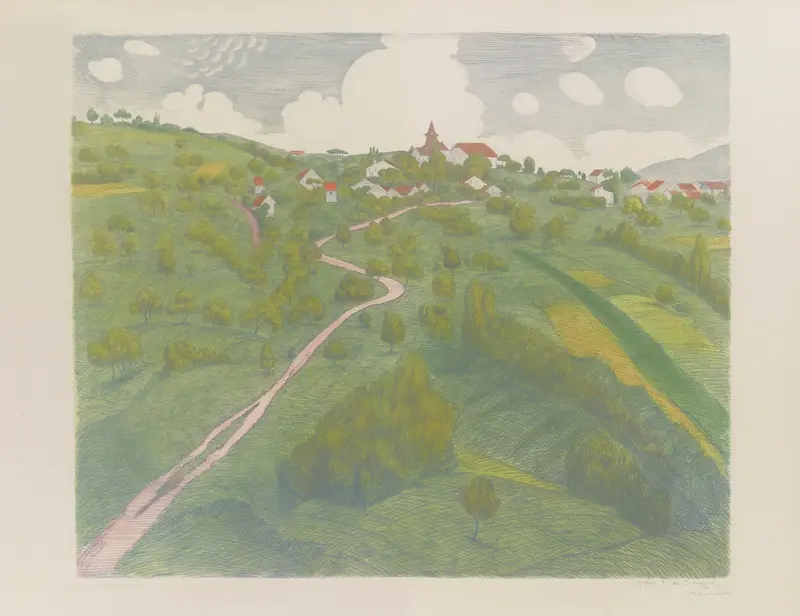
Vue de Belmont, près de Lausanne
Théophile Alexandre Steinlen
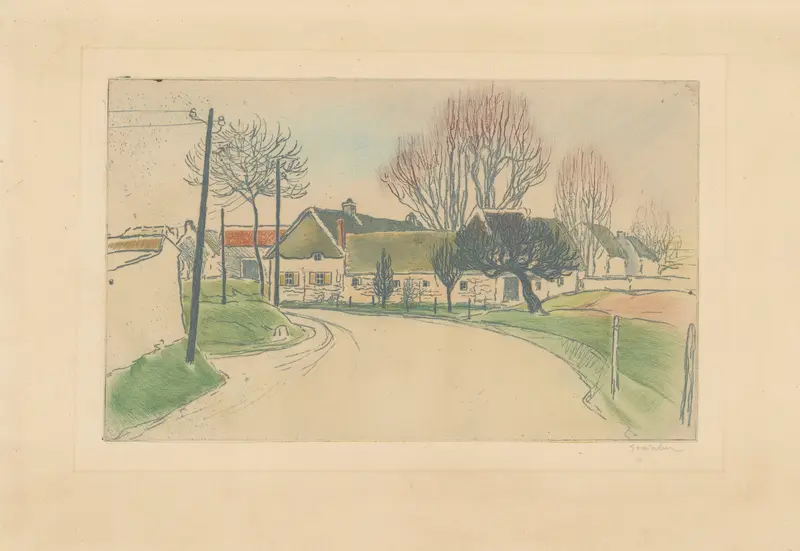
La maison à l’entrée du village
Théophile Alexandre Steinlen
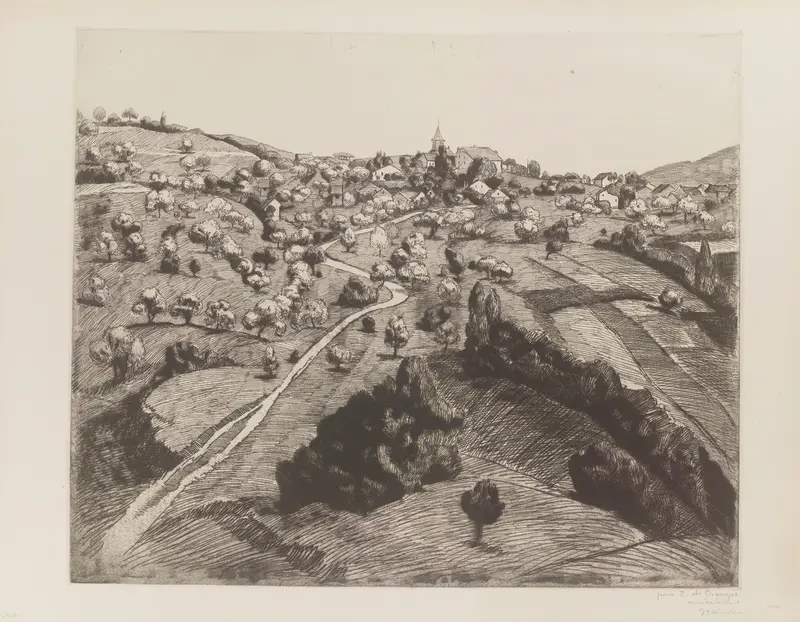
Vue de Belmont, près de Lausanne
Théophile Alexandre Steinlen
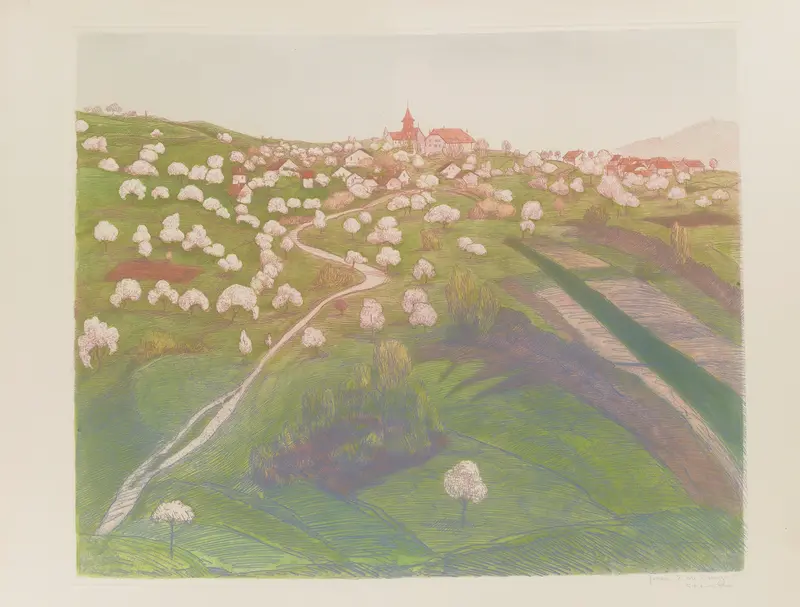
Vue de Belmont, près de Lausanne, n° 2
Théophile Alexandre Steinlen
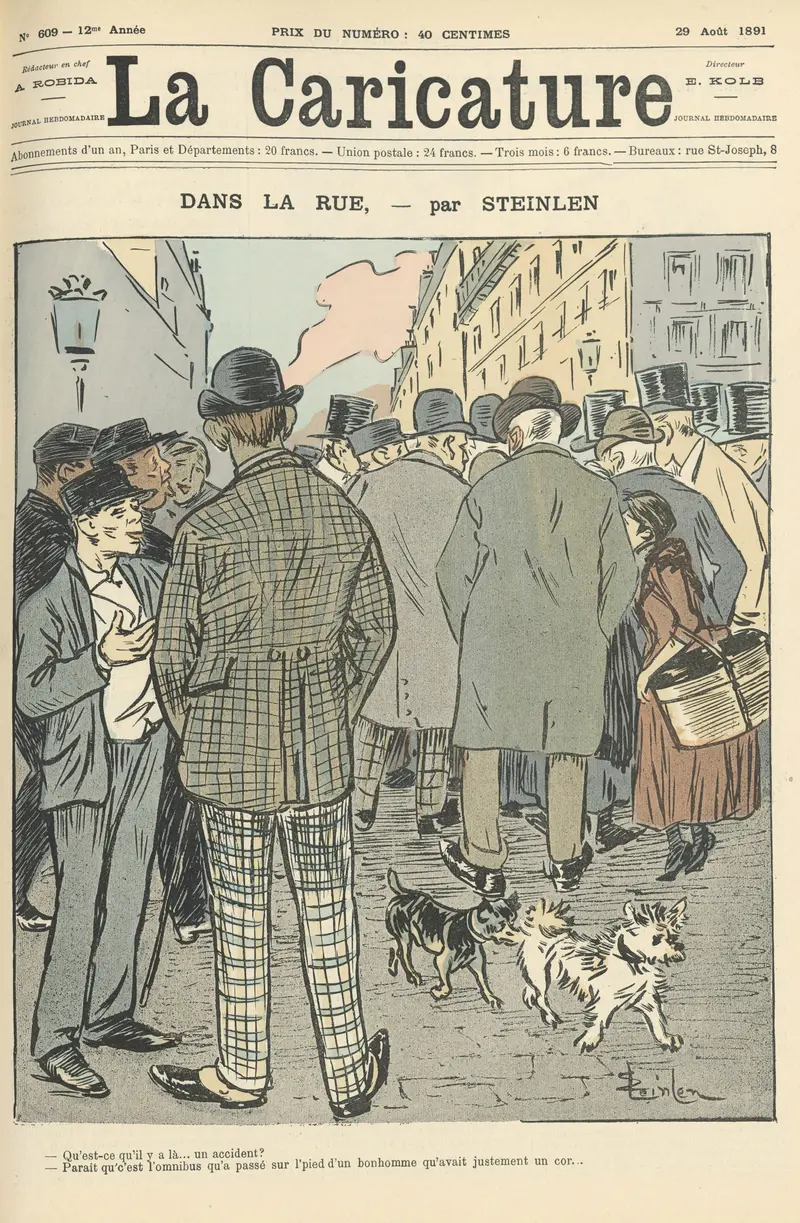
Dans la rue (La Caricature, 29 août 1891)
Théophile Alexandre Steinlen
Dans la vie
Théophile Alexandre Steinlen
The Laundresses
Théophile Alexandre Steinlen