
Couvent de Saint Saba — History & Facts
In the stillness of a forgotten moment, beauty waits to be uncovered, a revelation hidden in the mundane. Look closely at the vibrant palette that Stroobant employs, where the warm ochres and rich greens breathe life into the architecture of the convent. Focus on the soft play of light as it dances across the textured stone façade, casting shadows that deepen the sense of age and history. Notice the delicate, almost ethereal interplay between nature and structure; the ivy creeping up the walls seems to embrace the stones, a testament to time’s patient touch. The artwork speaks of contrasts—the permanence of the stone against the transience of the creeping vines, a metaphor for the passage of time.
It holds an emotional tension between the man-made sanctuary and the encroaching wild, suggesting a dialogue of coexistence and decay. Each brushstroke carries the weight of stories past, urging us to contemplate the lives that have unfolded within those walls and the silence that now envelops them. In 1852, Stroobant painted this piece during a period of artistic exploration in Belgium, where Romanticism and Realism were beginning to intertwine. He was deeply influenced by his surroundings and the shifting currents of his time, as artists sought to capture both the reality of their environments and the emotive power of nature.
This work reflects that duality, showcasing his ability to transcend mere representation into a realm of introspection and quiet revelation.
More Artworks by François Stroobant
Browse all →
Interior of the church of Notre Dame du Sablon at Brussels
François Stroobant
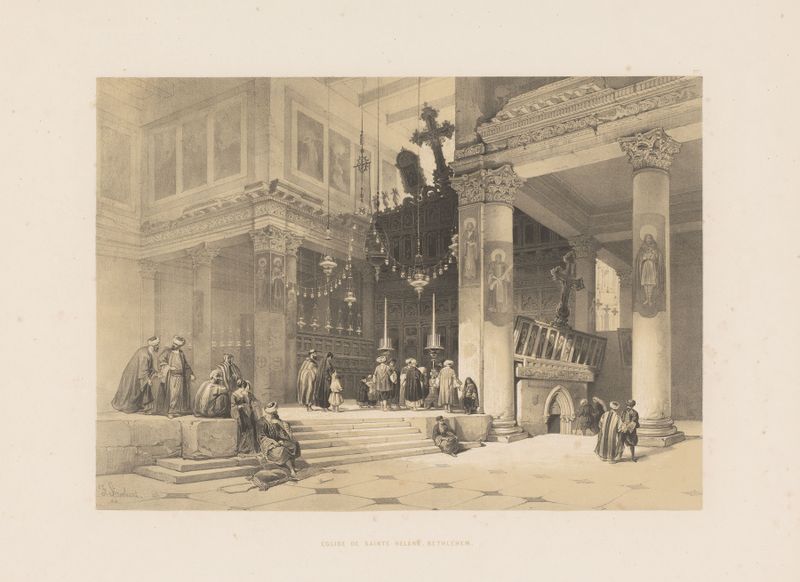
Église de sainte Hélène. Bethléhem
François Stroobant
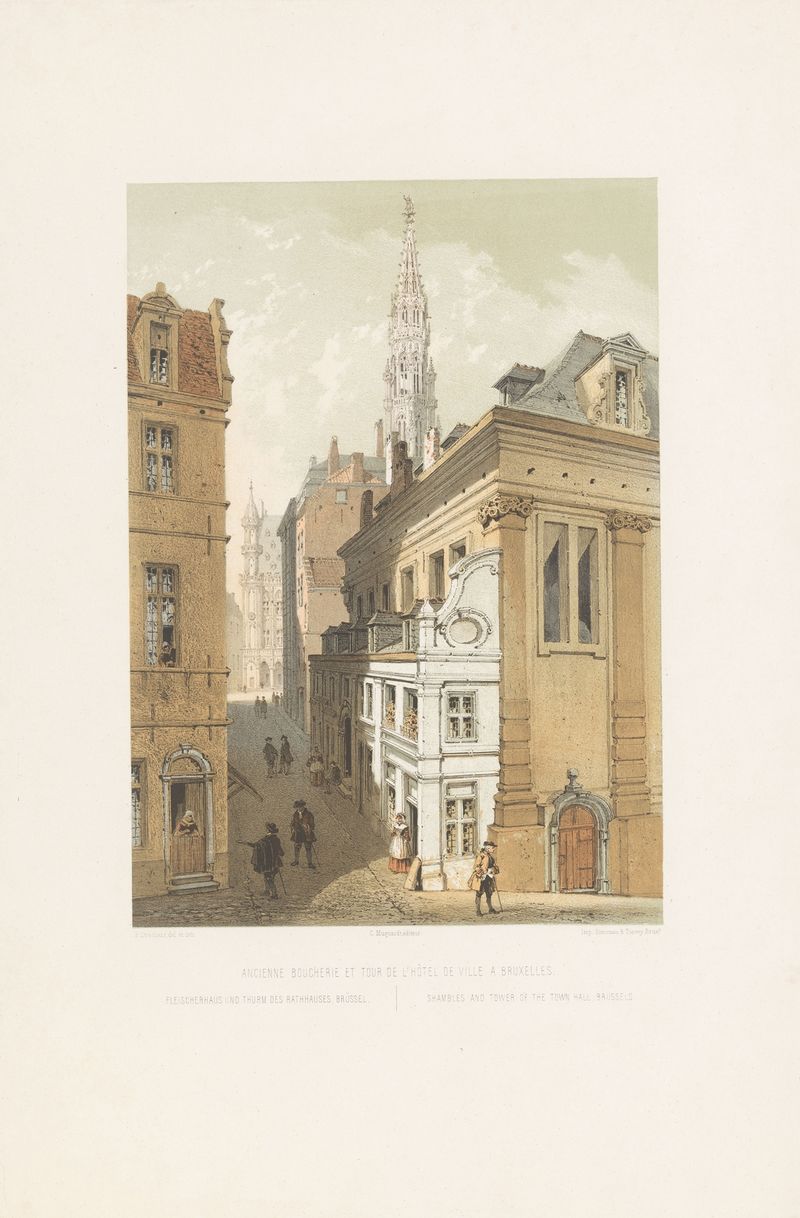
Shambles and tower of the town hall, Brussels
François Stroobant

Intérieur de l’église Grecque du Saint-Sépulcre
François Stroobant
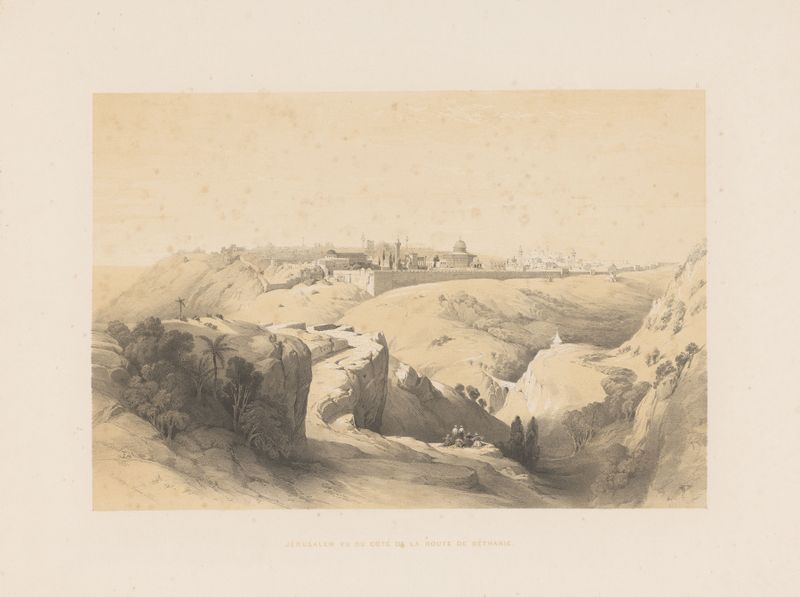
Jérusalem vu du coté de la route de Béthanie
François Stroobant

Le tabernacle du Saint-Sépulcre
François Stroobant

Town hall Brussels
François Stroobant

Fontaine de Jacob à Sichem
François Stroobant
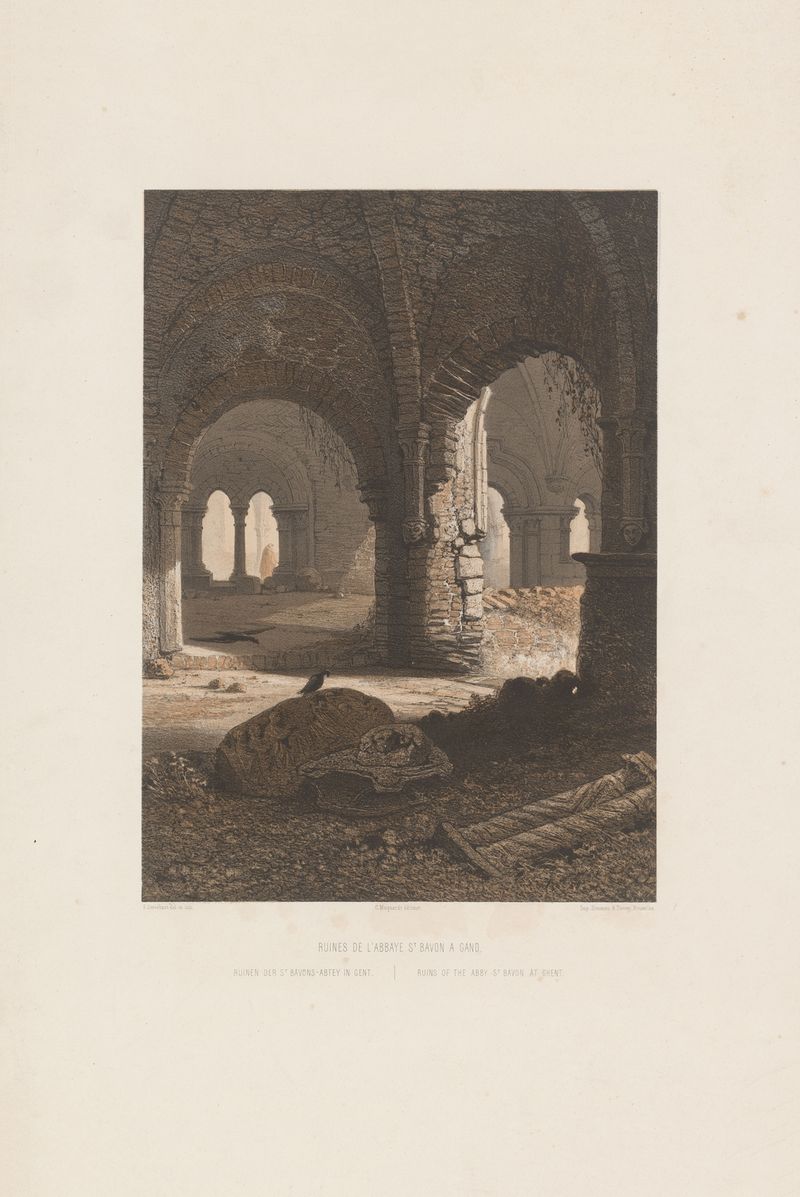
Ruins of the abby St Bavon at Ghent
François Stroobant

Vue de Naplouse
François Stroobant
More Architecture Art
Browse all →
The statue of Liberty
Frédéric Auguste Bartholdi

View of Houses in Delft, Known as ‘The Little Street’
Johannes Vermeer

View of Houses in Delft, Known as ‘The Little Street’
Johannes Vermeer

The Cathedral in Rouen. The portal, Grey Weather
Claude Monet

The yellow house
Vincent van Gogh

The Church in Auvers-sur-Oise, View from the Chevet
Vincent van Gogh