
Creuse Landscape : Fog to Crozant — History & Facts
A haze of color seems to hang in the air, as if the landscape itself is exhaling at dawn or dusk. Your eye is drawn first to the luminous river, its surface broken by a pair of low, dark rocks—almost as if they are pausing midstream to listen to the quiet. The palette is gentle but restless, with strokes of lavender, rose, ochre, and green weaving together the land, water, and sky.
The right side is anchored by a mass of trees, their leaves rendered in bold, patchy brushwork, suggesting motion or the thickening of mist. The whole scene is built from visible, energetic marks, each one a decision about how light and color should behave when the world is half-veiled. Painted around 1910, this landscape belongs to a moment when artists like Armand Guillaumin were pushing the boundaries of Impressionism into something more personal and experimental. The region of Creuse, especially near Crozant, became a magnet for painters seeking to capture the shifting moods of nature—its fogs, its sudden bursts of sun, its quiet drama.
Works like this were rarely made for grand salons or wealthy patrons; instead, they were the product of a new artistic freedom, painted in the open air, meant for collectors who valued the immediacy and honesty of the artist’s hand. Little is recorded about this specific painting’s early journey, but its presence in a modern collection is a reminder of how these quiet experiments in color and atmosphere continue to invite viewers in, asking them to look again and find the moment where the landscape almost breathes.
More Artworks by Armand Guillaumin

La Seine À Charenton
Armand Guillaumin
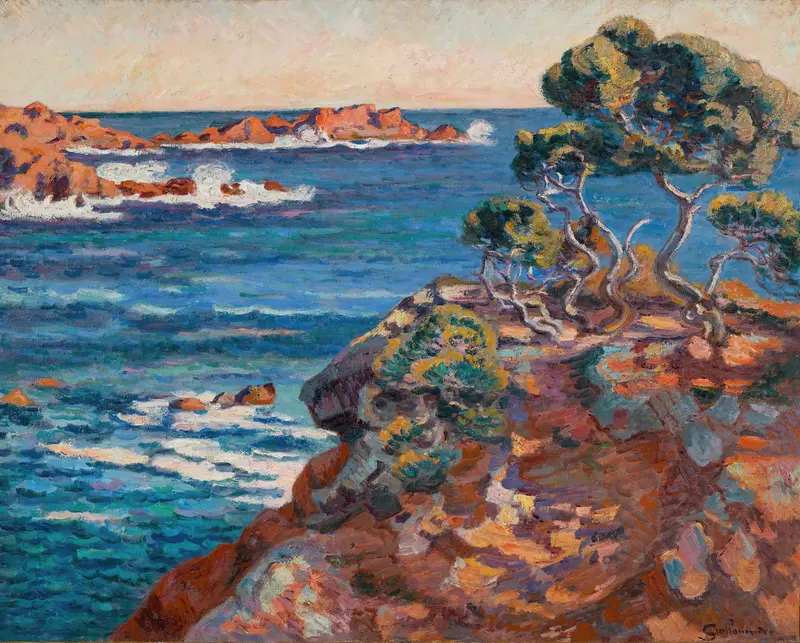
Bord De Mer À Agay
Armand Guillaumin
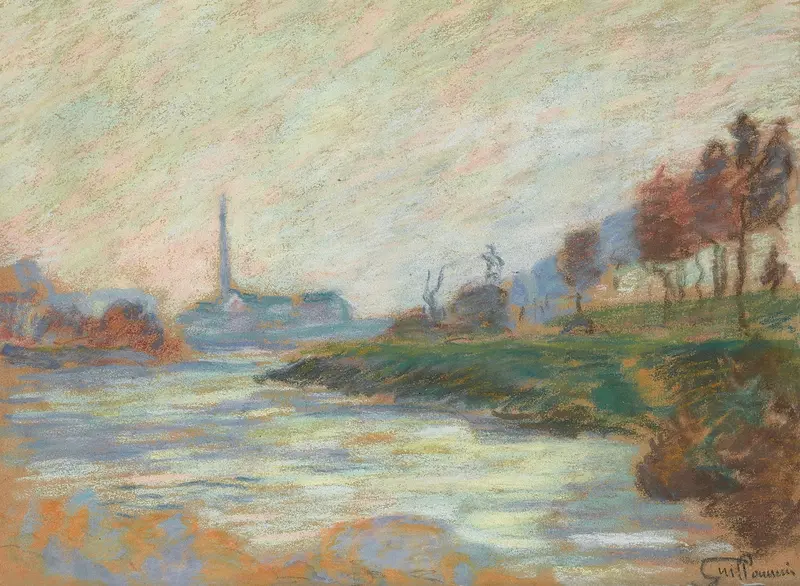
Confluent De La Marne Et De La Seine, Île De La France
Armand Guillaumin
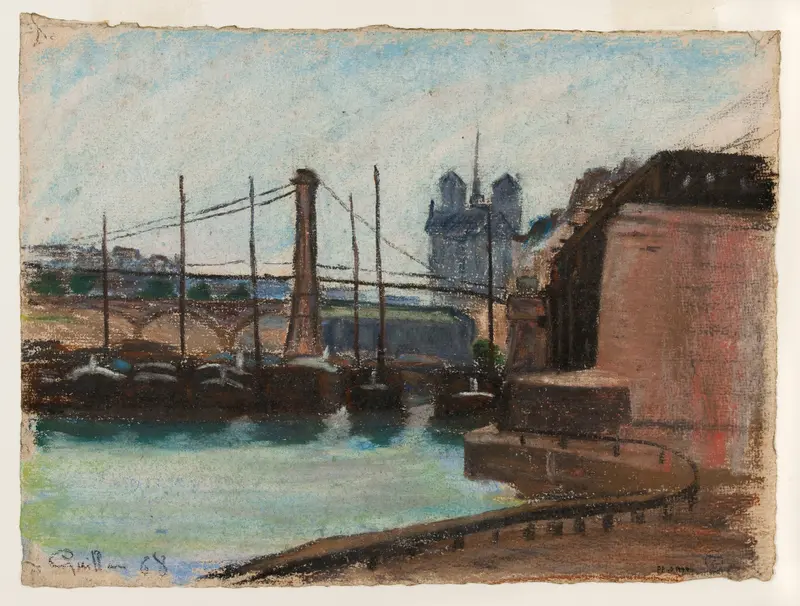
Le Pont d’Austerlitz
Armand Guillaumin
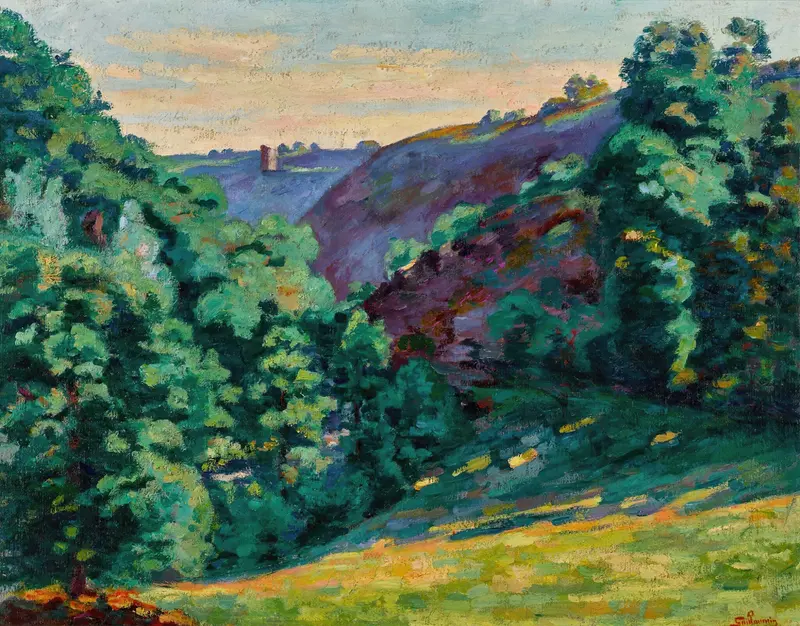
Le Ravin de la folie, vue de Chateau Crozant
Armand Guillaumin
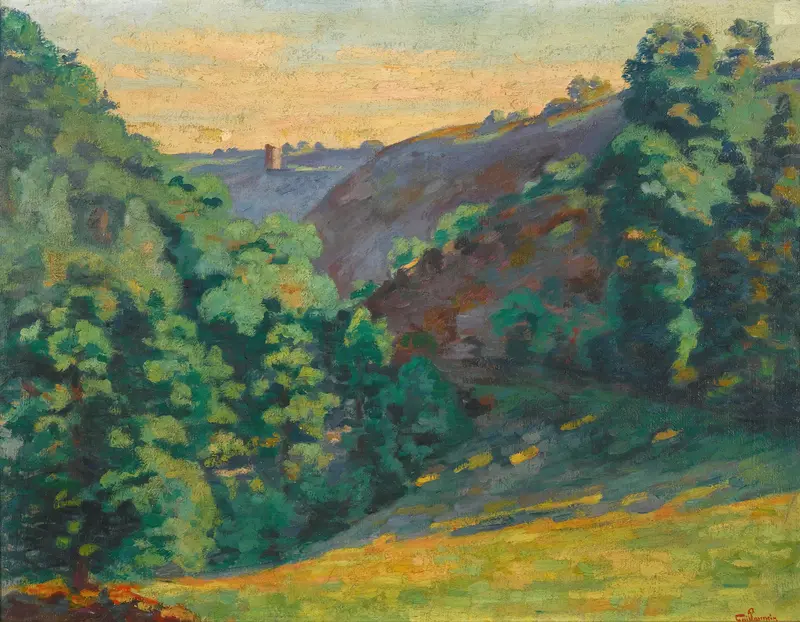
Crozant, Le Ravin De La Sedelle À La Folie
Armand Guillaumin
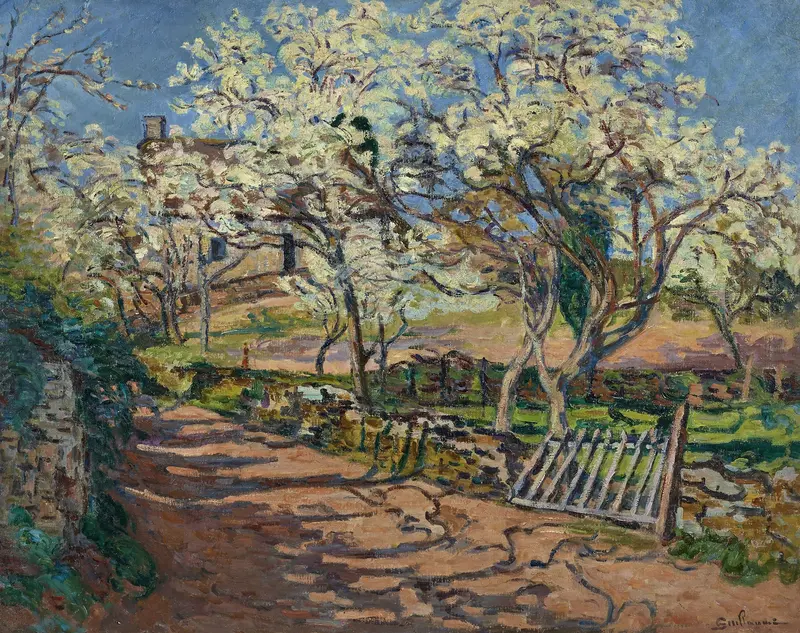
Paysage de Printemps
Armand Guillaumin
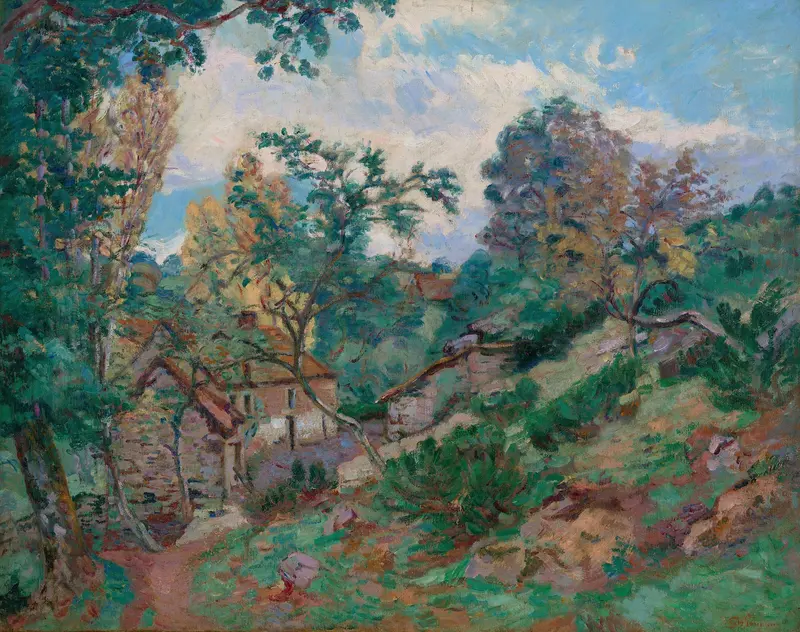
Paysage
Armand Guillaumin
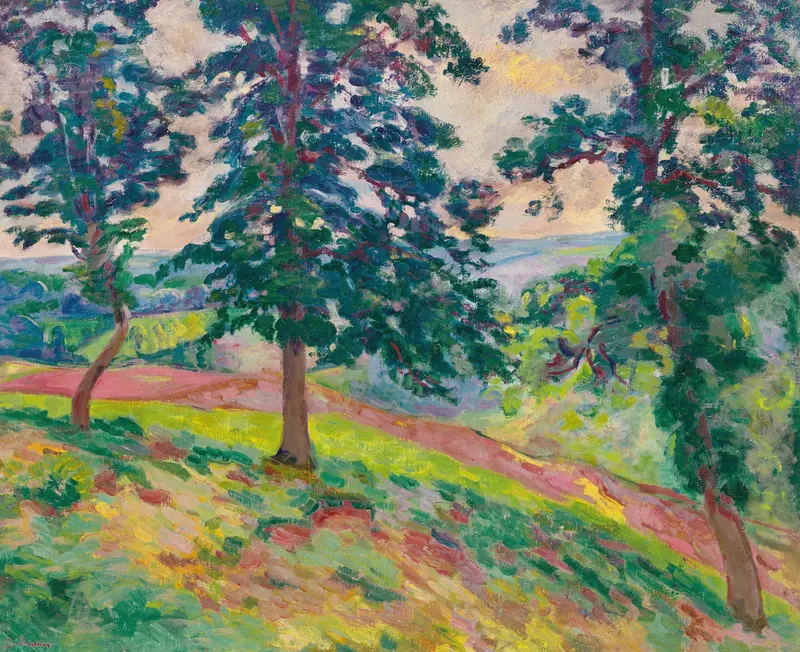
La vallée de la creuse
Armand Guillaumin
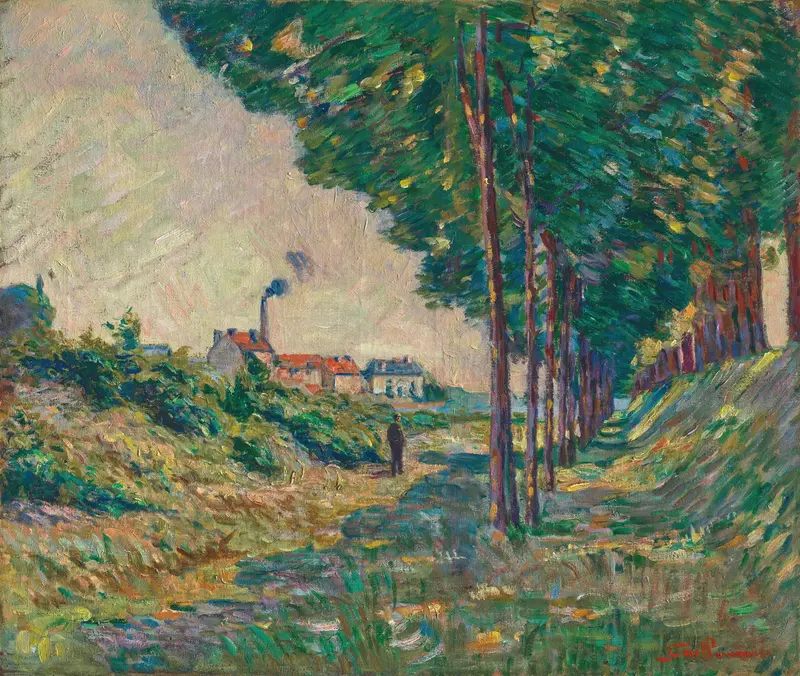
Le chemin de halage à Charenton, Ile de France
Armand Guillaumin
More Landscape Art

The Starry Night
Vincent van Gogh

View of Delft
Johannes Vermeer

Water Lilies
Claude Monet

The Grand Canal, Venice, looking north-west from the Ca' Corner to the Ca' Contarini degli Scrigni, with the campanile of Santa Maria della Carità
Canaletto

Windsor Castle
Canaletto

The Grand Canal looking North-East from the Palazzo Dolfin-Manin to the Rialto Bridge
Canaletto