
Crowborough Hill — History & Facts
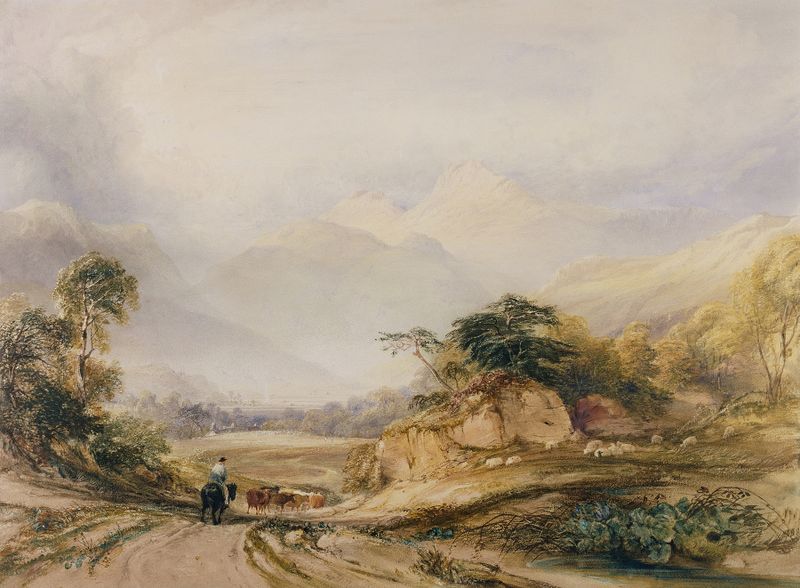
What if beauty was never meant to be finished? In the wake of loss, we confront landscapes that echo our grief, and Crowborough Hill invites us to explore that haunting resonance. Focus on the vibrant greens of the foreground, where the brushstrokes delicately animate the textured grass. The sweeping hills in the background extend towards the horizon, their contours softened by a gentle haze. Notice how the light dances across the scene, illuminating the interplay between shadow and brightness, suggesting the tension between joy and melancholy.
This delicate balance draws the viewer closer, inviting contemplation of what lies beyond the visible. In the rolling hills, we might find echoes of longing—a past that lingers even as the present unfolds. The clouds overhead loom, not as mere adornments, but as silent witnesses to the passage of time and the inevitability of change. The soft transitions between light and dark evoke a sense of fragility, reflecting the artist's own grappling with impermanence and loss.
Each brushstroke, in its precision and fluidity, tells a story that transcends the physical landscape, resonating with deep emotional undertones. Copley Fielding painted Crowborough Hill in 1838, during a period marked by personal upheaval and a growing fascination with the Romantic ideals of nature. Living in Sussex, he was enamored with the English landscape, capturing its essence while navigating the artistic shifts of his time. Against the backdrop of an evolving art world, Fielding’s work stands as a poignant testament to beauty intertwined with the weight of human experience, forever inviting reflection.
More Artworks by Copley Fielding
Browse all →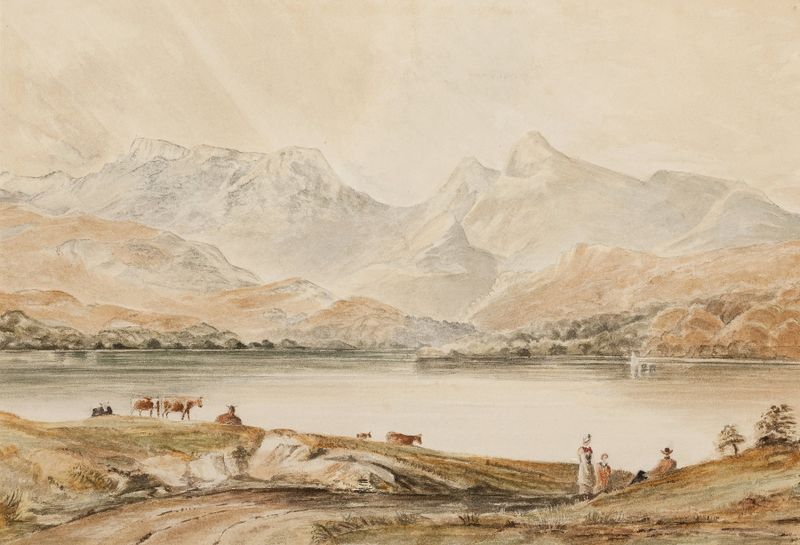
Loch Awe, Scotland
Copley Fielding
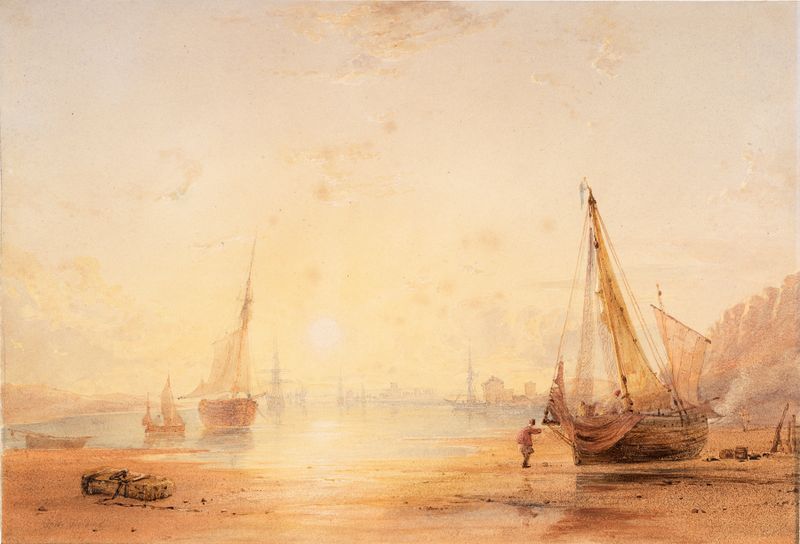
Shoreham Harbour, Sussex
Copley Fielding
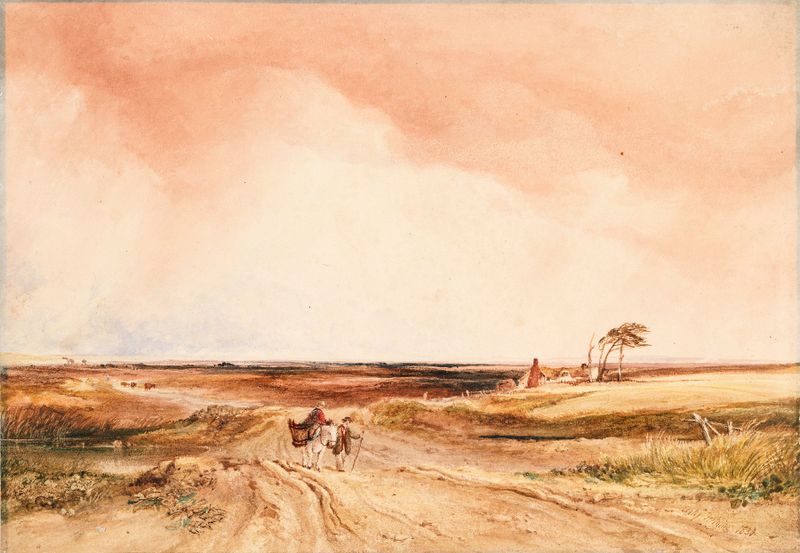
The Wash of Cumberland (Cumbria)
Copley Fielding
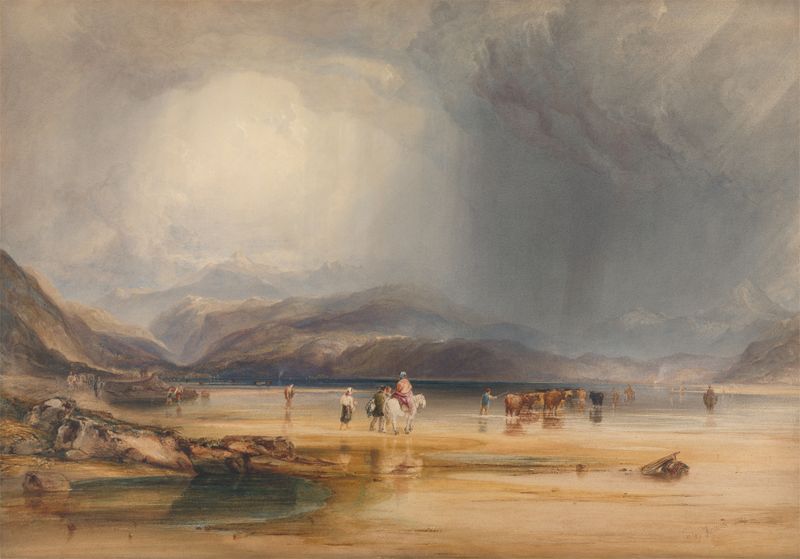
A View of Snowdon from the Sands of Traeth Mawr, taken at the Ford Between Pont Aberglaslyn and Tremadoc
Copley Fielding
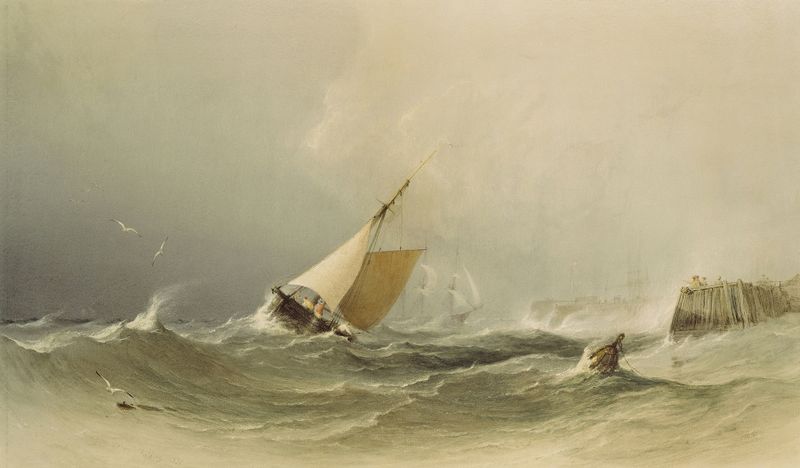
Bridlington Harbour
Copley Fielding
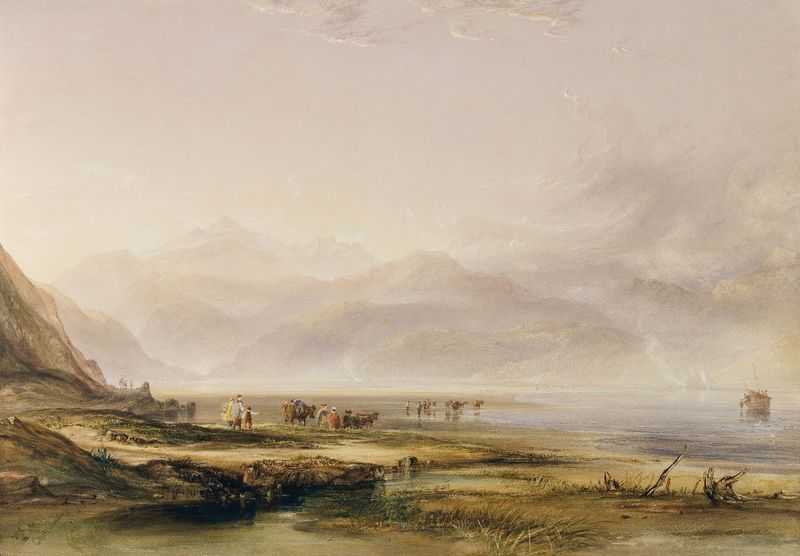
Traeth Mawr
Copley Fielding

The Head of Glencoe, North Argyll, Scotland
Copley Fielding
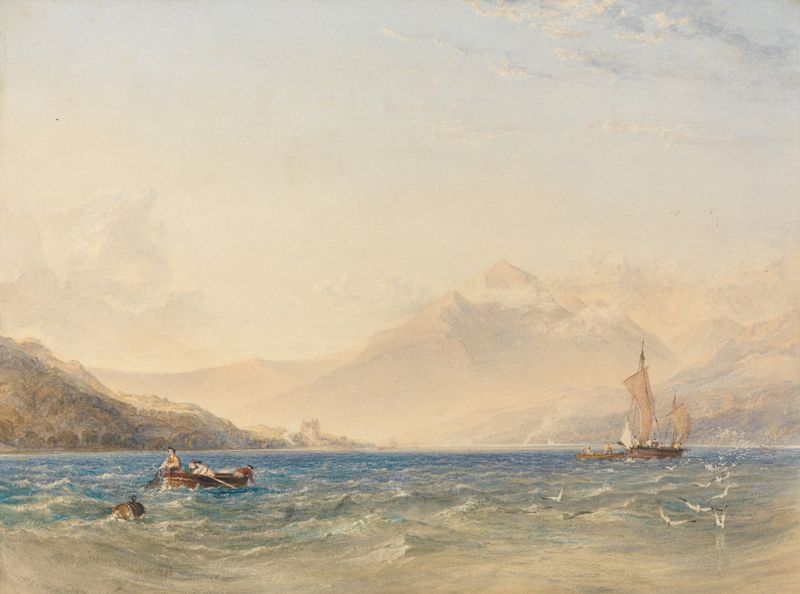
The Head of Loch Fyne, with Dindarra Castle
Copley Fielding
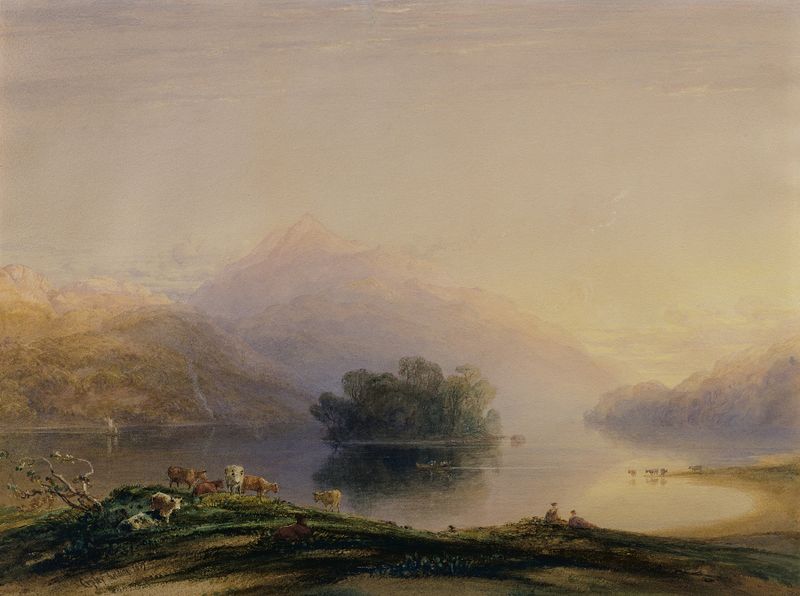
Loch Katrine
Copley Fielding
Langdale Pikes
Copley Fielding





