
Loch Katrine — History & Facts
Can paint confess what words never could? In Loch Katrine, the silent whispers of nature transcend mere description, echoing the depths of memory and emotion. Look to the foreground where soft waves ripple gently across the loch’s surface, reflecting the delicate hues of the sky. The muted greens and blues intertwine, guiding your gaze towards the distant hills that rise majestically in the background. Notice how the light falls upon the water, creating a shimmering pathway that invites viewers to traverse the quiet landscape, almost as if it beckons them into a reverie. Hidden within this serene scene lies a tension between tranquility and nostalgia.
The distant mountains, shrouded in mist, evoke a sense of longing, while the calm water seems to cradle forgotten memories beneath its surface. The careful balance of light and shadow also hints at the duality of human experience—moments of peace interspersed with the weight of recollection, bridging the idyllic with the melancholic. Copley Fielding painted Loch Katrine in 1838 while immersed in the Romantic movement, which celebrated nature's sublime beauty. During this period, he was captivated by the Scottish landscape and his works often reflected a yearning for an idealized past.
The painting emerged during a time when artists were increasingly drawn to capturing the emotional resonance of their environments, setting Fielding apart as a true interpreter of the natural world.
More Artworks by Copley Fielding
Browse all →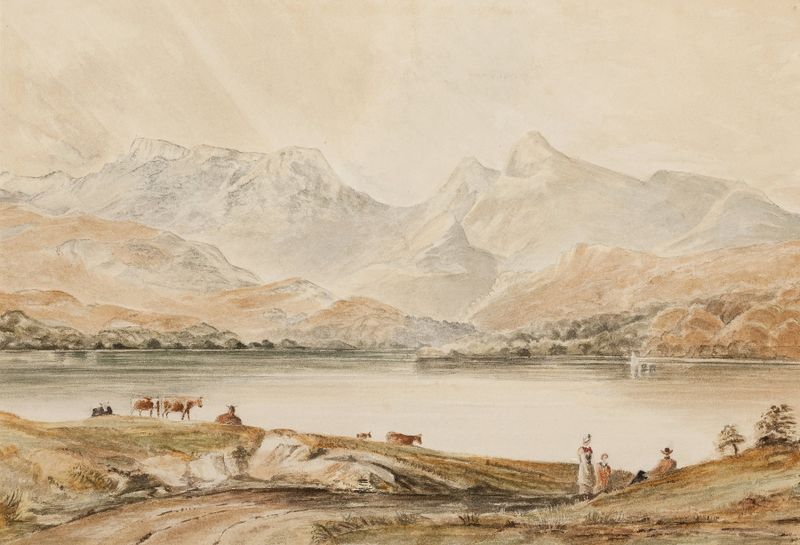
Loch Awe, Scotland
Copley Fielding
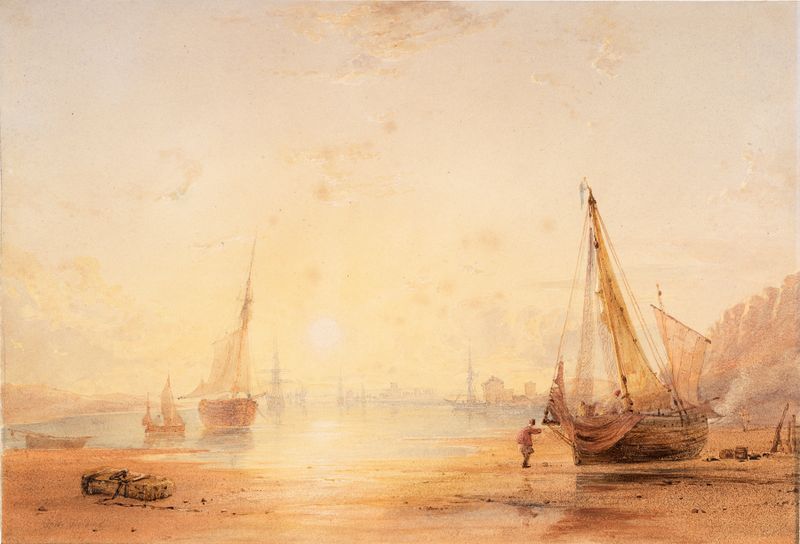
Shoreham Harbour, Sussex
Copley Fielding

Crowborough Hill
Copley Fielding
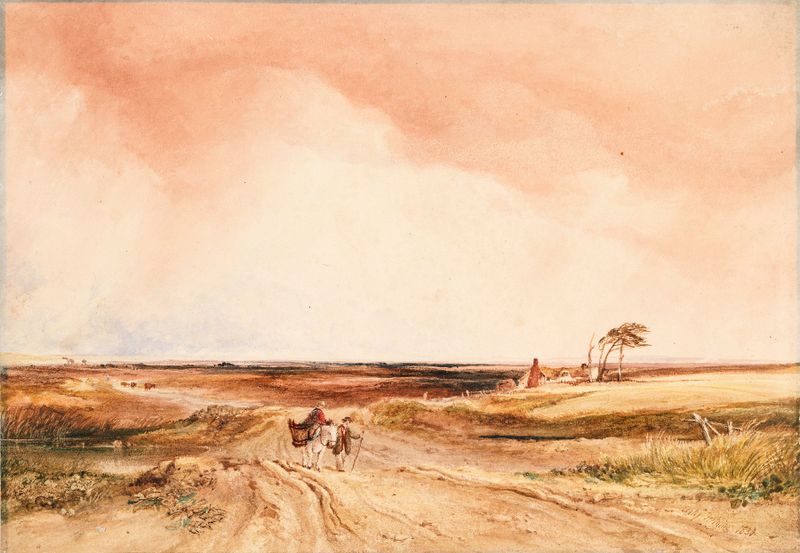
The Wash of Cumberland (Cumbria)
Copley Fielding
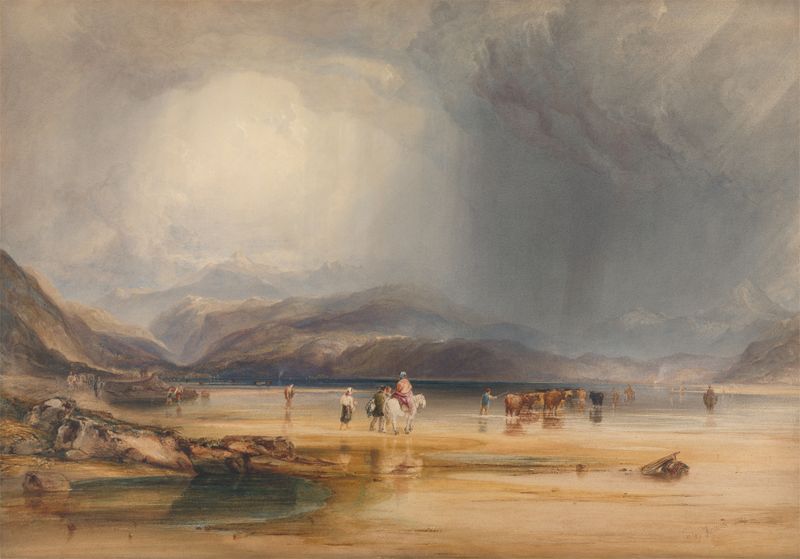
A View of Snowdon from the Sands of Traeth Mawr, taken at the Ford Between Pont Aberglaslyn and Tremadoc
Copley Fielding
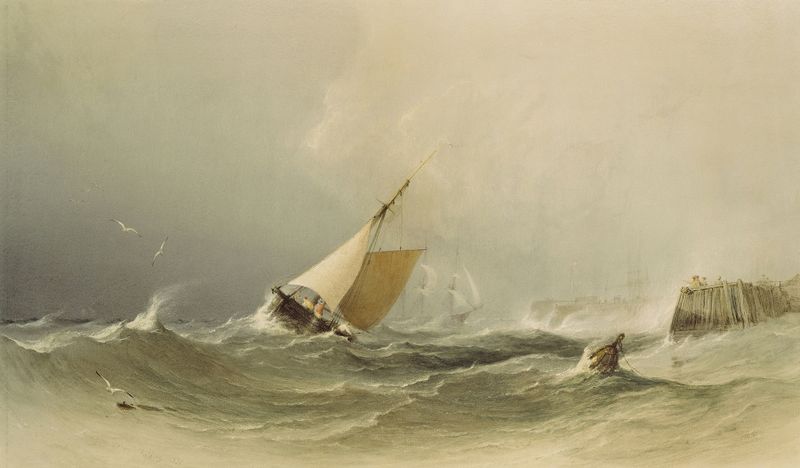
Bridlington Harbour
Copley Fielding
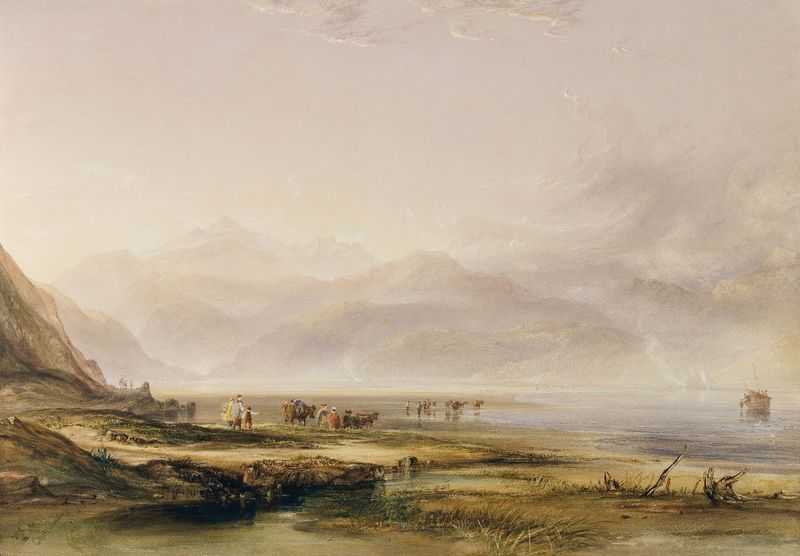
Traeth Mawr
Copley Fielding

The Head of Glencoe, North Argyll, Scotland
Copley Fielding
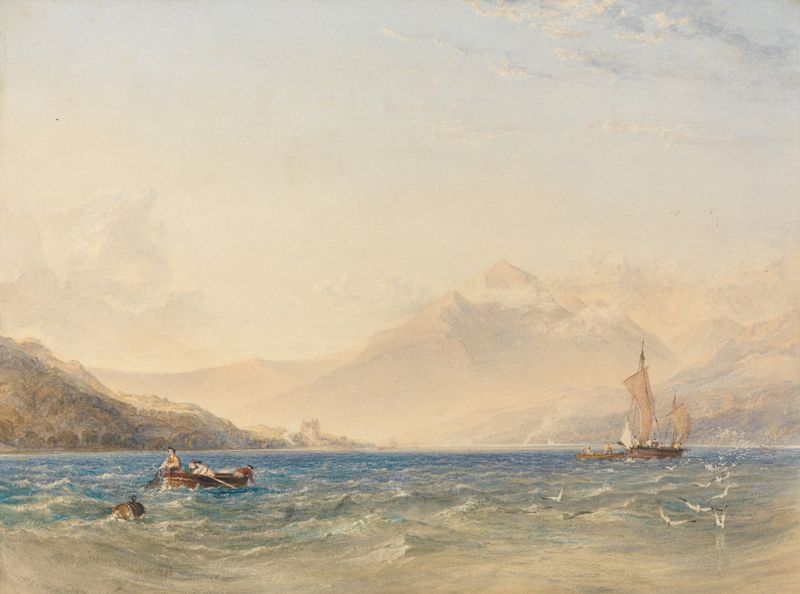
The Head of Loch Fyne, with Dindarra Castle
Copley Fielding
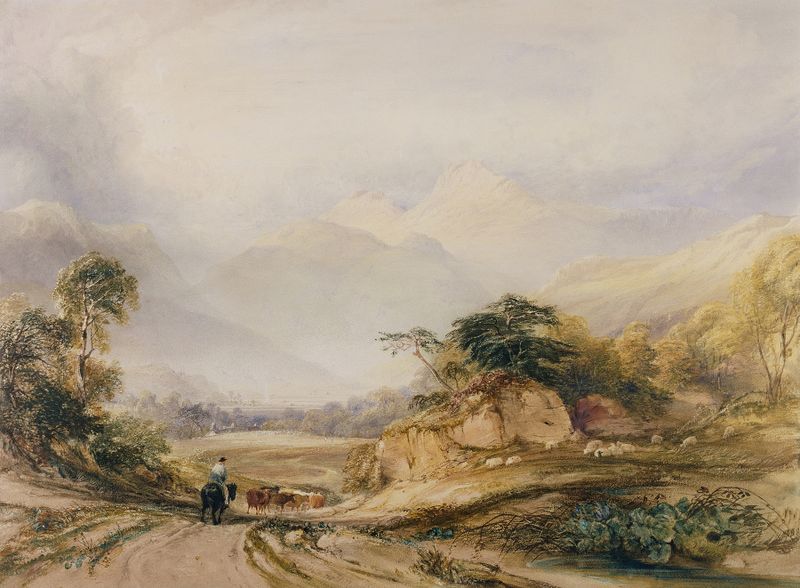
Langdale Pikes
Copley Fielding





